Top picks in Baton Rouge
The places most worth your time here.
Connect your Cour circle to see which places friends and family recommend here.
Connect Cour →Landmarks
105 places worth the detour
Includes 3 ghost landmarks— places that existed here and don’t anymore
tap the eye to open · swipe or use buttons to browse
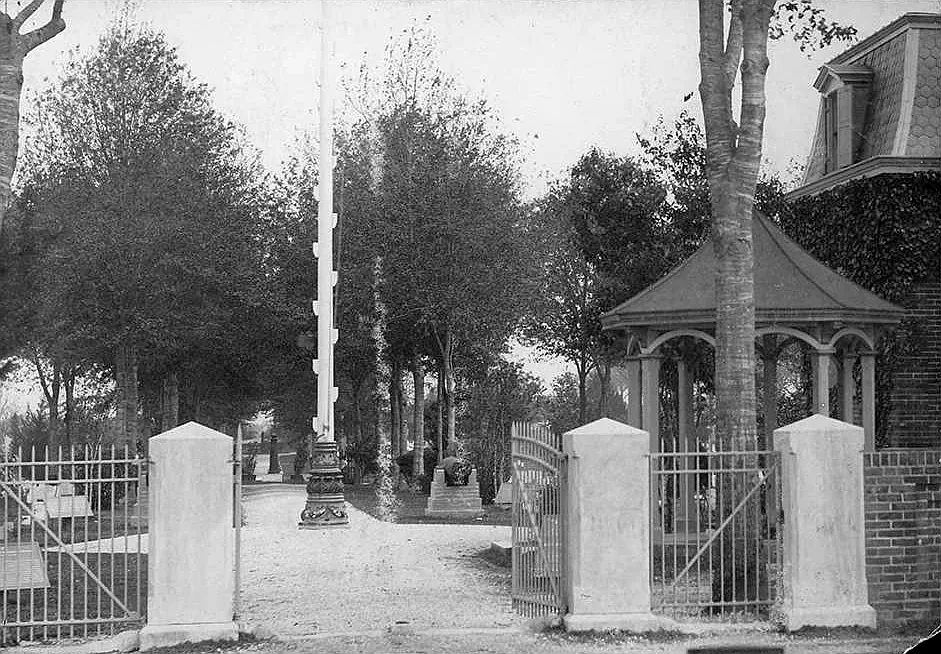
The French explorer Pierre Le Moyne d'Iberville stopped here in 1699 and found a red-stained cypress pole stuck in the ground, marking the boundary between two native hunting territories. He called…
Read the full storyOn the map
Tours
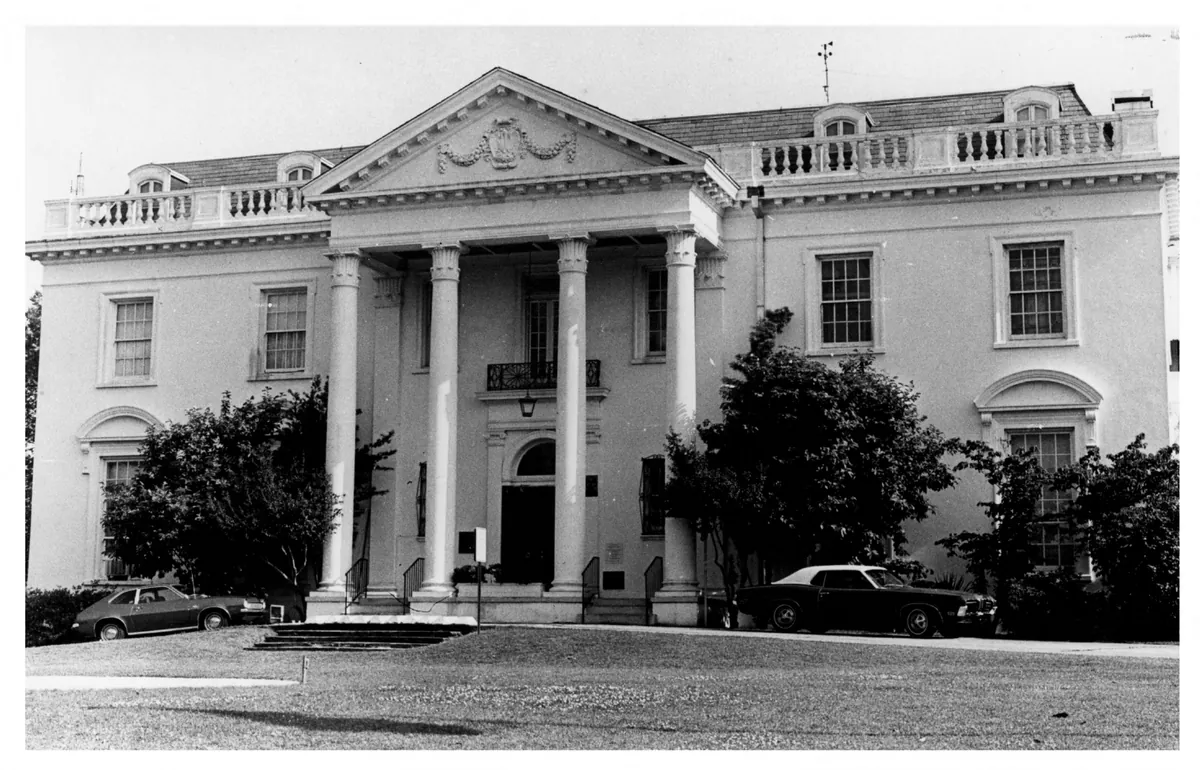
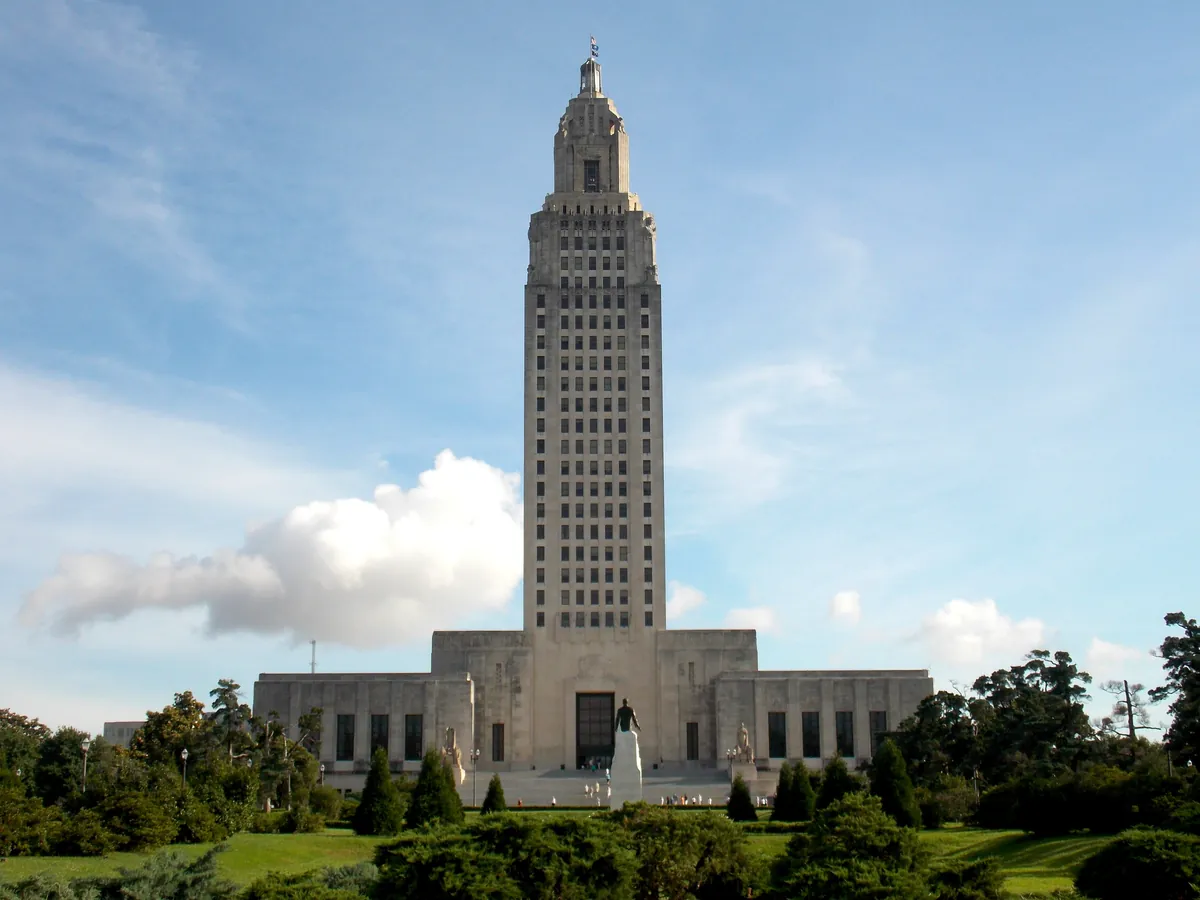
Huey Long built the tallest state capitol in America in 14 months and was shot dead inside it three years later. He took LSU's mid-decade move off the downtown bluff and turned it into his project, demolished the 1857 mansion to build a new governor's residence in 1930 because he meant to live in the real one, and built a tunnel from the capitol complex to a hotel so the political machine could move unseen. He is buried in the sunken garden out front, under a 12-foot bronze of himself, facing the building that killed him.
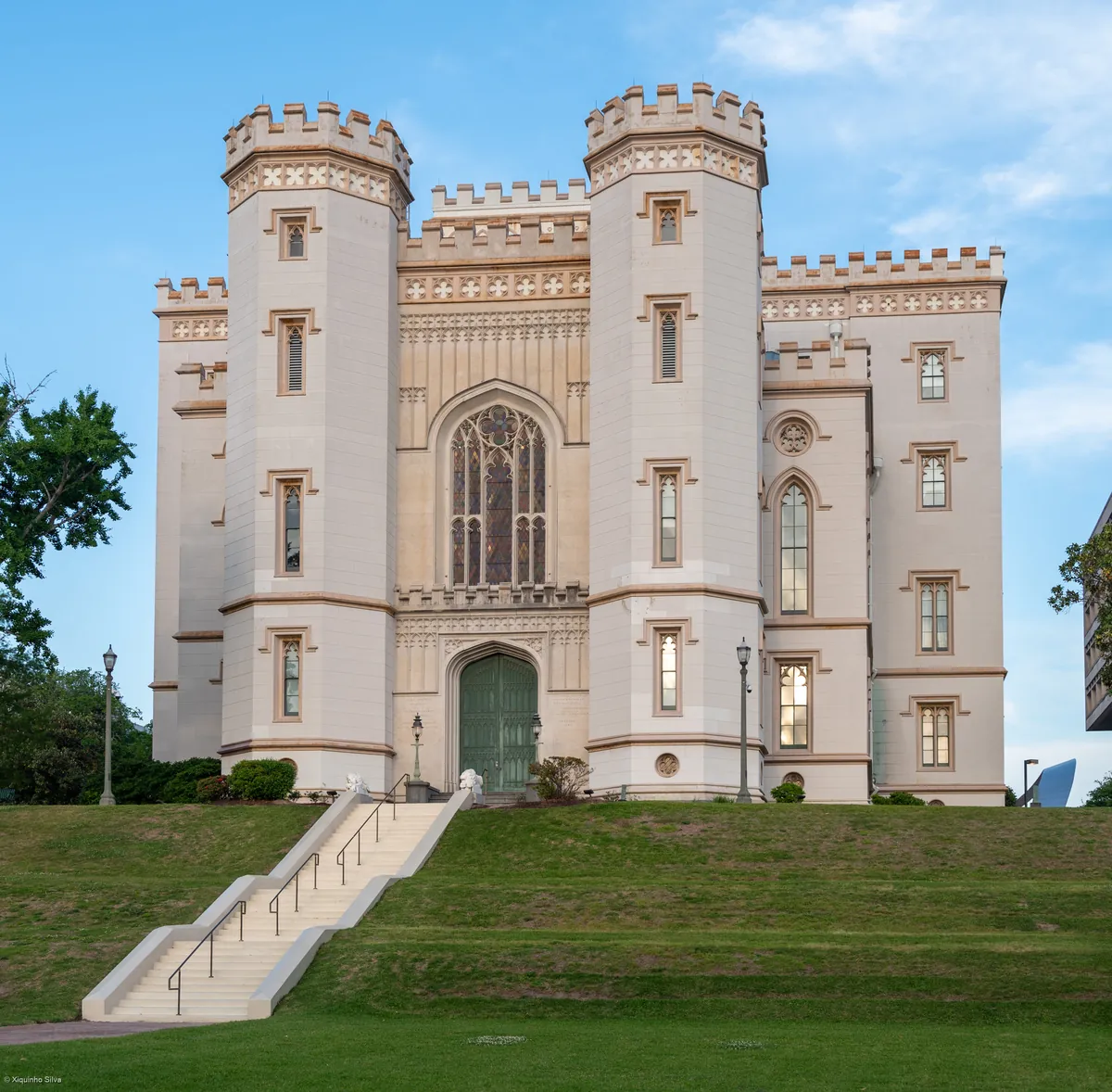
In 111 years this bluff flew four national flags and one rebel one. Iberville named it in 1699 for the red pole; the French claimed it. The British took it in 1763 and built Fort New Richmond, the only British colonial fort in Louisiana. Bernardo de Gálvez took it back for Spain in 25 minutes during a thunderstorm in September 1779. In 1810, seventy-five Anglo-Protestant planters declared the Republic of West Florida — its blue Lone Star flag flew here for 79 days before Madison absorbed it. Four flags, two empires, one bluff.
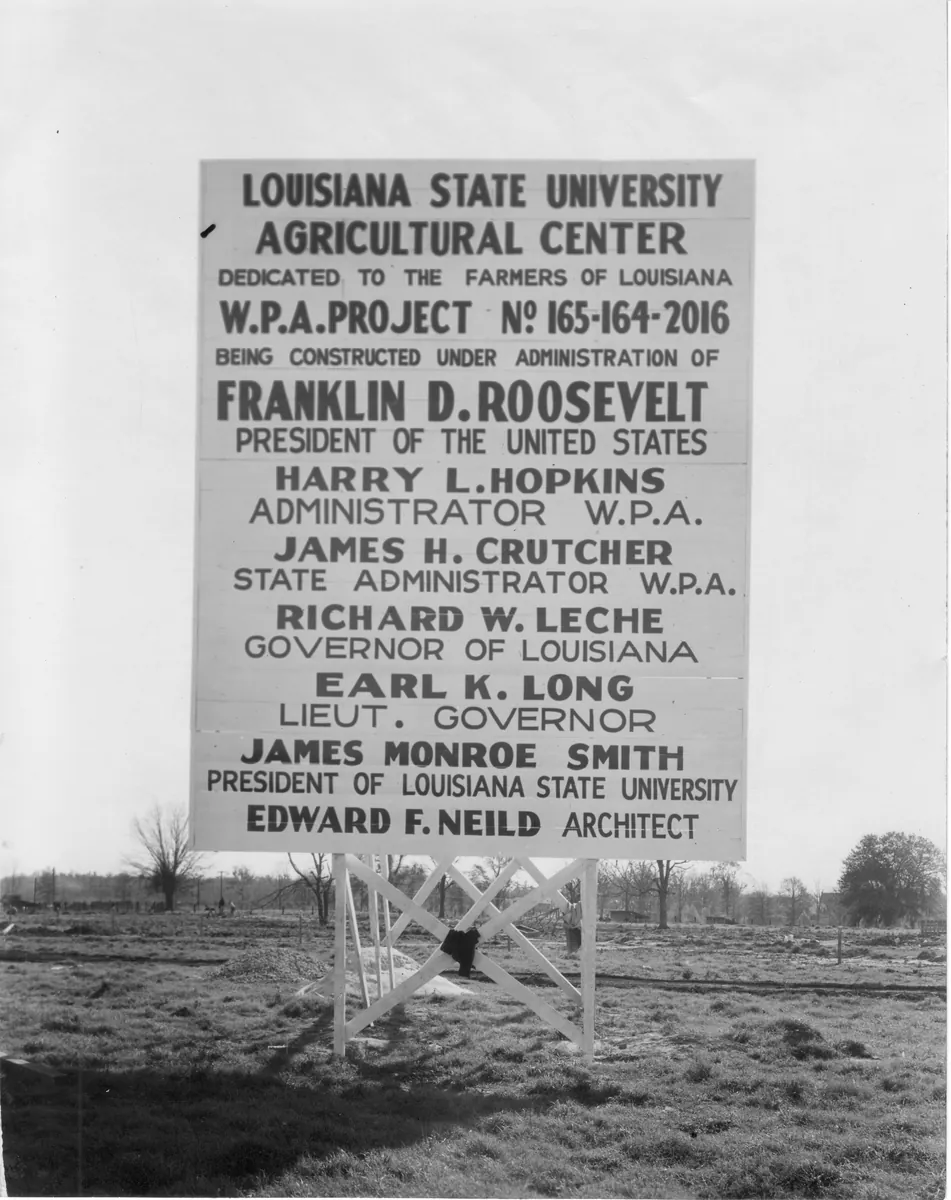
Huey Long wanted a football school and accidentally funded one of the most influential literary scenes in the 20th-century South. Robert Penn Warren taught at LSU from 1934 to 1942 and wrote All the King's Men about the man signing his paycheck; he and Cleanth Brooks founded The Southern Review in 1935. The Shaw Center, the 1925 Illinois Central depot turned art and science museum, the Varsity Theatre, and Burden's 440 acres are what survived the ambition. The Pulitzer was the unintended consequence.
Two years before Montgomery, 20,000 Black residents of Baton Rouge — 80% of the bus ridership — stopped riding the city's segregated buses for eight days in June 1953 and built the free-ride system Martin Luther King Jr. would later copy. Reverend T.J. Jemison ran it out of Mount Zion Baptist Church; the KKK burned a cross on the lawn. Mass meetings filled McKinley High, the first Black high school in the city. Southern University students carried it forward. King called Jemison first. The tactic was invented here.
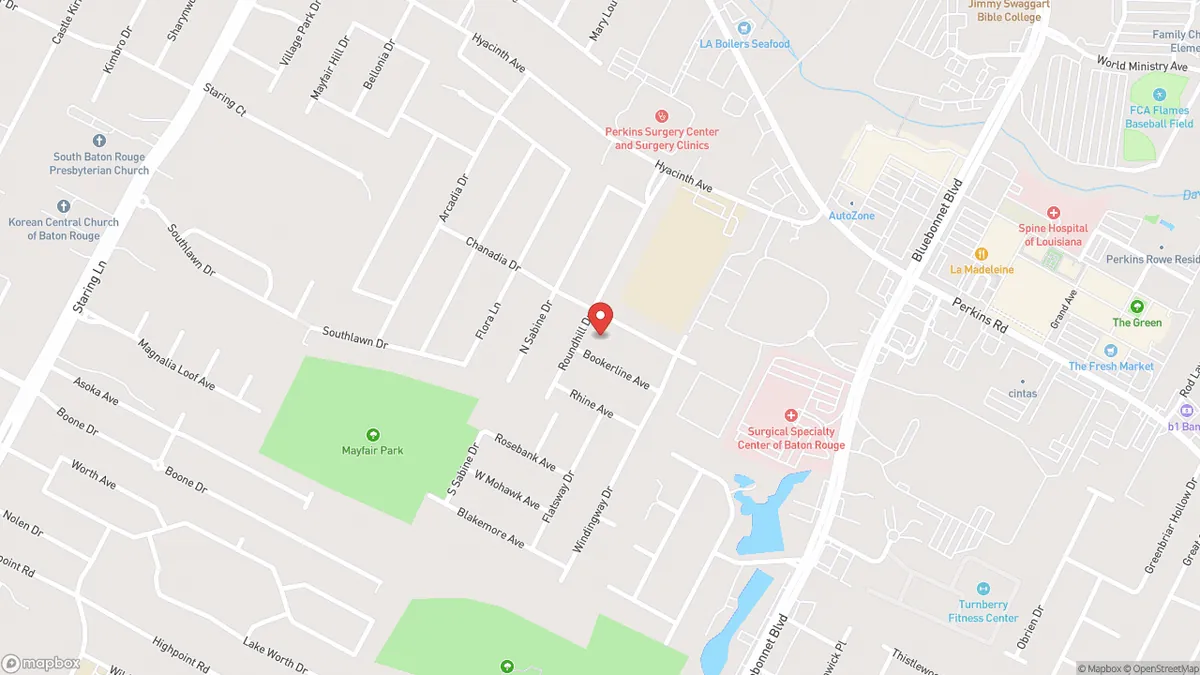
Baton Rouge eats on five tracks at once and refuses to consolidate them. A Third Street po-boy counter Obama walked into in 2012, a Mid City grocery whose chicken salad got national press it never asked for, a Government Street smokehouse running since 1985, a Highland Road diner open around the clock since 1941, the white-tablecloth Creole room that has held the special-occasion slot since 1983, and an Indian kitchen that quietly anchors a community most visitors don't know is here. The plate is the argument.
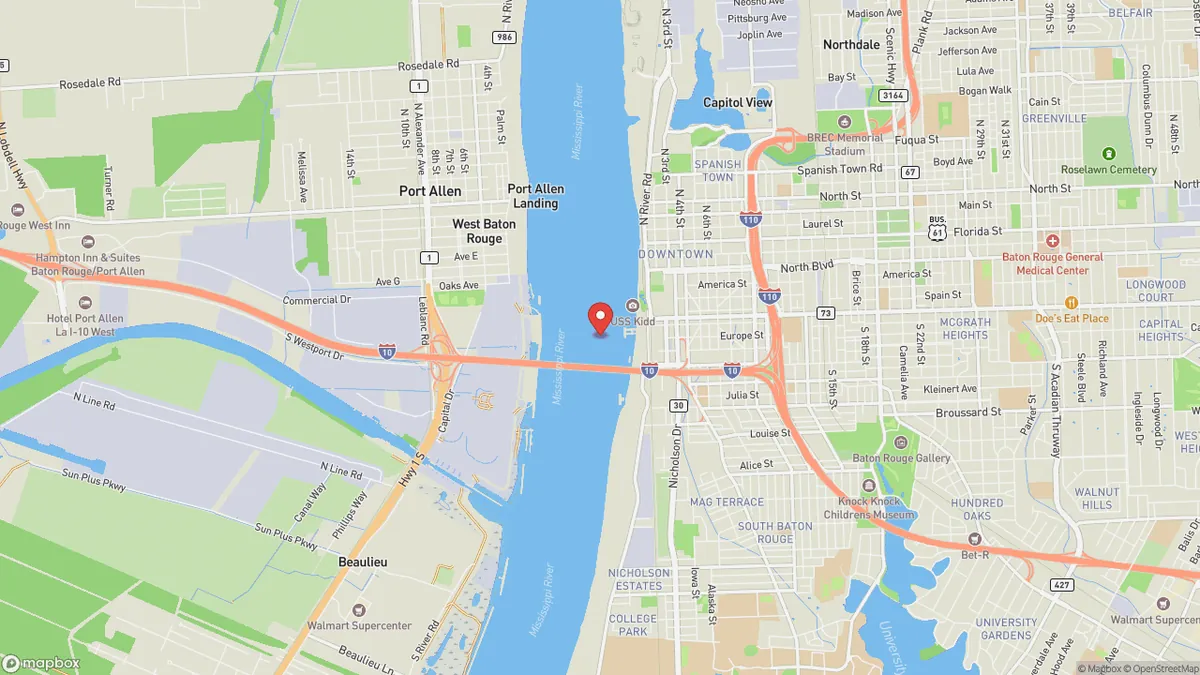
The Mississippi is the reason Baton Rouge exists — and the reason it almost doesn't. The Port of Greater Baton Rouge moves more tonnage than Los Angeles. LSU's Center for River Studies operates a 10,000-square-foot physical model of the delta where the Corps still tests scenarios. The Old River Control Structure, 30 miles north, is what keeps the Mississippi from abandoning Baton Rouge for the Atchafalaya — the most important piece of infrastructure most Americans have never heard of. The river is fought every spring.
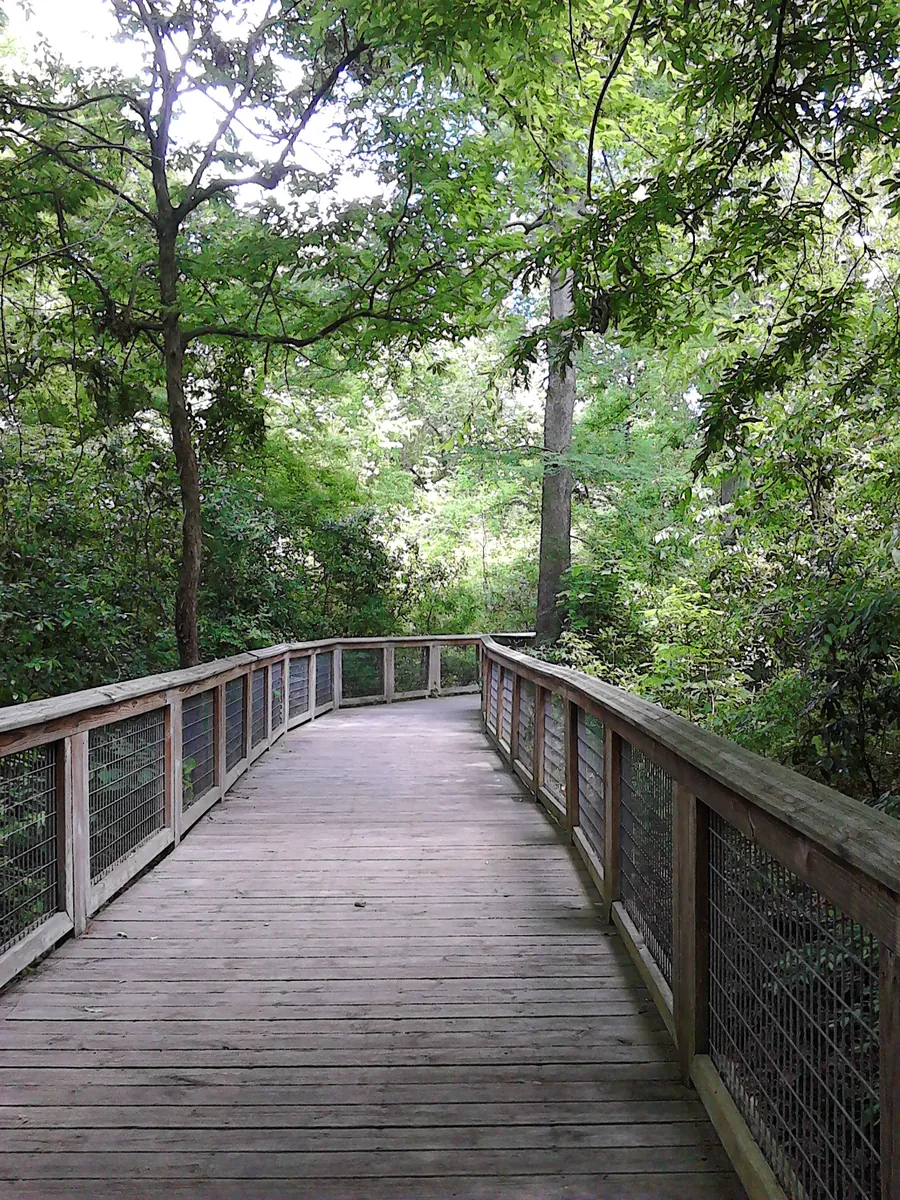
Between the capitol and the campus is the Baton Rouge that actually goes home at night. Government Street runs five miles of bungalows, ranches, and Tudor cottages laid down between 1900 and 1960 — the city's growth ring, readable porch by porch. The LSU Lakes started as a 1930s drainage project and turned into 400 acres where students still feed the ducks at dusk. Bluebonnet Swamp preserves 103 acres of cypress-tupelo bottomland that covered all of this before the streets did. The Garden District is what Baton Rouge built when no one was watching.
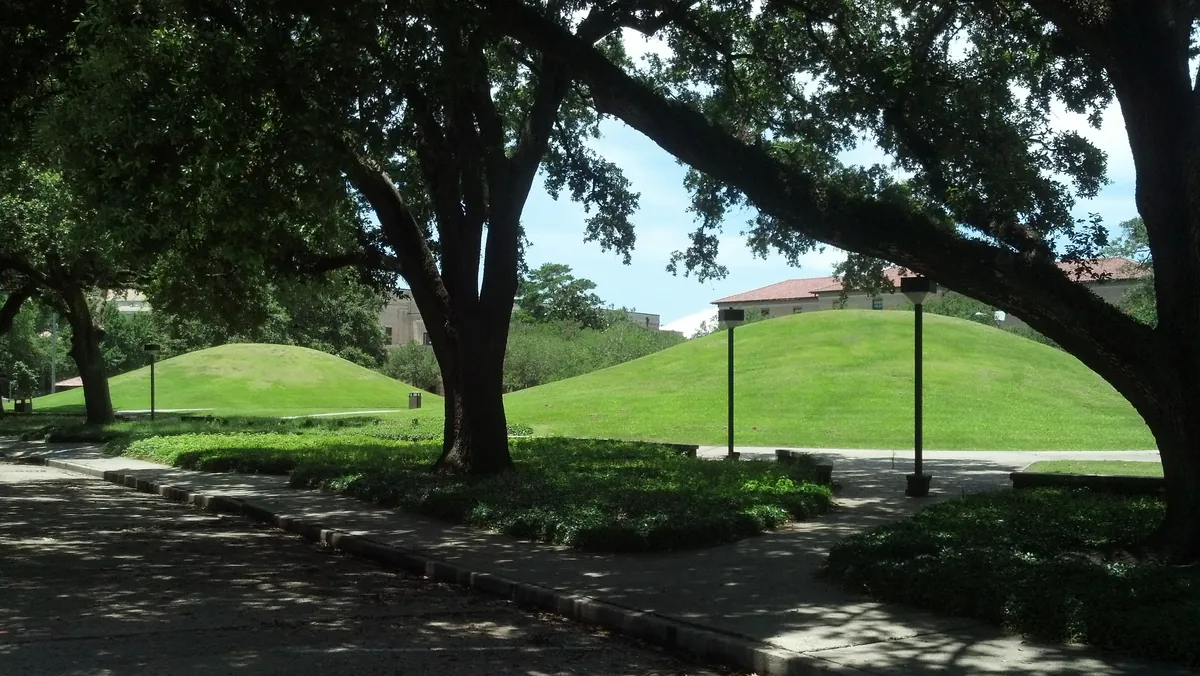
The ground beneath LSU was shaped into ceremonial mounds 3,500 years before a football stadium rose beside them. This trip moves from the oldest human-built structures in North America through the Italian Renaissance-style campus Huey Long built in a decade — passing a live Bengal tiger along the way — to the literary and cultural institutions he accidentally created, and the baseball stadium where six national championships were won.
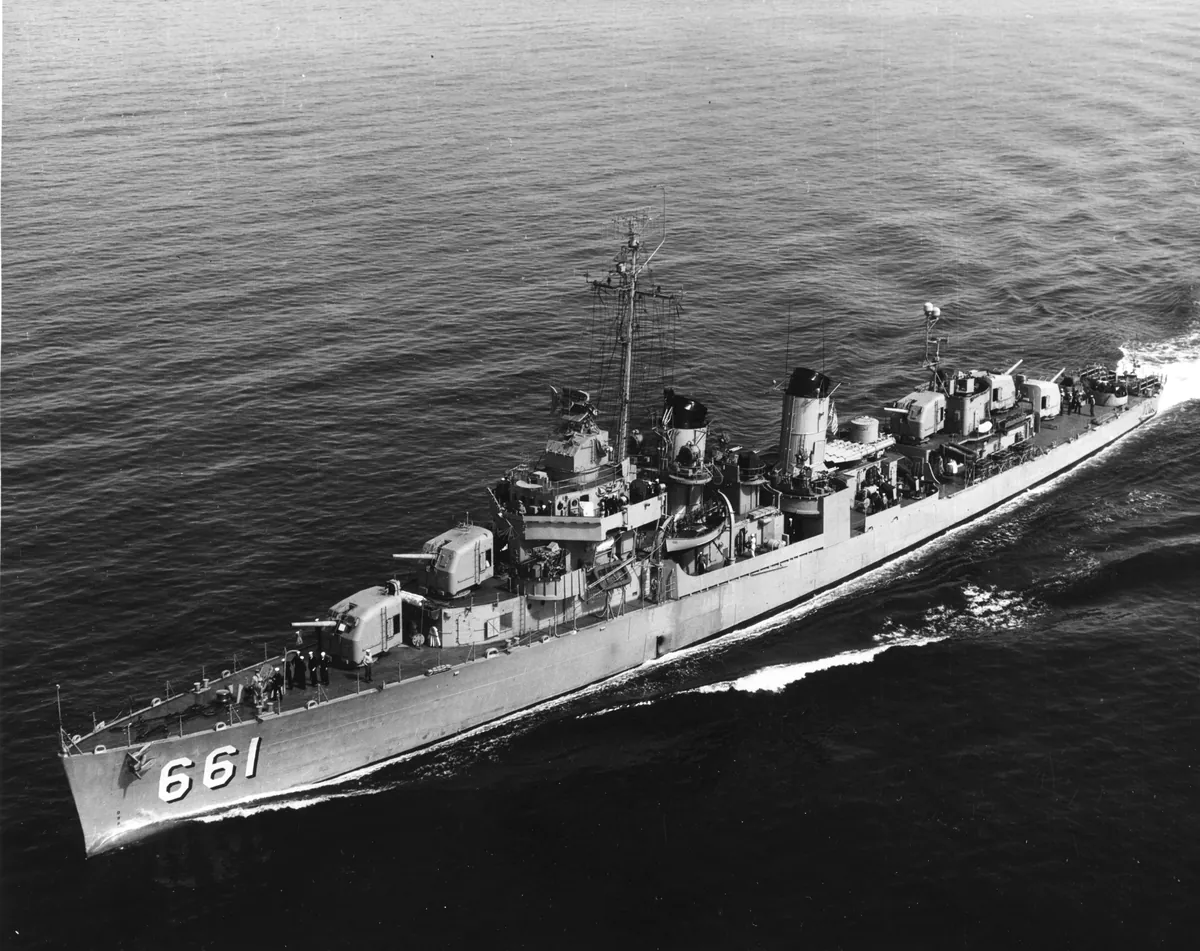
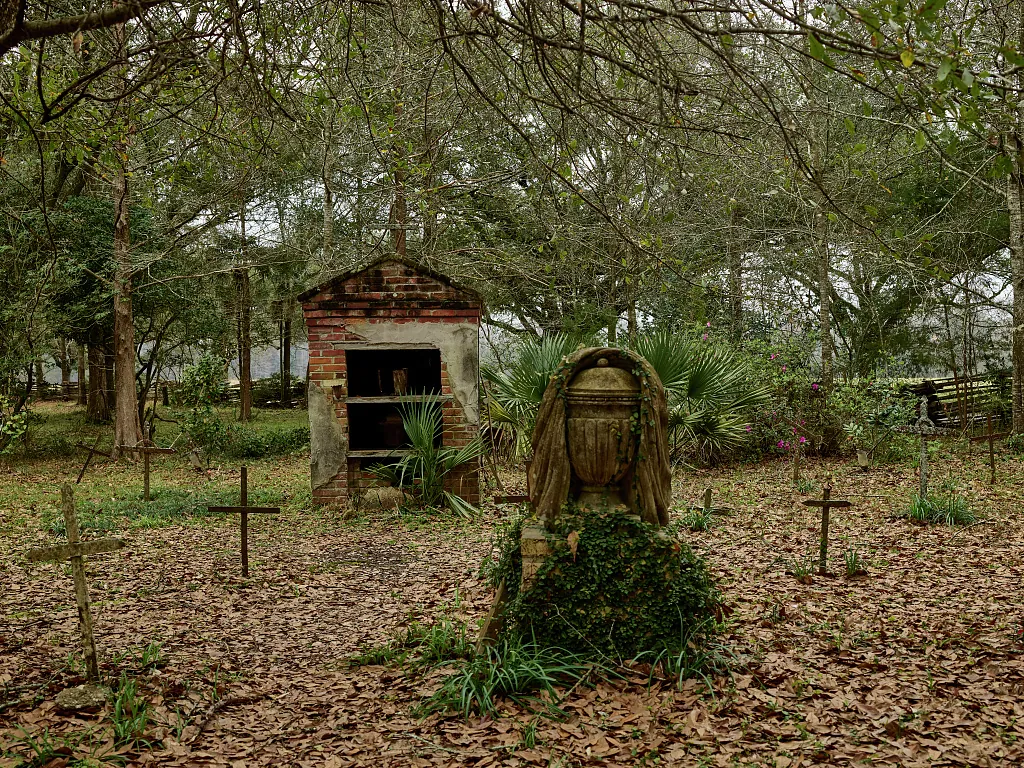
The bluff is the first defensible high ground north of the river's delta, and every people who held this territory understood why. The Houma and Bayougoula marked the boundary between their lands with a red-stained pole at the top of it — Iberville noted it in 1699. The British built Fort New Richmond there in 1763; Gálvez captured it for Spain in 1779, a battle of the American Revolution fought in British West Florida. Federal gunboats shelled it in 1862 and the Confederacy lost the state. The USS Kidd sits downriver from the surrender bluff; the cemeteries hold both sides' dead.
The Civil War in the lower Mississippi was a siege war. Whoever held the river held the Confederacy in half. This 9-stop corridor moves north through the contested ground — the British-Spanish prequel at Galvez, the 48-day Port Hudson siege, the Centenary cemetery, the Confederate artillery position at Grand Gulf, and Vicksburg, where the river finally fell.
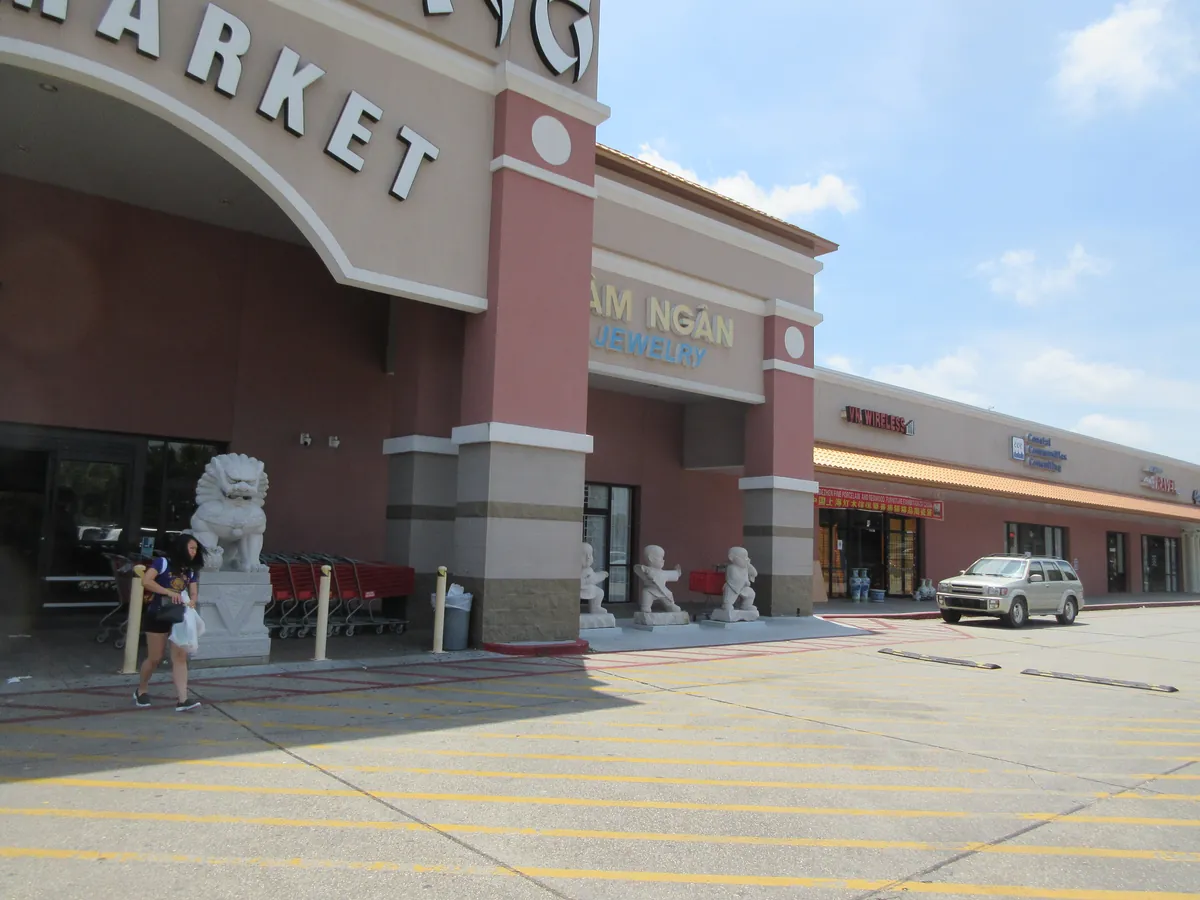
The bayou kept getting added to. French and Spanish made the founding layer, then the German Coast got its name, then Irish hands dug the canals, then Acadians built a country in the swamps, then Sicilians took the Quarter and Lebanese took Mid City, and Vietnamese and Croatian families joined the seafood economy that fed the state. This is the layered version of how Louisiana came to be Louisiana — one stop per wave, in the order they arrived.
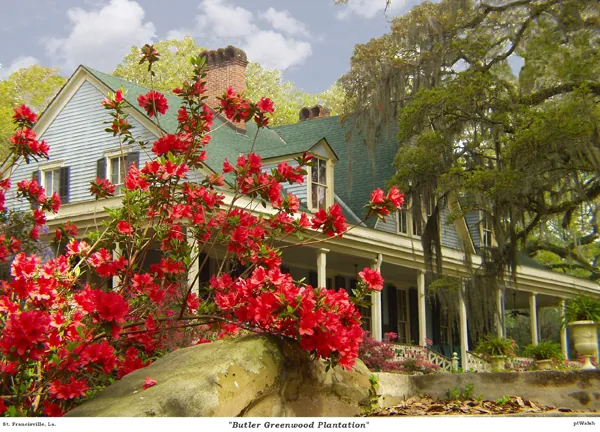
Seventy-four days in 1810, a sliver of land between the Mississippi and the Pearl declared itself a sovereign nation. The flag flew over Baton Rouge; the wealth flew over the Felicianas. This trip starts where the rebels stormed the Spanish fort, then climbs into the parish where the plantations they were defending still stand.
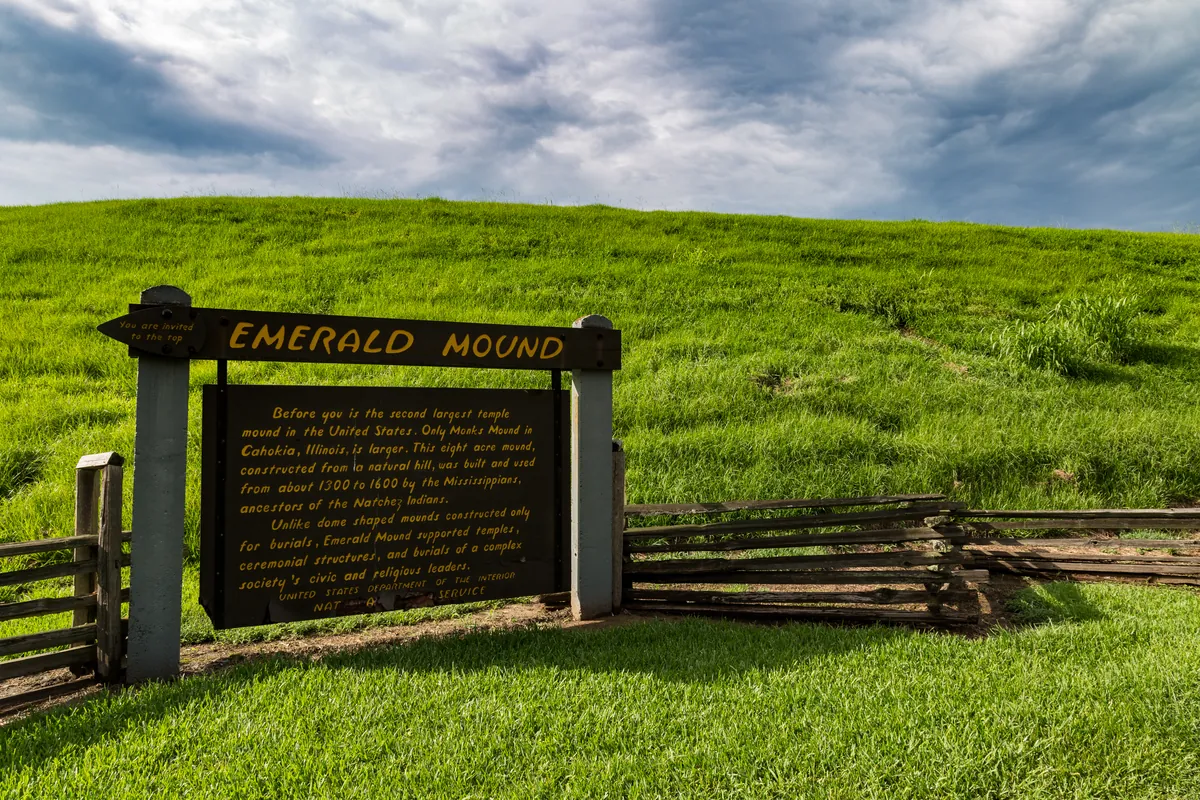
The Mississippi cut these bluffs out of windblown silt. The Loess Hills crest where the river bends, the bottomlands flood when the engineers say to, and the mounds were here longer than any of it. with a detour through the oxbows and earthworks the river carved around itself.
Reading
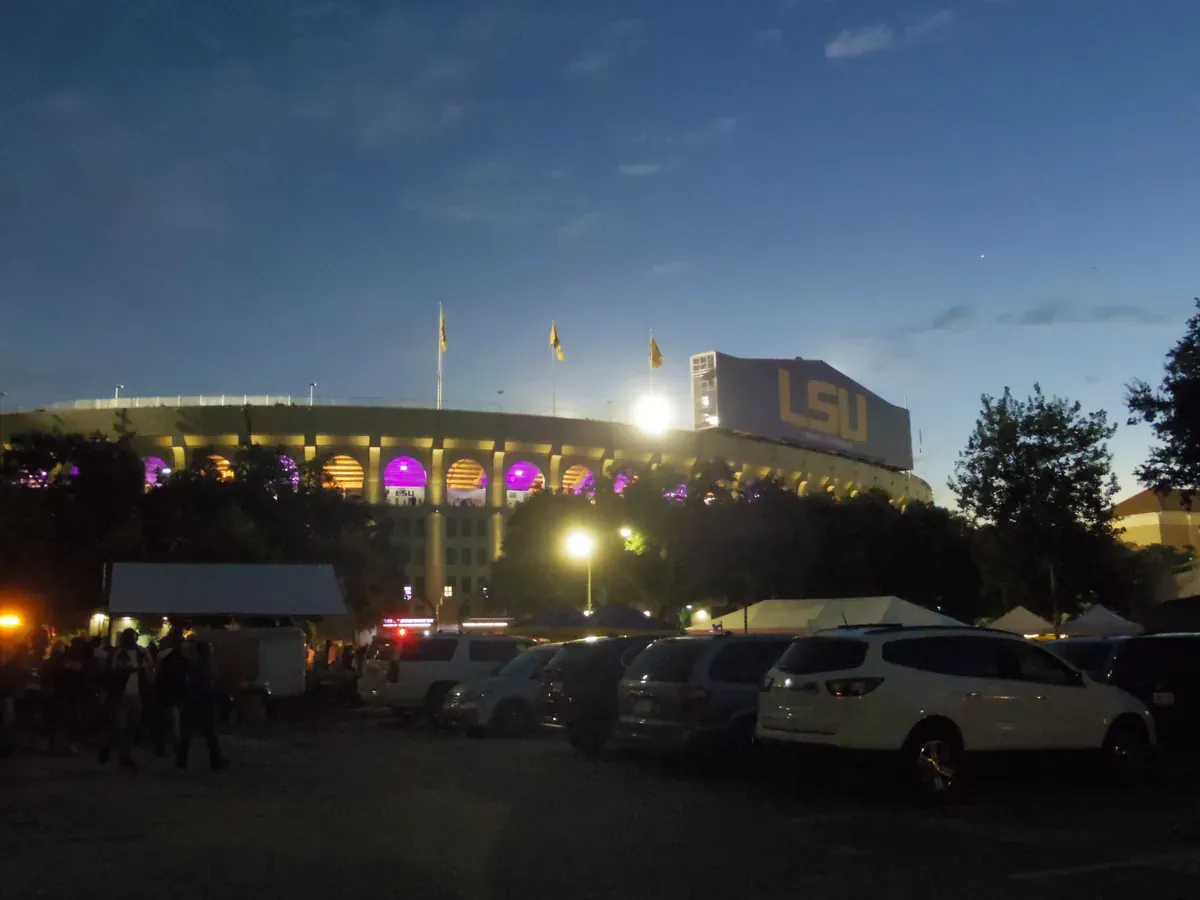
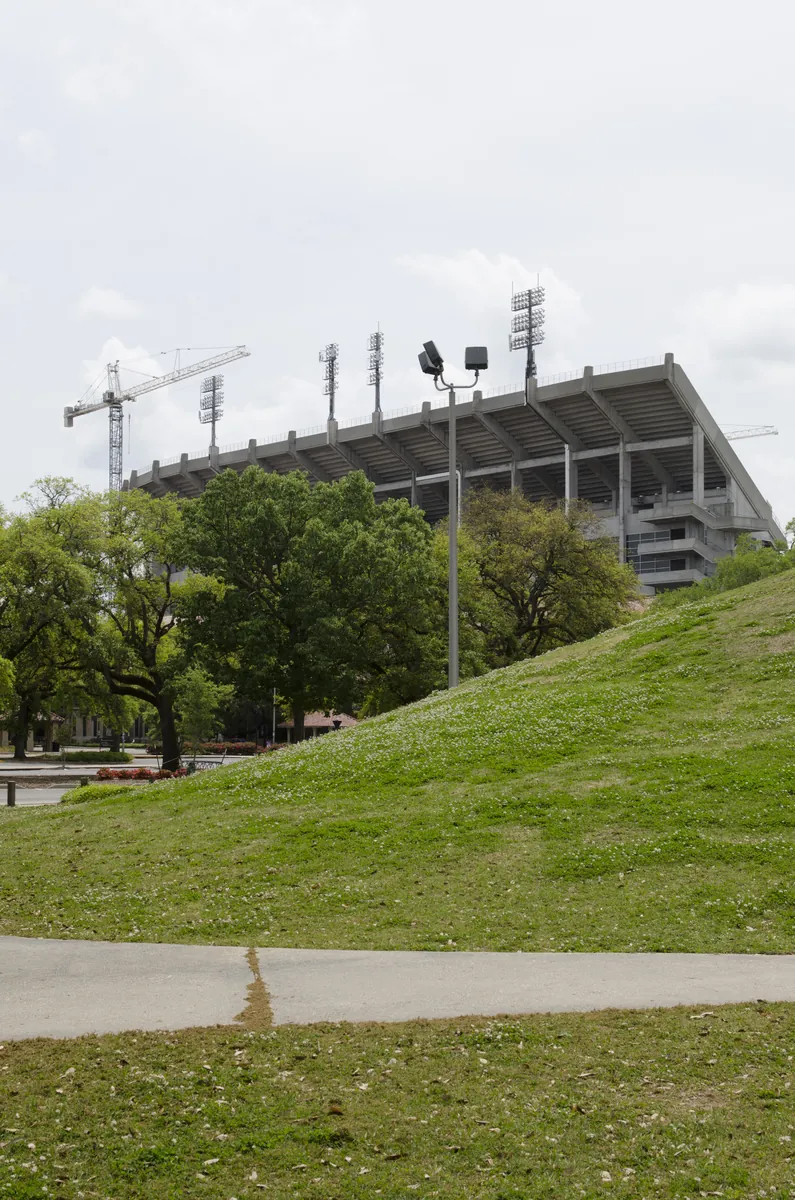
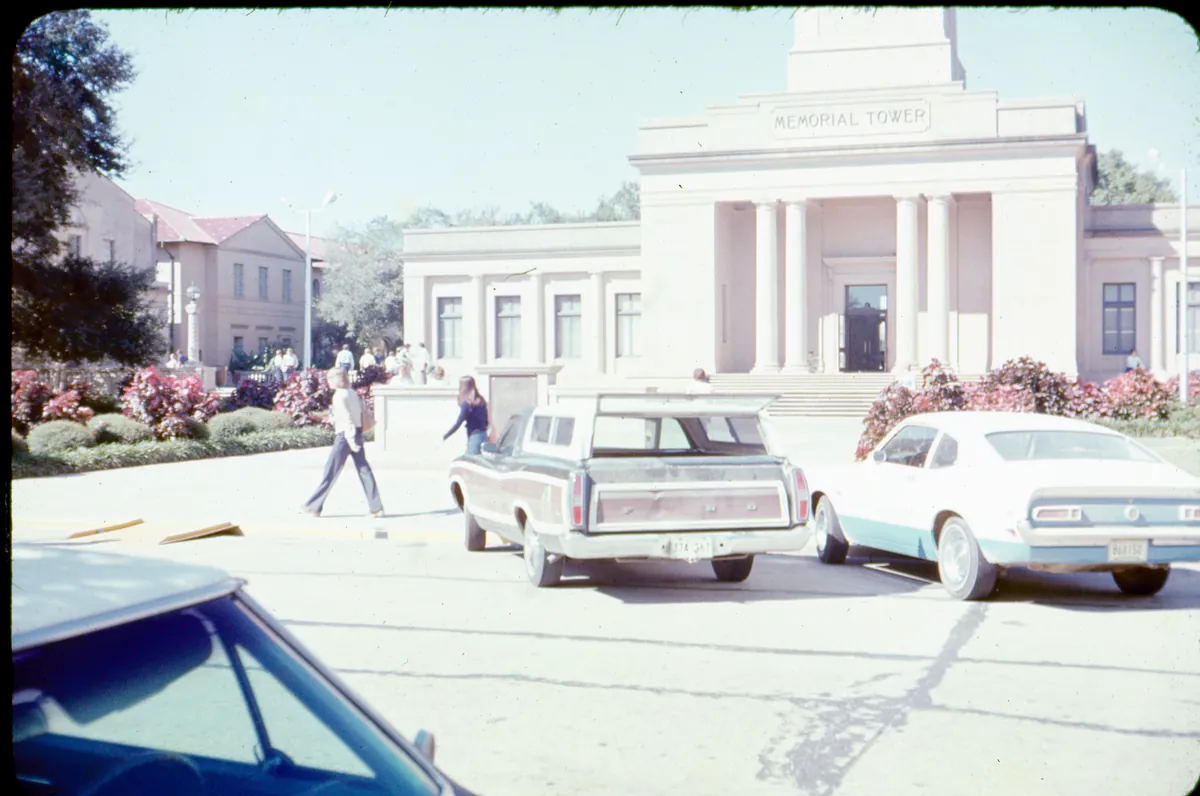
LSU began in 1860 on the downtown bluff where the State Capitol now stands, occupying Army barracks built in the 1820s. Huey Long moved it south of the city in 1928 and built an entirely new Italian Renaissance campus in a single decade. The live oak-lined quadrangle and the 175-foot Memorial Tower — built in 1926 for Louisiana's 1,447 World War I dead, all names inscribed inside — are the architectural heart of what he made. The stadium he left behind started with 12,000 seats and was never torn down; expansion after expansion was added onto the original bowl until it held 102,321, the fifth-largest in the world. In 1988, a touchdown against Auburn registered on a seismograph in the geology building across campus — which is how you name a place Death Valley. The school has won five national championships in football. It has won more combined national championships across all sports than almost any other university in the country.
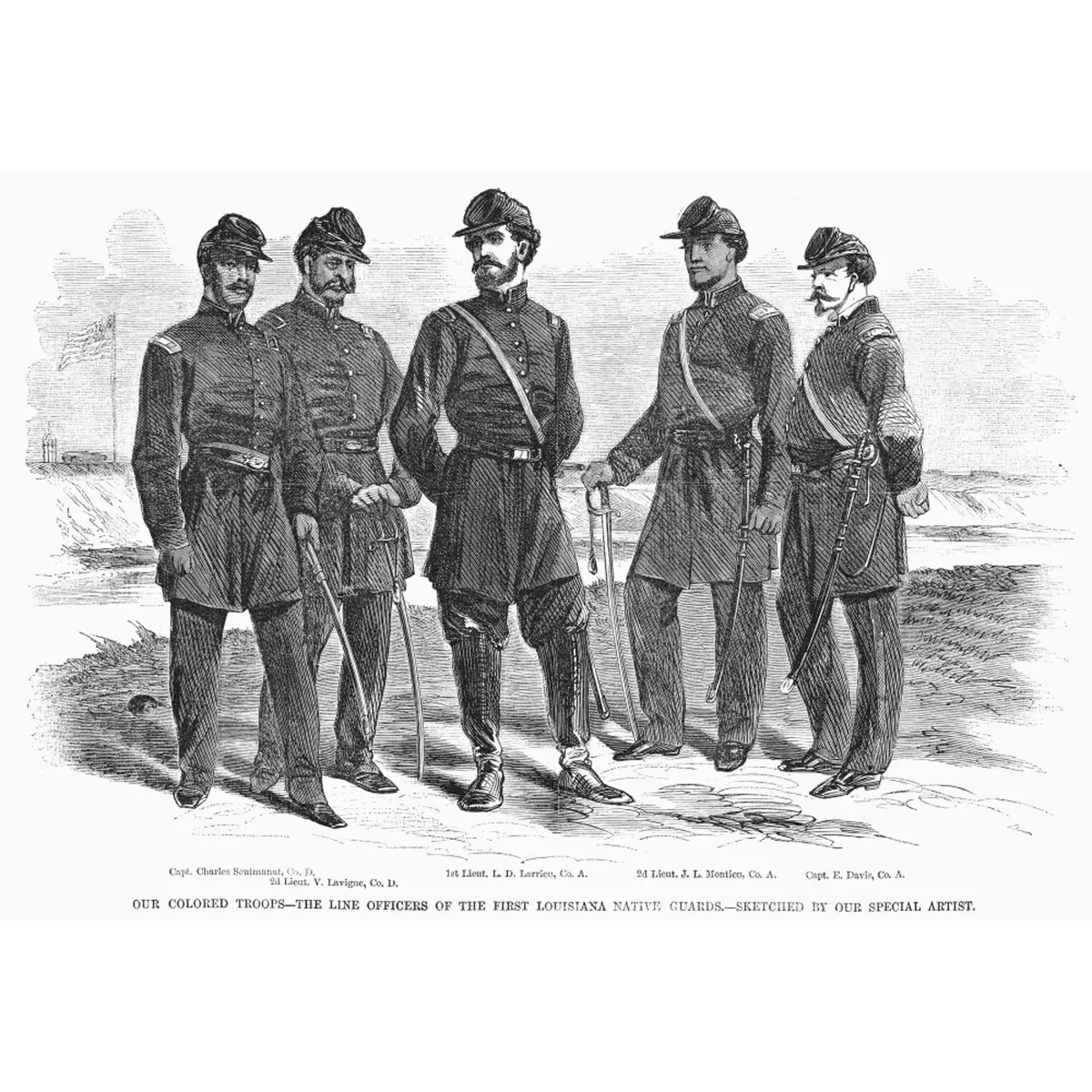
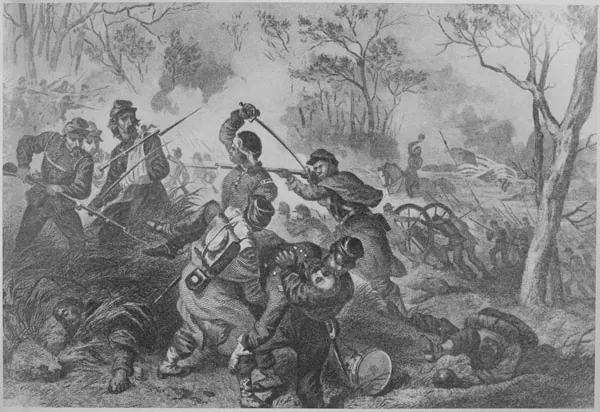
On May 27, 1863, two units of African-American soldiers — the 1st and 3rd Louisiana Native Guards, among the first to serve under African-American field commanders — attacked Confederate batteries at Port Hudson and reached within fifty feet of the guns three times before being repulsed. Out of just over a thousand men deployed, thirty-seven were killed, one hundred fifty-five wounded, one hundred sixteen went missing. The siege they fought in lasted forty-eight days, the longest in American military history, ending July 9 when Confederate General Franklin Gardner surrendered after learning Vicksburg had fallen. The Union held the Mississippi without contest. Back in Baton Rouge, every major building had already been turned into a hospital; the institution that grew from those arrangements became Baton Rouge General, still operating on the Florida Boulevard site. Six miles of earthworks remain at Port Hudson. The ground kept what the record made.
In March 1699, Iberville found a red-stained cypress pole on the bluff above the Mississippi — planted by the Houma and Bayougoula peoples to mark the boundary between their hunting grounds. He called it le bâton rouge and kept moving. The name held through every subsequent claim on the place. The British built Fort New Richmond here after 1763, established Protestant settlers and English common law, and considered their fort impregnable — until September 1779, when Bernardo de Gálvez arrived in a thunderstorm with 1,400 soldiers and took the garrison in 25 minutes. Gálvez then swept through Natchez, Mobile, and Pensacola, eliminating British power from the Gulf South and keeping British forces from outflanking the American Revolution from the west. Congress granted him honorary citizenship in 2014, 228 years after his death. In 1810, American settlers seized the Spanish fort and declared a republic that lasted 79 days before Madison annexed it. The bluff was never anyone's for long.
Huey Long built the tallest state capitol in America in 14 months during the Great Depression, then had a White House replica constructed down the road with a Lincoln Bedroom where he reportedly rehearsed being president. He gerrymandered a judge out of office, and the judge's son-in-law, Dr. Carl Weiss, shot him in a first-floor corridor of that capitol on September 8, 1935. The bullet scar is still in the marble. Long died two days later; 100,000 people came to view his body. He is buried in the sunken garden in front of the building, a twelve-foot bronze statue facing the place where he was killed. Beneath a nearby hotel, the brick tunnel his political machine used to move unseen between the statehouse and the bar is now a speakeasy. Long arranged most of this himself. The rest completed the arrangement for him.
They came from Mount Lebanon between the 1890s and the 1920s, from a region where Ottoman conscription and a collapsing silk economy pushed people to leave. Many landed first in New Orleans and followed the river north. Baton Rouge gave them Mid City — a stretch where Lebanese-owned groceries and restaurants opened and stayed in the same families for generations. The 1924 Immigration Act effectively closed the door, but by then the community had rooted. A century later, Lebanese sits beside Cajun and Creole in the city's food vocabulary; kibbeh and tabbouleh aren't ethnic dining here, just dining. St. George Antiochian Orthodox is the spiritual anchor. Albasha and Serop's are where you eat. It's what staying looks like.
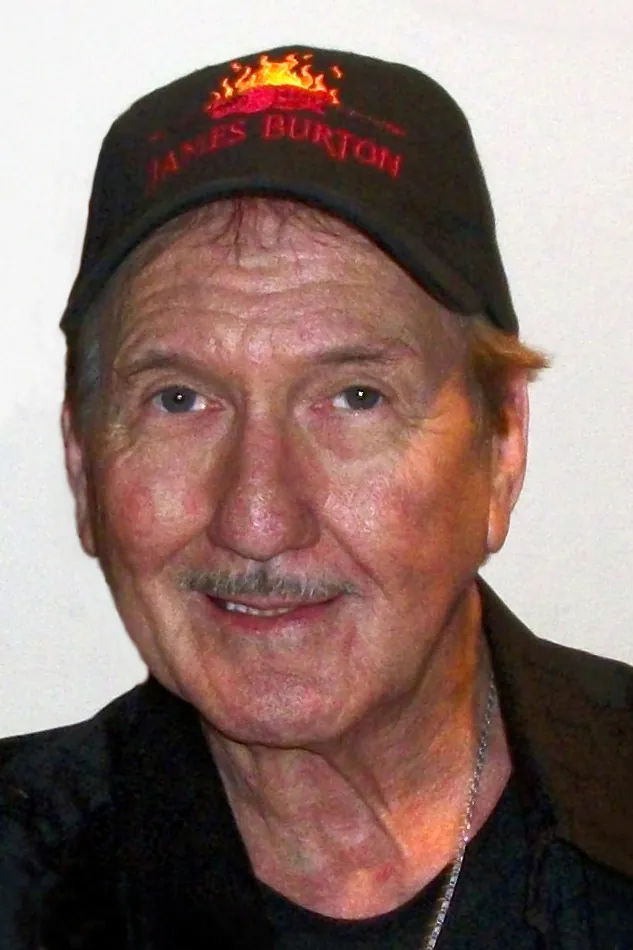
James Burton grew up 30 miles north of Baton Rouge in Dubach, played the Baton Rouge circuit as a teenager, and by 17 was recording Ricky Nelson's hits in Los Angeles. He spent 11 years as Elvis Presley's lead guitarist — the Telecaster figure on every late-period Elvis record and concert. He is in the Rock and Roll Hall of Fame. The swamps and roadhouses south of Ruston are where he learned to play; the Baton Rouge music scene gave him his first audience.
Huey Long built LSU to win football games. What he created was one of the most decorated athletic programs in the history of American college sports. Football gets the headlines — five national championships in 1958, 2003, 2007, 2011, and 2019, with Tiger Stadium regularly ranked the most intimidating venue in the sport. But the full picture is larger. LSU baseball has won six national championships and is considered one of the elite programs in the country; the Alex Box Stadium atmosphere on a postseason night rivals anything Death Valley produces. The gymnastics program has won six national championships and routinely sells out the Pete Maravich Assembly Center for meets. Track and field has produced more Olympic medalists than most countries. Swimming and diving, tennis, beach volleyball — the pattern holds across sports. The athletics department operates like a small professional franchise inside a public university. The revenues fund an academic institution; the championships define a city's identity. On any weekend when LSU has a home event — any sport, any season — Baton Rouge reorganizes itself around it. The Pete Maravich Assembly Center is named for the greatest college basketball player who ever lived. Pistol Pete averaged 44.2 points per game over his LSU career from 1967 to 1970, a record that has never been approached. He grew up in Baton Rouge. His father Press Maravich was the head coach. The building that bears his name now hosts gymnastics meets where 13,000 people watch floor routines with the intensity of a football crowd. That is LSU athletics in one image.
Season 1 of True Detective was filmed almost entirely in the industrial parishes around Baton Rouge — the rusting rigs, chemical plants, flat marshland, and cane fields that stretch north and south of the city. The show brought the aesthetic of South Louisiana's industrial coast to a global audience and made the specific texture of this landscape — neither the bayou romance of tourism brochures nor the Jazz Age glamour of New Orleans — suddenly recognizable worldwide. The production used over 200 locations across the region; the show's visual language is essentially a portrait of Baton Rouge and its surrounding parishes.
James Moore worked the sugarcane fields and loading docks of Baton Rouge before he became Slim Harpo — and then became the most-covered Louisiana bluesman in rock history. The Rolling Stones, the Kinks, and the Grateful Dead all cut his songs. His 1966 'Baby Scratch My Back' hit number one on the R&B chart. He died in Baton Rouge in 1970 at 46, broke, while a generation of British rock stars was getting rich off his catalog. The swamp blues he invented — lazy, hypnotic, built around harmonica and a slow groove — is one of the most distinctive regional sounds in American music, and it came from this city.
Henry Roeland Byrd — Professor Longhair — was raised in Scotlandville before he moved to New Orleans and invented a piano style that became the harmonic DNA of the entire city. Every New Orleans pianist since 1950 plays in his shadow: the rumba-inflected left hand, the bent notes, the syncopated right. He died in 1980; Allen Toussaint, Dr. John, and the Meters all cite him as the source. Baton Rouge gave New Orleans its greatest musician and got almost no credit for it.
Lost places
Happening this month
Tickets & Shows
Before you go
Also in this region
Baton Rouge is one of several areas in Baton Rouge & Plantation Country.
Plan your trip
The only thing left to do is go.
Some of these are partner links — if you book through them, Portage may earn a commission at no extra cost to you.
Plan your visit
Editorial content compiled with AI assistance. Place details verified against public records.