The bayou kept getting added to. French and Spanish made the founding layer, then the German Coast got its name, then Irish hands dug the canals, then Acadians built a country in the swamps, then Sicilians took the Quarter and Lebanese took Mid City, and Vietnamese and Croatian families joined the seafood economy that fed the state. This is the layered version of how Louisiana came to be Louisiana — one stop per wave, in the order they arrived.
The route
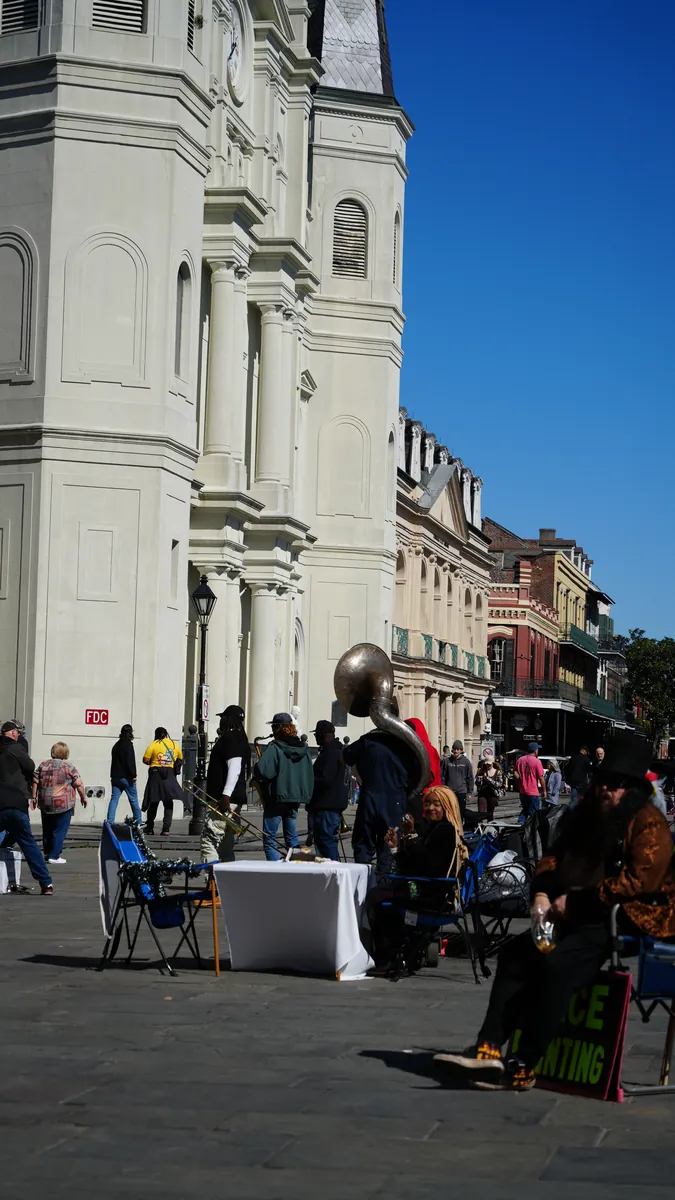 1Historic Site·1718Bienville's Founding Site — Place d'Armes
The city exists because of a portage. Indigenous peoples had used the route for centuries — the short carry between Bayou St. John and the Mississippi that let travelers bypass a hundred miles of river to reach the Gulf. In 1717, Bienville wrote to the Directors of the Company that he had found a crescent bend in the Mississippi, high ground he believed safe from tidal surges and hurricanes, adjacent to that portage. The bayou connected Lake Pontchartrain to the river. Control the portage, control the Mississippi River Valley. Permission was granted. Bienville founded New Orleans in the spring of 1718 and named it La Nouvelle-Orléans for Philippe II, Duke of Orléans, regent of France. The eleven-by-seven block rectangle that Adrien de Pauger drew up in 1721 is the French Quarter. The Place d'Armes, the original military parade ground, became Jackson Square. Stand in Jackson Square and you are standing on Bienville's founding site — the crescent of high ground where the portage met the river, the spot that made New Orleans possible. Free and open daily.
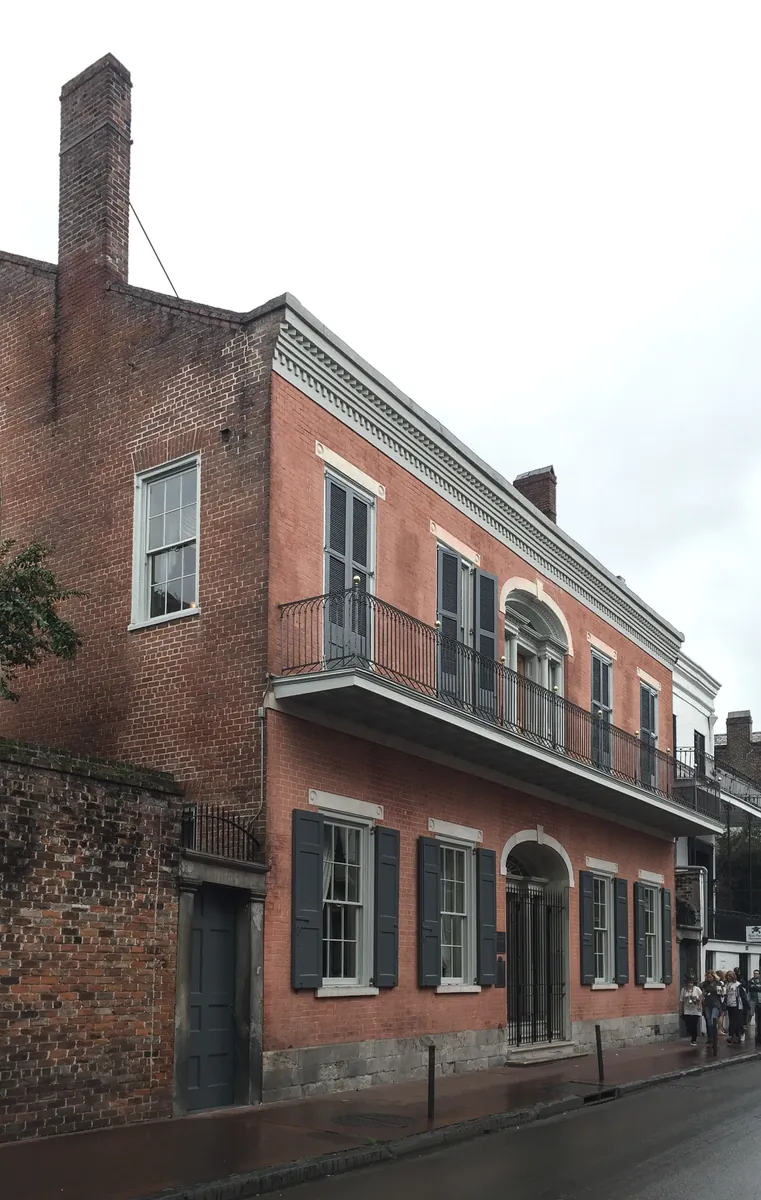 2Museum·1831·NRHPHermann-Grima House
Samuel Hermann immigrated from Rödelheim, Germany, to Louisiana in 1804, settling first on the German Coast upriver from New Orleans. He worked as an agent and broker for plantation owners and merchants, expanding into mortgages, stocks, and real estate. By 1831 he had purchased a lot on St. Louis Street and hired architect William Brand to build a new residence — the only example of American Federal-style architecture in the French Quarter. Brand took the basic Federal form, with its symmetrical facade and wide central hall, and adapted it to the climate. He added balconies and galleries in the French Louisiana style, connecting rooms without interior hallways. The slave quarters were built in the characteristic New Orleans style. When the English cotton market crashed in 1837, triggering a worldwide financial panic, Hermann's fortune was eventually lost. He sold the house to Felix Grima. Grima was a New Orleans-born lawyer, the youngest son of a Maltese immigrant, educated at the Collège d'Orléans. He and his wife Marie Sophie had been living at Bourbon and Toulouse — the future site of the French Opera House — where five of their children were born. They moved into the St. Louis Street house in 1844 with Felix's widowed mother and unmarried sister. Four more children were born here. The Grimas were well-read and cultured; the museum now owns over two thousand books that belonged to them. Mrs. Grima sponsored a St. Louis Cathedral sewing group. Their youngest daughter sang in the choirs at both the Cathedral and St. Augustine Church. The last Grima living in the house sold it in 1921 and moved uptown. The Christian Woman's Exchange purchased the property in 1924 and ran it as a boarding house for single women until 1975. That year it was restored and reopened as a museum. The Woman's Exchange still owns and operates it today. The house was declared a National Historic Landmark in 1974. The open-hearth kitchen — the only extant 1830s open-hearth kitchen in the French Quarter — is the only one in New Orleans where Creole cooking demonstrations using period recipes are still held. The original slave quarters are preserved and interpreted directly on the guided tour. One of the oldest functioning cisterns in the Quarter stands in the courtyard. Tours run hourly.
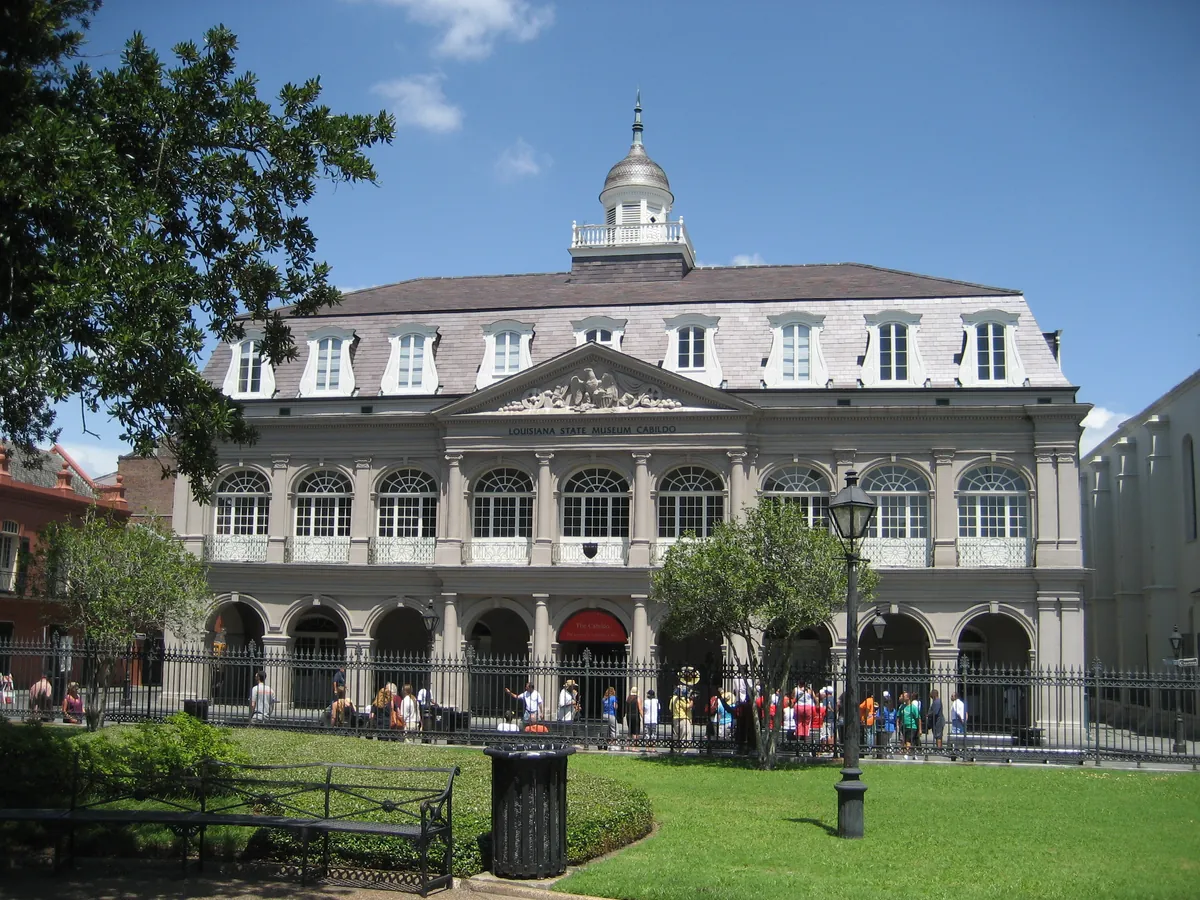 3Museum·1799·NHLThe Cabildo
The sala capitular on the second floor is where the Louisiana Purchase transfer was signed on December 20, 1803. Spanish colonial officials had been using the courtroom for four years — the building went up in 1799 as the seat of the Illustrious Cabildo, the Spanish municipal government. Within a single decade, the hall served under Spanish, French, and American flags. After the transfer, the Louisiana territorial superior court took the courtroom from 1803 to 1812. Between 1868 and 1910, the Louisiana Supreme Court held session in the same sala. The room was the site of Plessy v. Ferguson. By 1895, the building was decaying. The city proposed demolition. Artist William Woodward organized a preservation campaign that succeeded. In 1911, with the state's highest court having vacated, the Cabildo became home to the Louisiana State Museum. Fire gutted the cupola and third floor on May 11, 1988. The $8 million restoration took five years. The museum reopened in 1994, displaying exhibits from colonial settlement through Reconstruction. Napoleon's death mask is on display — one of only four authenticated copies in existence. The building stands along Jackson Square, adjacent to St. Louis Cathedral. In 1960, it was declared a National Historic Landmark. Open Tuesday through Sunday, 10am to 4:30pm. Admission charged; a combo ticket with the Presbytère is available. Three courtrooms across a century and a half. The room where Spanish authority ended. The courtroom that made separate-but-equal constitutional doctrine. The building an artist refused to let the city tear down.
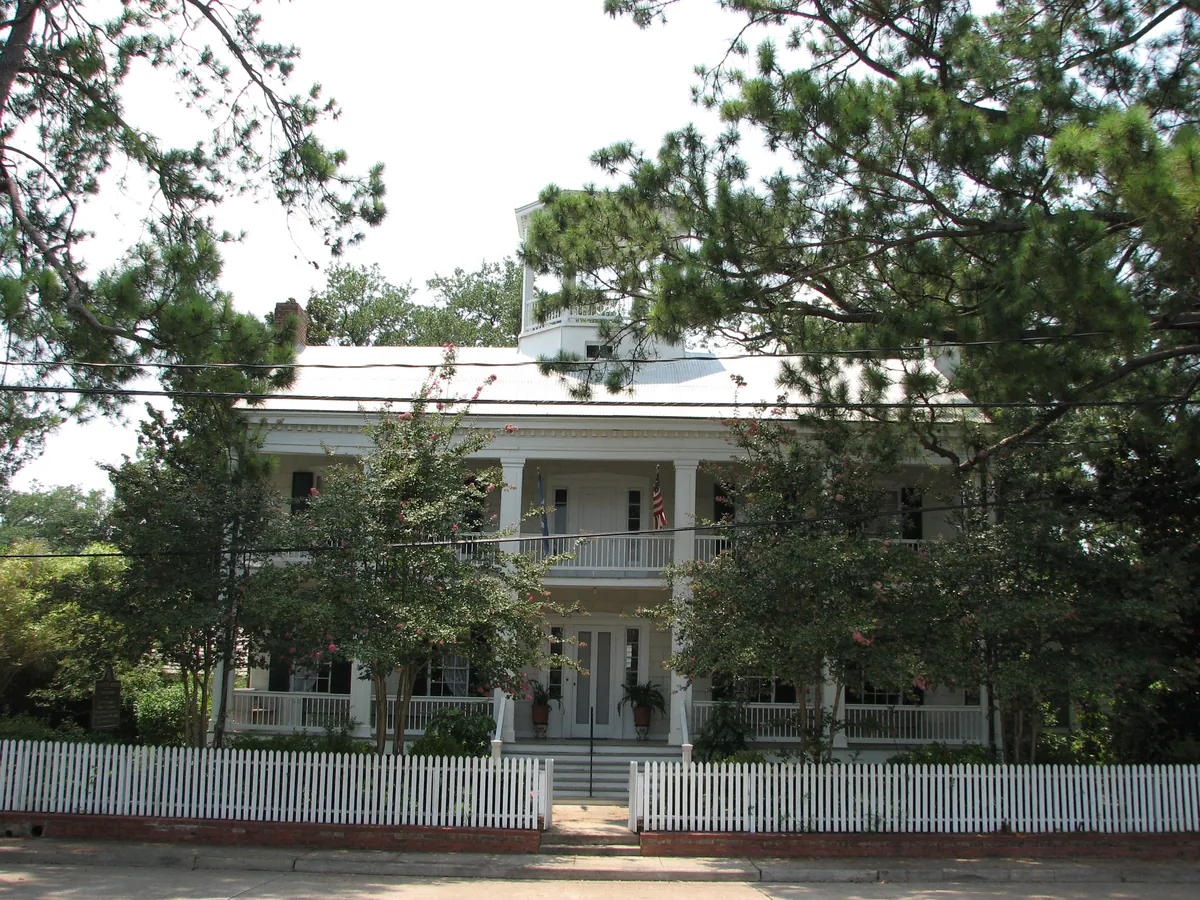 4Cultural Heritage·1821City of Vermilionville
The Vermilion River crossing drew the Old Spanish Trail through here — a trading route older than any European claim to the land. The Attakapa-Ishak, Choctaw, Chitimacha, and Opelousa peoples had inhabited this ground for thousands of years before Acadian settler Jean Mouton donated land for a Catholic chapel in 1821. The settlement that grew around that chapel became the town, first called Vermilionville. In 1823, Mouton donated land again — this time for a courthouse — and Lafayette Parish was created. The name Vermilionville held until 1884, when the town was renamed for the Marquis de Lafayette. The Southern Pacific Railroad arrived in the 1880s and transformed the bayou village into a commercial hub. What you're standing in now is the heart of what Louisiana officially recognized in 1971 as Acadiana — 22 parishes where French Acadian refugees from Canada, expelled by the British after the Seven Years' War, settled and intermarried with other cultures to form what became Cajun country. The term "Acadiana" itself was a 1946 newspaper coinage, later popularized by a Lafayette television station in the early 1960s when an invoice misspelled "Acadian" with an extra "a." The name stuck because it named something real: the French Louisiana region that had been here all along. This crossing matters because Lafayette grew where routes converged — the river, the trail, the railroad, the chapel. The convergence is still legible in the streets.
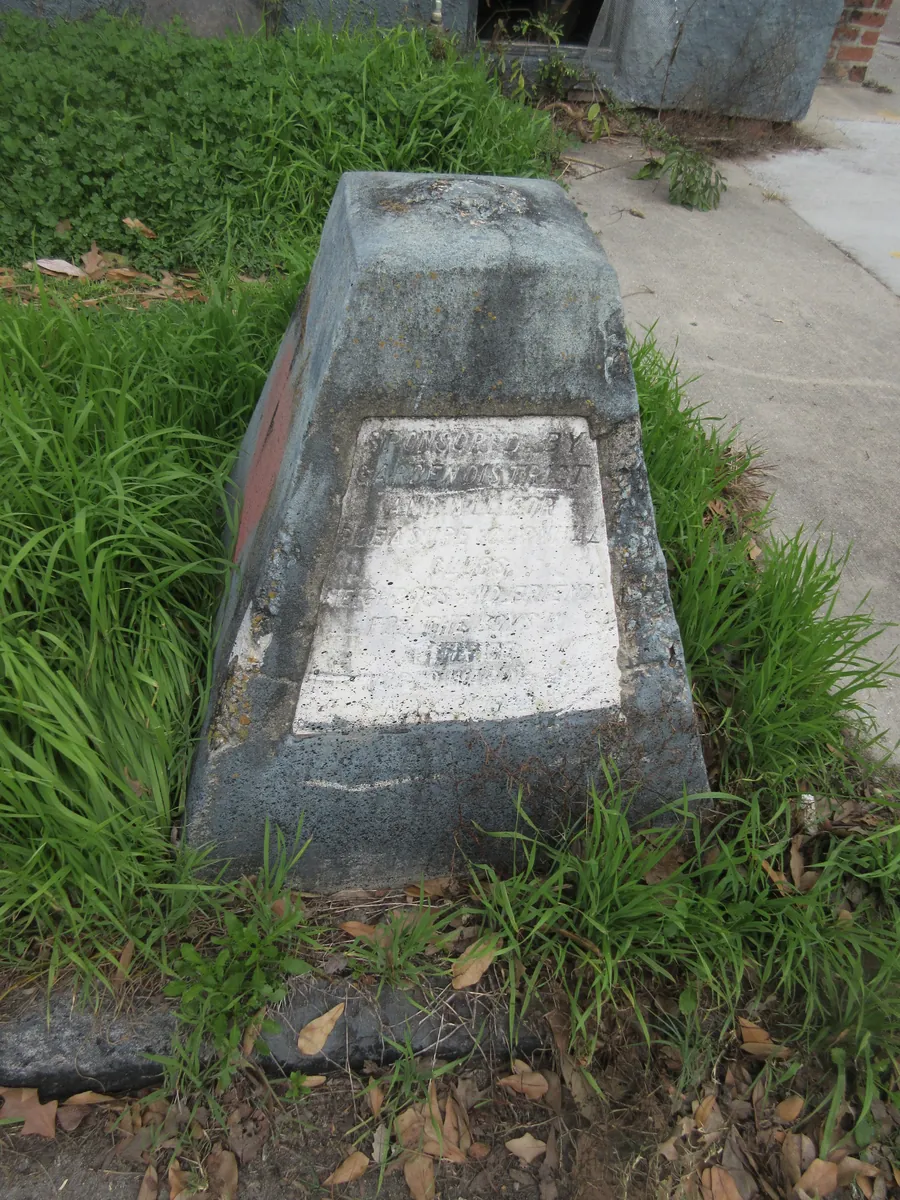 5Cultural Heritage·1840sIrish Channel — The Neighborhood the Famine Built
The men who dug the New Basin Canal in the 1840s came from Ireland because the Famine left them no choice. Many died in the work. The ones who survived built houses along the river side of Magazine Street — the narrow grid that became the Irish Channel. New Orleans was already the largest port in the South by then, exporting cotton and farm products to Europe and New England. The Irish who stayed worked the docks, the warehouses, the trades that kept cargo moving. The neighborhood they made was theirs for a century — working-class, Catholic, tight. Parasol's on Constance Street still makes the roast beef po-boy. The St. Patrick's Day parade held here the Saturday before March 17 is the biggest in the South. The shotgun houses are still standing. What changed is who lives in them now, but the grid itself hasn't moved.
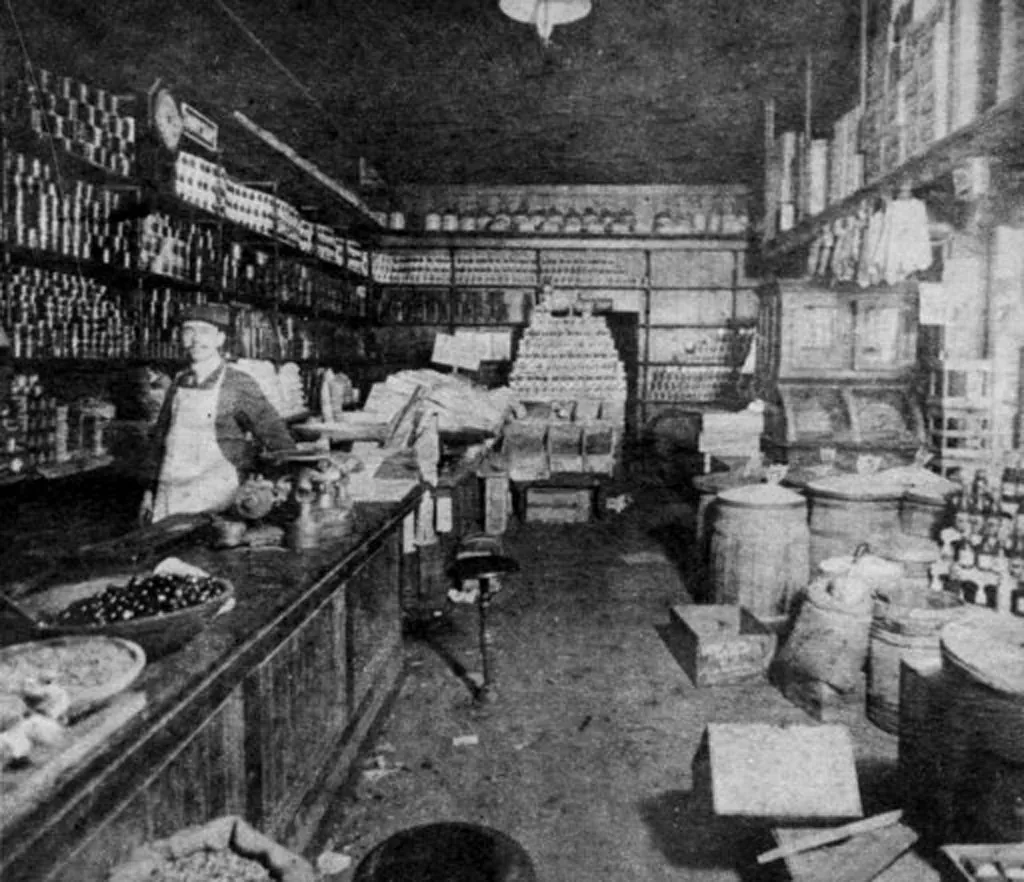 6Food & Drink·1906Central Grocery — Muffuletta Origin
A Sicilian immigrant named Salvatore Lupo watched Italian dock workers juggle their lunch — bread in one hand, cold cuts in another, cheese and olive salad balanced somewhere in between. In 1906, he stacked it all on a round sesame loaf. The muffuletta was born at 923 Decatur Street, in a French Quarter that was still a residential neighborhood of family groceries, not yet the tourist district it would become. The sandwich is ten inches across and weighs two pounds. It feeds two. Central Grocery has sold them for over a century, first under Lupo, then his son-in-law Frank Tusa from 1946, and now under Salvatore's grandson Salvador T. Tusa and two cousins. The store still sells the ingredients by the jar — olive salad, Italian and Creole delicacies, and perennial oddities in the front windows like chocolate-covered grasshoppers and bees in soy sauce. Much of the old-world market feel survived the shift from neighborhood staple to national television feature. Hurricane Ida damaged the roof in August 2021. Hurricane Nicholas made it worse. After substantial rebuilding, Central Grocery reopened at the original location in December 2024. Check current hours — the recovery may still affect operations. This is the city's most important contribution to American deli culture, and it's still here.
- 7Cultural Heritage·c. 1890s–presentLebanese Baton Rouge — The South's Largest Community
Baton Rouge is a city of six flags and four rivers, settled and resettled by people who made a new center out of what they carried. The Lebanese who arrived beginning in the 1890s — part of a wave from Greater Syria — did what others before them had done: they built commerce, raised children, and folded their tables into the city's everyday life. Mid City became the heart of that presence, and Lebanese-owned businesses have operated there continuously for over a century. What makes Baton Rouge unusual is how completely Lebanese food has woven itself into the local palate. It's not ethnic dining; it's just dining. Albasha, Serop's, and a dozen other family-owned restaurants represent multiple generations, and Lebanese sits alongside Cajun and Creole as a foundational thread in the city's food culture. The cooking is specific to families — kibbeh, tabbouleh, kafta — but the fact that it's unremarkable to locals tells you something about how long the tables have been set. St. George Antiochian Orthodox Church is the community's spiritual anchor and hosts an annual Lebanese Food Festival. But the best introduction is to eat. Albasha is on Government Street. Serop's is on Perkins Road. Walk in, order, and recognize that what's on the plate has been part of this city longer than the petrochemical plants, longer than LSU's current campus, longer than the interstate. It's what staying looks like.
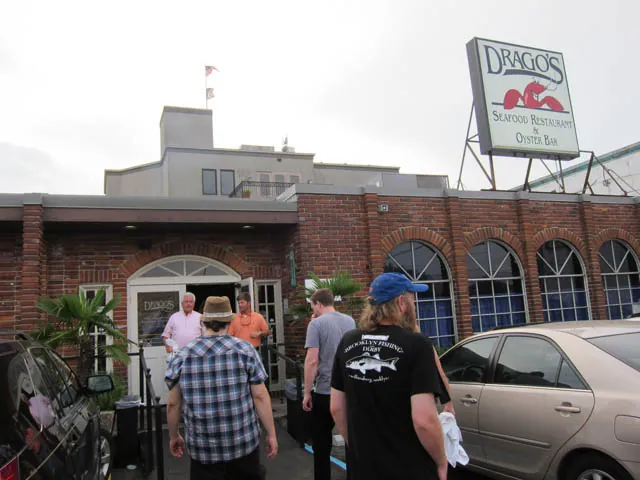 8Food & Drink·1969–presentDrago's Seafood Restaurant
A Croatian immigrant named Drago Cvitanovich opened a restaurant in Fat City in 1969 and invented the charbroiled oyster. The recipe: butter, garlic, Parmesan, and a screaming hot grill. The dish is now copied across Louisiana. New Orleans was the largest port in the Southern United States throughout the 19th century, built on the labor of exporting cotton and farm products to Europe and New England. The city's wealth came from moving what grew inland out to the world. Drago's belongs to a different tradition — the one that feeds the people who stayed. Fat City, out in Metairie, was never the tourist corridor. The original location is still the flagship. It seats more than 300 and still packs a wait on weekends. A second location opened in the New Orleans Hilton Riverside. The Cvitanovich family continues to operate both. The restaurant is consistently ranked among the best seafood restaurants in the region. Go for the oysters. They come off the grill blistered and smoky, the butter still crackling in the shell. Order a dozen. Then order another dozen.
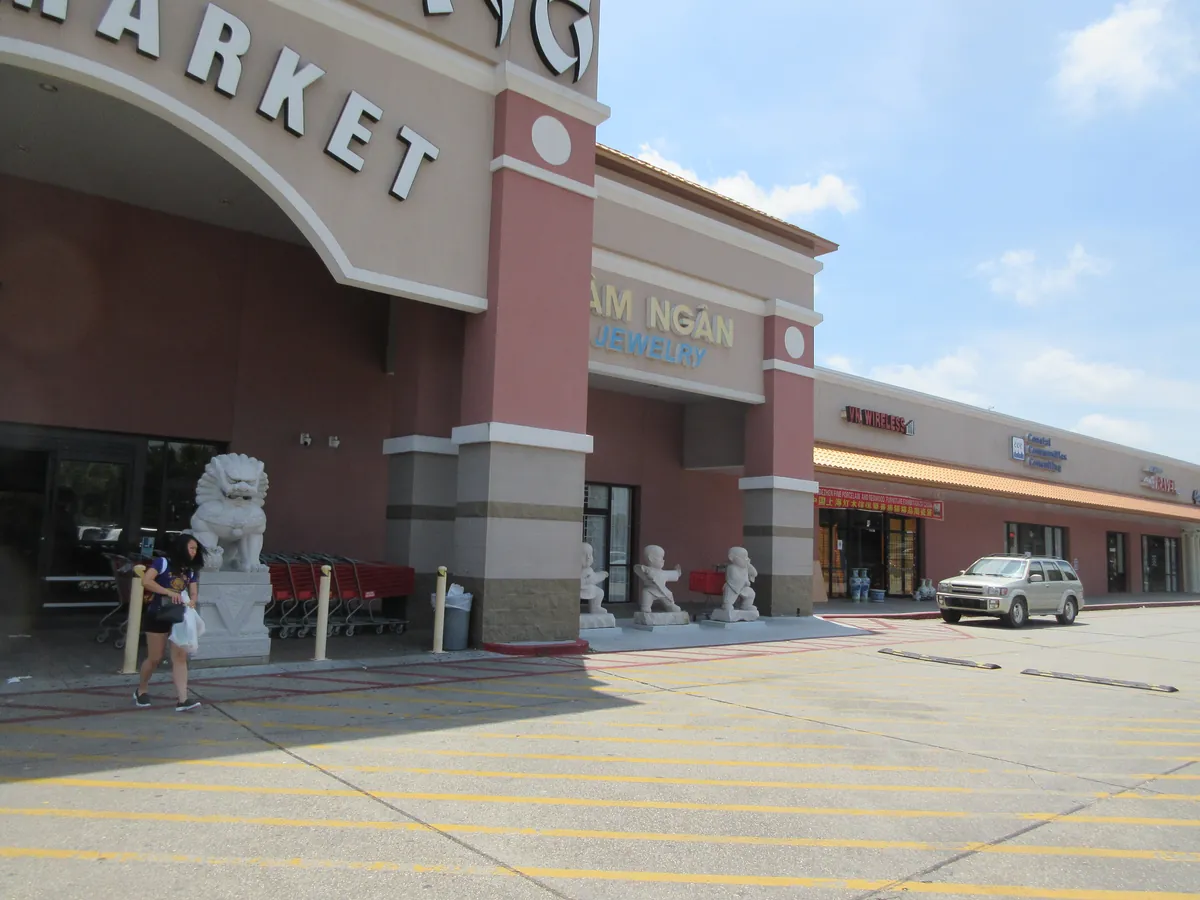 9Food & Drink·1980s–presentHong Kong Market
The largest produce department in Louisiana sits on Behrman Highway in Gretna, 45,000 square feet of commercial space built by Vietnamese families who arrived after 1975 and needed ingredients the existing food economy didn't carry. Hong Kong Market anchors the West Bank Vietnamese community the way a church anchors a congregation—it's where the supply chain starts, where mothers argue over fish and teenagers translate labels for grandparents who still shop in metric. Southeast Asian and Creole ingredients share the same aisles because the communities share the same swamp. Lemongrass and filé powder. Fish sauce and Zatarain's. The cart that holds both holds the actual story of this city—not fusion as a chef's concept, but fusion as what happens when two refugee populations cook in the same heat. The families who built this market expanded it multiple times to meet demand, each addition a measure of how many people needed what only they sold. Go early. The best produce moves fast, and this is where restaurant kitchens compete with home cooks over the same galangal. Open daily, no days off, because a food system that supports two culinary traditions doesn't get weekends.