Between the capitol and the campus is the Baton Rouge that actually goes home at night. Government Street runs five miles of bungalows, ranches, and Tudor cottages laid down between 1900 and 1960 — the city's growth ring, readable porch by porch. The LSU Lakes started as a 1930s drainage project and turned into 400 acres where students still feed the ducks at dusk. Bluebonnet Swamp preserves 103 acres of cypress-tupelo bottomland that covered all of this before the streets did. The Garden District is what Baton Rouge built when no one was watching.
The route
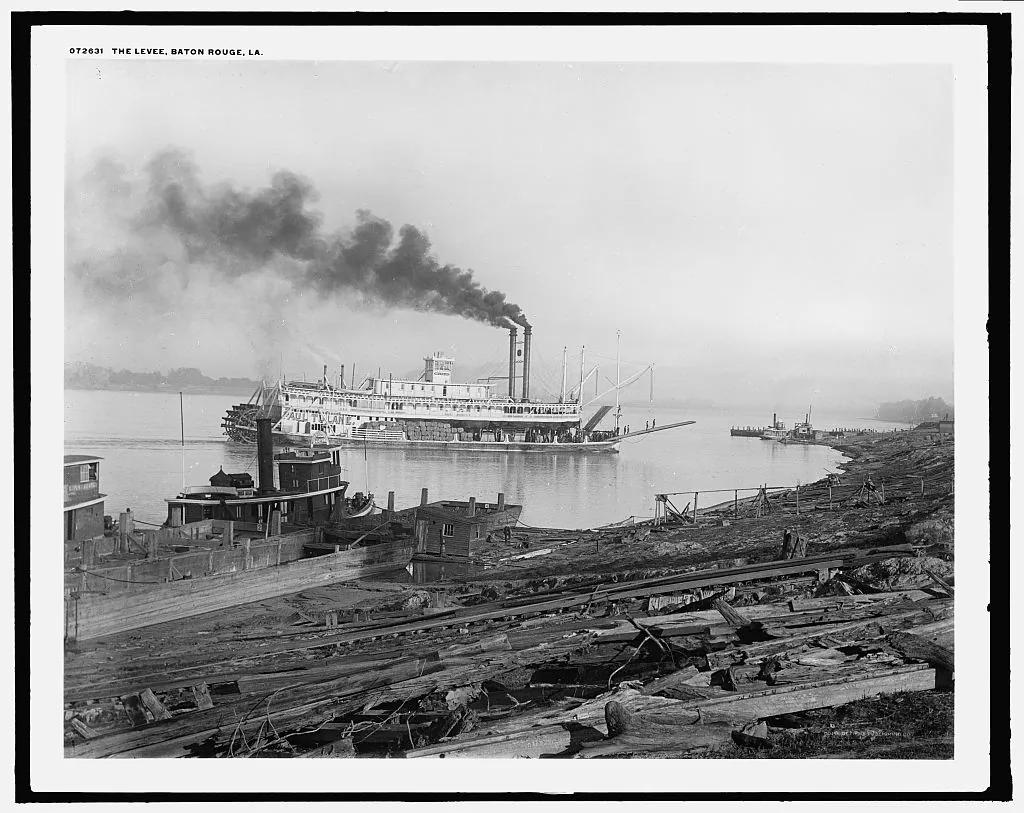 1Architecture·1900Government Street Corridor
A five-mile transect through American taste: Government Street runs from downtown Baton Rouge to the LSU lakes, carrying the residential styles of a century. Late Victorian gives way to Craftsman, then Colonial Revival, then Mid-Century Modern as the corridor stretches south through the Garden District — each shift marking the city's expansion outward from the old French and Spanish core on the river bluffs. It's the most complete outdoor museum of domestic architecture in Baton Rouge, best taken slowly by car or bike, with free street parking throughout. The corridor has recently drawn a wave of new restaurants and independent shops, turning the residential spine into something else: a district that still lives in its houses while feeding the people who come to look at them. The street is long enough that you can watch taste itself move through time, house by house, porch by porch, reading what each generation wanted home to look like.
 2Family & Kids·2016Knock Knock Children's Museum
One of the few children's museums in the country built around a specific regional identity, Knock Knock opened in 2016 on Government Street in a city whose own name translates from the French *bâton rouge* — the red pole French explorers saw in 1699 marking the boundary between Houma and Bayagoula hunting grounds. That specificity runs through the galleries: kids crawl through a cypress swamp, work a shrimp boat, and explore a bayou indoors. The exhibits anchor Louisiana's ecology, culture, and industries — not generic STEM programming, but the working landscape that shaped the state. The museum anchors the cultural corridor on the south end of Government Street. It's built for ages 0–10, open Wednesday through Sunday, admission charged. Bring kids who want to touch the region they live in.
 3Nature & ParksIndependence Park — City Park Lakes
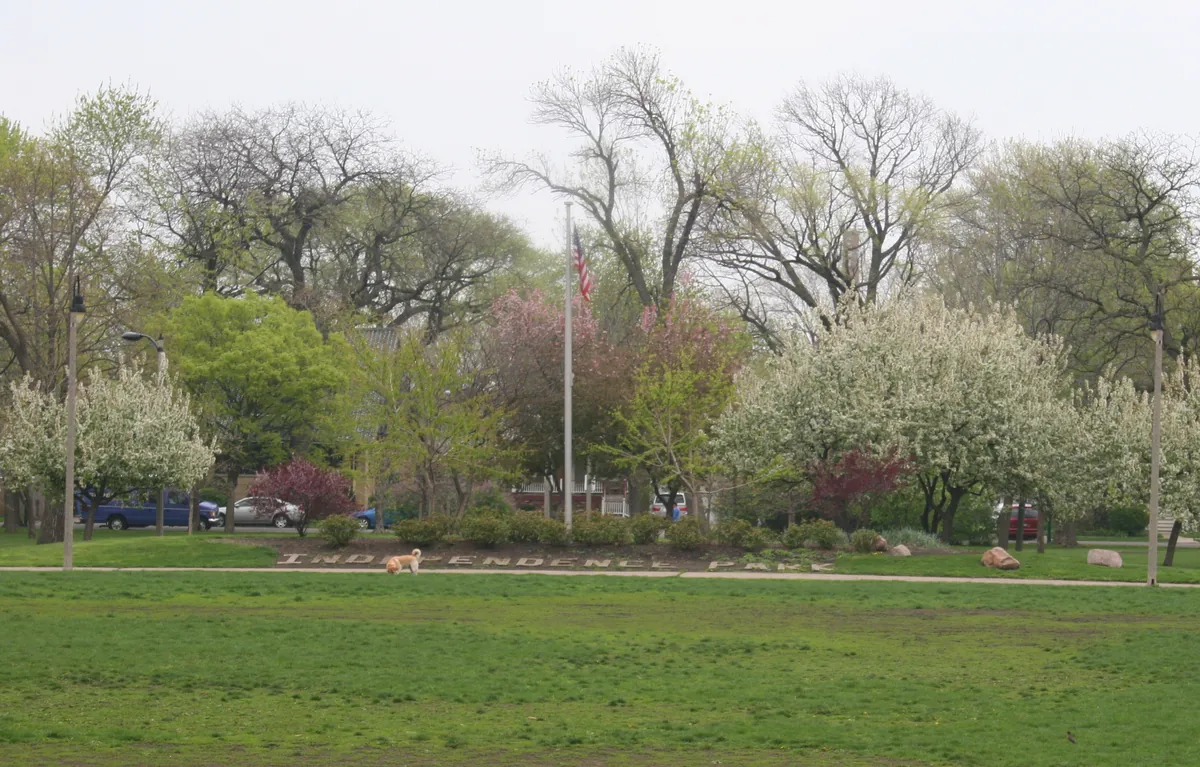
Four artificial lakes dug in the 1920s to drain the city's growing south end now anchor 400 acres where Baton Rouge actually goes outside. The levee paths loop roughly six miles around interconnected water, and on any given afternoon the mix is joggers, fishing poles, crawfish traps, and lawn chairs claiming the same dirt. It's the most democratic outdoor space in the city—no admission, no gate, just lake. The water defines the Garden District and the neighborhoods that grew up around it. People walk, run, fish, and watch. The lakes do what good infrastructure does: they solved a problem and then became something larger than the problem. Free and open daily.
 4Nature & ParksBluebonnet Swamp Nature Park
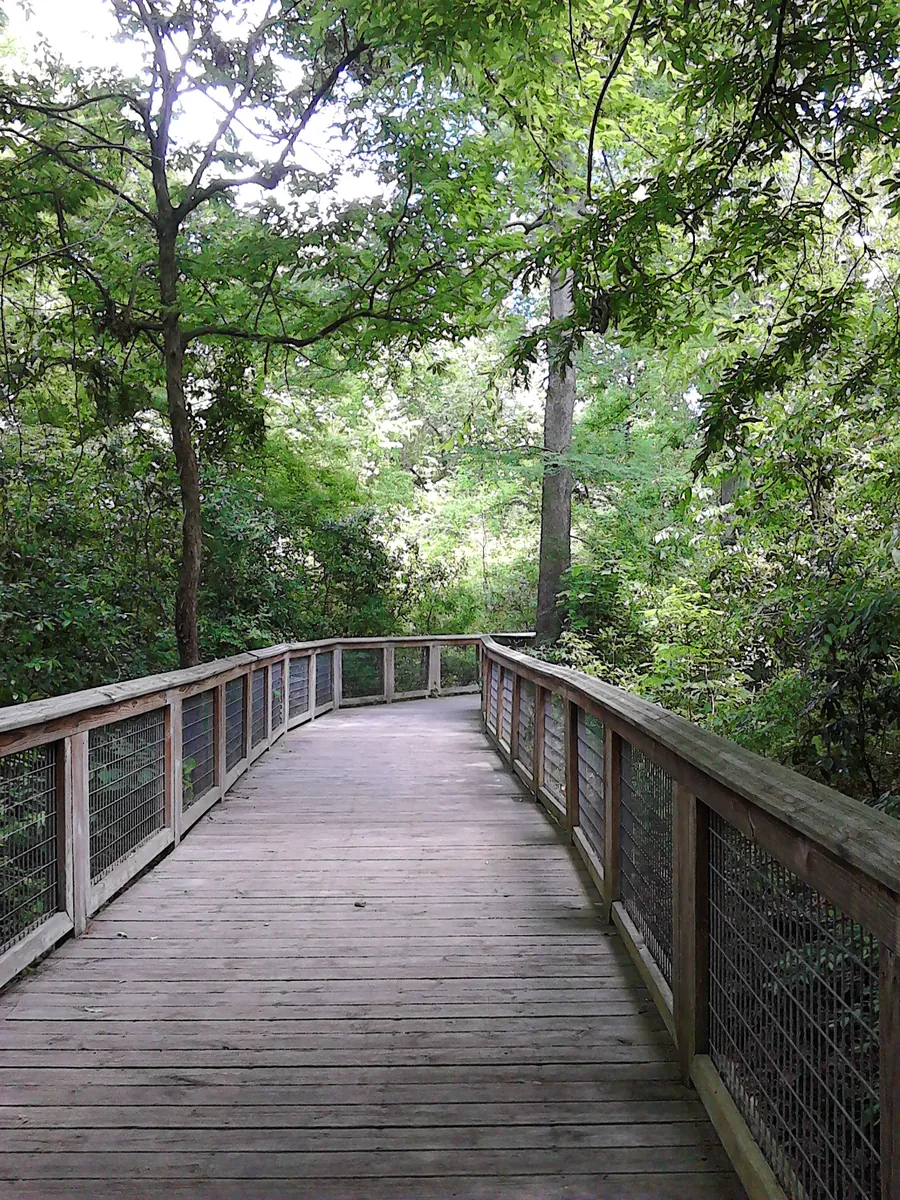
When French explorer Sieur d'Iberville's party came upriver in 1699, they saw a red pole marking the boundary between Houma and Bayagoula hunting grounds. The landscape that once covered most of southern Louisiana was baldcypress-tupelo swamp. At Bluebonnet Swamp Nature Center, 103 acres of that old-growth swamp survive inside the city limits. Boardwalks thread through standing water and Spanish moss. Alligators, wood ducks, and barred owls live here. Raccoons, armadillos, opossums, and swamp cottontails move through. Foxes, coyotes, deer, and otters visit. Suburban sprawl on Bluebonnet Road is audible but invisible beyond the treeline. The facility opened May 17, 1997, as the first nature conservation park administered by the Recreation and Park Commission for the Parish of East Baton Rouge. The main exhibit building is 9,500 square feet and contains live animal exhibits, photographic displays of the park's flora and fauna, and the largest public display of vintage Louisiana duck decoys, donated by the late Charles W. Frank, Jr. Since March 2010, the site has served as the premiere research station for the Louisiana Bird Observatory. Thousands of birds have been banded, largely by Louisiana State University undergraduate and graduate students conducting research projects. Publications based on that work include examinations of indigo bunting moulting patterns and barred owl foraging behavior. Monthly bird walks and bird talks run throughout the year. Special events include "Rockin' at the Swamp" every March, "Duck Duck Goose Day" every August, and "Swamp Haunted Hikes" every October. The boardwalk loop is about one mile. Open Tuesday through Saturday from 9 a.m. to 5 p.m., and Sunday from noon to 5 p.m. Small admission fee.
 5Nature & ParksHighland Road Park
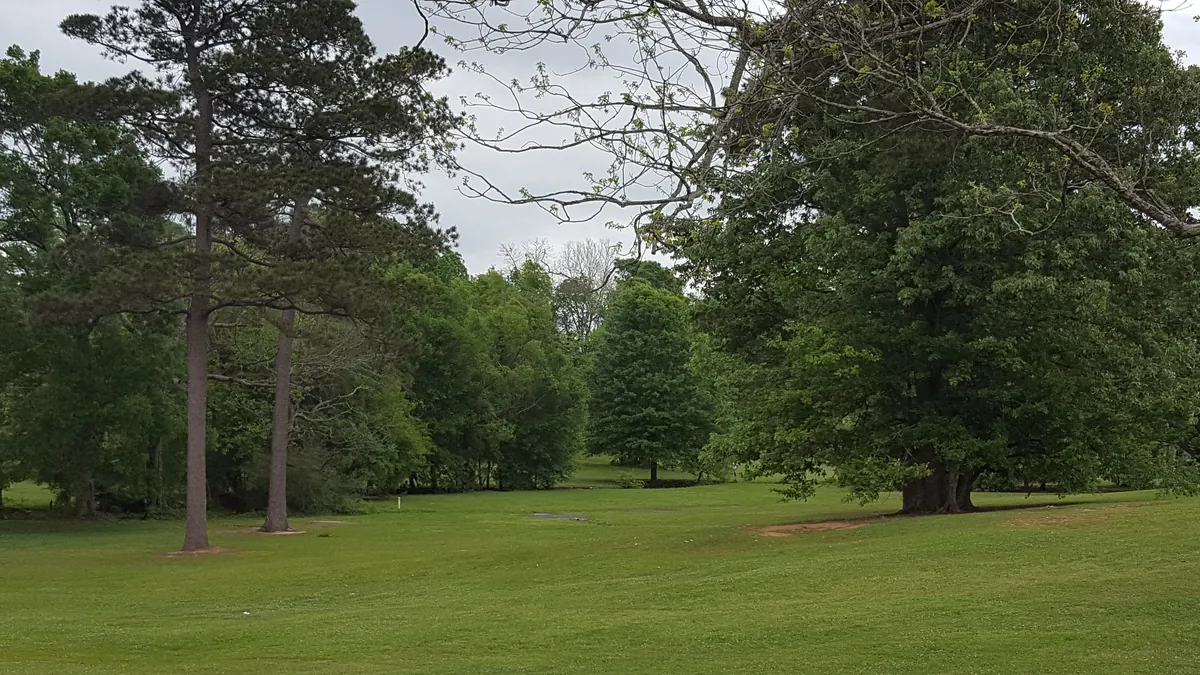
One hundred forty-four point four acres of rolling hills south of LSU offer the kind of municipal park infrastructure that makes people who grew up here realize not every city does this. Baseball diamonds, tennis courts, a splash pad, a disc golf course, a boat launch to Bayou Fountain and Bayou Manchac, rugby and soccer fields, an indoor gymnasium, and a walking path — all owned and operated by BREC, the Recreation and Park Commission for the Parish of East Baton Rouge, which runs 186 parks covering more than 5,300 acres. Entry is free. Open daily. The LSU Tigers and Lady Tigers cross country teams run their home course here. LHSAA cross country races are held on the same ground. The Highland Park Tennis Association, founded in 1976, hosts round robin events every Saturday morning that draw an average of 75 players of all levels for doubles tennis. The Baton Rouge Rugby Football Club field sits in the northern section next to the recreation center, which offers rooms for events. The Highland Road Park Observatory stands on the south side of the park, sponsored by BREC, the LSU Department of Physics and Astronomy, and the Baton Rouge Astronomical Society. Public viewing nights are scheduled — check the Baton Rouge Astronomical Society website for dates. The telescope and the Saturday tennis games both draw locals who keep returning, but the viewing nights are the draw if you're passing through once.