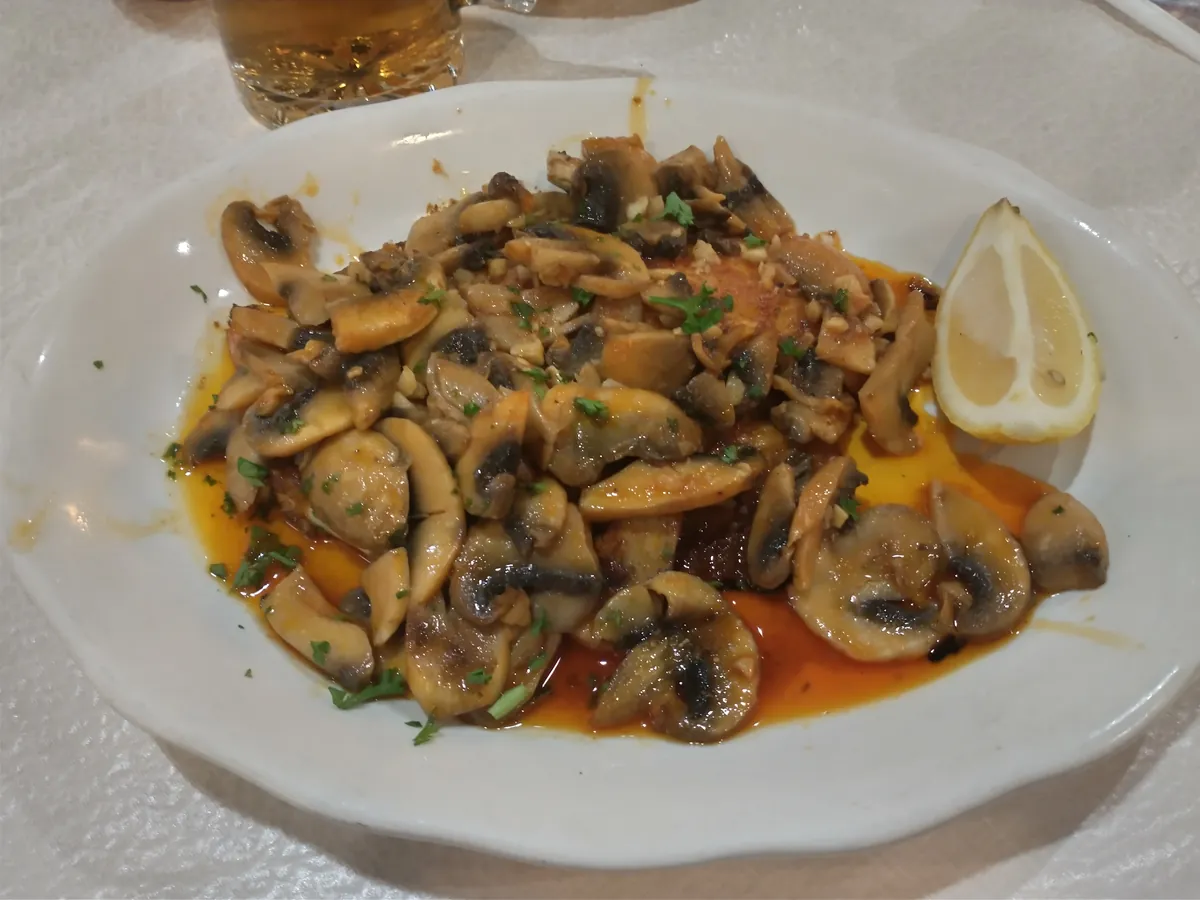
They came from Mount Lebanon between the 1890s and the 1920s, from a region where Ottoman conscription and a collapsing silk economy pushed people to leave. Many landed first in New Orleans and followed the river north. Baton Rouge gave them Mid City — a stretch where Lebanese-owned groceries and restaurants opened and stayed in the same families for generations. The 1924 Immigration Act effectively closed the door, but by then the community had rooted. A century later, Lebanese sits beside Cajun and Creole in the city's food vocabulary; kibbeh and tabbouleh aren't ethnic dining here, just dining. St. George Antiochian Orthodox is the spiritual anchor. Albasha and Serop's are where you eat. It's what staying looks like.
Related places
Memories
Be the first to leave a memory at The Lebanese Arrival — How Baton Rouge Built One of the South's Largest Communities.
Sign in to see memories your family has left at this place.