Huey Long wanted a football school and accidentally funded one of the most influential literary scenes in the 20th-century South. Robert Penn Warren taught at LSU from 1934 to 1942 and wrote All the King's Men about the man signing his paycheck; he and Cleanth Brooks founded The Southern Review in 1935. The Shaw Center, the 1925 Illinois Central depot turned art and science museum, the Varsity Theatre, and Burden's 440 acres are what survived the ambition. The Pulitzer was the unintended consequence.
The route
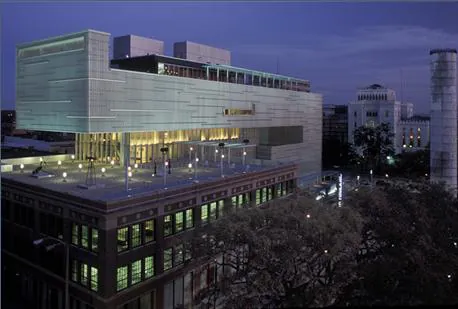 1Art·2005Shaw Center for the Arts
Schwartz/Silver Architects of Boston wrapped 125,000 square feet in translucent channel glass manufactured by Glasfabrik Lamberts in Germany. The material does what glass isn't supposed to do — it diffuses light instead of framing it. The building opened in 2005 at 100 Lafayette Street, won the AIA Gulf States Honor Award that same year, and earned the National AIA Honor Award in 2008. Inside are the LSU Museum of Art, which holds the largest assemblage of Newcomb Pottery in the United States; the 325-seat Manship Theatre, used for concerts, theater, musicals, dance recitals, and film; the LSU School of Art Glassell Gallery; and classrooms. A rooftop terrace offers one of the best views of the State Capitol and the downtown skyline. The Shaw Group, the Manship families, the Pennington families, and Lamar Advertising — based in Baton Rouge — were major donors. Public funding covered the rest. The Shaw Center was part of the Third Street cultural corridor revival that reshaped downtown in the 2000s. It serves as the cultural hinge between the LSU campus and downtown. The museum hours vary; check the LSU Museum of Art schedule before you go.
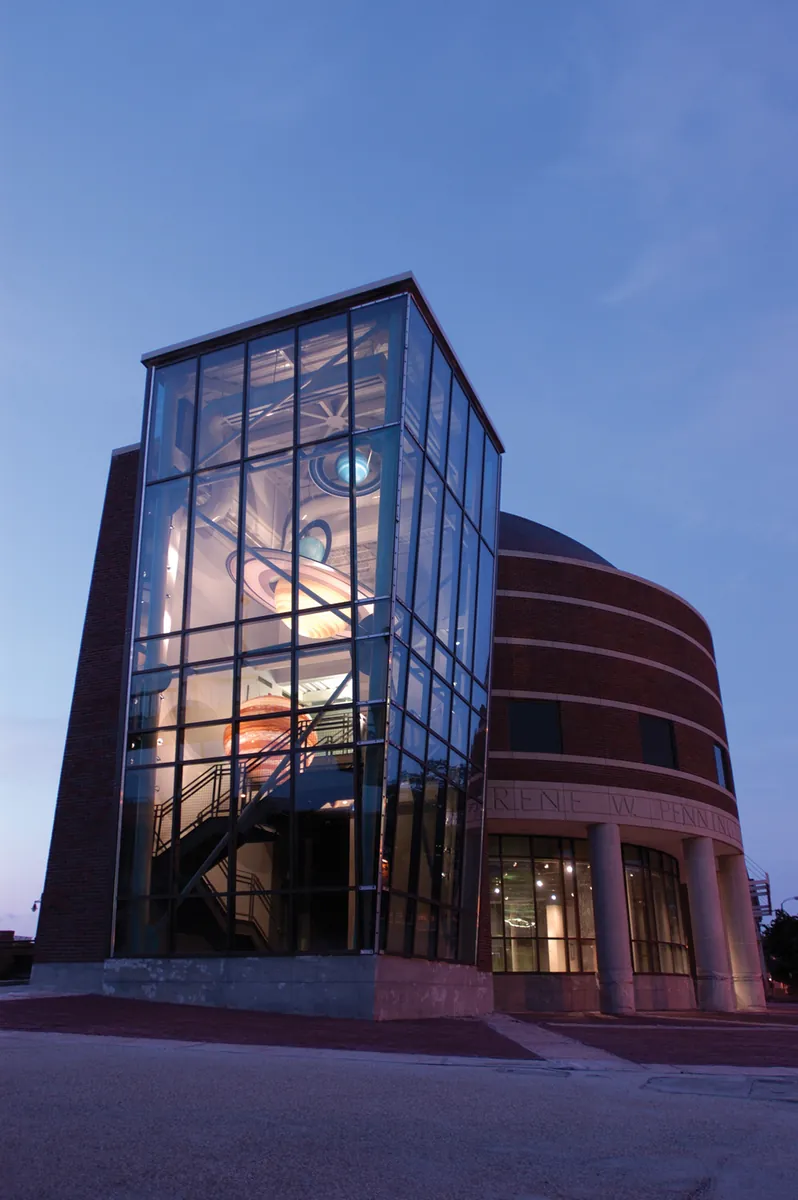 2Art·1925Louisiana Art & Science Museum
The Spanish Mission Revival tower rising above the downtown riverfront once marked the most active freight terminus on the lower Mississippi. That was 1925, when the Illinois Central Railroad built this depot. In 1976, the Louisiana Art & Science Museum moved in. The name of the city comes from a red pole the French saw in 1699, marking the boundary between Houma and Bayagoula hunting grounds. The carpenter traveling with d'Iberville wrote that the Choctaw term was *iti humma*, "red pole." The French called it *le bâton rouge*. The pole was presumably at Scott's Bluff, now the campus of Southern University. French colonists established a military post here in 1721. This became the capital in 1849. Inside the depot: an Egyptian mummy. Rotating science exhibits. Next door, the Irene W. Pennington Planetarium is the largest in Louisiana. Open Tuesday through Saturday. Admission charged. Planetarium shows run at set times.
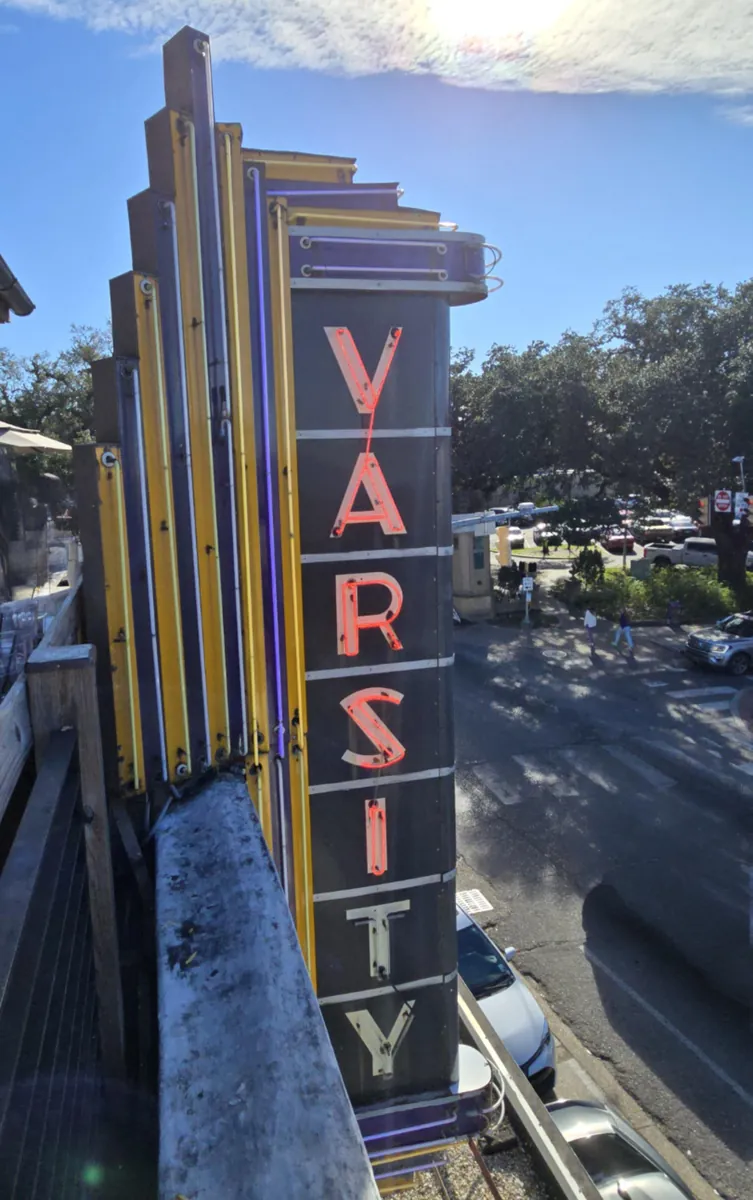 3Music·1940Varsity Theatre
A 1940s movie theater on Highland Road that now does what movie theaters used to do before streaming killed the midweek outing: it gets people out of the house. The Varsity books regional and national acts in a standing-room format that keeps the crowd close to the stage, and the original marquee still announces what's on, though the sound system has been upgraded since the projector days. This is the live music anchor of the LSU corridor, where Baton Rouge goes to see a show on a Tuesday — not just Friday, not just when a headliner rolls through, but on a school night when you need to remember that live sound in a room full of strangers is still worth the effort. Check the schedule online. Tickets are available at the door or in advance.
 4Literary·1934Robert Penn Warren — All the King's Men
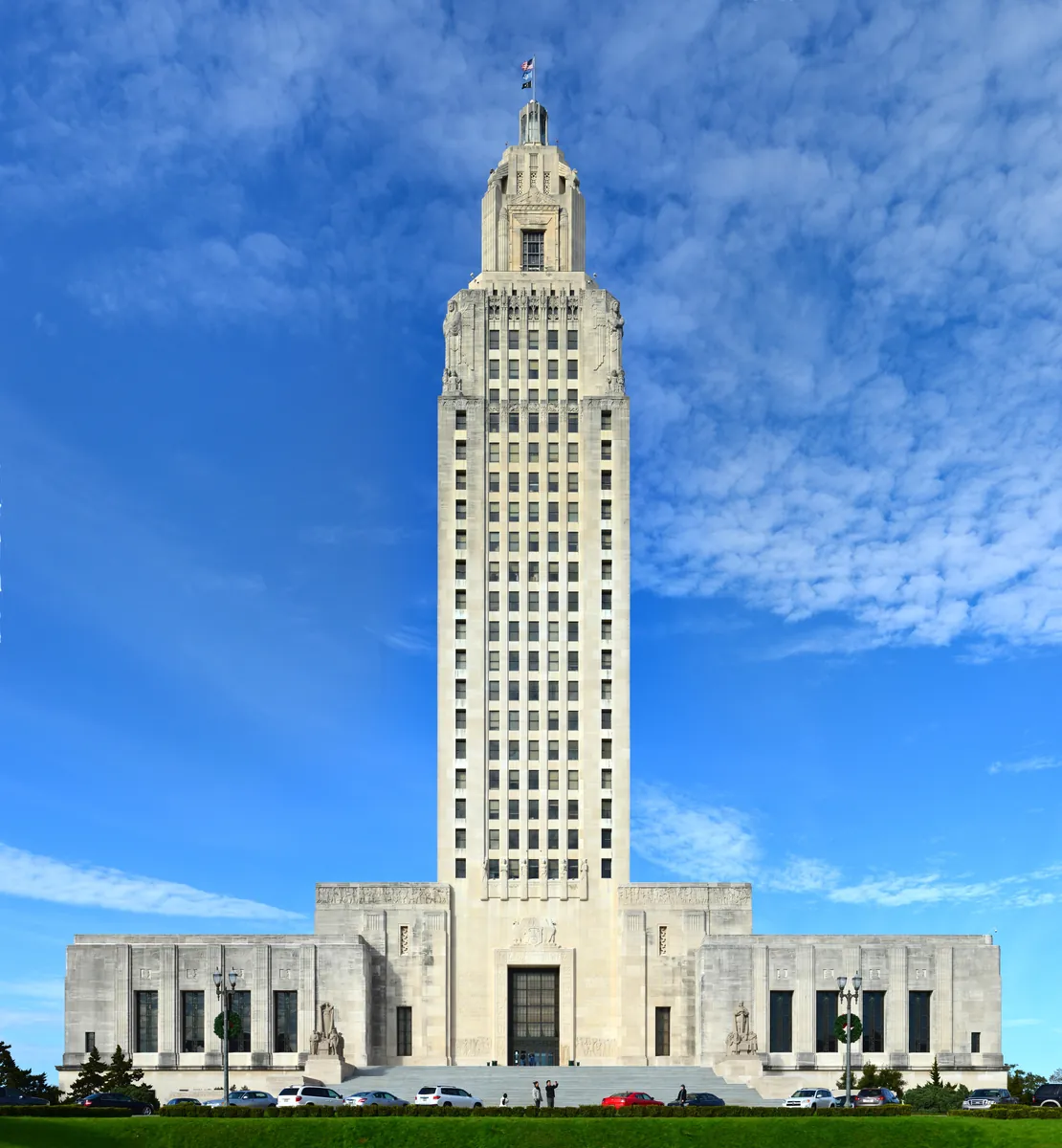
Robert Penn Warren taught at LSU from 1934 to 1942, the years Huey Long's presence defined Louisiana politics, and wrote *All the King's Men* in the shadow of Long's capitol. The novel won the Pulitzer Prize in 1947 and is widely considered the greatest American political novel. Willie Stark is a thinly veiled Huey Long, and the capitol hallways Warren walked are the ones you can visit today. Warren co-founded *The Southern Review* at LSU during this period, still one of the most important literary journals in America. The Hill Memorial Library on campus holds Warren's papers and first editions—the archive of a writer who turned Louisiana's formative political catastrophe into American literature's most searching interrogation of power and complicity.
 5Nature & ParksBurden Museum & Gardens
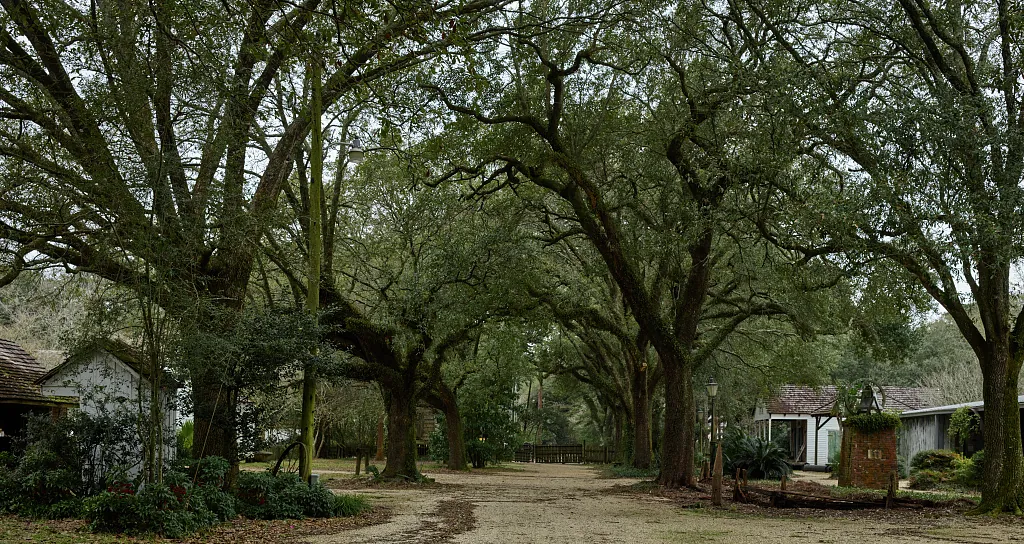
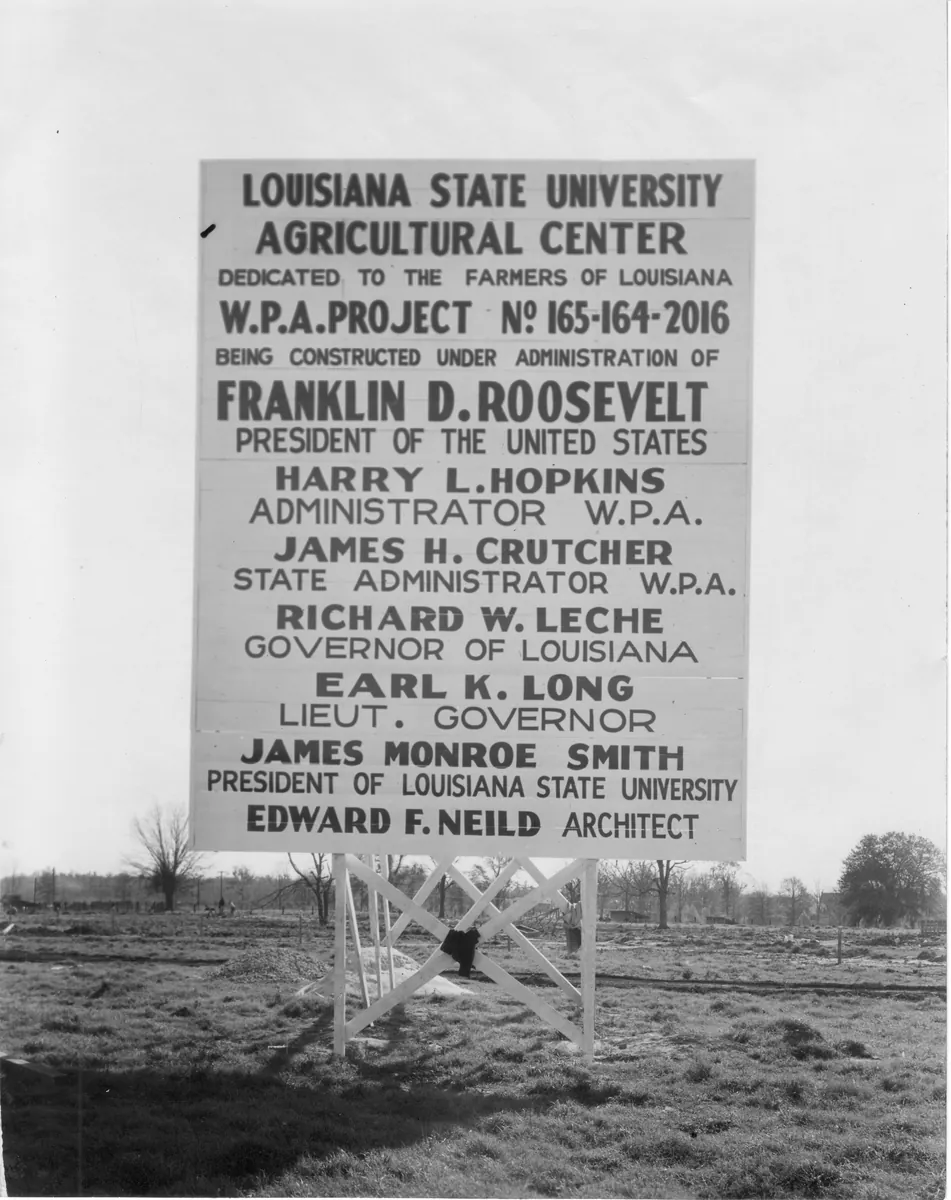
Four hundred forty acres that feel like they belong to a different century. The Burden family donated this land to LSU, and what remains is formal gardens, working farm buildings, and mature live oak allées. The place feels completely detached from the city surrounding it. Free admission, open daily, and almost nobody knows it's here. The LSU AgCenter Museum of Rural Life sits within the grounds, documenting Louisiana rural life from pre-Civil War through the early twentieth century. Museum hours vary; the gardens themselves stay open. Baton Rouge became Louisiana's capital in 1849, but the history runs deeper. French colonists established a military post here in 1721, at the site of a red pole marking the boundary between the Houma and Bayagoula tribal hunting grounds. The French called it *le bâton rouge*—the red stick. After France ceded its territory to Britain in 1763, Acadian settlers displaced from eastern Canada began arriving, the first group in 1765. They settled west and south of here, eventually calling themselves Cajuns, maintaining distinct traditions of music, food, and Catholic faith separate from later Anglo-American settlers. The Burden grounds carry a different kind of weight—not political layering, but what one family built and farmed and then gave away. Go for the oaks. Go because it's free and largely undiscovered. Go because the disconnect from the surrounding city is the entire point.
 6Nature & Parks·1929Hilltop Arboretum
Mr. and Mrs. Emory Smith began laying out the ground in 1929 with a cathedral in mind: a central nave, hallways running in every direction, niches and passageways. The grassy plots were rooms. The walls were trees, shrubs, and bamboo. The pillars were old trunks. They donated it to Louisiana State University in 1981. Fourteen acres at 11855 Highland Road. Walking paths thread through longleaf pine, beech, and magnolia that predate the surrounding subdivision—one of the last intact fragments of the original forest cover. The collection includes bamboo, dogwood, camellia, live oak, sassafras, sweet gum, tulip tree, cypress, hickory, pecan, persimmon, and fig. LSU manages it as a teaching and research arboretum. Open to the public free of charge during daylight hours seven days a week. Completely overlooked by visitors.