Top picks in Audubon Country
The places most worth your time here.
Connect your Cour circle to see which places friends and family recommend here.
Connect Cour →Landmarks
21 places worth the detour
tap the eye to open · swipe or use buttons to browse
The Mississippi River did not simply flow past this stretch of Louisiana — it shaped it, abandoned it, and then defined it by leaving. West of the river, the land flattens into the alluvial plain of…
Read the full storyOn the map
Tours
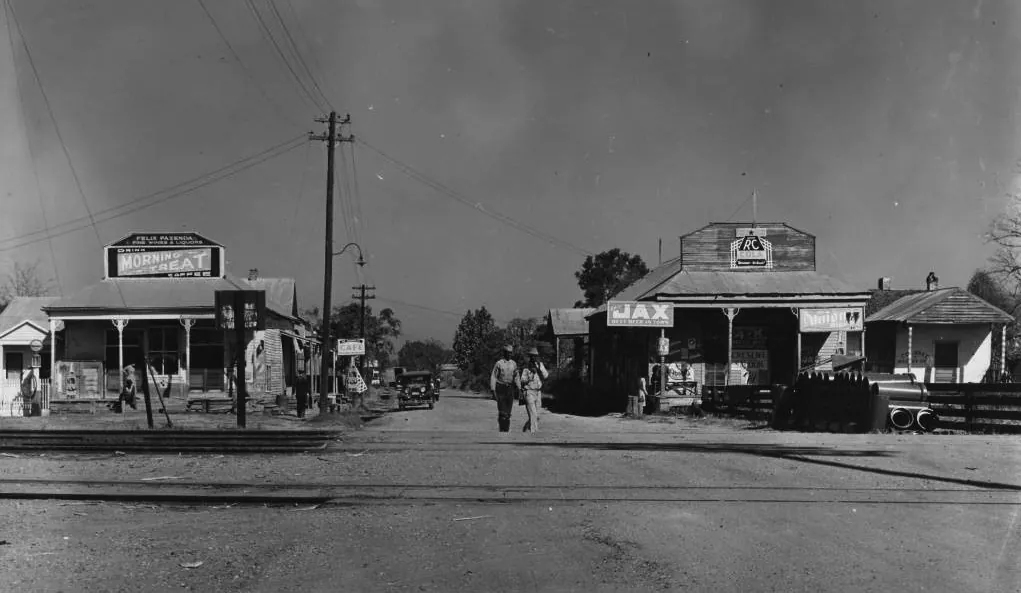
In September 1810, about seventy-five Anglo-Protestant planters rode into Baton Rouge, killed the Spanish commandant, and declared the Republic of West Florida. Its blue flag with a single white star — the original Lone Star — flew over St. Francisville for 79 days. The marker still stands in Jackson, the republic's commercial center, where 124 antebellum structures sit on the National Register. Clinton's 1840 Greek Revival courthouse is what those planters built once they had a country. Centenary College followed in 1825. The republic was brief; the architecture was not.
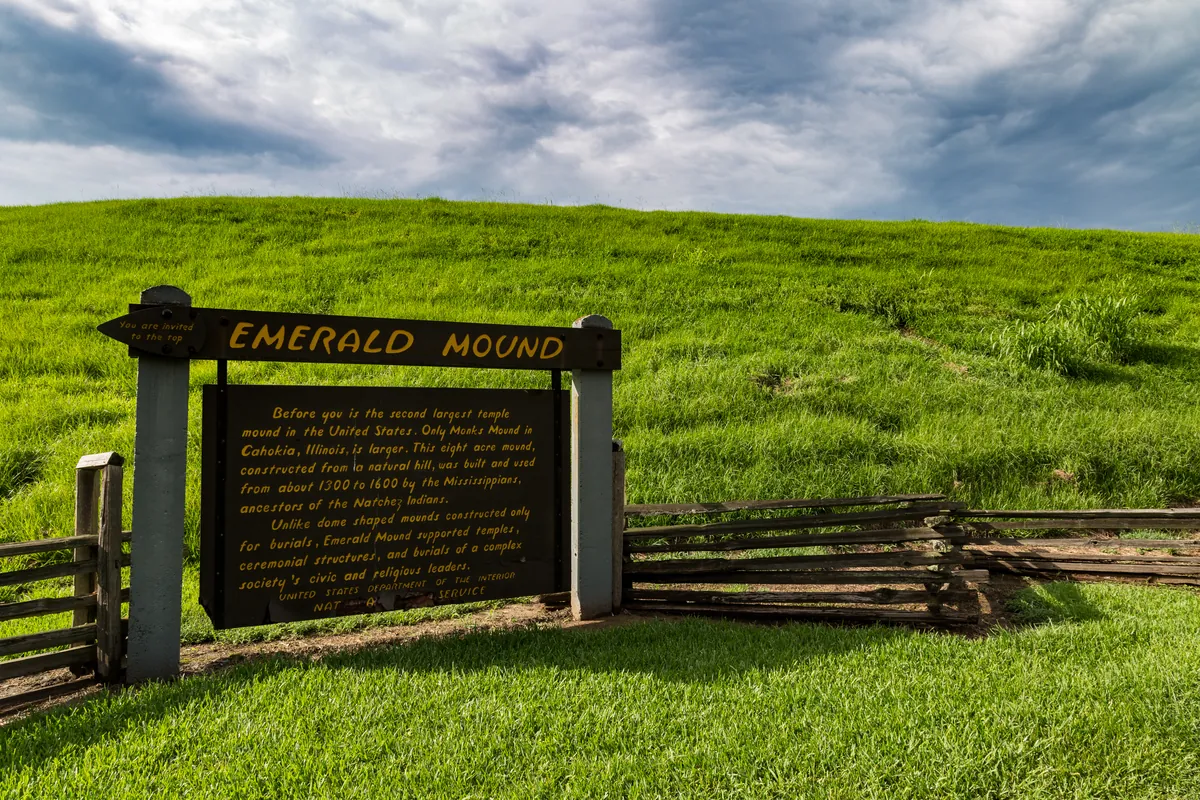
The Mississippi cut these bluffs out of windblown silt. The Loess Hills crest where the river bends, the bottomlands flood when the engineers say to, and the mounds were here longer than any of it. with a detour through the oxbows and earthworks the river carved around itself.
Seventy-four days in 1810, a sliver of land between the Mississippi and the Pearl declared itself a sovereign nation. The flag flew over Baton Rouge; the wealth flew over the Felicianas. This trip starts where the rebels stormed the Spanish fort, then climbs into the parish where the plantations they were defending still stand.
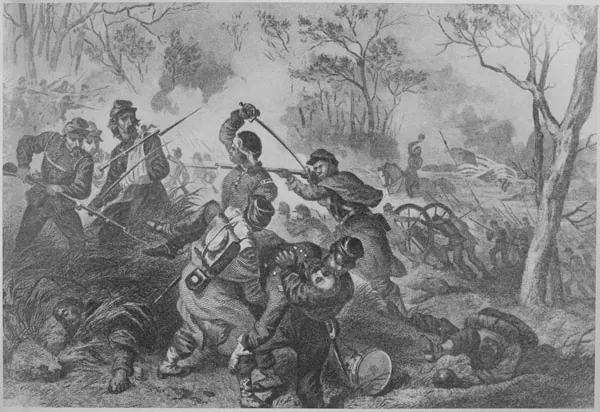
The Civil War in the lower Mississippi was a siege war. Whoever held the river held the Confederacy in half. This 9-stop corridor moves north through the contested ground — the British-Spanish prequel at Galvez, the 48-day Port Hudson siege, the Centenary cemetery, the Confederate artillery position at Grand Gulf, and Vicksburg, where the river finally fell.
Reading
In 1861, Centenary College closed its doors and the campus in Jackson became a Confederate hospital. Methodist students had slept in those dormitories two years earlier; soldiers died in them instead — 85 men, identified and unidentified, buried on the college grounds in what is now the Confederate Cemetery. The building still stands, Greek Revival and intact, and after the war it became a state school for the blind for nearly a century before the college itself relocated to Shreveport in 1908. Nearby, at Linwood Plantation outside St. Francisville, a young woman named Emma LeConte kept a diary that became one of the most widely cited firsthand accounts of Sherman's march. The property is privately held. But her diary is free online — read it before you come. Walk these hills with her sentences in your head and the war stops being backdrop. It becomes something someone actually lived through and wrote down.
In the 1700s, the Mississippi severed its own meander and left behind a twenty-three-mile crescent of still water — and French settlers, already rooted here since the early 1700s, named the parish for the severance: Pointe Coupee, cut point. This was one of the oldest European communities on the Mississippi, its Catholic parish sites predating the Louisiana Purchase by nearly a century. The buildings that now house the Pointe Coupee Parish Museum in New Roads rank among the oldest surviving structures in the state, and the exhibits trace that arc from the 1720s forward — primary material from a place where the parish formed before the nation did. The oxbow the river abandoned became False River, now twenty-three miles of recreational water anchoring the lakeside town of New Roads. What the French built here was already old when the United States acquired it.
In September 1810, the English-speaking planters living under a Spanish flag they resented had endured enough. They declared independence, and for seventy-four days St. Francisville served as the capital of the Republic of West Florida — what historians call the second successful American revolution. Then President Madison annexed the territory, and the republic dissolved into the United States before most people knew it existed. The Spanish name for the region translates to "happy land." The town that briefly held that capital is two miles long and two blocks wide, one of the narrowest incorporated towns in America. Walk Ferdinand Street end to end in forty-five minutes and you've covered the full spine of a place that was once its own country — not a monument to the fact, just the fact itself, still standing on a narrow ridge, still going about its business.
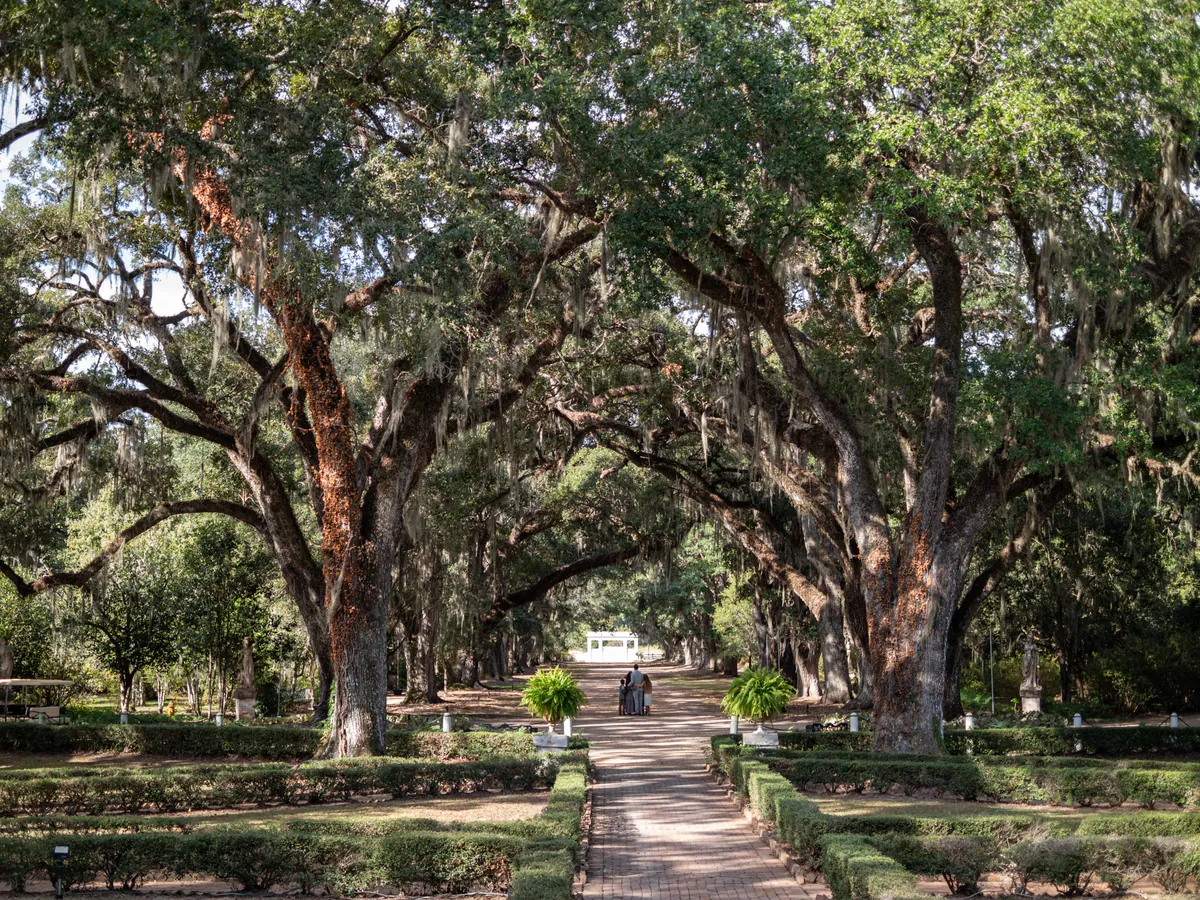
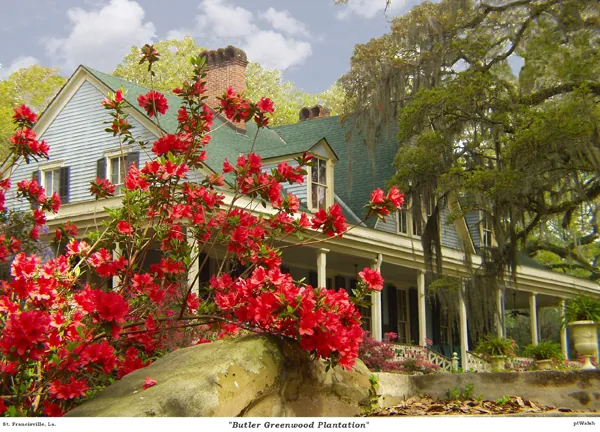
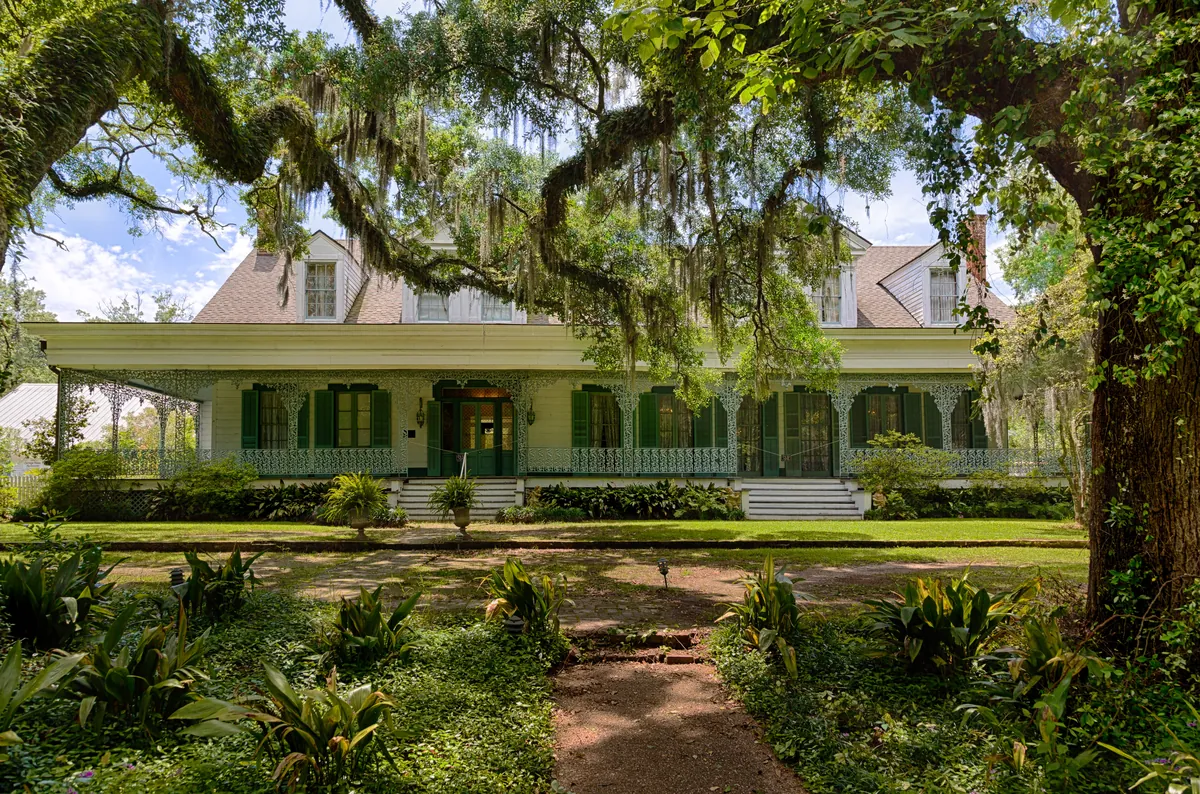
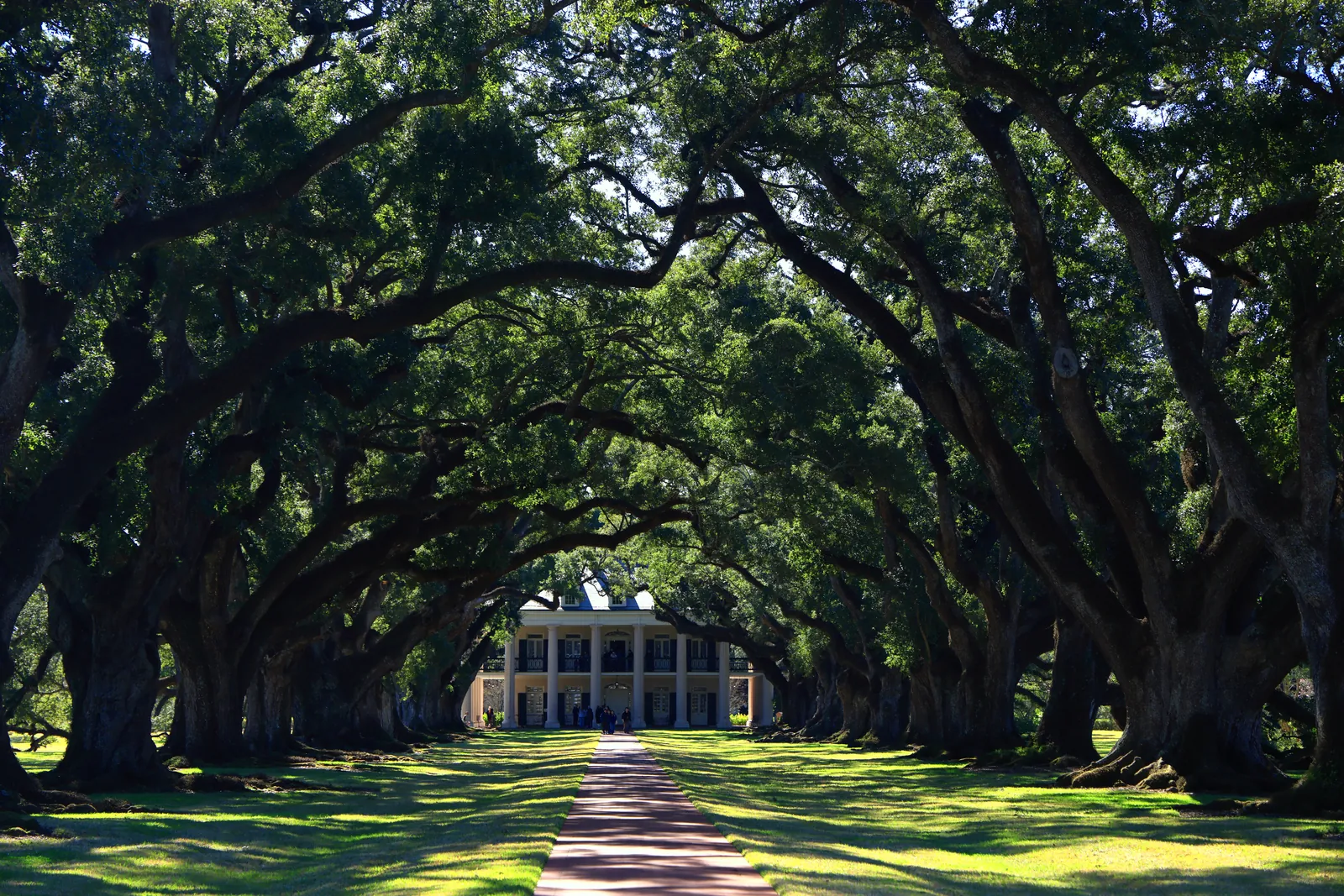
By the 1830s, the Feliciana bluffs had become one of the richest plantation districts in the lower South, and the great houses that define the landscape today were built on cotton, forced labor, and borrowed European ambition. Daniel and Martha Turnbull returned from their honeymoon tour of European estates and broke ground on Rosedown in 1835, surrounding the house with 28 acres of formal gardens — the layout is still there, still legible. A generation earlier, Whiskey Rebellion fugitive David Bradford had built what became The Myrtles in 1796; its 85-foot cast-iron gallery remains among the most intact plantation ironwork in Louisiana. Butler Greenwood has run continuously since the 1790s under the same family, whose records show 96 enslaved people and 1,400 acres producing cotton, sugar, corn, and molasses in 1860 alone. The wealth is gone. The houses stayed.
In 1821 a French-Haitian shopkeeper named John James Audubon took a job at Oakley House in West Feliciana, teaching drawing to a teenager named Eliza Pirrie. The terms: room, board, sixty dollars a month, and every afternoon free to paint. He stayed four months. In those four months he produced thirty-two paintings that became the foundation of Birds of America — the most expensive book ever sold at auction. The forest he worked in still stands on the hundred-acre grounds, and the birds he painted still use it. The place looks enough like 1821 that you can see what he saw. Nearly two centuries later the John James Audubon Bridge opened in 2011, ending the last Mississippi River ferry crossing in Louisiana, throwing a 2.44-mile cable-stayed span across the same narrows between high bluffs. Drive it at late afternoon, light on the towers, over the river Audubon watched.
Happening this month
Before you go
Also in this region
Audubon Country is one of several areas in Baton Rouge & Plantation Country.
Plan your trip
The only thing left to do is go.
Some of these are partner links — if you book through them, Portage may earn a commission at no extra cost to you.
Plan your visit
Editorial content compiled with AI assistance. Place details verified against public records.