Top picks in River Road
The places most worth your time here.
Connect your Cour circle to see which places friends and family recommend here.
Connect Cour →Landmarks
25 places worth the detour
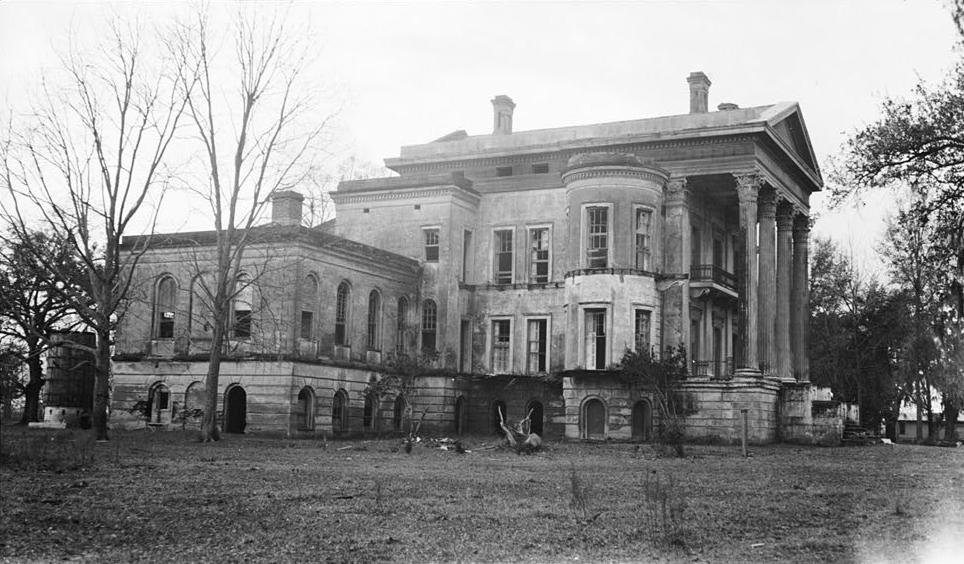
Includes 4 ghost landmarks— places that existed here and don’t anymore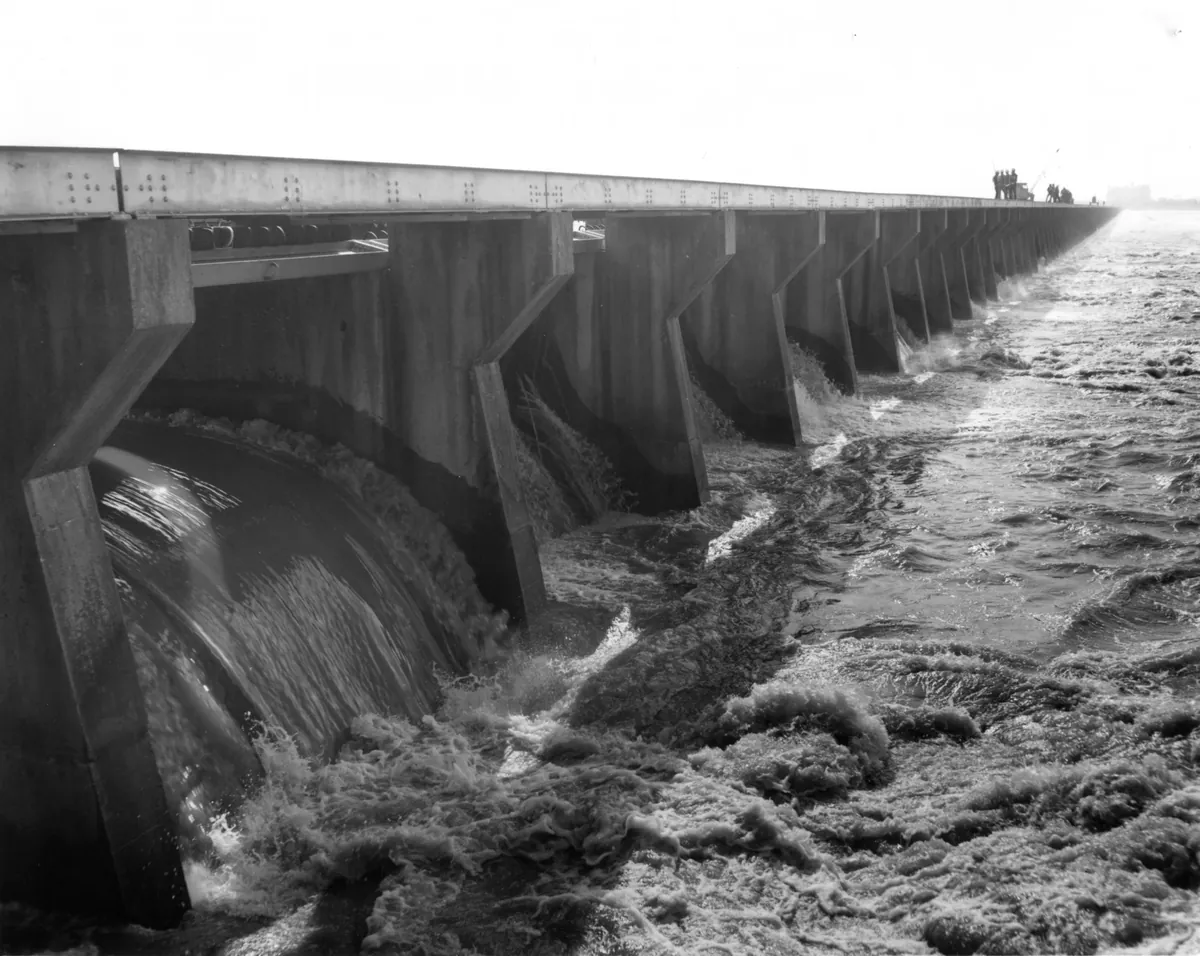
tap the eye to open · swipe or use buttons to browse
La Salle claimed the Mississippi Valley for France on April 9, 1682, driving a column into the ground at what is now Venice, Louisiana, and the territory he named Louisiane ran from the Gulf to…
Read the full storyOn the map
Tours
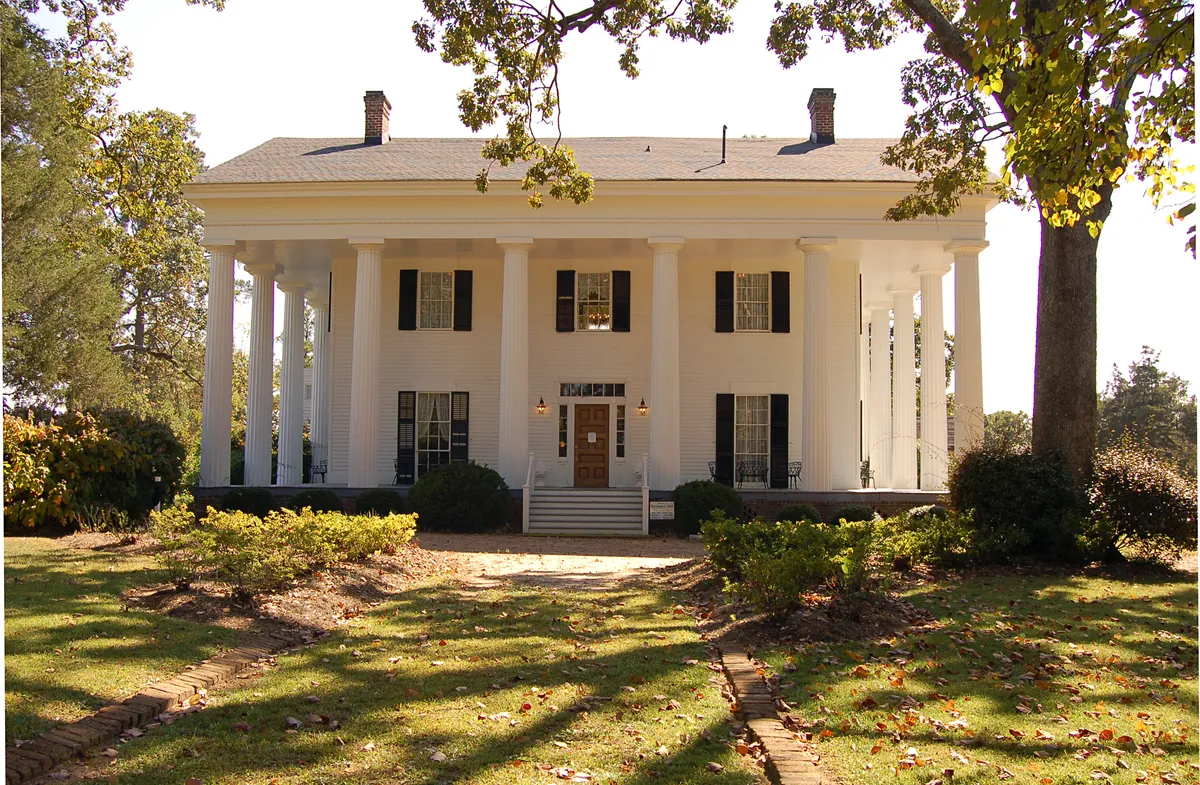
How one crop built the most concentrated collection of antebellum plantation architecture in America — and destroyed the lives of hundreds of thousands of people in the process. This drive moves upriver from the oldest plantation in the valley through the Creole and Anglo houses that sugar money raised, ending at the ruins of the largest antebellum mansion the South ever built.
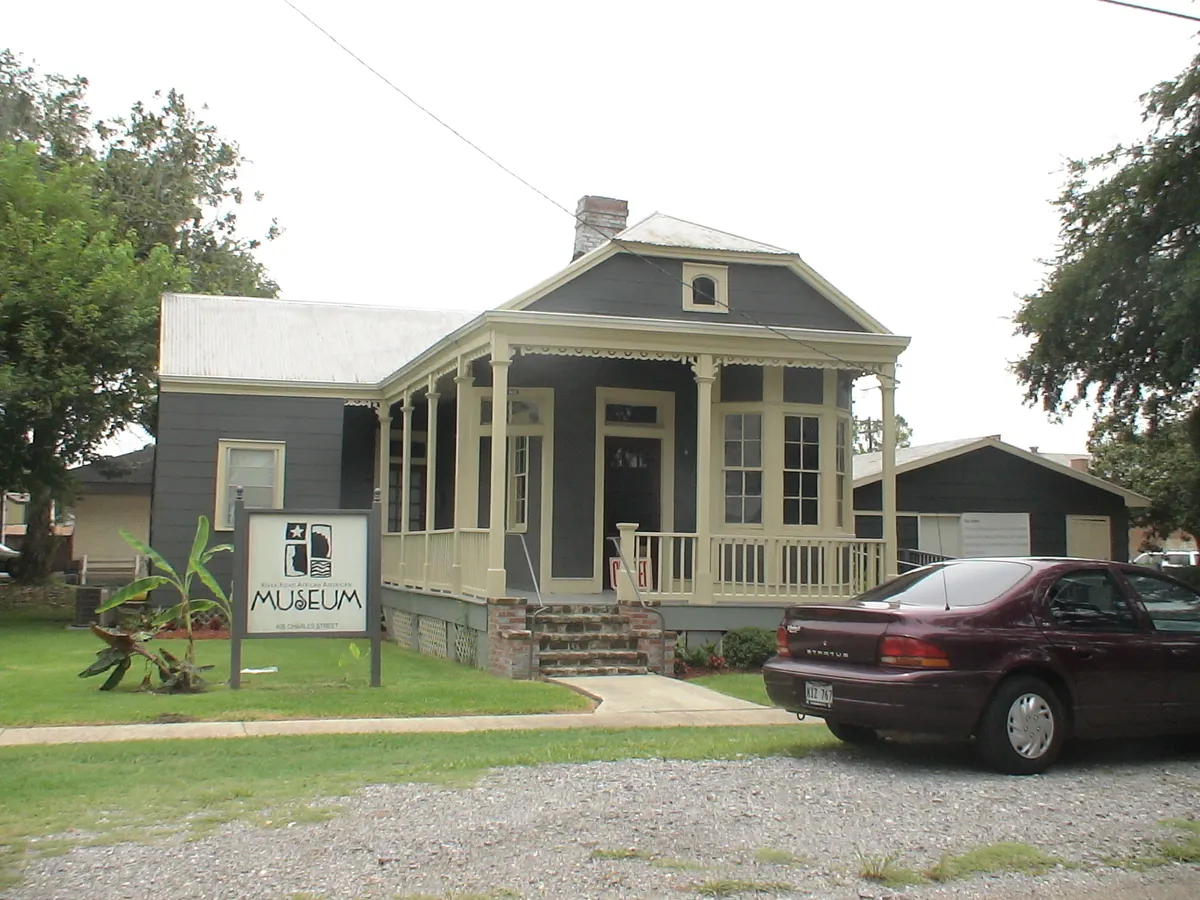
The largest slave revolt in American history started on this road. The only plantation museum that tells the enslaved story first is on this road. The most intact slave quarters in the country are on this road. And the first African American mayor in U.S. history was elected at the end of it. This is the River Road that the big-house tours don't lead with.
The Mississippi built everything on this corridor and threatens to take it back every spring. The Bonnet Carré Spillway opens every few years and floods 38,000 acres to save New Orleans. Houmas House sits inside an oil-refinery skyline now. Manresa Retreat House at Convent has gardens on a bluff that haven't moved in 190 years because the Jesuits built high while the planters built low. The river is what the trip is about; the levees are what the trip rides.
Reading
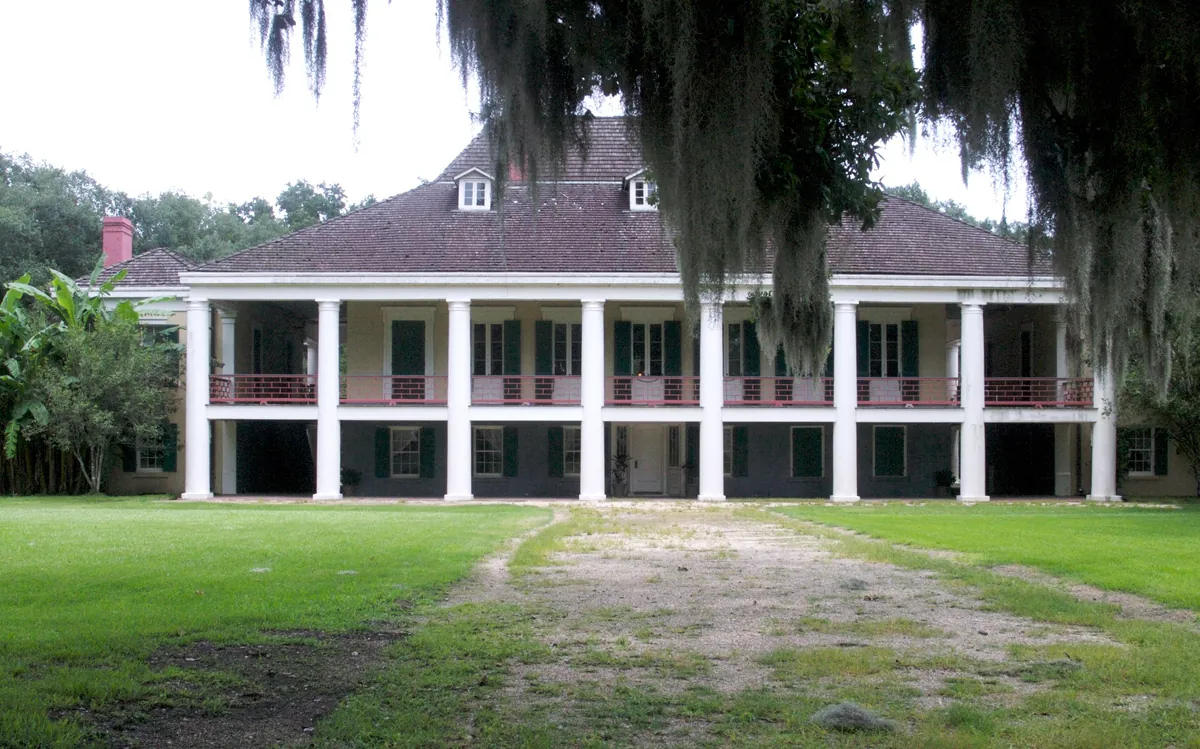
At Vacherie on River Road stands a Creole plantation house — raised, galleried, painted yellow and red — nothing like the Greek Revival mansions across the road. Women ran it for three consecutive generations, working it as a sugar business. In the 1870s, the folklorist Alcée Fortier came here to collect the Br'er Rabbit tales from Senegalese workers — the clever rabbit, the foolish fox, stories whose trickster tradition came from West Africa. This is where the Uncle Remus stories originated. Joel Chandler Harris later published them without attribution to Fortier or to the West African tradition that carried them. That's the thread worth standing in: the great houses face the river because the river was the road, and the architecture tells you who held the wealth. But the stories — the ones that traveled furthest, that everyone thinks they know — came up from the quarters, in Louisiana Creole, from people whose names the published versions left off.
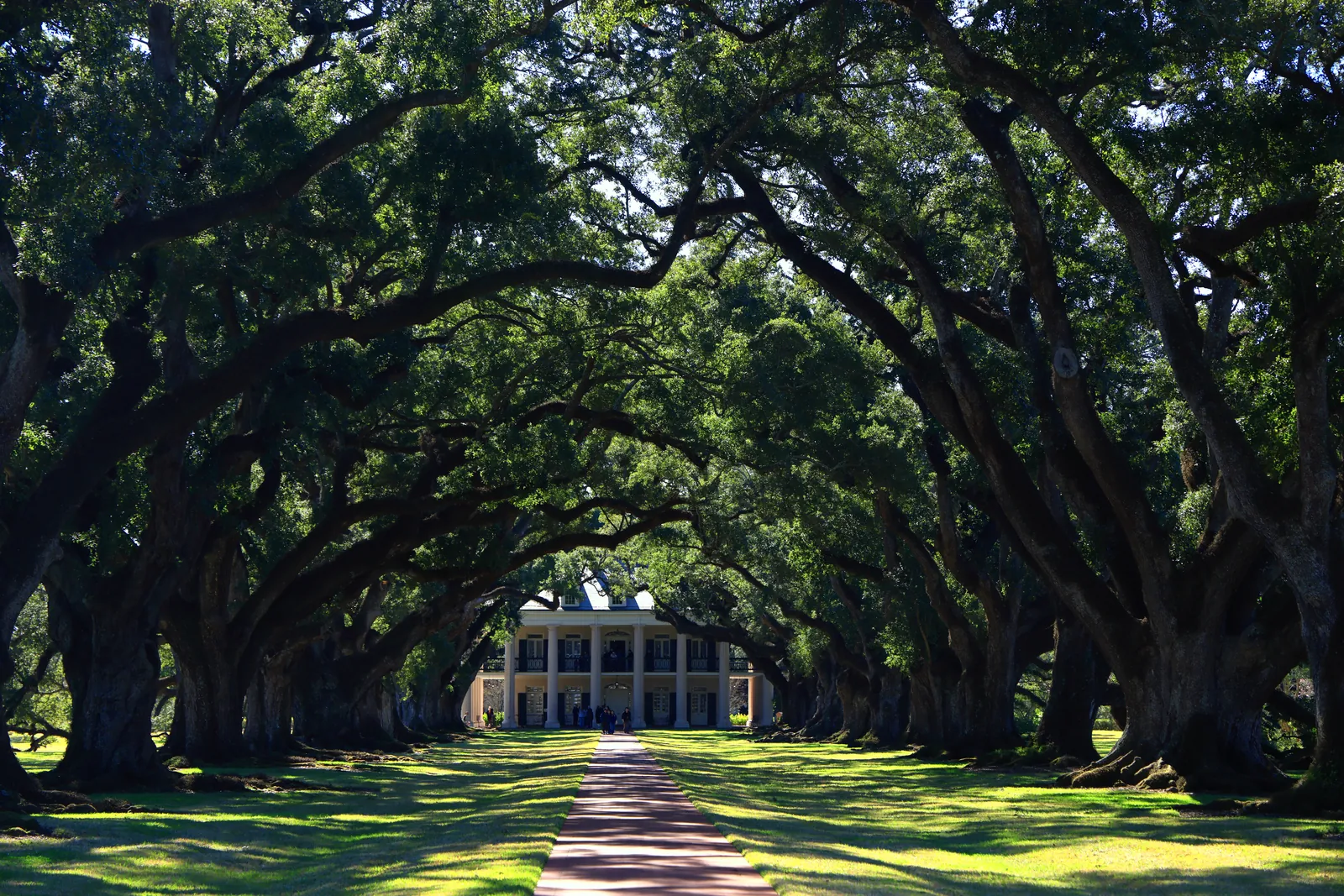
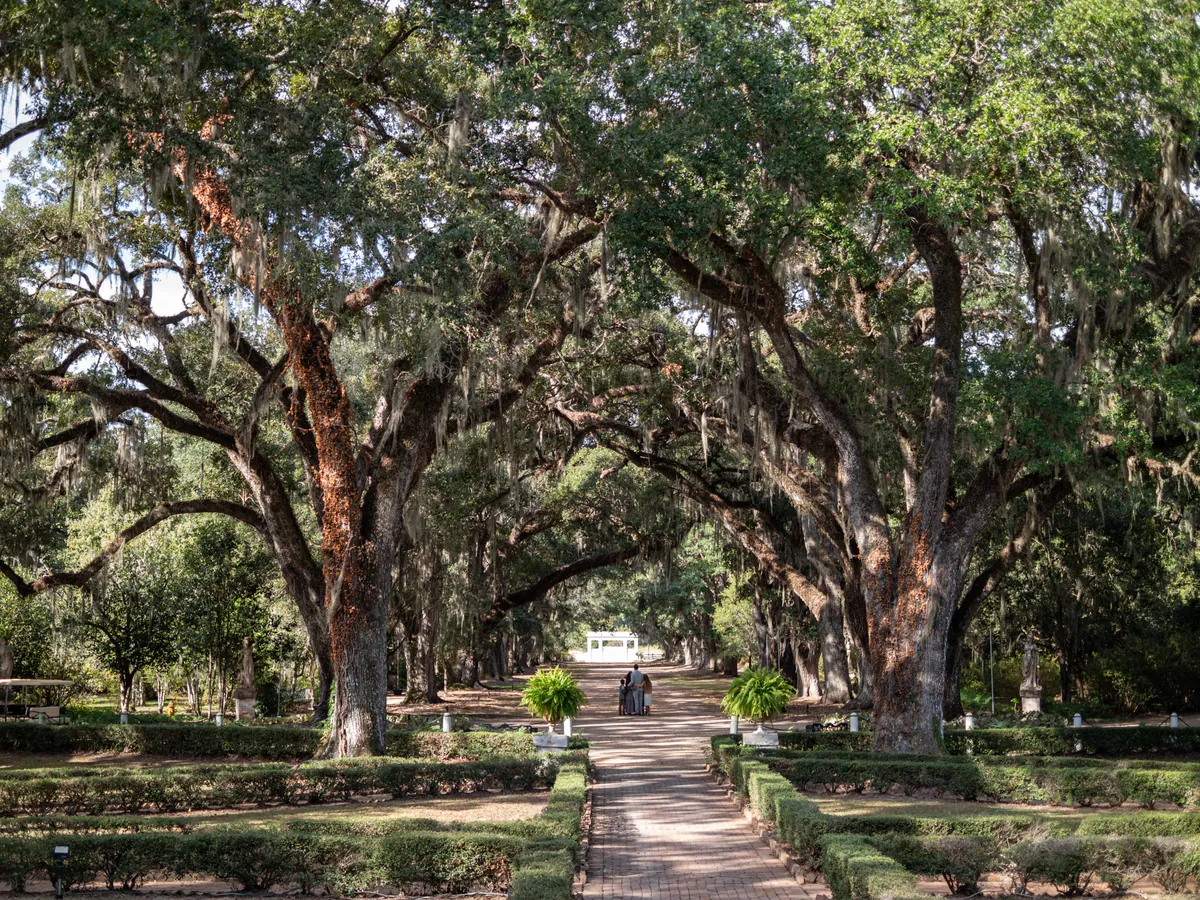
The river built everything here, then the levee hid it. At Oak Alley, 28 live oaks planted in the early 18th century run a quarter-mile from the house straight to the Mississippi — because guests arrived by boat, walked the alley, and reached the front door. Today you approach from River Road, which was always the back. The levee blocks what the architecture was oriented toward entirely. That inversion runs the length of River Road: Houmas House took its name from the people dispossessed of the land in 1774; by 1862, 750 enslaved people on 12,000 acres produced five million pounds of sugar a year there. The same river logic that arranged the plantations drew the Army Corps in 1931 to build the Bonnet Carré Spillway — 350 bays that open when the Mississippi threatens New Orleans, and close into 7,700 acres of wildlife preserve. The river still decides what happens here.
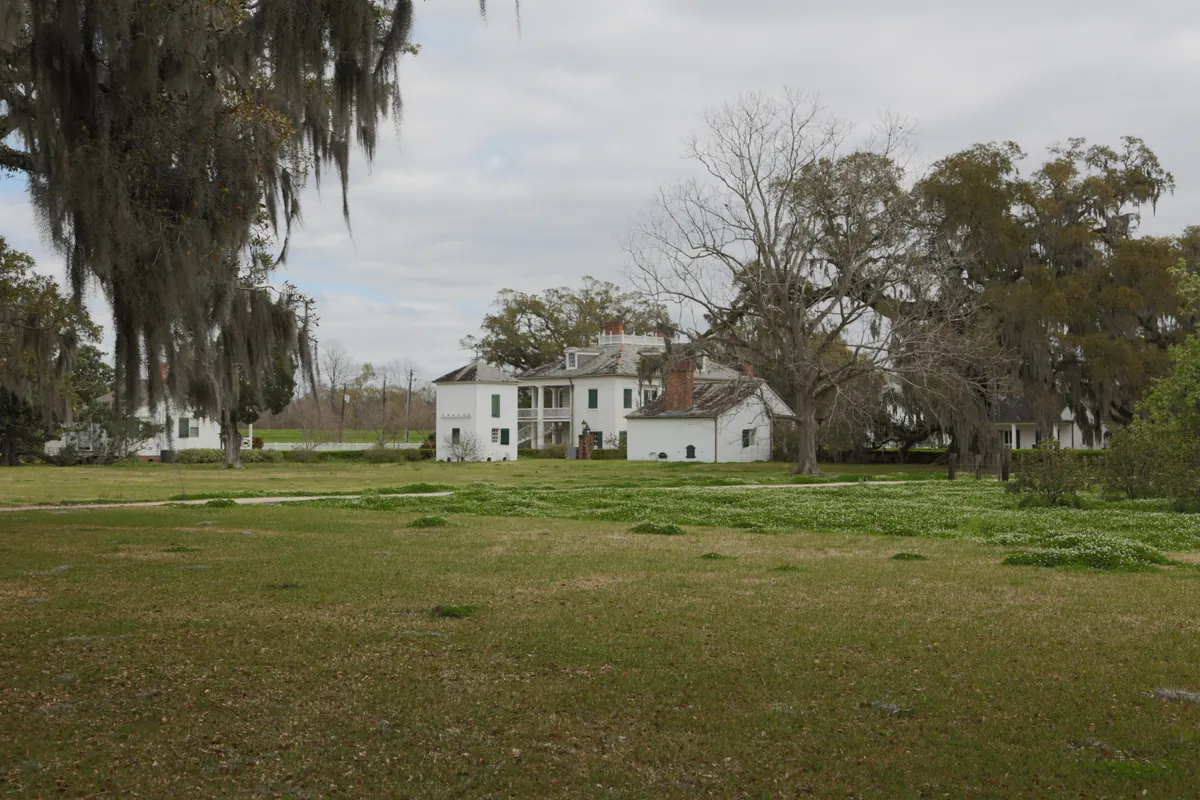
For most of the 20th century, you could drive the entire length of River Road and learn almost nothing about the people who built it. Kathe Hambrick came back to Ascension Parish in the 1990s and found exactly that — tens of thousands of visitors touring plantations where three centuries of Black life had been erased from the telling. She opened the River Road African American Museum in 1994, among the first in Louisiana to tell that story, and eventually moved it to Donaldsonville with its collection naming more than 5,000 enslaved people. Trial lawyer John Cummings spent 16 years and more than $10 million restoring Whitney Plantation, opening it in 2014 as the only museum in Louisiana built entirely around the experience of the enslaved. At Evergreen, 22 original slave cabins still stand in their 1860 double-row configuration — the most intact plantation complex in the South, on a highway most tourists never find.
The sugar economy that made River Road required something the houses never advertised: an almost unimaginable quantity of forced labor. At Whitney Plantation in Wallace, more than 2,200 enslaved individuals are identified by name — recovered from church records and slave inventories, their testimonies gathered in the 1930s by federal writers before the last survivors died. At Evergreen, 22 original slave cabins still stand in their double-row configuration, exactly as arranged in 1860 — no comparable site exists anywhere in the country. Kathe Hambrick saw what was missing in 1994 and opened the River Road African American Museum, which holds inventories naming more than 5,000 enslaved people from Louisiana plantations. Three institutions, three different methods of recovery — and together they hold what the great houses, facing the river, were built to obscure.
Upriver from New Orleans, the lower Mississippi runs through a stretch of land called the German Coast — named for German immigrants who settled and farmed it. Samuel Hermann, born in Rödelheim, arrived in 1804 and settled the German Coast before moving down to New Orleans. He worked as an agent and broker for plantation owners and merchants, expanded into mortgages, stocks, and real estate, and by 1831 had become one of the wealthiest men in the antebellum city. That year he hired architect William Brand to build a residence on St. Louis Street — the only American Federal-style house in the French Quarter, with balconies and galleries grafted onto the symmetrical Federal form to suit the climate. The German wave never had the cultural visibility of the French or the Spanish, but the place name persisted: the German Coast is still the German Coast.
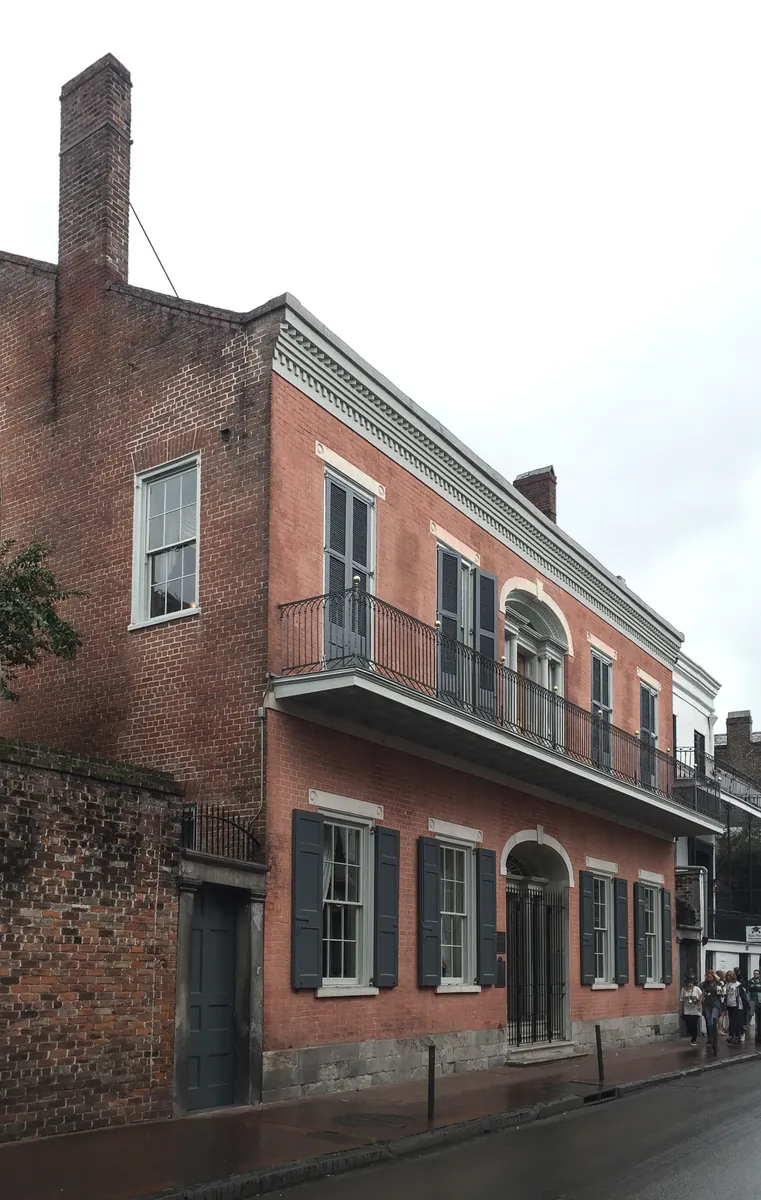
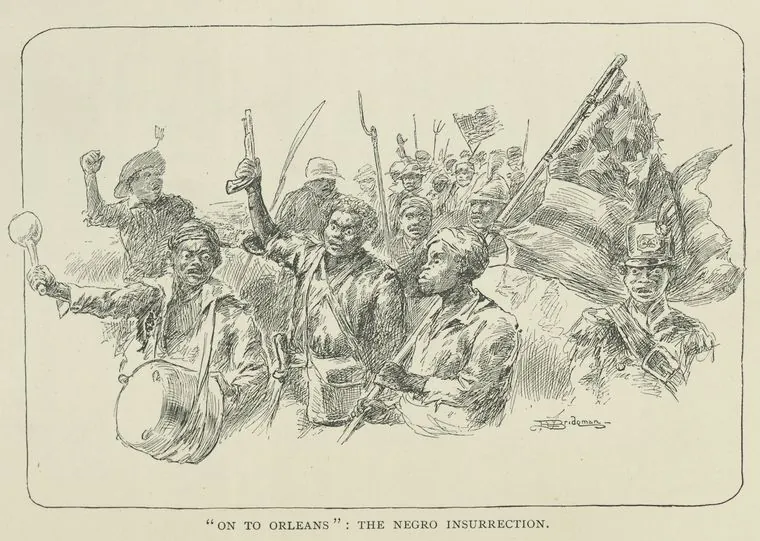
The River Road between New Orleans and Baton Rouge is plantation country in the popular imagination — and that framing misses the people who actually shaped it. Beginning in the 1720s, German immigrants settled the west bank of the Mississippi in what became known as the Côte des Allemands, the German Coast. They had been recruited by John Law's Mississippi Company with promises of land and prosperity, crossed the Atlantic under brutal conditions, and arrived to find nothing prepared for them. A third died in the first years. The survivors planted. They became the food supply of early New Orleans — vegetables, dairy, livestock — while the city's French elite grew tobacco and indigo. The Germans intermarried with French Creoles so thoroughly within two generations that the German names vanished entirely. Zweig became Labranche. Heidel became Haydel. Trépagnier swallowed whatever German name it replaced. The Whitney and Laura plantations sit on land that was German farm country before it was plantation country. The 1811 German Coast Uprising — the largest slave revolt in American history — drew its name from this same corridor. The people who organized those 500 marching enslaved people were doing so in the shadow of those German-turned-Creole plantations. The German Coast is a story about how completely people can disappear into a place, and how completely a place can be transformed by people who left no visible trace.
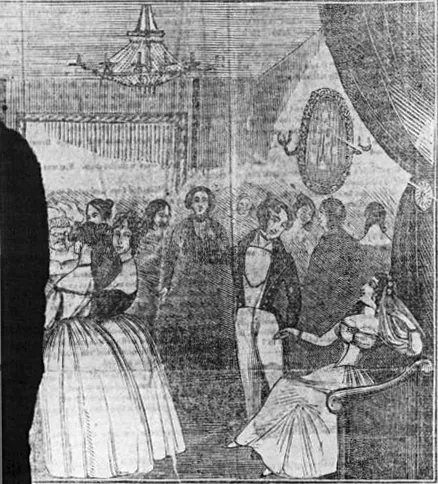
At the edge of Lake Maurepas, where the Manchac swamp thickens into old-growth cypress and the road ends, there used to be a town called Frenier. A few hundred people lived there — trappers, fishermen, laborers working the cypress lumber camps. A woman named Julia Brown lived there too, a voodoo practitioner known locally as a traiteur who healed and cursed in equal measure. The story, as locals tell it: Julia Brown spent the last years of her life singing a song about how she would take the whole town with her when she died. On September 29, 1915, the day of her funeral, a Category 4 hurricane made landfall directly over Frenier. Nearly every resident died. The town was never rebuilt. The graves are still there, visible from the levee road. Whether Julia Brown was a healer, a prophet, a curse, or simply a poor woman who died badly and got attached to a coincidence — depends entirely on who is telling the story. The swamp itself doesn't offer an opinion. The cypress knees stand where the houses stood. The roots hold the mud. The water goes where it wants.
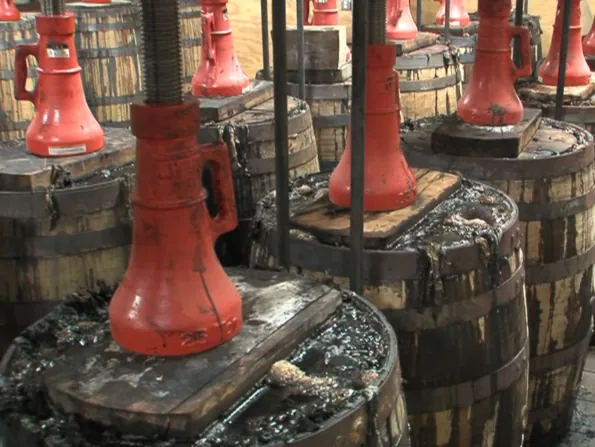
In a six-square-mile patch of land in St. James Parish — and nowhere else on earth — farmers grow Perique tobacco. The variety is pressed under weights in whiskey barrels for months, fermenting into something dark, peppery, and violently aromatic: a tobacco so concentrated it is never smoked straight, only blended in small amounts with milder leaves. The Choctaw and Chickasaw were growing it before Europeans arrived. Pierre Chenet, a Acadian farmer, learned the curing method from indigenous producers around 1824 and began the commercial tradition. The Louisiana soil here — a specific combination of alluvial clay and river silt — produces a chemical composition in the leaf that cannot be replicated anywhere else. Agronomists have tried in Virginia, in Africa, in the Caribbean. It grows but it does not taste the same. Perique is why the River Road's agricultural history is not just plantation cotton and sugar. It is also this: a single indigenous tobacco variety, tended by Acadian farmers, that never left the parish it started in and never will.
Lost places
Happening this month
Tickets & Shows
Before you go
Also in this region
River Road is one of several areas in Baton Rouge & Plantation Country.

Plan your trip
The only thing left to do is go.
Some of these are partner links — if you book through them, Portage may earn a commission at no extra cost to you.
Plan your visit
Editorial content compiled with AI assistance. Place details verified against public records.