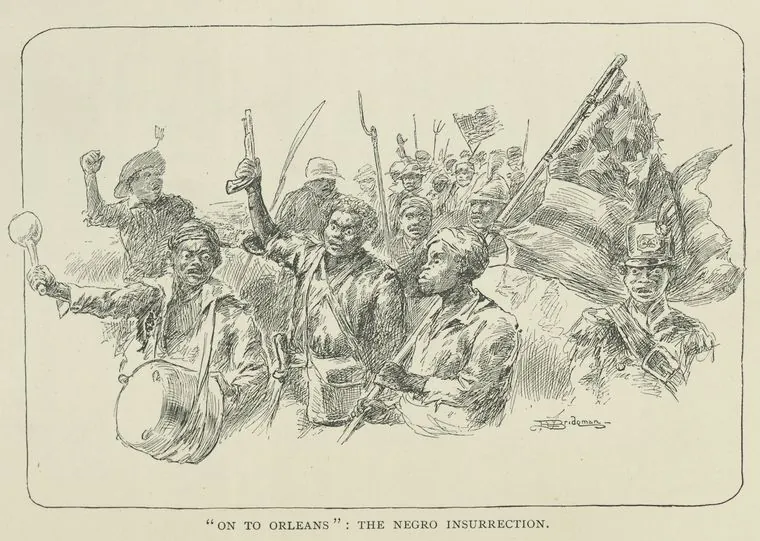
The River Road between New Orleans and Baton Rouge is plantation country in the popular imagination — and that framing misses the people who actually shaped it. Beginning in the 1720s, German immigrants settled the west bank of the Mississippi in what became known as the Côte des Allemands, the German Coast. They had been recruited by John Law's Mississippi Company with promises of land and prosperity, crossed the Atlantic under brutal conditions, and arrived to find nothing prepared for them. A third died in the first years. The survivors planted. They became the food supply of early New Orleans — vegetables, dairy, livestock — while the city's French elite grew tobacco and indigo. The Germans intermarried with French Creoles so thoroughly within two generations that the German names vanished entirely. Zweig became Labranche. Heidel became Haydel. Trépagnier swallowed whatever German name it replaced. The Whitney and Laura plantations sit on land that was German farm country before it was plantation country. The 1811 German Coast Uprising — the largest slave revolt in American history — drew its name from this same corridor. The people who organized those 500 marching enslaved people were doing so in the shadow of those German-turned-Creole plantations. The German Coast is a story about how completely people can disappear into a place, and how completely a place can be transformed by people who left no visible trace.