Top picks in Vicksburg
The places most worth your time here.
Connect your Cour circle to see which places friends and family recommend here.
Connect Cour →Landmarks
43 places worth the detour
Includes 2 ghost landmarks— places that existed here and don’t anymore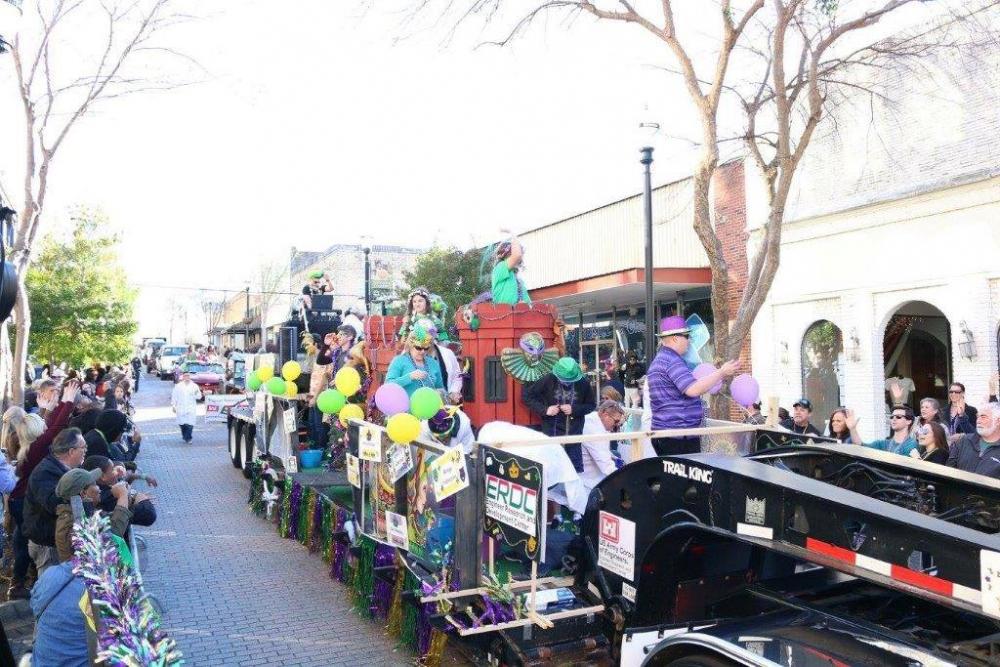
tap the eye to open · swipe or use buttons to browse
The bluff above the hairpin turn in the Mississippi River was never going to be left alone. Whoever held that high ground commanded the river in both directions — every boat traveling north or south…
Read the full storyOn the map
Tours
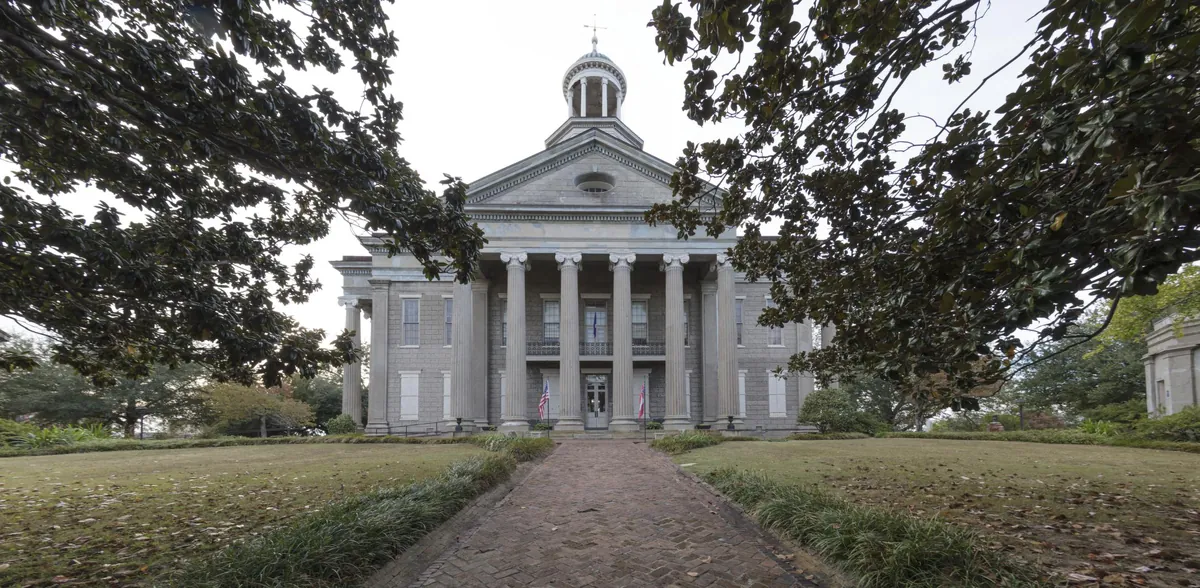
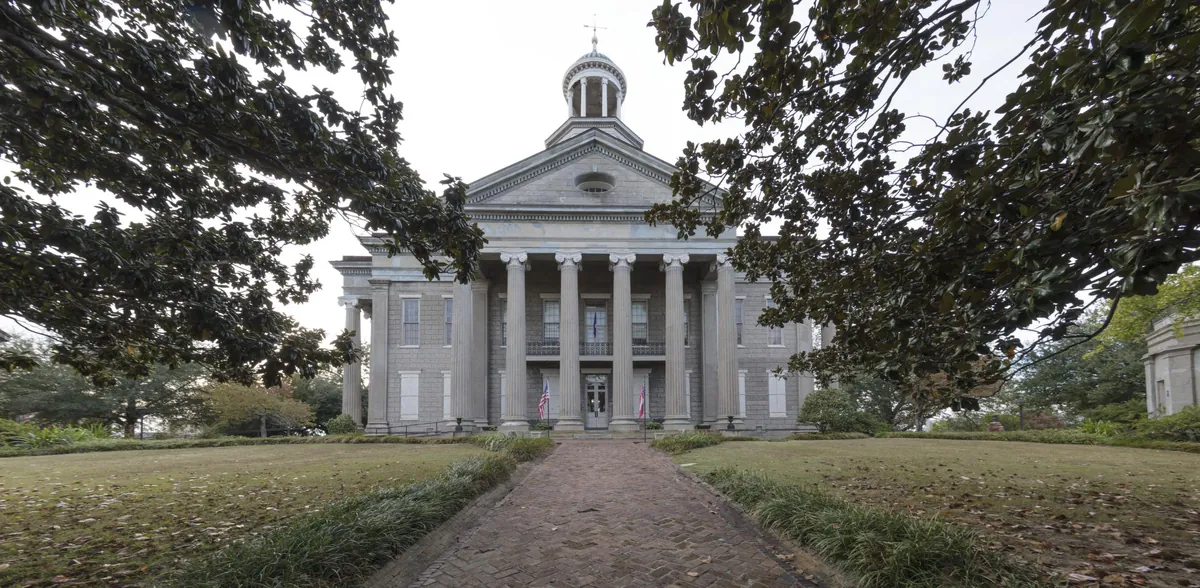
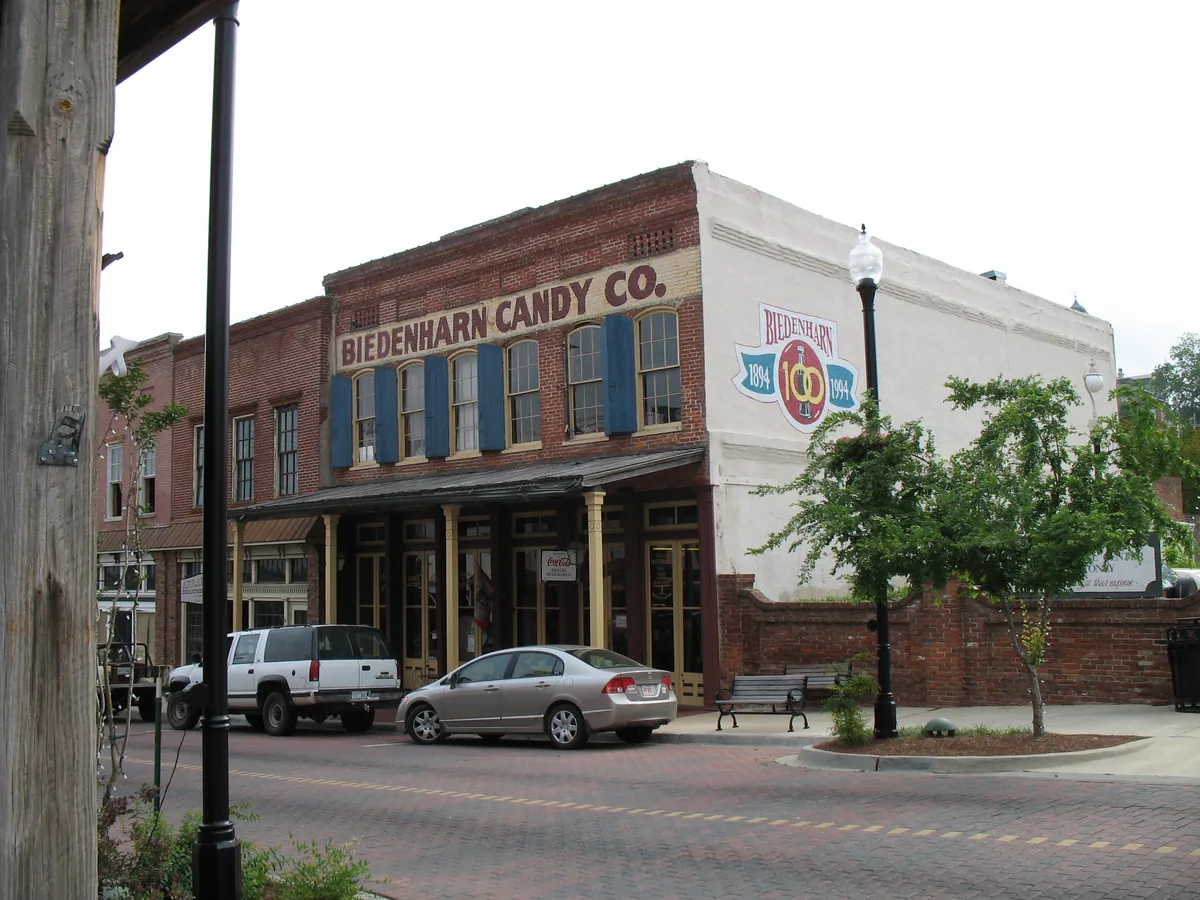
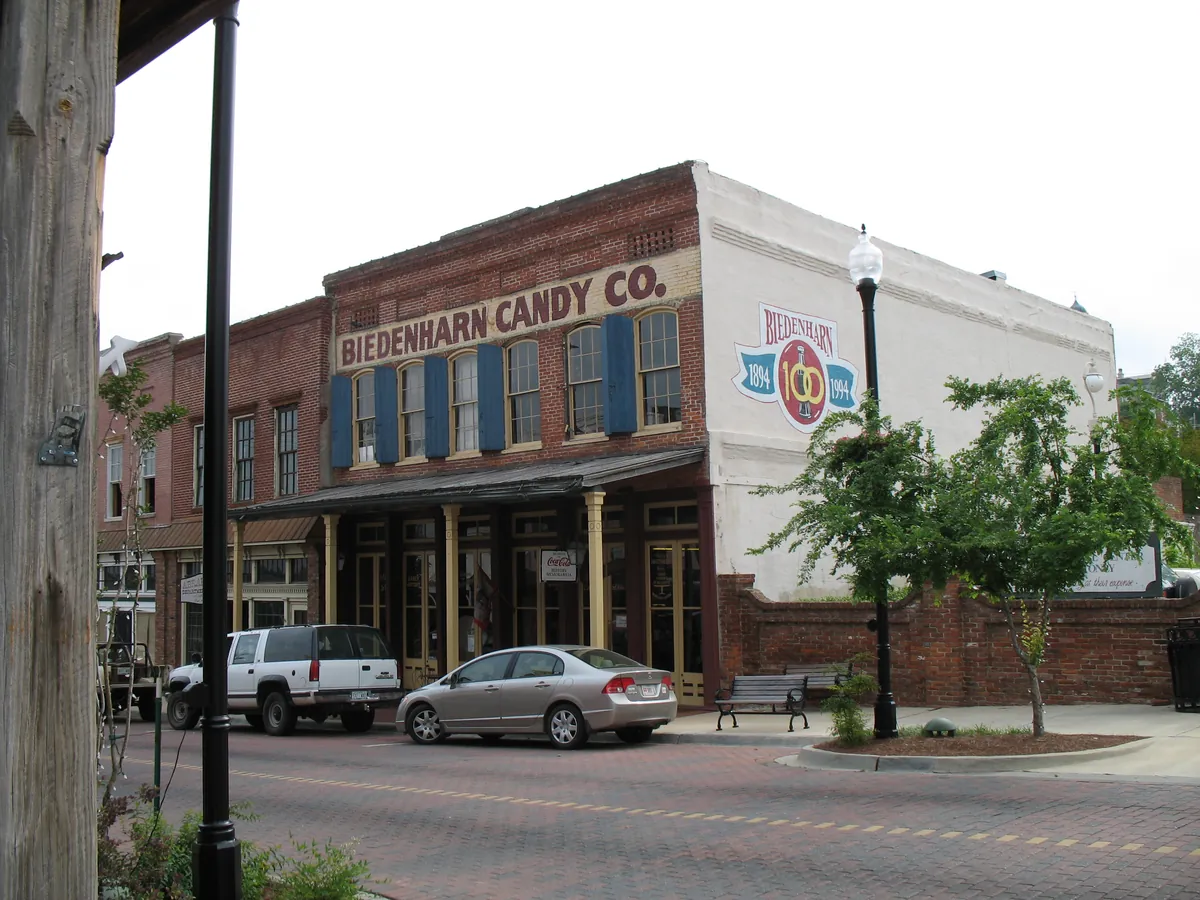
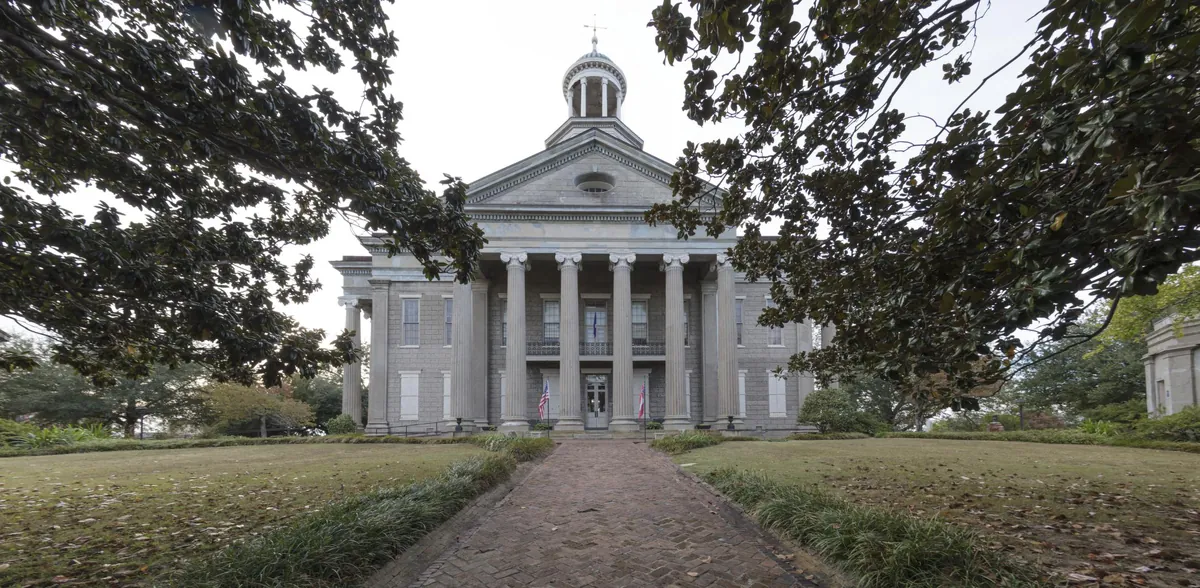
Coca-Cola was first bottled at 1107 Washington Street in 1894 — Joseph Biedenharn figured out the syrup-and-soda math the company itself had not bothered with. That building anchors a mile and a half of museums explaining a city that lost its riverfront in 1876 when the Mississippi changed course, then spent 27 years engineering it back. The Old Court House sits on the highest point, built by enslaved labor beginning in 1858. Robert Dafford's 32 floodwall murals run along the canal the Corps cut to bring the river back. Six museums, one argument: Vicksburg refused to be left behind.
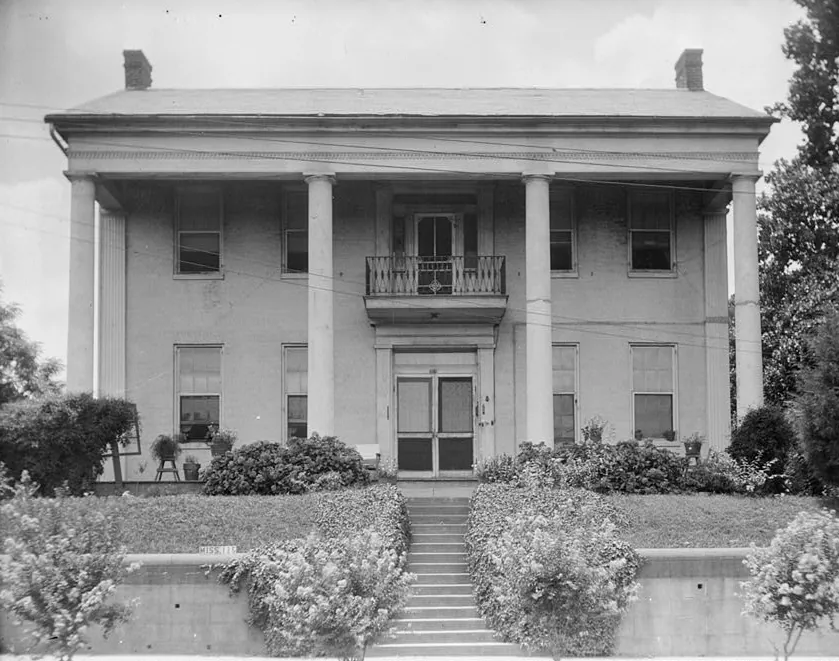
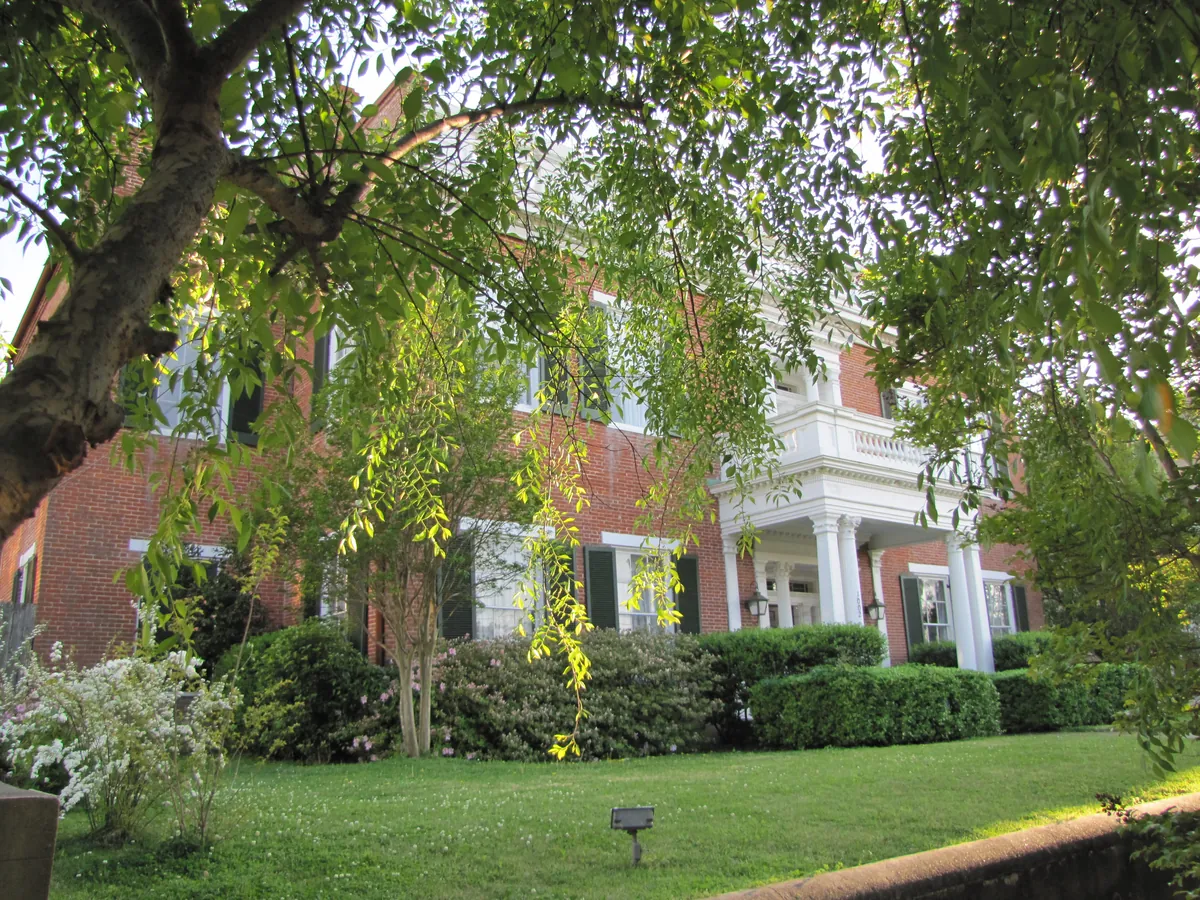
Vicksburg's mansions are not architecture, they are siege evidence. McRaven stacks 1797 frontier cottage, 1836 empire, and 1849 Greek Revival in one structure. Cedar Grove still has the Union cannonball lodged in its parlor wall. The Balfours hosted the Confederate Christmas ball on December 17, 1862 — a courier interrupted the dancing to announce Sherman's gunboats on the Yazoo. Duff Green served as a hospital for both armies. Anchuca housed Jefferson Davis's brother Joseph. The walls remember the 47 days.
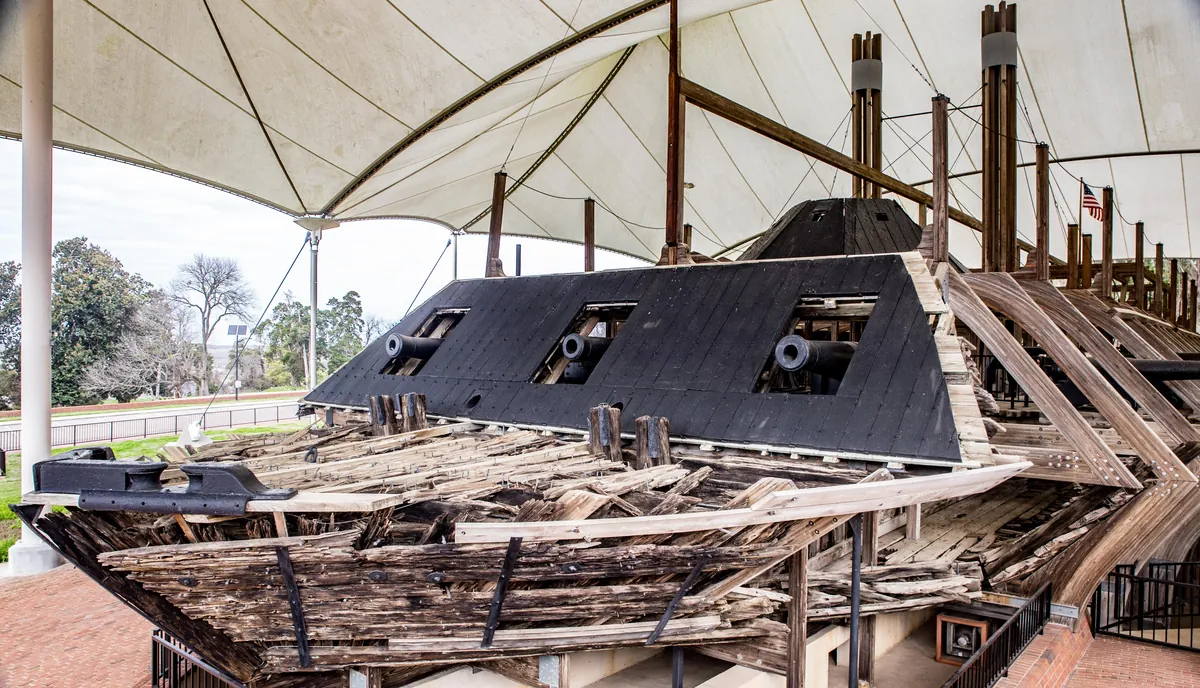
Lincoln called Vicksburg the key, and the 16-mile park road shows you why. Grant encircled the city May 19 and starved it until July 4, 1863 — the same day Lee retreated from Gettysburg. names all 36,325 Illinois soldiers who served here The Shirley House is the only wartime structure still standing on the field. The USS Cairo, raised from Yazoo mud in 1964, was the first warship in history sunk by an electrically detonated mine. The cemetery holds 17,000 Union dead, nearly 13,000 unknown. Vicksburg refused to celebrate the Fourth of July for 81 years.
Many of the enslaved people on these bluffs freed themselves by walking to Union lines during the 47-day siege, and the National Cemetery here holds more African American Civil War soldiers than any other in the country. This trail follows what came after. The African American Monument marks where the United States Colored Troops fought. The Jacqueline House holds 20,000 artifacts. Myrlie Evers-Williams was born on March 17, 1933, in a house that still stands. Kuhn Memorial Park names the Freedom Summer 1964 organizers Vicksburg almost forgot.
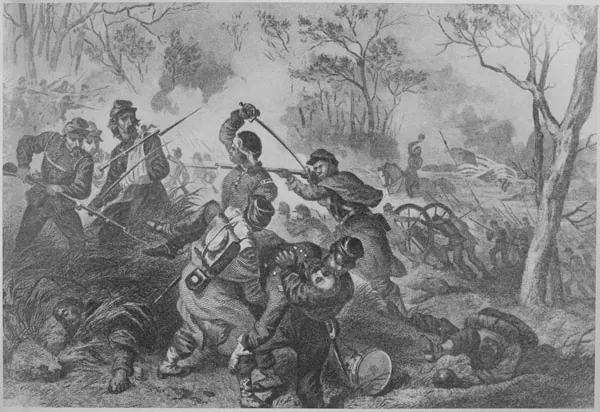
The Civil War in the lower Mississippi was a siege war. Whoever held the river held the Confederacy in half. This 9-stop corridor moves north through the contested ground — the British-Spanish prequel at Galvez, the 48-day Port Hudson siege, the Centenary cemetery, the Confederate artillery position at Grand Gulf, and Vicksburg, where the river finally fell.
Reading
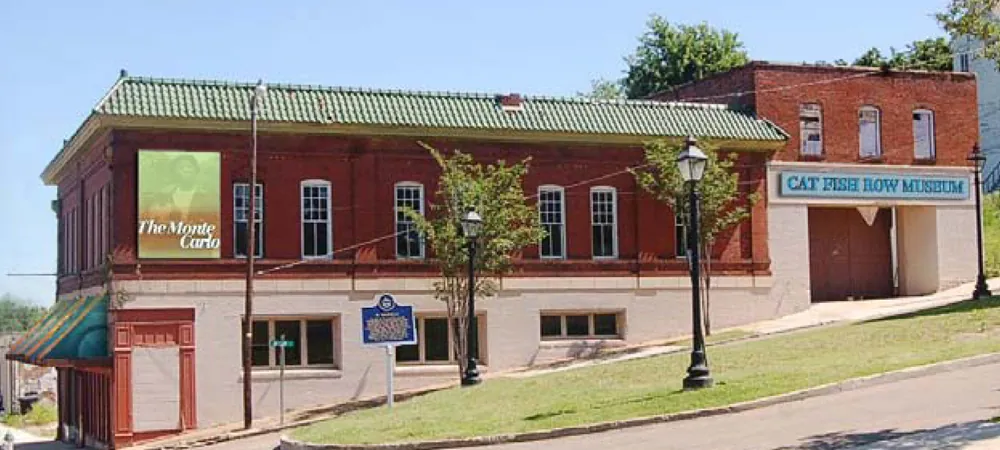
Charles Pendleton opened his museum at 1123 Washington Street in spring 2021 — the first African American to own a Civil War museum in the United States. The collection includes the Confederate states' original letters of secession, but that's not the point. The point is recovery: more than 20,000 artifacts spanning slavery to the present, personal objects and photographs and oral histories that most of Vicksburg's institutions have never made room for. A few blocks away, a park sits on the ground where Kuhn Memorial Hospital once stood — it honors the people who ran freedom schools here in 1964, who organized voter registration drives while the Old Baptist Association nearby was bombed on October 4th of that same year for hosting civil rights meetings. Vicksburg's other museums tell you who held the bluffs. These tell you who lived on them.
Seventeen thousand Union soldiers rest on the hillside where they fell. Nearly thirteen thousand have no names. Vicksburg National Cemetery was established in 1866 — time enough to understand the scale of what happened here, not enough to know who most of the dead were. The Confederate dead are across town at Cedar Hill, gathered and interred by local women after the war. The division holds, more than 150 years on. Illinois, which sent 36,325 men to the campaign — more than any other state — built its memorial to look like the Pantheon: sixty granite steps to the portico, one for each day of the siege, every name on bronze tablets inside. The ground around it preserves twenty miles of trenches exactly where they were dug. The siege lasted 47 days. Vicksburg did not celebrate the Fourth of July again for 81 years.
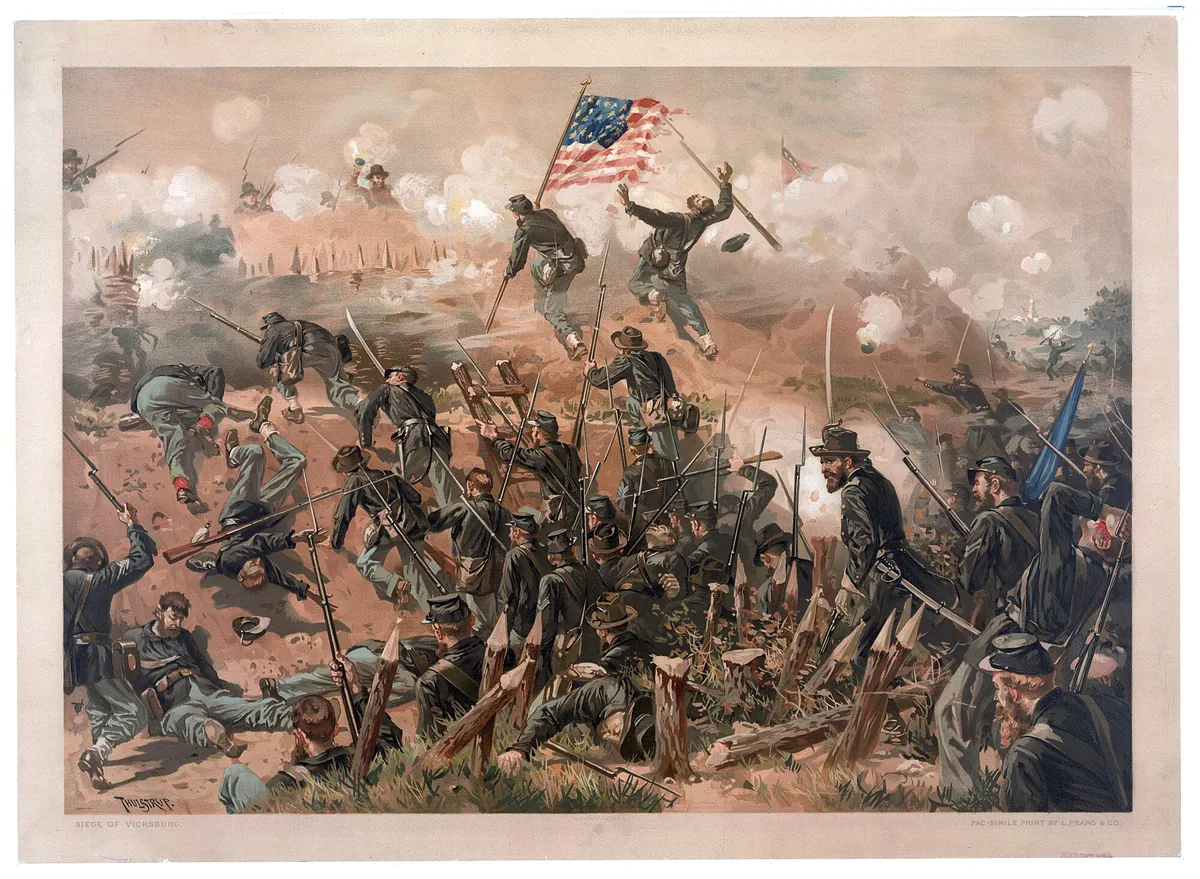
The bluffs above the Mississippi made Vicksburg worth dying for, and for 47 days in the summer of 1863, men did exactly that. Grant ringed the city on May 18 and didn't leave until Pemberton's garrison surrendered on July 4 — the day the Confederacy was effectively severed at the river. Vicksburg didn't celebrate Independence Day again for 81 years. What the siege left behind is still here: 1,800 acres of battlefield, 20 miles of reconstructed trenches, and more than 1,400 monuments — the second-largest collection of outdoor sculpture in the country. The Shirley House, built in 1836, absorbed shell and bullet fire through all 47 days while the family stayed inside; it's the only wartime structure still standing on these lines. Illinois alone sent 36,325 men. The memorial built to hold their names has 60 steps — one for each day of the campaign.
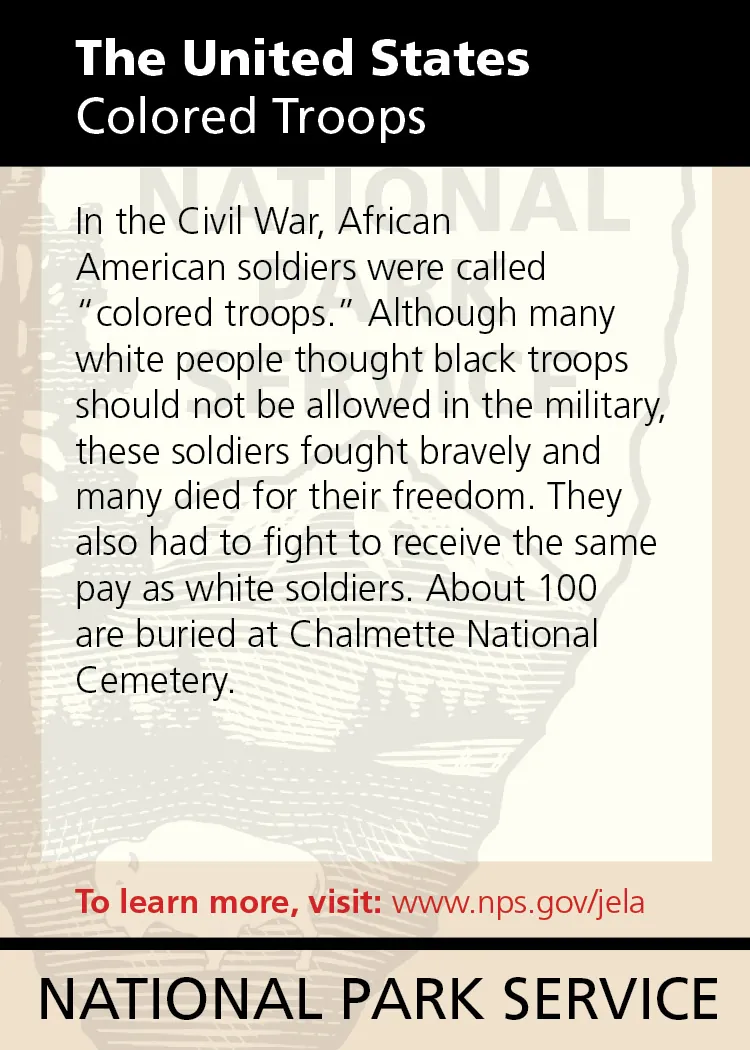
Approximately 1,300 United States Colored Troops fought in the Vicksburg campaign — some of them recently enslaved men fighting for their own freedom on ground where enslaved people had built the fortifications. For 141 years, no monument recognized them. After the war, Vicksburg's Black community built churches, schools, and businesses during Reconstruction, only to see those gains rolled back by Jim Crow. A century later, the city became a battleground again. During Freedom Summer 1964, organizers ran voter registration drives and freedom schools. The Old Baptist Association was bombed for hosting civil rights meetings. Myrlie Evers-Williams, born in Vicksburg, spent 31 years fighting to convict her husband Medgar's assassin. The African American Monument, dedicated in 2004, finally placed Black soldiers on the battlefield where they fought.
In 1876, the Mississippi River did what rivers do — it found a shorter path. A cutoff during a spring flood rerouted the main channel west, leaving Vicksburg stranded on a stagnant oxbow lake. The city that controlled the river no longer touched it. Commerce collapsed. Steamboats passed miles away. For 27 years, the 'Key to the South' was landlocked. Then the Army Corps of Engineers executed one of the boldest hydrological interventions in American history: they diverted the Yazoo River south through the old Mississippi riverbed, carving a new channel right through downtown. In 1903, Vicksburg declared itself a river city again. The Yazoo Diversion Canal runs through the heart of the city today — its floodwall covered in murals that tell the story of a place that refused to die when the river left.
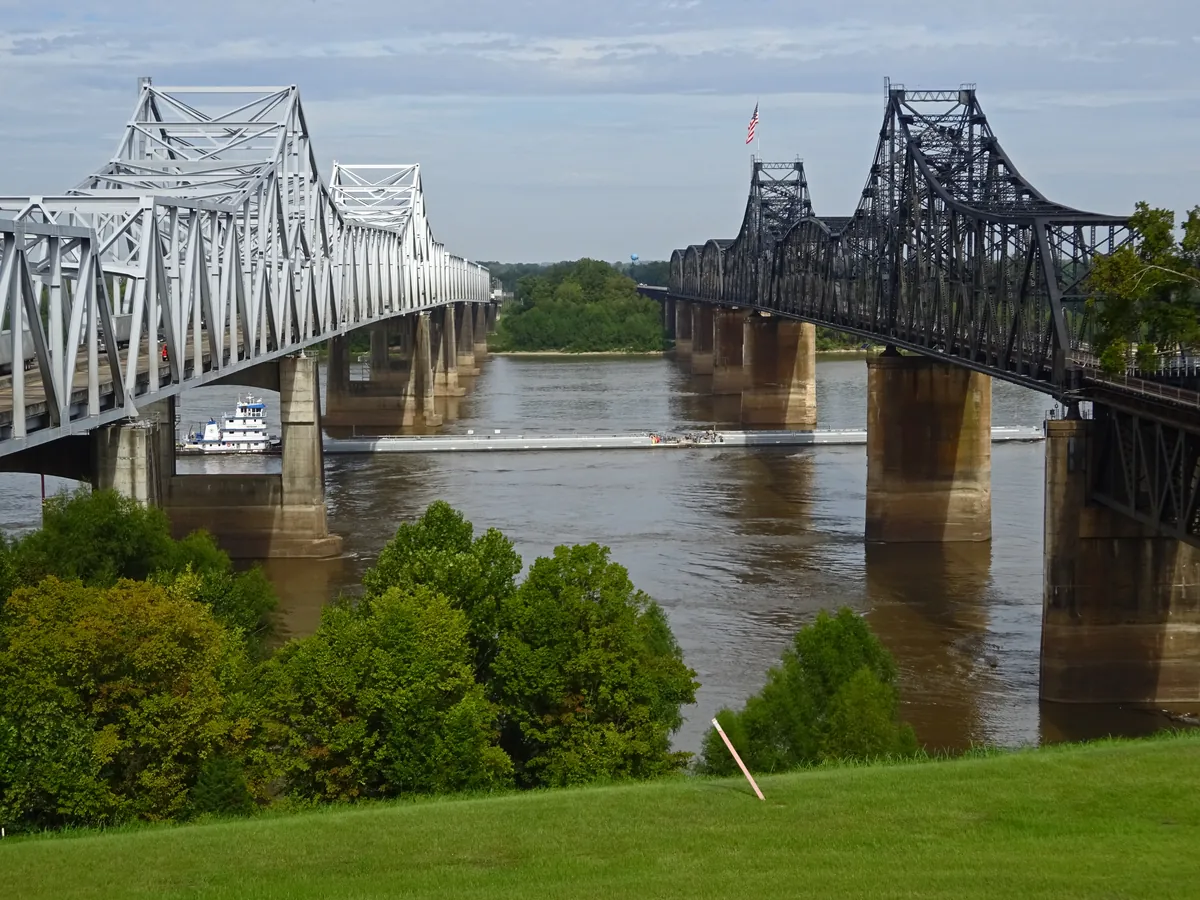
Vicksburg had one of the most significant Jewish communities in Mississippi by the 1850s — merchants, cotton factors, civic leaders. They stayed through the siege. Then in December 1862, Ulysses S. Grant issued General Order No. 11, expelling all Jews from the entire military district of Tennessee, Mississippi, and Kentucky. It was the most sweeping act of official anti-Semitism in American history. Cesar Kaskel, a Paducah merchant, took a delegation to Washington. Lincoln revoked the order within weeks. The Jewish families of Vicksburg endured the siege, the expulsion order, and Reconstruction. Congregation Anshe Chesed, founded in 1849, still marks their presence. Their cemetery holds the graves of families who chose to stay when their country told them to leave.
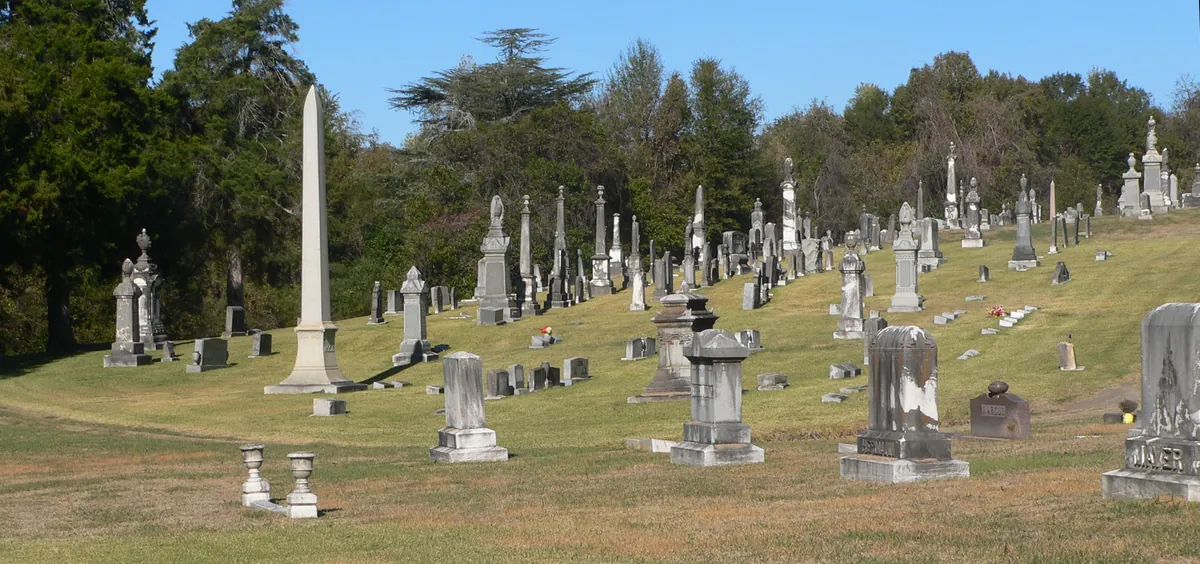
For 47 days in the summer of 1863, Vicksburg was a city of the dying. Soldiers bled out in parlors turned into field hospitals. Civilians sheltered in hand-dug caves while shells shook the earth above them. Thousands of men — Union and Confederate — died in trenches close enough to throw hardtack across. When a city absorbs that much death in that short a time, the stories don't stop when the shooting does. McRaven may be the most concentrated example. Three houses built across three eras, and violence layered into every one. The original 1797 cottage predates statehood. The final Greek Revival addition went up just before the war. During the siege, Confederate soldiers occupied the grounds. In 1864, Union troops murdered the owner, John Bobb, in his own garden — shot him, then bayoneted him in a dispute over firewood. National Geographic called it the most haunted house in Mississippi. Visitors and tour guides report footsteps, cold spots, apparitions on the staircase, and the sound of a man gasping in the garden where Bobb died. Duff Green Mansion served as a hospital for wounded soldiers from both sides — one of the few buildings in Vicksburg that held Union and Confederate casualties under the same roof. When bombardment made the upper floors lethal, patients and the Green family moved to a cave behind the house. Mary Green gave birth to a son in that cave and named him Siege Green. The mansion operates today as a bed and breakfast. Guests report doors opening on their own, footsteps in empty hallways, and the sound of moaning from rooms where soldiers once lay dying. Cedar Grove still has a Union cannonball lodged in its parlor wall — left there deliberately as a souvenir of the bombardment. Guests at the inn report a woman in period dress on the upper gallery and unexplained sounds from the parlor where the shell struck. The battlefield itself may be the most haunted ground in the state. More than 17,000 Union dead are buried in the National Cemetery — nearly 13,000 of them unknown. Confederate dead lie across town at Cedar Hill. The Shirley House, the only wartime structure still standing on the siege lines, sits exactly on the front — Confederate trenches to the south, Union approaches to the north. The family survived 47 days inside while armies fought in their yard. Vicksburg's ghost reputation isn't manufactured for tourism. It's a direct inheritance from the siege. The hauntings map onto the history: the hospitals, the caves, the trenches, the murder sites. Every ghost story in Vicksburg is a war story first.
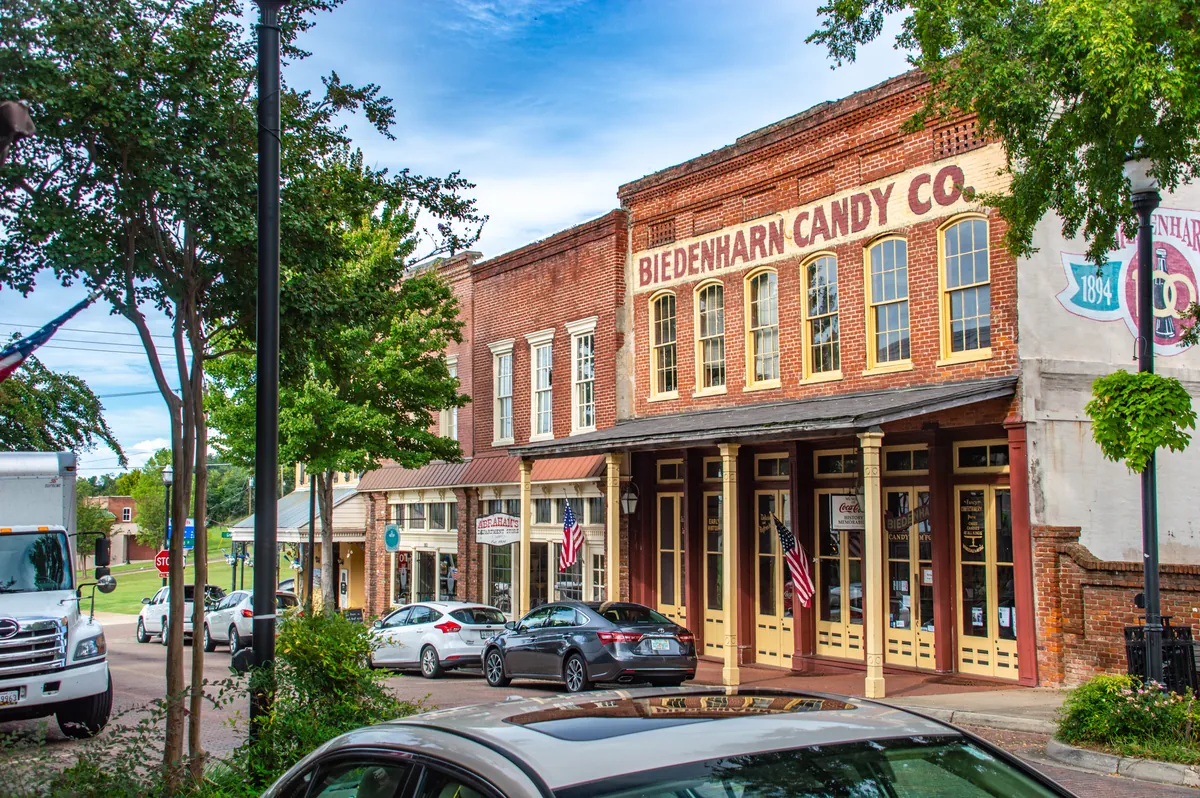
In 1894, a candy store owner in Vicksburg named Joseph Biedenharn solved a problem nobody at Coca-Cola headquarters was trying to solve. He had been selling Coke as a fountain drink at his Washington Street store, but his rural customers had no soda fountains. So he bottled it. He sent a case to Asa Griggs Candler in Atlanta. Candler thanked him but didn't pursue it. Biedenharn kept bottling anyway, eventually expanding into Louisiana and Texas. What he had invented — without corporate approval, without a marketing plan, from a candy store in a Mississippi river town — was the independent franchise bottling model that turned a regional fountain drink into the most recognized brand on Earth.
When the shelling began, 4,000 civilians had nowhere to go. So they dug. The loess bluffs that made Vicksburg a fortress also made it possible to carve horizontal caves into the yellow-brown hillsides — quickly, by hand, without shoring. Families moved in. The caves ranged from crude holes to elaborate multi-room shelters with rugs, furniture, and ventilation shafts. Some charged rent. Church services were held underground. Women cooked in the cave mouths between bombardments. Diarist Mary Ann Loughborough wrote one of the most vivid civilian accounts of the war from inside a Vicksburg cave. By the end of the 47 days, the city above was rubble. The city below had kept its people alive.
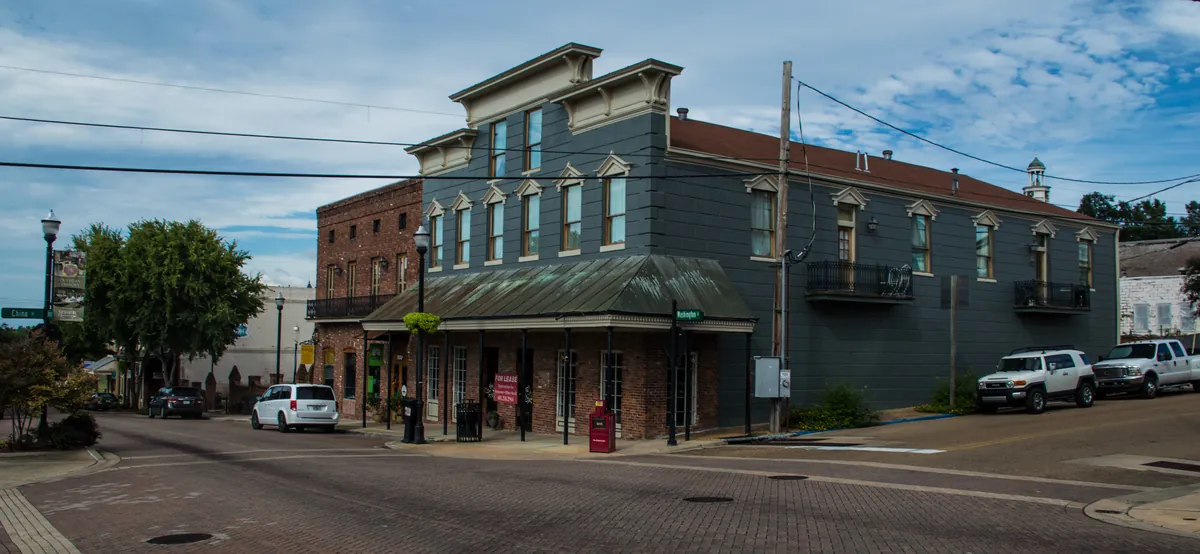
For 47 days in the summer of 1863, Vicksburg was the most important place in America. Grant's army encircled the city. Confederate defenders held the bluffs. And 4,000 civilians — men, women, children — dug caves into the loess hillsides and lived underground while shells rained down. They ate mule meat and rats. They held church services in caves. A woman named Mary Green gave birth in one. When the city surrendered on July 4th, Abraham Lincoln declared that 'the Father of Waters again goes unvexed to the sea.' Vicksburg refused to celebrate the Fourth of July for 81 years. The siege didn't just decide a war — it defined a city's identity for the next century and a half.
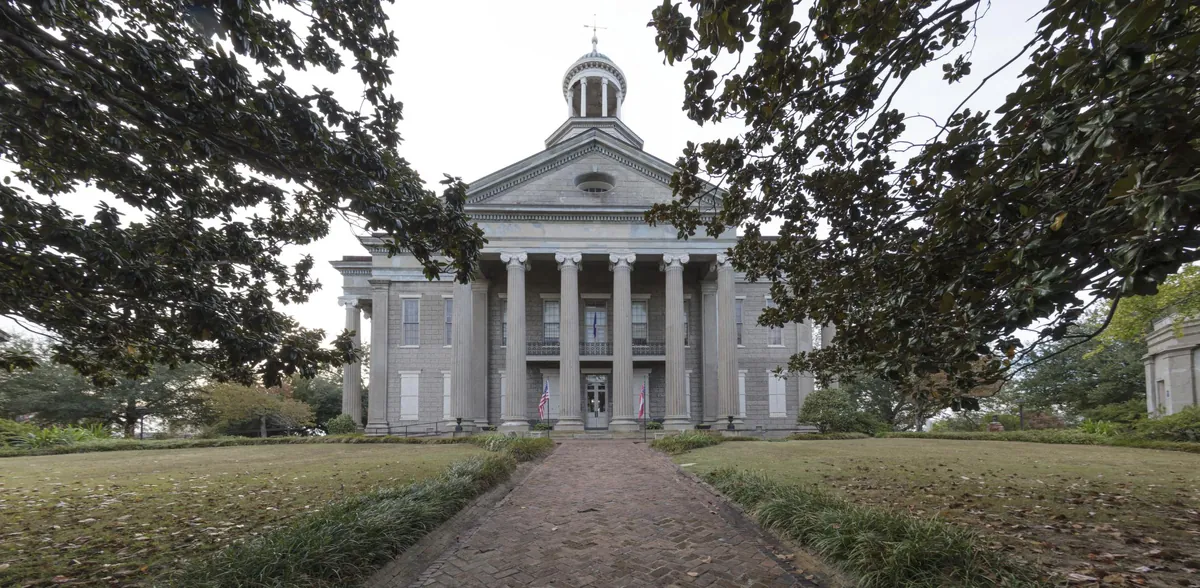
Lost places
Happening this month
Tickets & Shows
Before you go
Plan your trip
The only thing left to do is go.
Some of these are partner links — if you book through them, Portage may earn a commission at no extra cost to you.
Plan your visit
Editorial content compiled with AI assistance. Place details verified against public records.