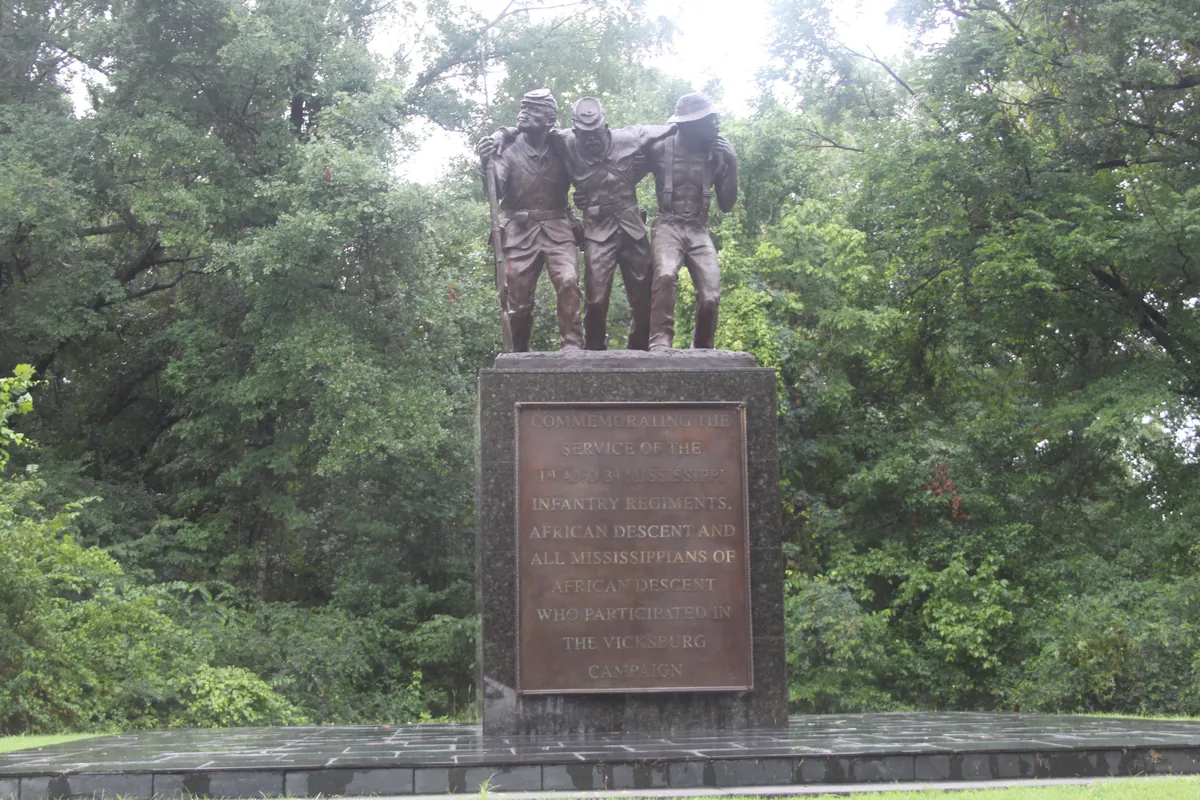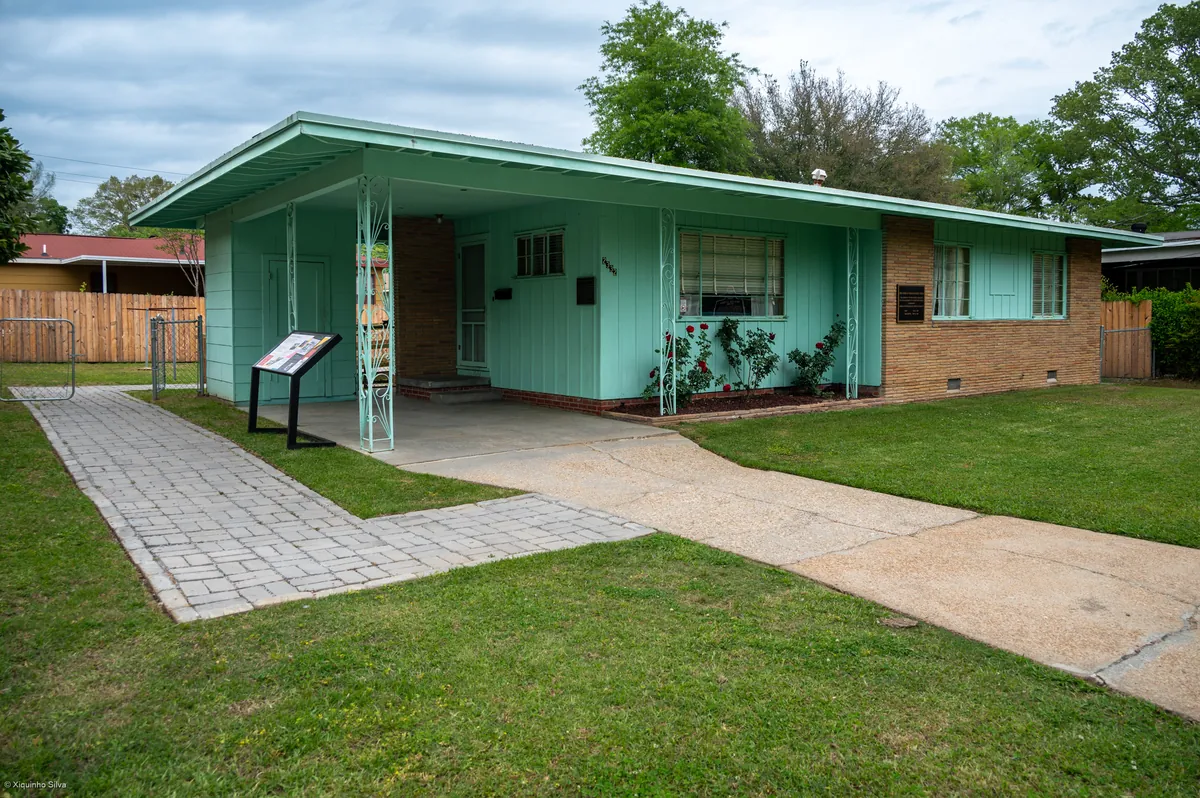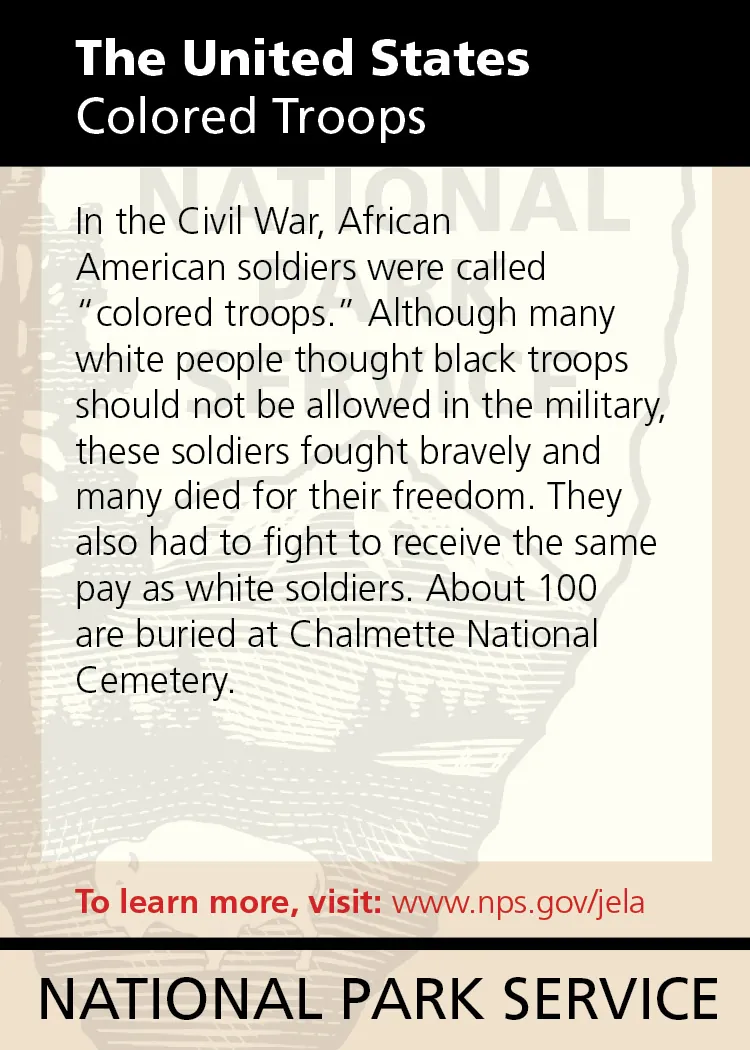
Approximately 1,300 United States Colored Troops fought in the Vicksburg campaign — some of them recently enslaved men fighting for their own freedom on ground where enslaved people had built the fortifications. For 141 years, no monument recognized them. After the war, Vicksburg's Black community built churches, schools, and businesses during Reconstruction, only to see those gains rolled back by Jim Crow. A century later, the city became a battleground again. During Freedom Summer 1964, organizers ran voter registration drives and freedom schools. The Old Baptist Association was bombed for hosting civil rights meetings. Myrlie Evers-Williams, born in Vicksburg, spent 31 years fighting to convict her husband Medgar's assassin. The African American Monument, dedicated in 2004, finally placed Black soldiers on the battlefield where they fought.