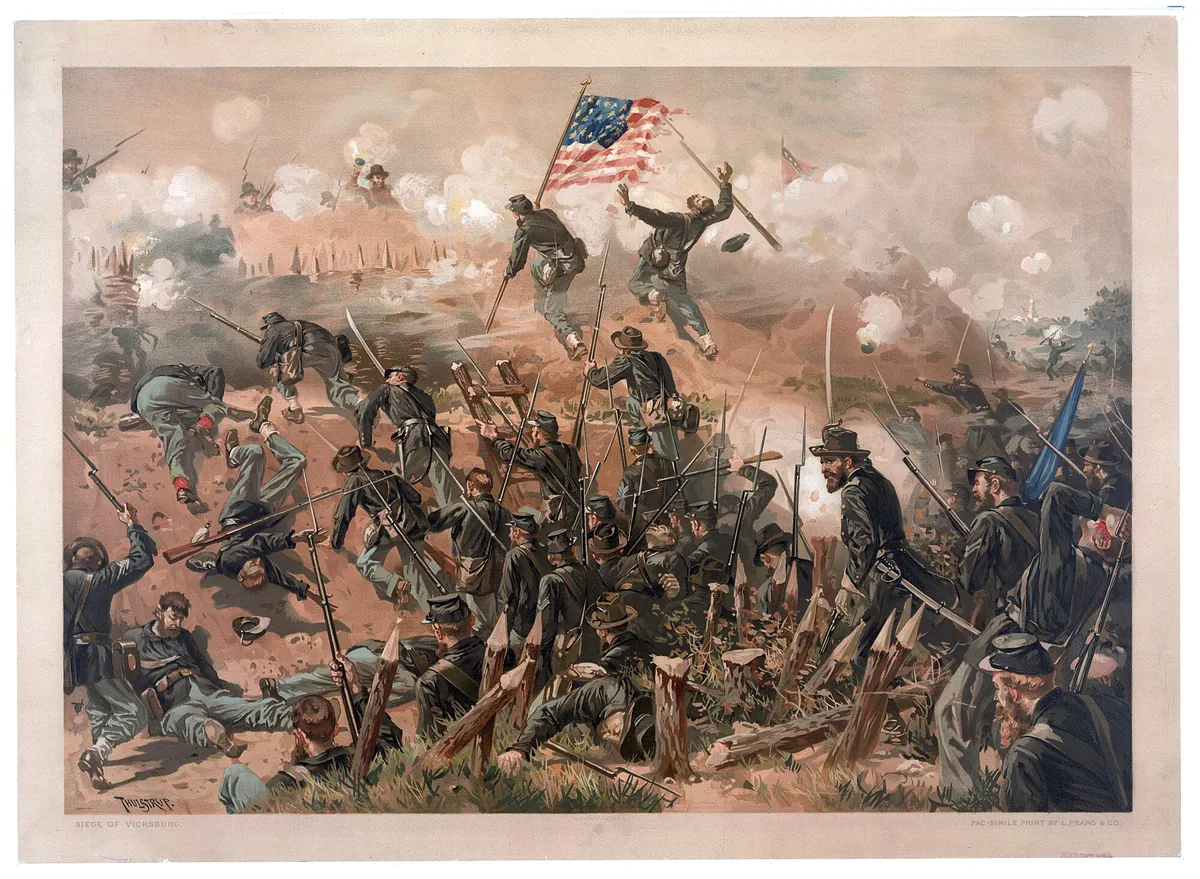
For 47 days in the summer of 1863, Vicksburg was a city of the dying. Soldiers bled out in parlors turned into field hospitals. Civilians sheltered in hand-dug caves while shells shook the earth above them. Thousands of men — Union and Confederate — died in trenches close enough to throw hardtack across. When a city absorbs that much death in that short a time, the stories don't stop when the shooting does.
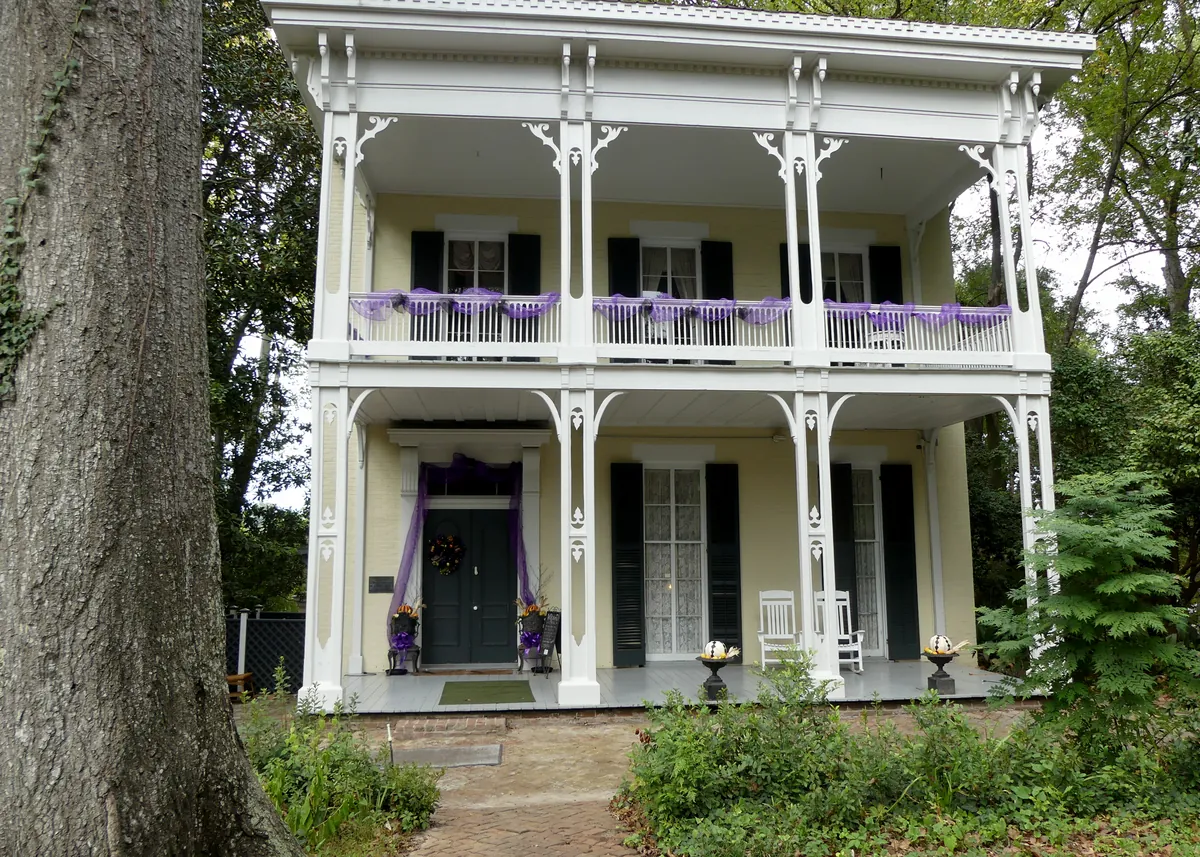
McRaven may be the most concentrated example. Three houses built across three eras, and violence layered into every one. The original 1797 cottage predates statehood. The final Greek Revival addition went up just before the war. During the siege, Confederate soldiers occupied the grounds. In 1864, Union troops murdered the owner, John Bobb, in his own garden — shot him, then bayoneted him in a dispute over firewood. National Geographic called it the most haunted house in Mississippi. Visitors and tour guides report footsteps, cold spots, apparitions on the staircase, and the sound of a man gasping in the garden where Bobb died.
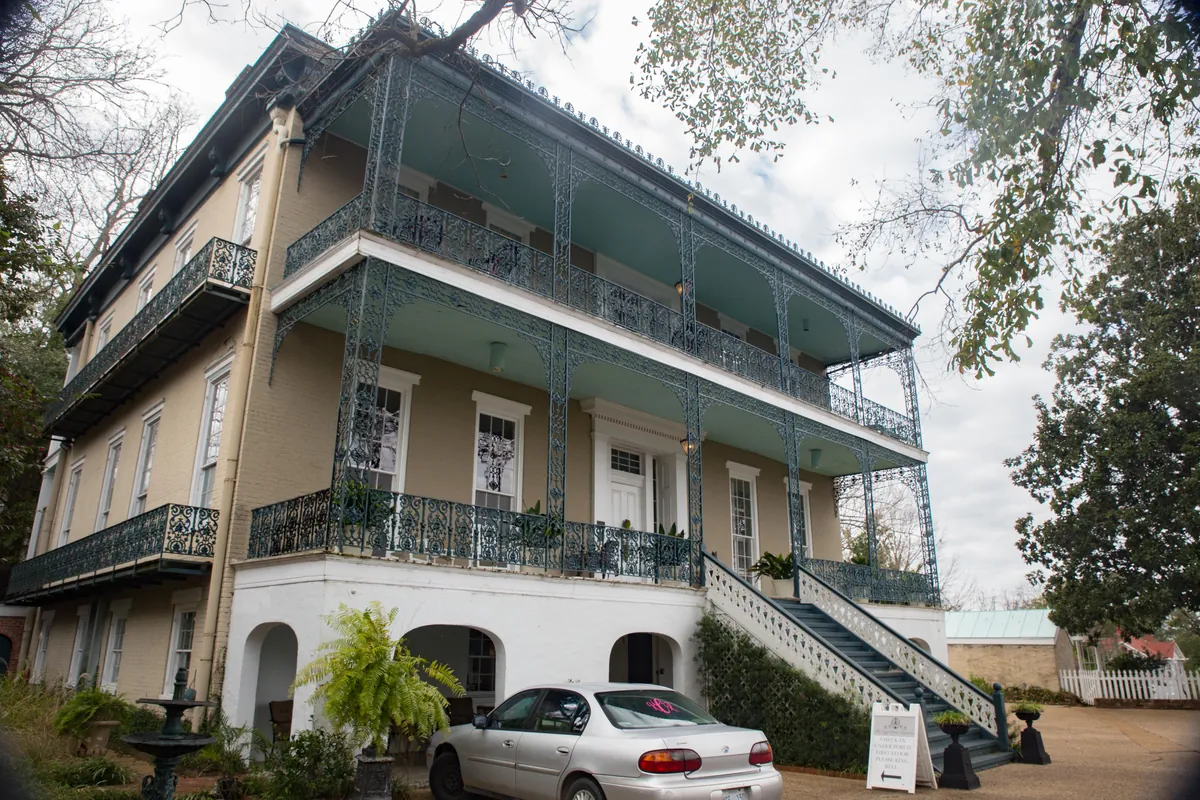
Duff Green Mansion served as a hospital for wounded soldiers from both sides — one of the few buildings in Vicksburg that held Union and Confederate casualties under the same roof. When bombardment made the upper floors lethal, patients and the Green family moved to a cave behind the house. Mary Green gave birth to a son in that cave and named him Siege Green. The mansion operates today as a bed and breakfast. Guests report doors opening on their own, footsteps in empty hallways, and the sound of moaning from rooms where soldiers once lay dying.
Cedar Grove still has a Union cannonball lodged in its parlor wall — left there deliberately as a souvenir of the bombardment. Guests at the inn report a woman in period dress on the upper gallery and unexplained sounds from the parlor where the shell struck.
The battlefield itself may be the most haunted ground in the state. More than 17,000 Union dead are buried in the National Cemetery — nearly 13,000 of them unknown. Confederate dead lie across town at Cedar Hill. The Shirley House, the only wartime structure still standing on the siege lines, sits exactly on the front — Confederate trenches to the south, Union approaches to the north. The family survived 47 days inside while armies fought in their yard.
Vicksburg's ghost reputation isn't manufactured for tourism. It's a direct inheritance from the siege. The hauntings map onto the history: the hospitals, the caves, the trenches, the murder sites. Every ghost story in Vicksburg is a war story first.