The Siege Line — Battlefield Driving Tour
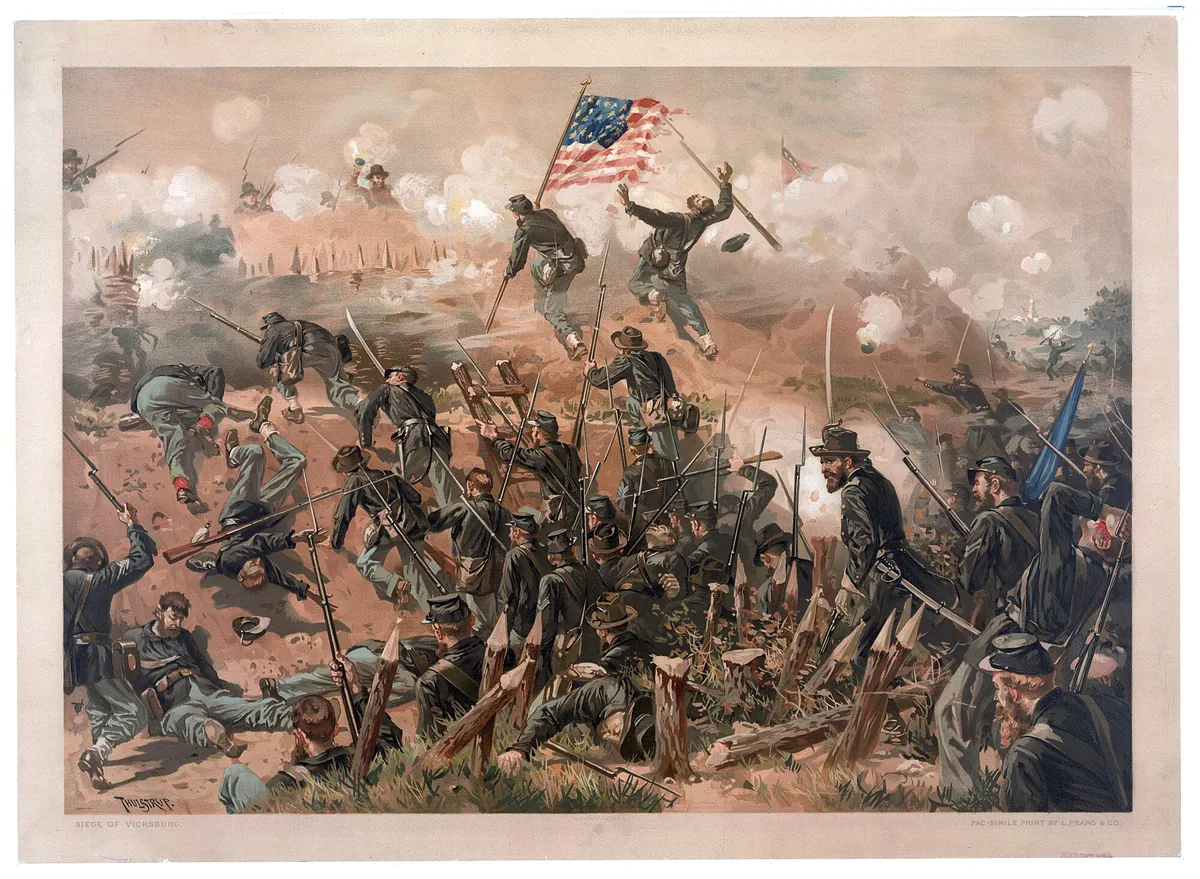
Lincoln called Vicksburg the key, and the 16-mile park road shows you why. Grant encircled the city May 19 and starved it until July 4, 1863 — the same day Lee retreated from Gettysburg. names all 36,325 Illinois soldiers who served here The Shirley House is the only wartime structure still standing on the field. The USS Cairo, raised from Yazoo mud in 1964, was the first warship in history sunk by an electrically detonated mine. The cemetery holds 17,000 Union dead, nearly 13,000 unknown. Vicksburg refused to celebrate the Fourth of July for 81 years.
The route
- 1Military·1863 / est. 1899·NHLVicksburg National Military Park
Forty-seven days. That was the length of the siege that severed the Confederacy in two. From May 18 to July 4, 1863, Union forces under Ulysses S. Grant ringed Vicksburg's defensive lines after two frontal assaults failed with heavy casualties. On the final day, Pemberton's garrison surrendered. Combined with the fall of Port Hudson nine days later, the Union controlled the Mississippi River for the rest of the war. Lincoln called Vicksburg "the key to the war." The 1,800-acre park preserves the battlefield as terrain. Twenty miles of reconstructed trenches and earthworks trace the Union and Confederate lines exactly where they were dug. More than 1,400 monuments, markers, and tablets mark the siege — the second-largest collection of outdoor sculpture in the United States. A sixteen-mile driving tour follows the siege chronologically from Grant's approach to the surrender. Licensed battlefield guides work from the visitor center; they're the best way to understand what the ground itself demanded. The park also holds the gunboat USS Cairo, sunk by torpedo on the Yazoo River on December 12, 1862 — the first U.S. ship ever destroyed that way — and recovered in 1964. Grant's Canal, a detached section across the river near Delta, Louisiana, preserves the remnants of an attempt to bypass Confederate guns by rerouting the Mississippi itself. Commenced in June 1862 under Benjamin Butler, halted in July due to disease and falling water, then restarted in January 1863 under Sherman at Grant's order, the canal failed for technical reasons. Neither Grant nor Sherman believed it would work, but Lincoln favored the scheme, and Grant used it to keep his troops occupied during the maneuvering that led to the siege. The Vicksburg National Cemetery, 116 acres within the park, holds 18,244 interments from the campaign and later conflicts. Twelve thousand nine hundred fifty-four are unidentified. The park was established February 21, 1899, transferred to the National Park Service in 1933, and listed on the National Register of Historic Places in 1966. More than half a million visitors come each year. Open daily dawn to dusk. Visitor center 8am–5pm. Free admission.
 2Historic Site·1906·NRHPIllinois Memorial
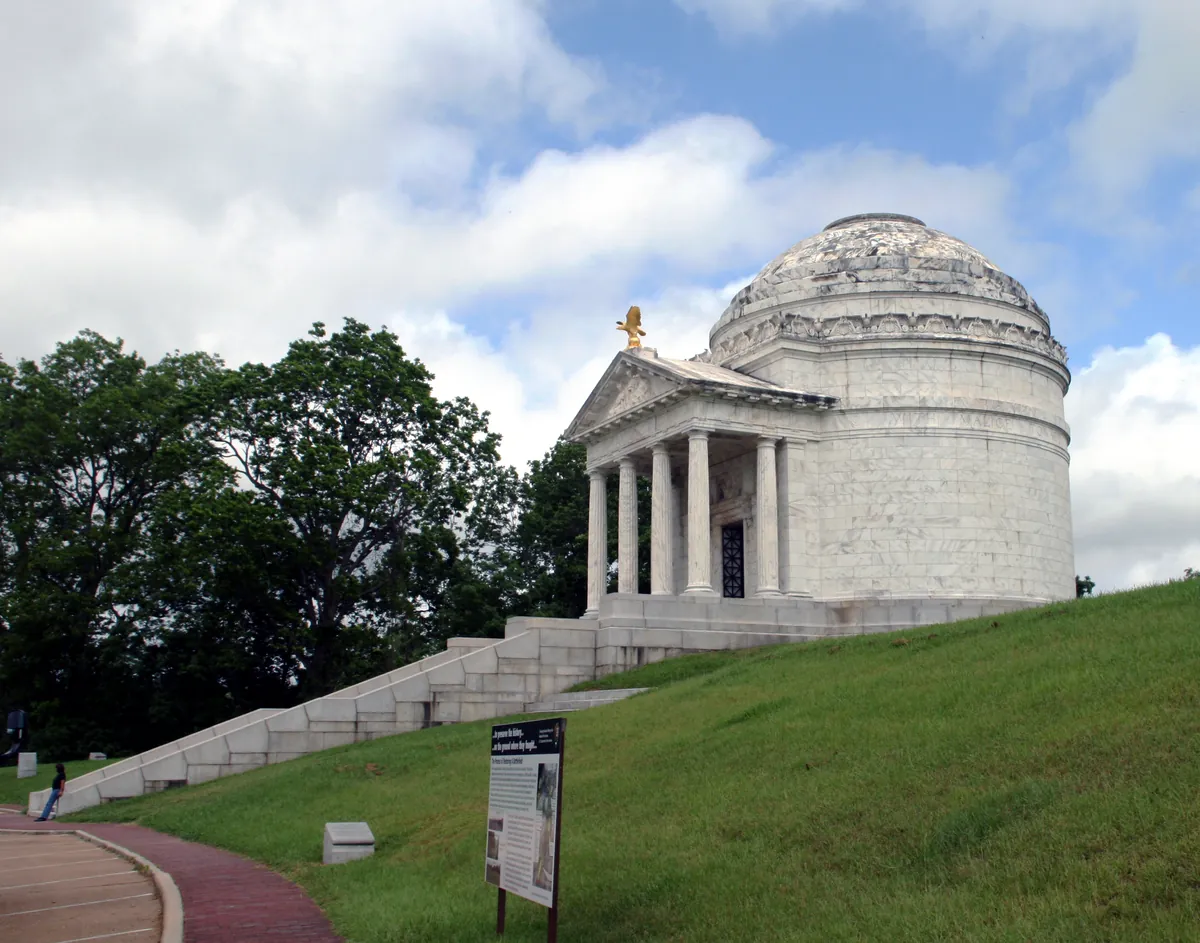
The largest state memorial in the entire National Military Park system — modeled after the Pantheon in Rome. Illinois sent more soldiers to the Siege of Vicksburg than any other state: 36,325 men. The memorial, dedicated in 1906, lists every one of their names on bronze tablets inside. Sixty steps — one for each day of the campaign — lead up to the columned portico. The interior dome rises 75 feet. It is both a monument and a registry of the dead, built to ensure that the scale of Illinois's sacrifice would never be reduced to a number.
 3Historic Site·2004African American Monument
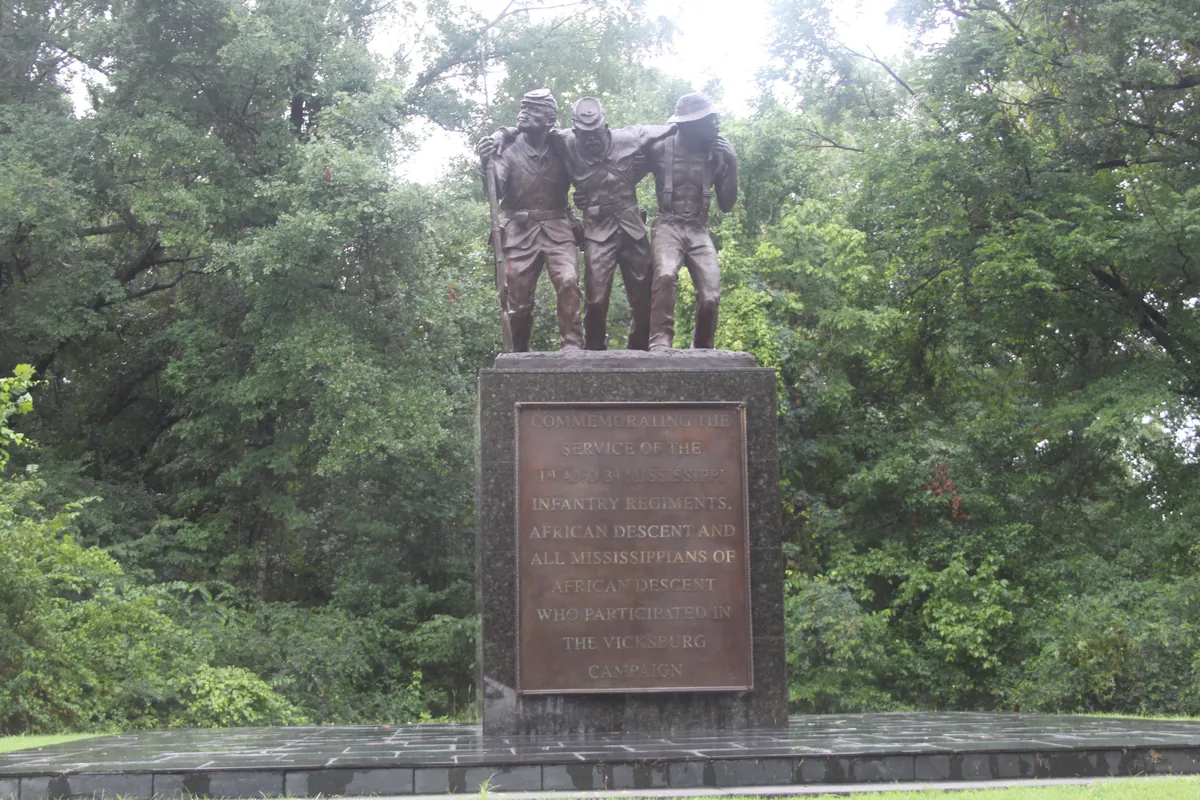
A fortress city built on a high bluff where the Mississippi bends, Vicksburg spent 47 days under siege in 1863 before its surrender split the Confederacy and turned the war. The African American Monument — three bronze figures on black African granite — was dedicated in 2004, 141 years later, the first monument in any national military park to honor African American contributions in the Civil War. Approximately 1,300 United States Colored Troops served in the Vicksburg campaign. The inscription reads: "Serving in a double capacity, that of citizen and soldier." Dr. Shirley Whitfield Lucas, a Mississippi native, sculpted the figures. The monument stands along the park tour road, open during park hours. Admission is free.
 4Architecture·1836·NRHPShirley House
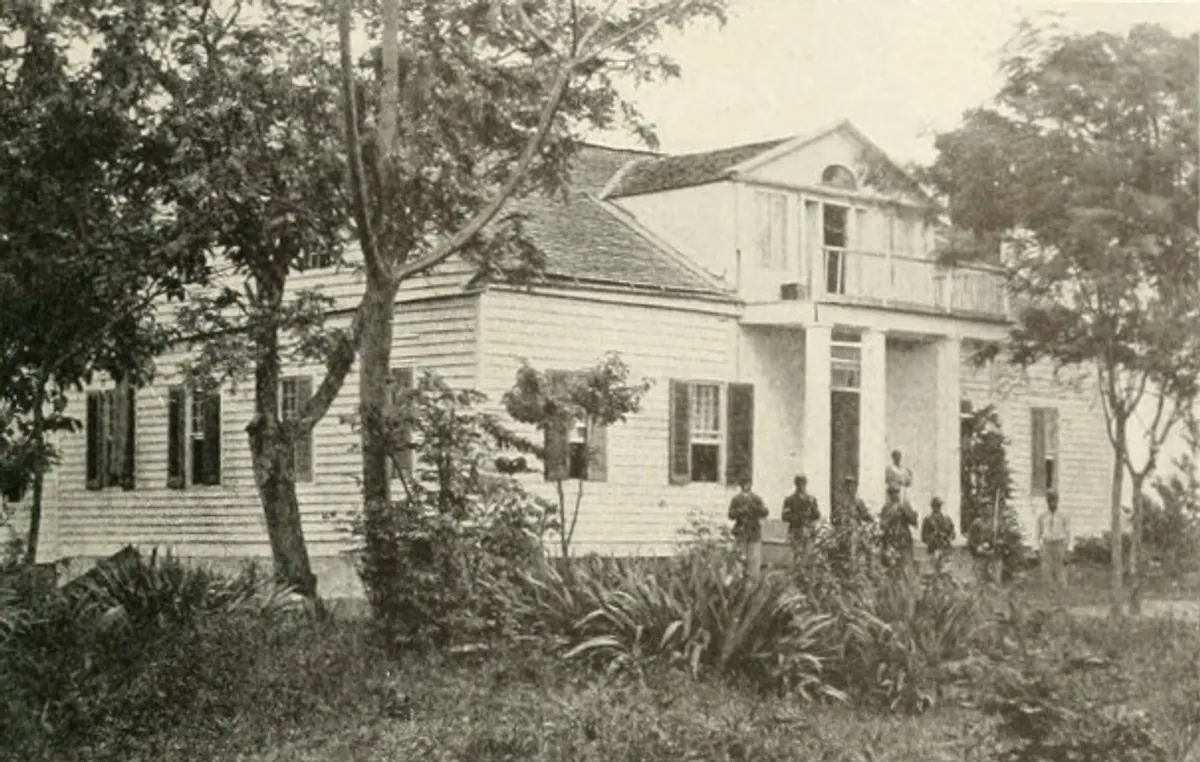
When Grant's army crossed the river in May 1863 and drove Pemberton's forces back into the city, the ridge James Shirley had chosen in 1836 for his house became siege ground. Union soldiers took it as a headquarters and called it the White House. The Shirley family stayed inside through all 47 days—through the assaults on May 19 and 22, through the slow tightening of the siege that ended on July 4 when Pemberton surrendered and the Mississippi River passed to Union control for the rest of the war. The house stood on the line where the outcome was decided. Shell and bullet damage is still visible on the structure. It is the only wartime building left standing on the battlefield. You can see it from the park tour road. The interior is not open, but the scars are enough—this is what it looked like to hold ground when the key to the war, as Lincoln called Vicksburg, was being turned.
 5Museum·1862 / recovered 1964·NRHPUSS Cairo Gunboat & Museum
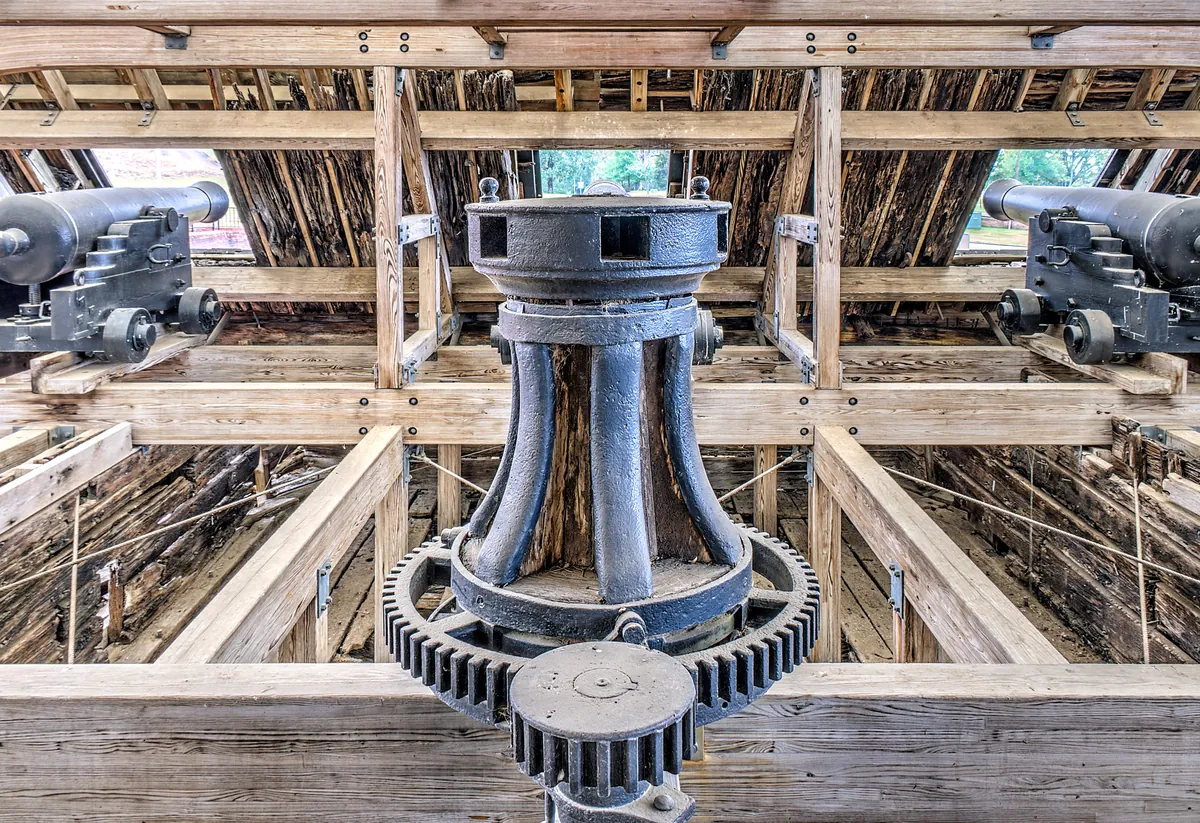
James Eads built USS Cairo in Mound City, Illinois, in 1861, one of the City-class casemate ironclads that served as river gunboats. She captured the Confederate garrison at Fort Pillow in June 1862. On June 6, she joined seven Union ships and a tug off Memphis against eight Confederate gunboats. Five enemy vessels sank or ran ashore, two were damaged, one escaped. On December 12, 1862, while clearing mines from the Yazoo River before an attack on Haines Bluff, Cairo struck a torpedo detonated by volunteers hidden behind the riverbank. She sank in twelve minutes. All 175 crew escaped. Vicksburg's surrender in July 1863 marked the turning point of the Civil War. Cairo went down eighteen months earlier, forgotten under silt and sand. Impacted in mud, she became a time capsule. Edwin Bearss of Vicksburg National Military Park studied Civil War maps and set out with a simple magnetic compass. With Don Jacks and Warren Grabau, he found the ship in 1956. In October 1964, 3-inch cables cut deeply into the wooden hull during salvage. The ironclad could not be lifted intact. They cut Cairo into three sections and towed the battered remains to Vicksburg. Funding delays halted restoration until June 1977, when the vessel was transported to the park and partially reconstructed on a concrete foundation near the National Cemetery. A shelter was completed in October 1980. The museum opened in November. The recovery revealed weapons, ammunition, naval stores, and personal gear. A sailor's rope knife survives in good condition. Only three other Civil War-era ironclads exist. The gunboat sits within Vicksburg National Military Park near the National Cemetery. Museum open daily 8:30am–5pm. Free.
 6Historic Site·1866·NRHPVicksburg National Cemetery
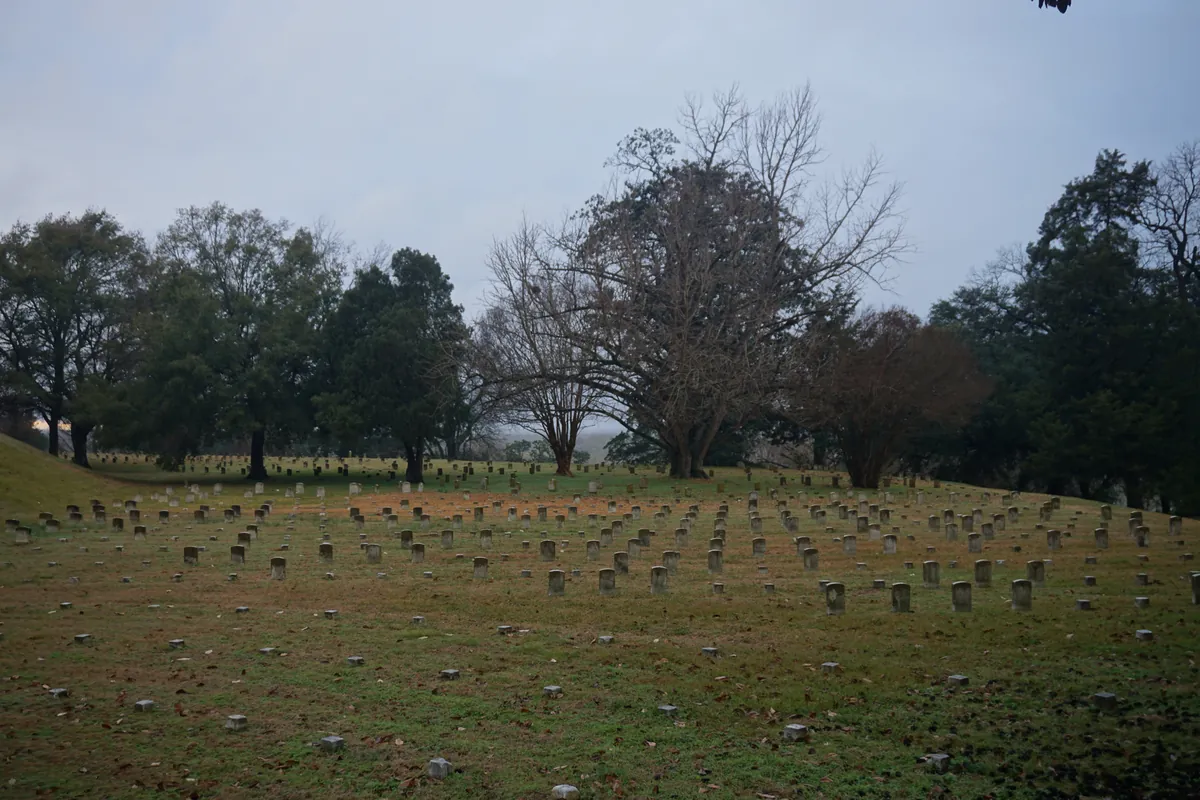
Seventeen thousand Union soldiers rest in concentric arcs on the hillside where they fell. Nearly thirteen thousand have no names. Vicksburg National Cemetery was established in 1866, three years after the siege ended — time enough to understand the scale of what had happened here, not enough to know who most of the dead were. This is the second-largest Civil War national cemetery after Arlington. The headstones curve along the terrain in rows that follow the bluff's contour, a geometry that makes the count visible. Civil War interments continued through 1874. The cemetery holds 18,244 burials spanning every American conflict from the Civil War through Vietnam, including one Commonwealth war grave — a Royal Australian Air Force airman from World War II. The Confederate dead were buried separately at Cedar Hill Cemetery. After the war, local women gathered the remains and interred them across town. The division holds: two cemeteries, two causes, one siege that gave the Union control of the Mississippi River and split the Confederacy in half. Vicksburg National Cemetery lies within Vicksburg National Military Park, which preserves the siege site and the broader campaign. The park includes 1,325 monuments, 20 miles of historic trenches, and the restored gunboat USS Cairo, sunk by torpedo in 1862 and raised from the Yazoo River in 1964. The Illinois Memorial has 47 steps, one for each day the city was besieged. The cemetery is open daily, dawn to dusk. Free.