Top picks in Natchitoches
The places most worth your time here.
Connect your Cour circle to see which places friends and family recommend here.
Connect Cour →Landmarks
45 places worth the detour
Includes 2 ghost landmarks— places that existed here and don’t anymore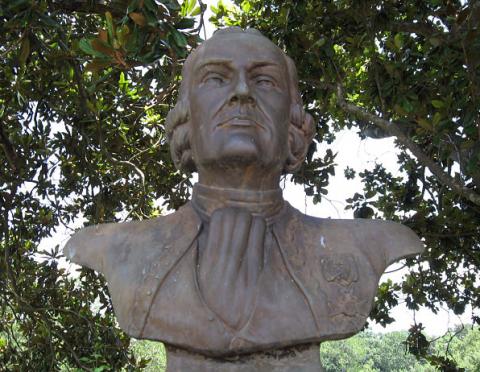
tap the eye to open · swipe or use buttons to browse
Natchitoches sits in the middle of Louisiana's red-clay country, where the Red River once carried everything that mattered — trade goods, cotton bales, settlers — toward New Orleans and the Gulf. The…
Read the full storyOn the map
Tours
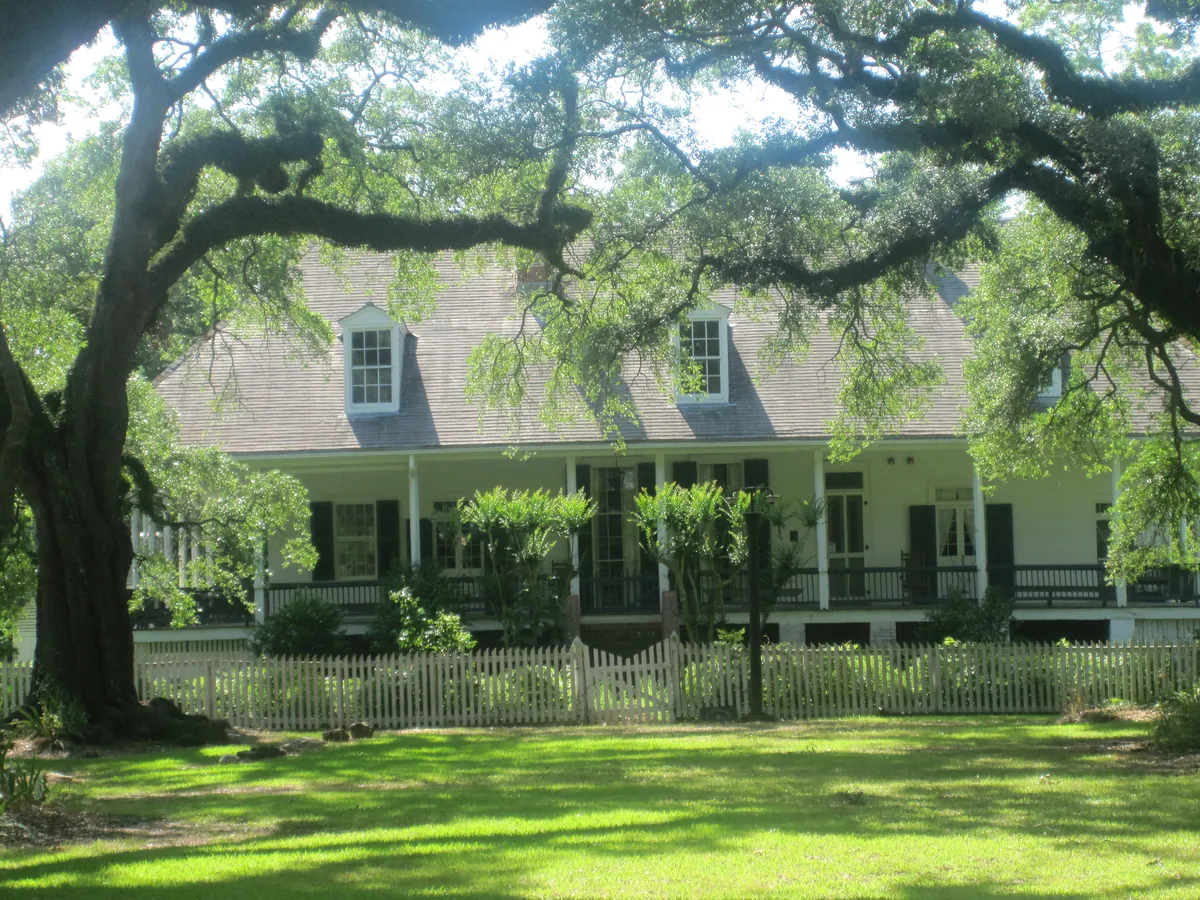
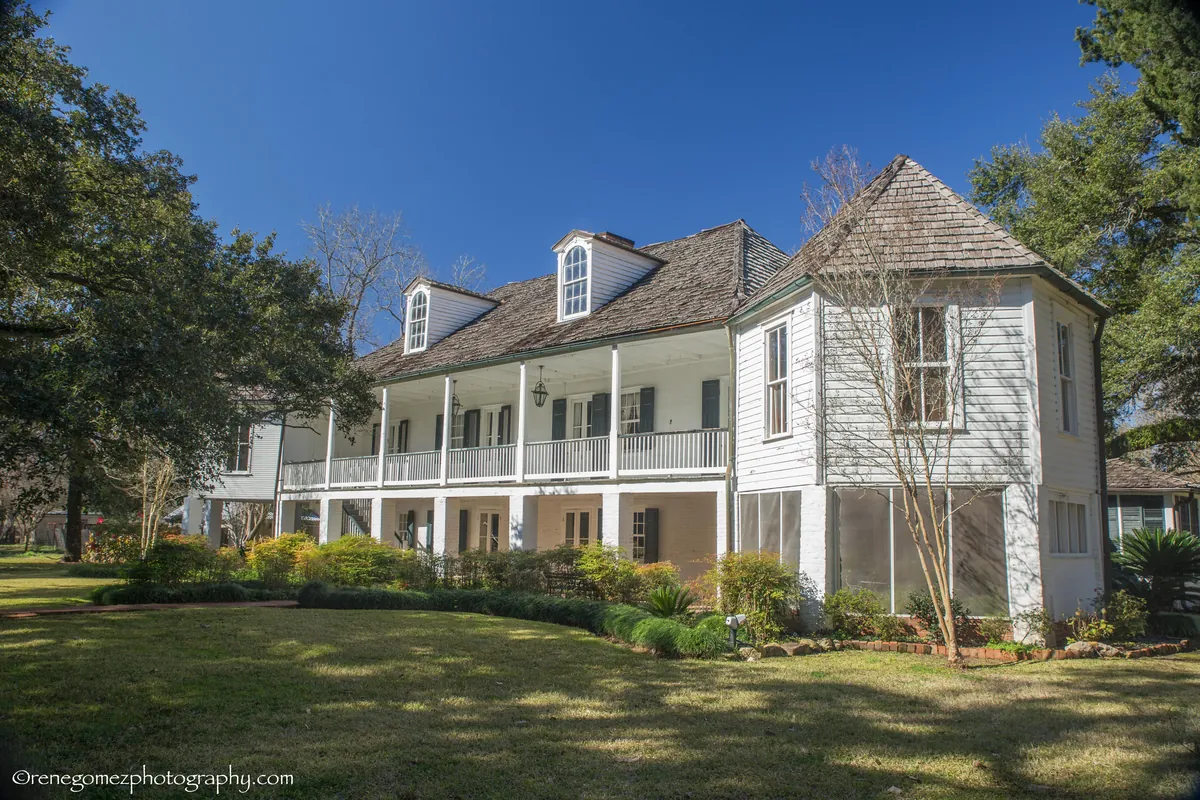
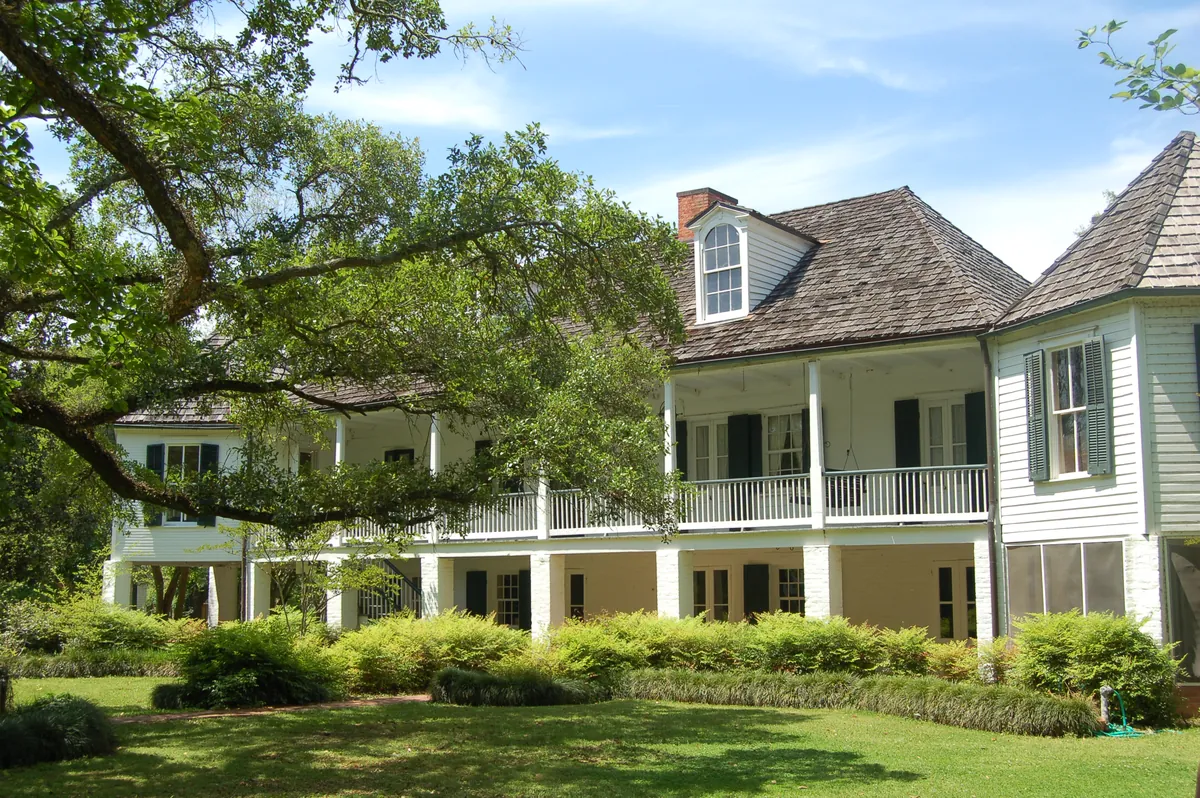
Marie Therese Coincoin was born enslaved in 1762, freed in 1778, and her sons built one of the largest plantations in the antebellum South owned by free people of color. That story runs the Cane River alongside the white planter version. Melrose and St. Augustine Church on Isle Brevelle anchor the gens de couleur libres community; Oakland and Magnolia, both NPS units, preserve seventeen and eighteen original outbuildings of the cotton aristocracy across the water. Same river, same decades, two Americas.
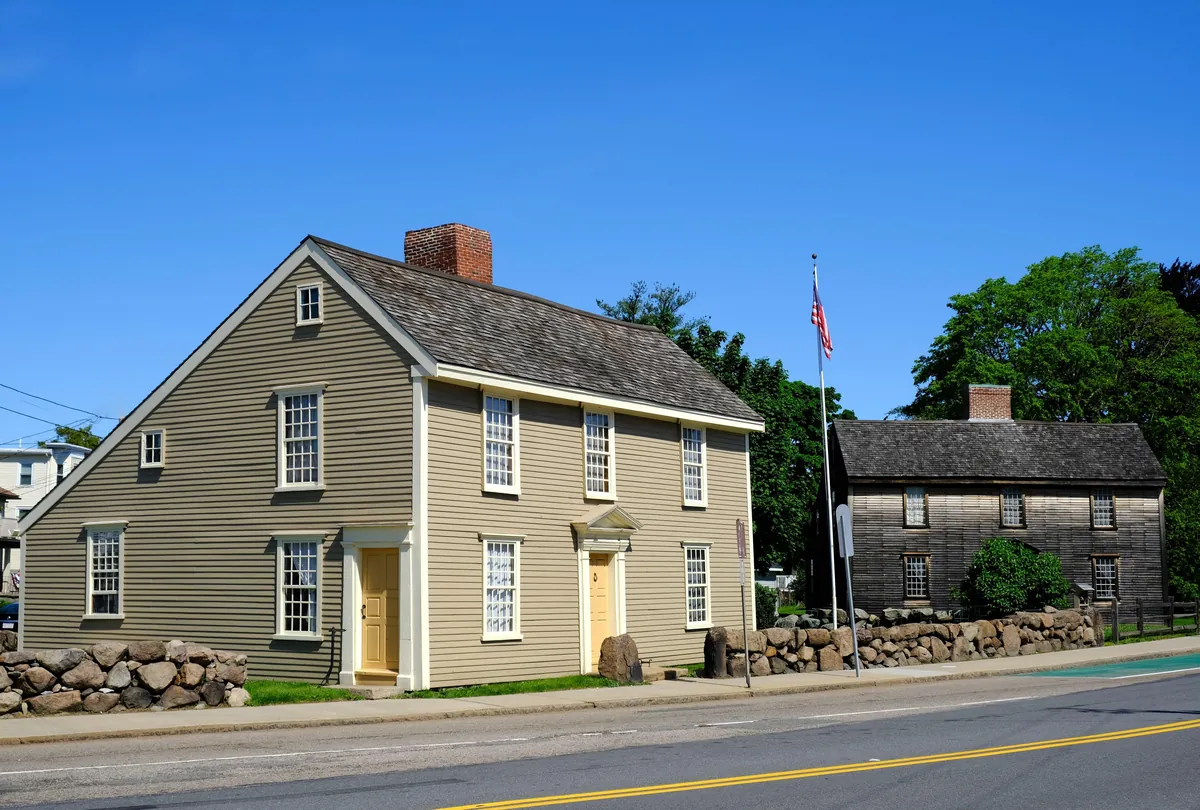
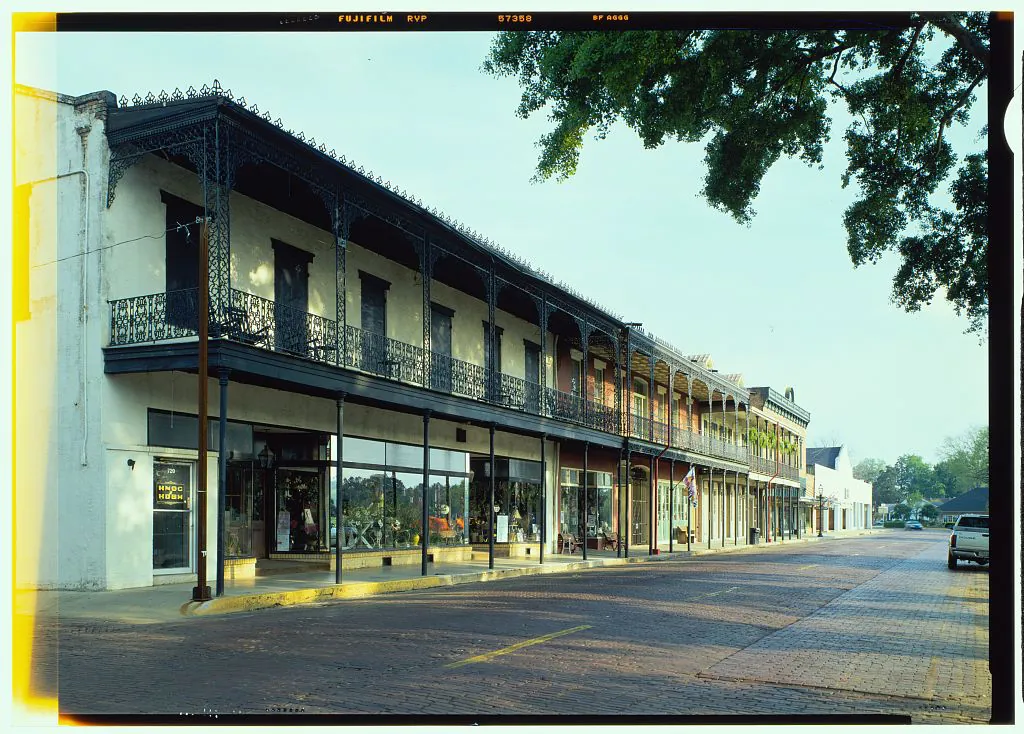
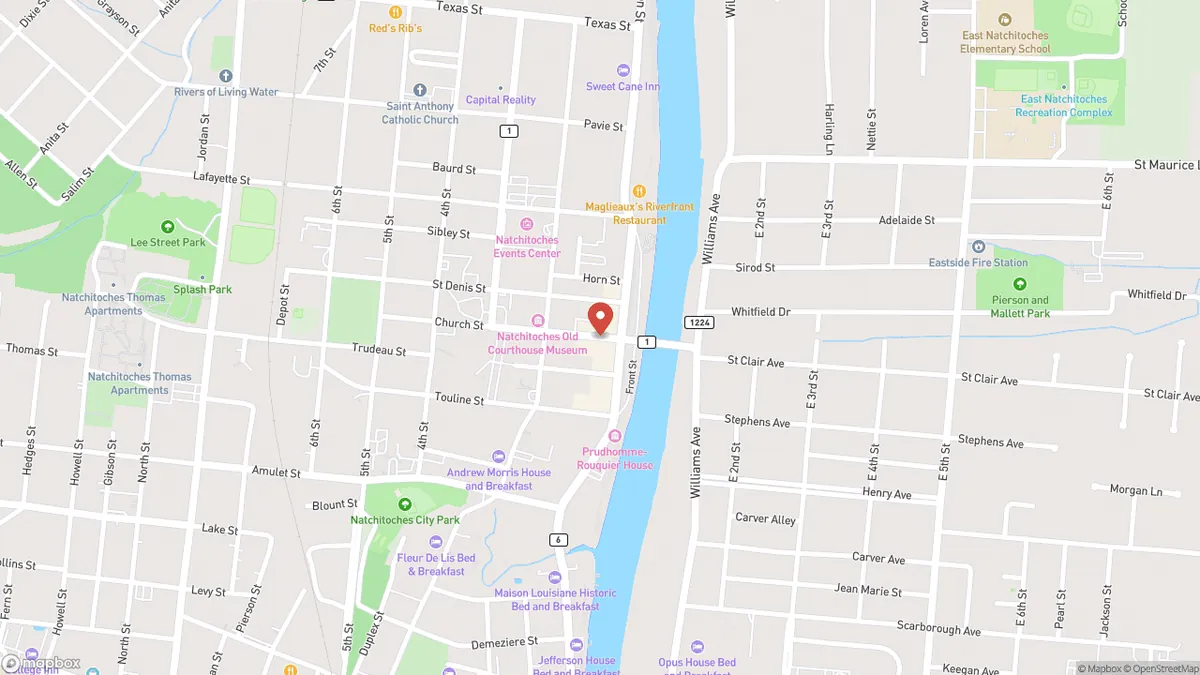
Natchitoches was founded in 1714 — four years before New Orleans — and people have lived on this riverbank continuously ever since. Front Street is the oldest brick-paved street in the country. The 33-block Landmark District wraps a replica of Fort St. Jean Baptiste, the Roque House built around 1790 from cypress and bousillage, the basilica that is the seventh church on a parish site dating to 1728, and the American Cemetery — the oldest European burial ground in the Louisiana Purchase, sitting on the footprint of the second French fort.
Reading
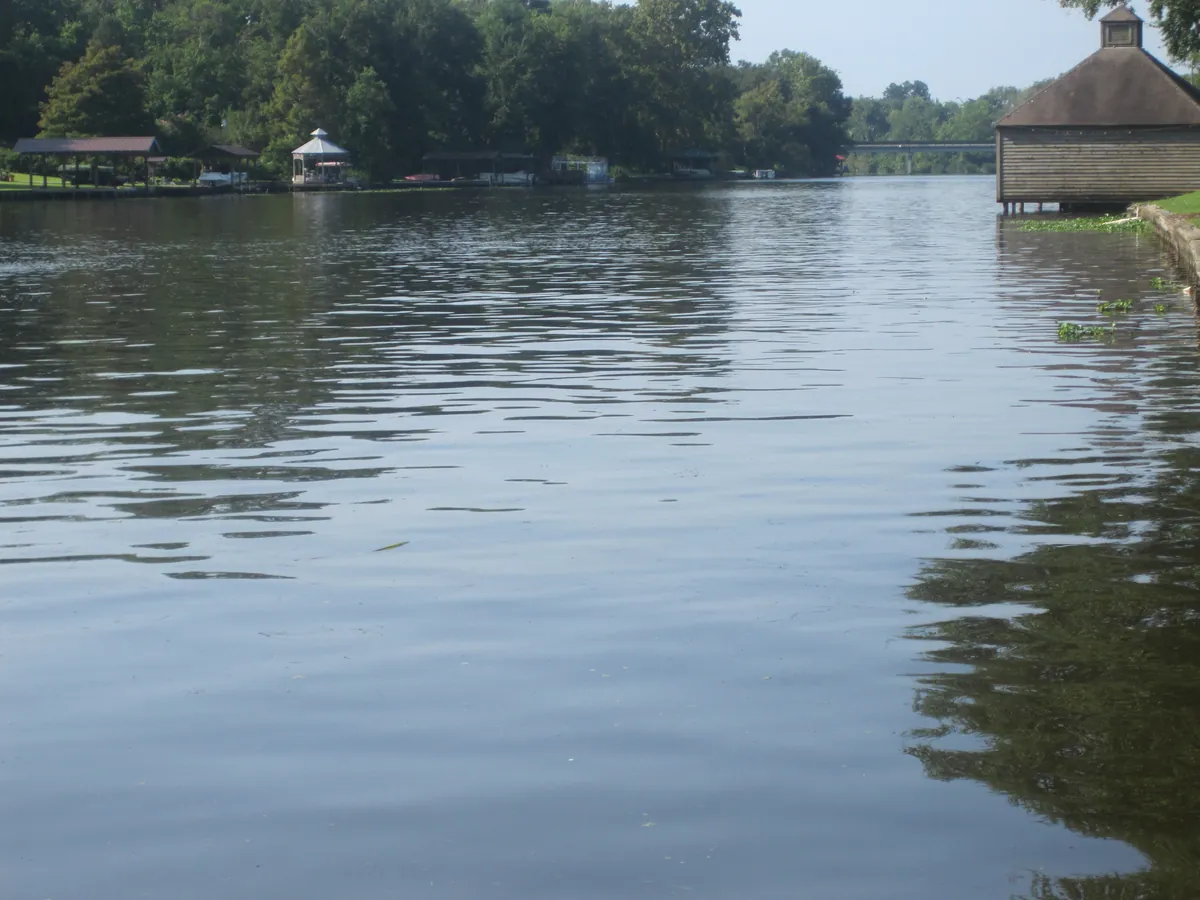
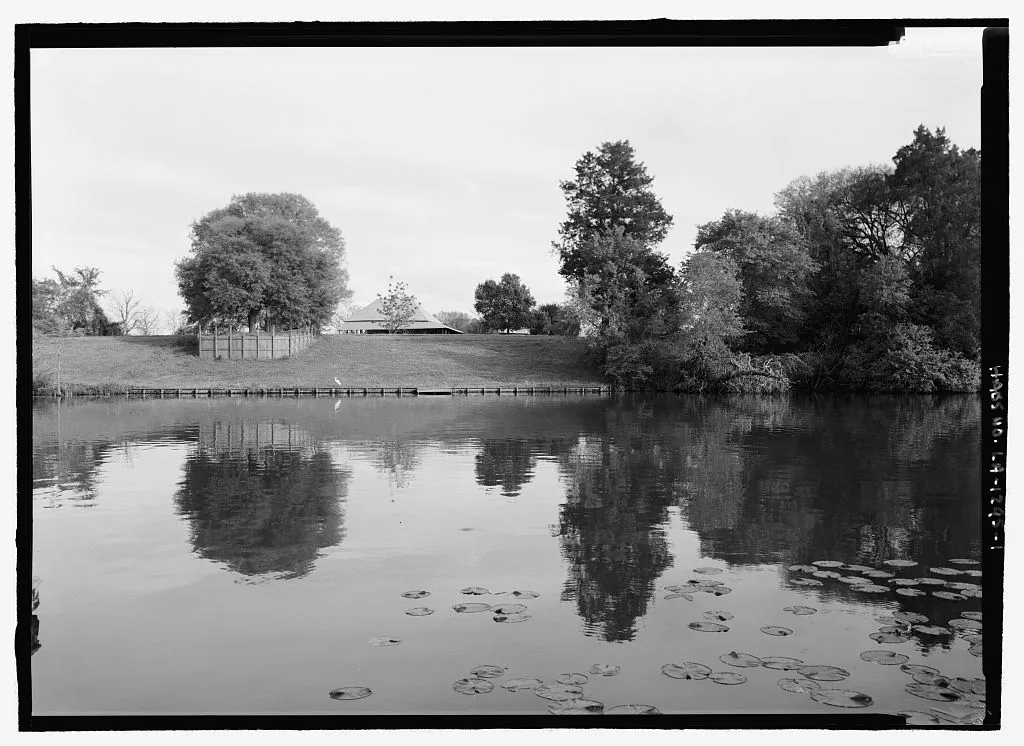
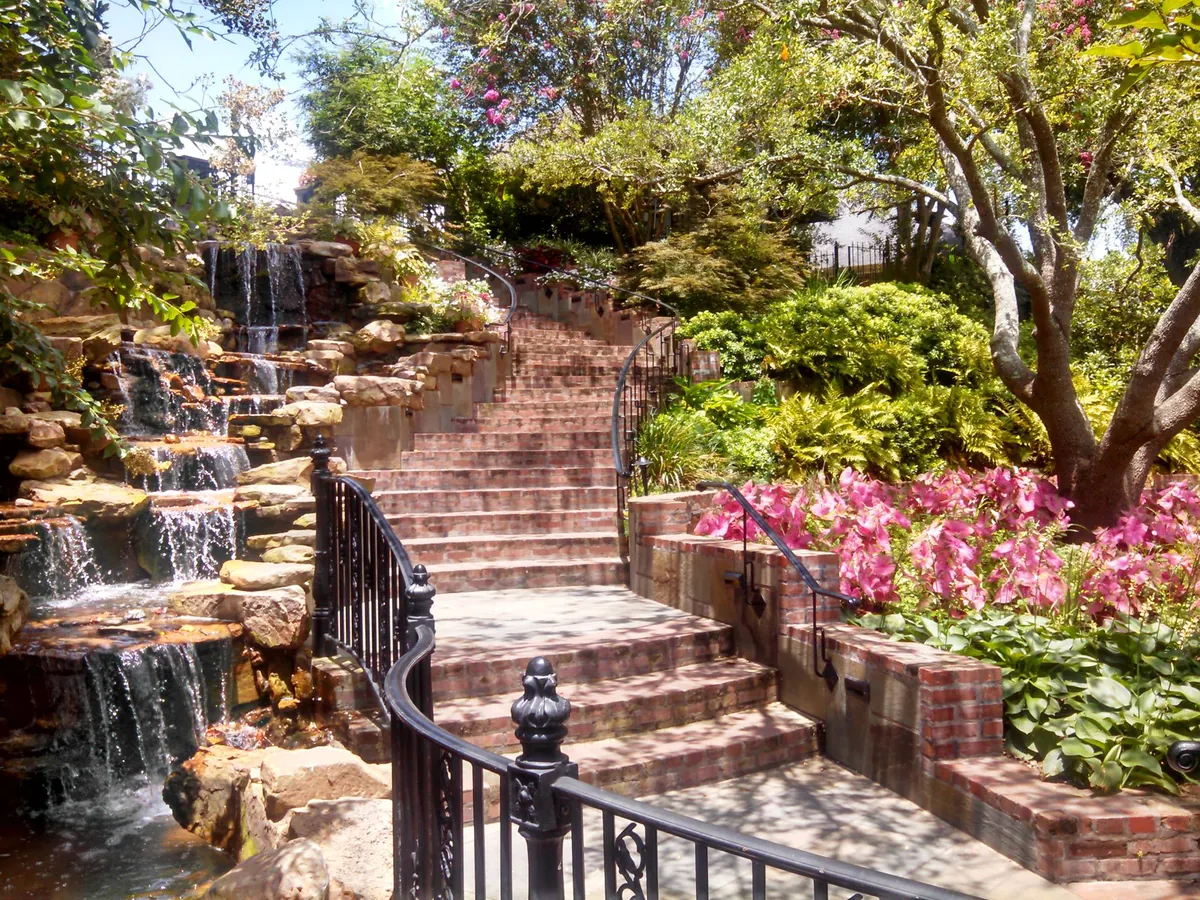
The Red River didn't leave quietly. When engineers cleared the Great Raft — a 35-mile logjam that had slowed the current for centuries — in the 1830s, the river found a new channel and abandoned the old bend entirely, leaving Natchitoches stranded on an oxbow lake and cut off from its connection to the Mississippi. The Caddo had used that same stretch of water as a trading route long before the French arrived in 1714. What remained became Cane River Lake — 35 miles of still water running through a town that had to reinvent its relationship to the geography that made it. The brick-paved Front Street still lines the bank. A terraced garden descends to the water through ironwork and live oaks. Every November, 300,000 lights go up along the shore. The river moved. The city stayed.
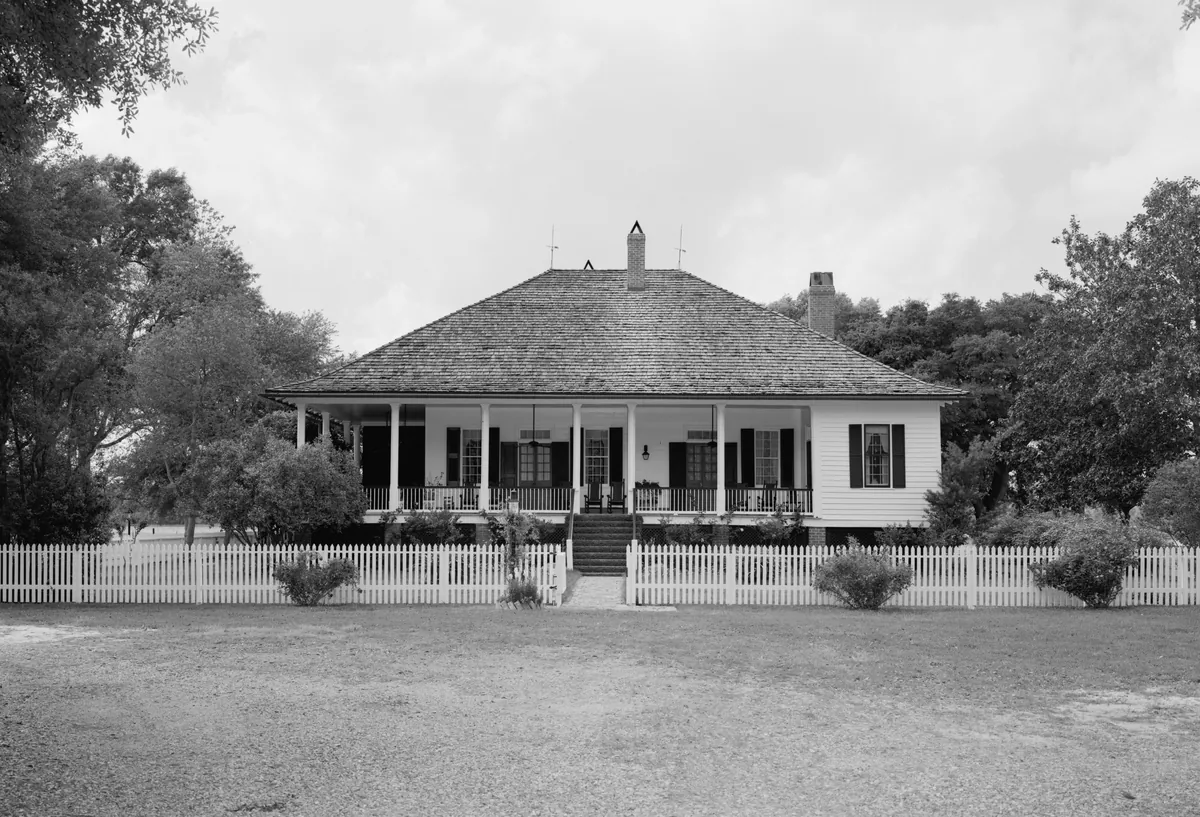
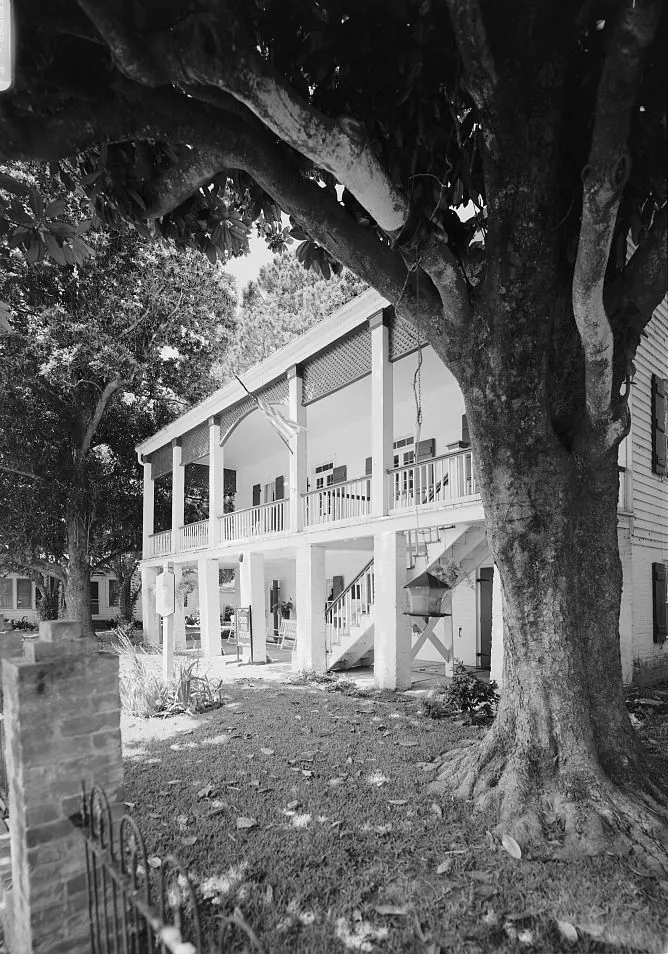
The technique came from the Caribbean: mud and moss packed between hand-hewn cypress posts, a method called bousillage entre poteaux. French settlers adapted it here after St. Denis established Natchitoches in 1714, and what they built has refused to disappear. The Roque House — one of the oldest standing structures in the Historic Landmark District — went up around 1790, was moved to the Cane River lakefront in the 1960s to save it, and still stands there. Around the same time, François Rouquier raised a two-story bousillage structure on a Spanish land grant; what he built is said to be the largest surviving bousillage building in the country, and one of the few remaining two-story examples anywhere in the United States. By 1830, the French Creole raised-cottage form — galleries on two sides, the Caribbean inheritance reshaped for northwest Louisiana — had become its own vernacular. Three buildings, three moments, one material logic.
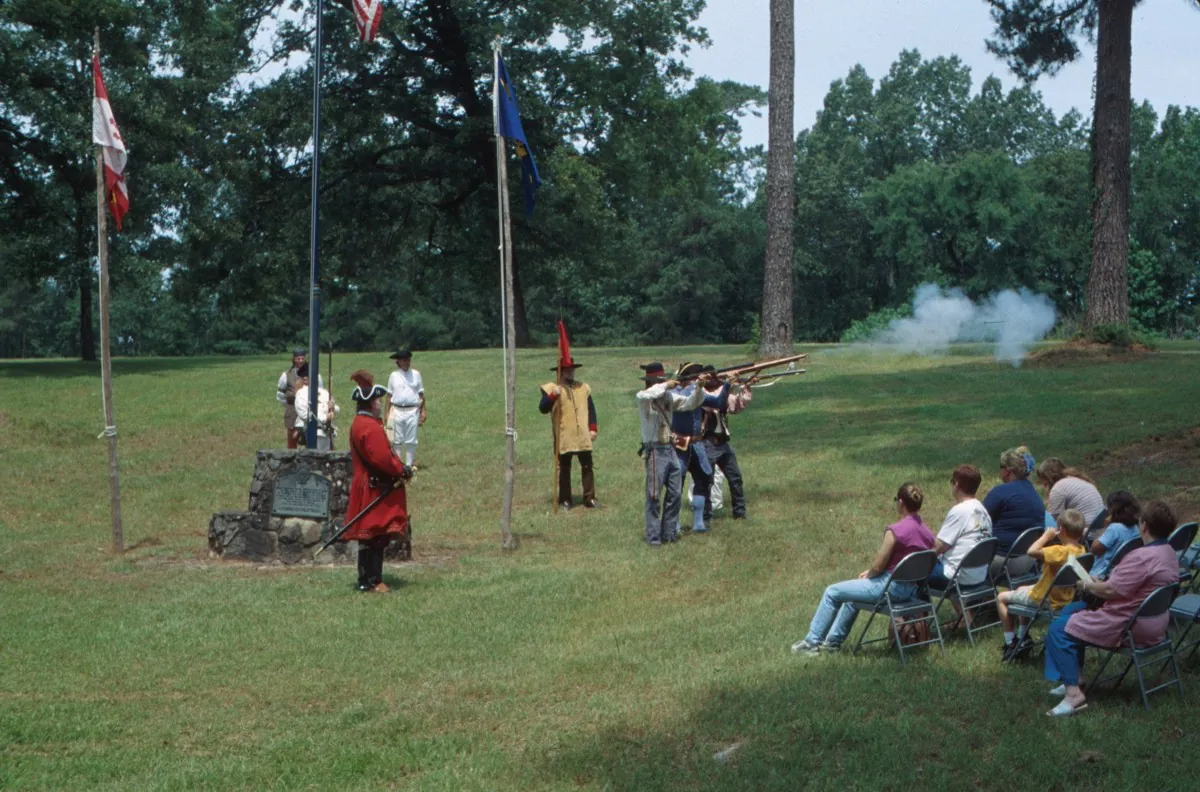
In 1714, Louis Juchereau de St. Denis arrived on the Red River with a detachment of marines and built a wooden storehouse in a Natchitoches Indian village — the oldest permanent European settlement in what would become the Louisiana Purchase. Fifteen miles west, Spain answered in 1721 with a presidio and mission at Los Adaes among the Adaes Indians, which became the capital of the province of Tejas from 1729 to 1773. On paper the two powers were rivals. In practice, French and Spanish traders worked the same trails and ignored the prohibitions their distant governments issued. When Spain closed Los Adaes in 1773, the displaced settlers moved west and founded Nacogdoches, Texas. A bronze statue of St. Denis still stands on Front Street at the northern terminus of El Camino Real — the Spanish royal road from Mexico City — marking the place where two empires chose commerce over confrontation and accidentally built something that lasted.
Marie Thérèse Coincoin was born enslaved and died free, and between those two facts she built something that outlasted her by two centuries. Her children and grandchildren founded the gens de couleur libres community on Isle Brevelle — a stretch of Cane River bottomland that, in the antebellum South, should not have existed. Her son Nicolas Augustin commissioned a chapel there in 1829, said to be the first Catholic church built by free people of color in America. Her family built what became one of the largest plantations in the antebellum South constructed by free people of color. Eight slave cabins from a neighboring plantation survive as among the best-preserved enslaved quarters in the country. Clementine Hunter painted the life of this river in 1955 murals that still hang in the African House. The cemetery holds the generations. The community is still here.
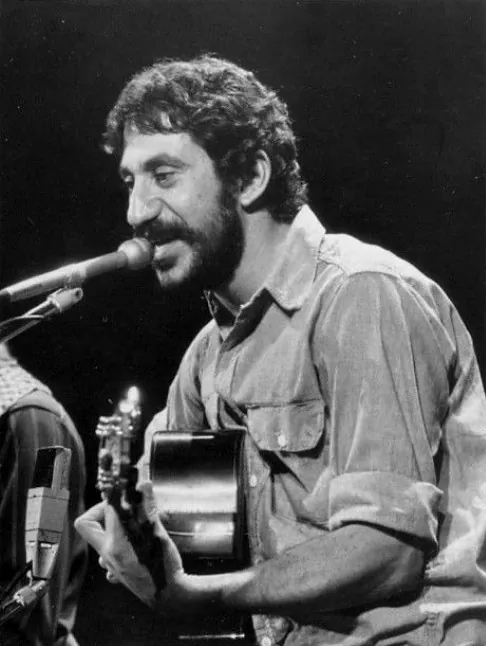
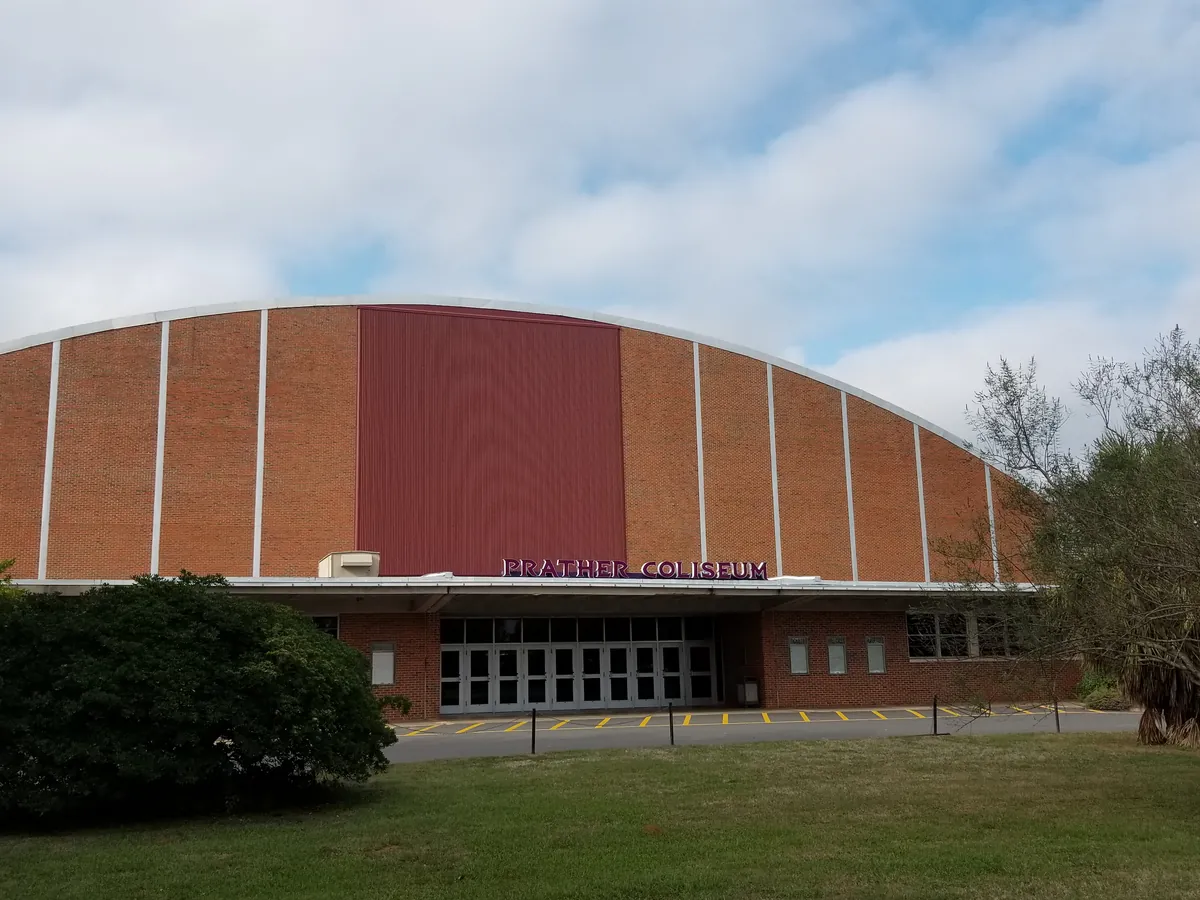
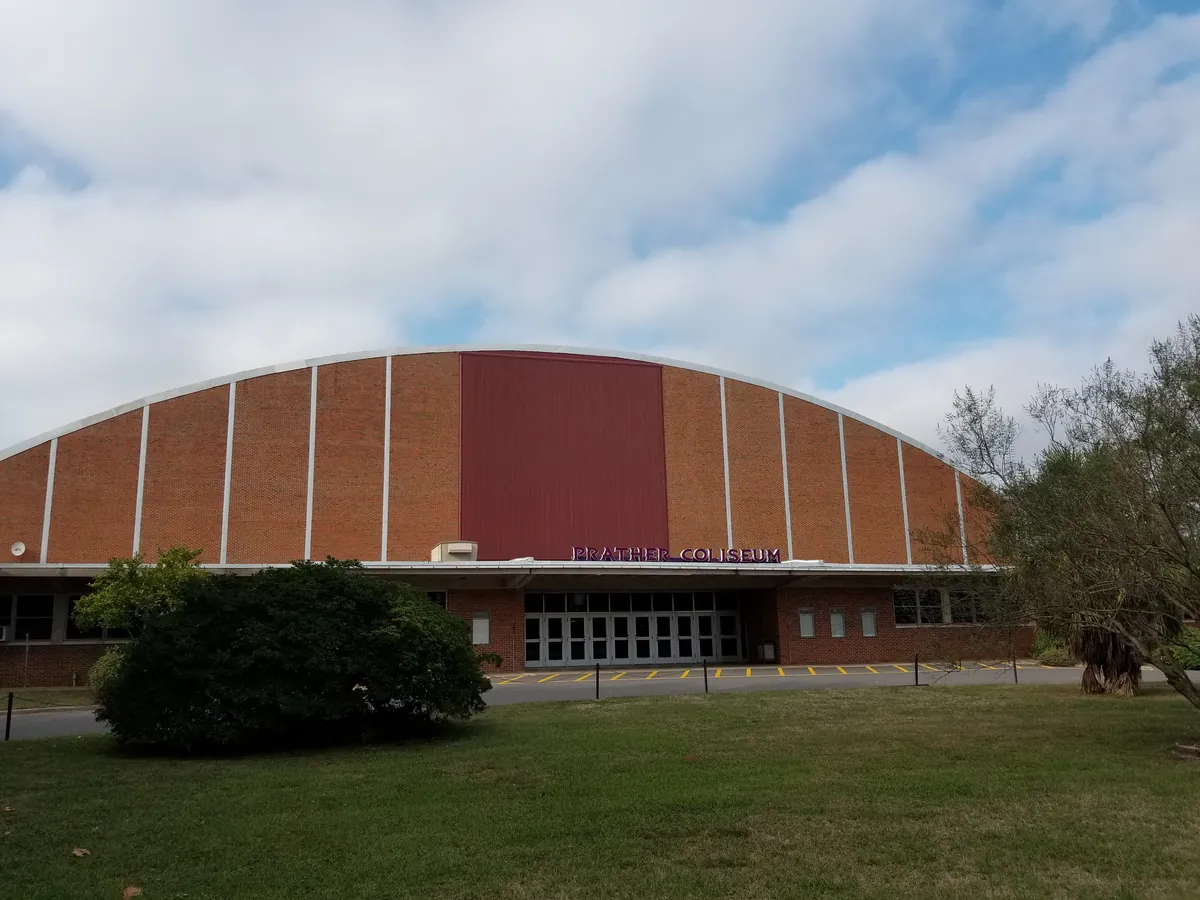
On September 20, 1973, Jim Croce played a concert at Prather Coliseum on the Northwestern State University campus. He was 30 years old and at the peak of his career — 'I Got a Name,' 'Time in a Bottle,' and 'I'll Have to Say I Love You in a Song' were all charting simultaneously. An hour after the show, Croce, guitarist Maury Muehleisen, comedian George Stevens, manager Kenneth Cortese, road manager Dennis Rast, and pilot Robert Elliott boarded a chartered Beechcraft E18S at the Natchitoches Regional Airport, bound for Sherman, Texas. The plane hit a pecan tree 250 feet past the end of the runway. All six died. The NTSB attributed the crash to pilot impairment — the 57-year-old Elliott had severe coronary artery disease and had run three miles to the airport from a motel — compounded by fog. NSU produced a documentary honoring Croce on the 50th anniversary in 2023. The coliseum is unmarked, but locals know.
Born enslaved in Natchitoches in 1742, Marie Thérèse Coincoin won her freedom in 1778 when her partner, French merchant Claude Thomas Pierre Métoyer, purchased her liberty and gave her 67 acres. She became a master entrepreneur — trapping bears, growing tobacco, manufacturing medicines — and systematically bought freedom for six of her family members. By her death in 1817, she owned over 1,000 acres. Her sons Louis and Nicolas Augustin Metoyer founded Melrose Plantation and St. Augustine Church on Isle Brevelle, establishing what became one of the wealthiest and most enduring free Black communities in antebellum America. The gens de couleur libres of the Cane River were not a footnote — they were planters, slave owners, church founders, and a community whose descendants still live along the same river. Coincoin's story is the spine of Cane River Creole history.
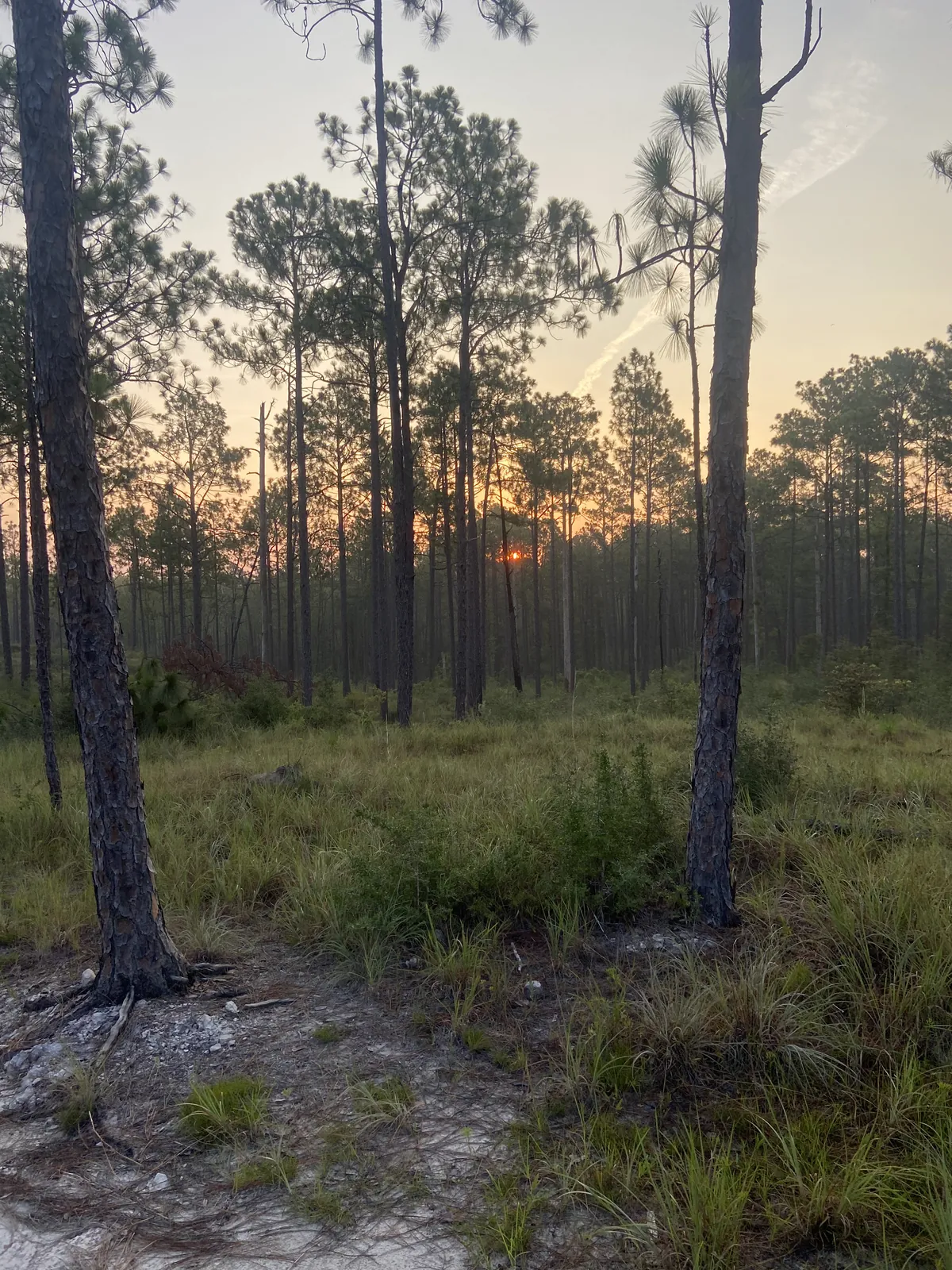
The frontier that St. Denis created at Natchitoches didn't end when the French left. After the Louisiana Purchase in 1803, the United States and Spain couldn't agree on where Louisiana stopped and Texas started. The U.S. claimed the Sabine River. Spain claimed the Arroyo Hondo, a creek in Natchitoches Parish — the same boundary the French and Spanish commandants had drawn by gentleman's agreement decades earlier. In 1806, to avoid a shooting war, U.S. General James Wilkinson and Spanish Lt. Col. Simón de Herrera declared the disputed territory between the two claims a Neutral Ground — no man's land. Neither nation would govern it, police it, or tax it. The result was predictable. The strip filled with deserters, smugglers, political refugees, fugitives, and outright bandits who organized outposts and spies to fleece travelers and dodge military patrols from both sides. For fifteen years, No Man's Land was the most lawless stretch of ground in North America — a frontier buffer zone where the rules of neither country applied. The Adams–Onís Treaty of 1819, ratified in 1821, finally set the border at the Sabine River, vindicating the American claim and ending the Neutral Ground. But the strip's reputation lingered for generations. The story starts at Los Adaes, where Spain first drew its line against the French, and it runs through every contested boundary that followed. Natchitoches was always the eastern anchor — the last outpost of order before the frontier went dark.
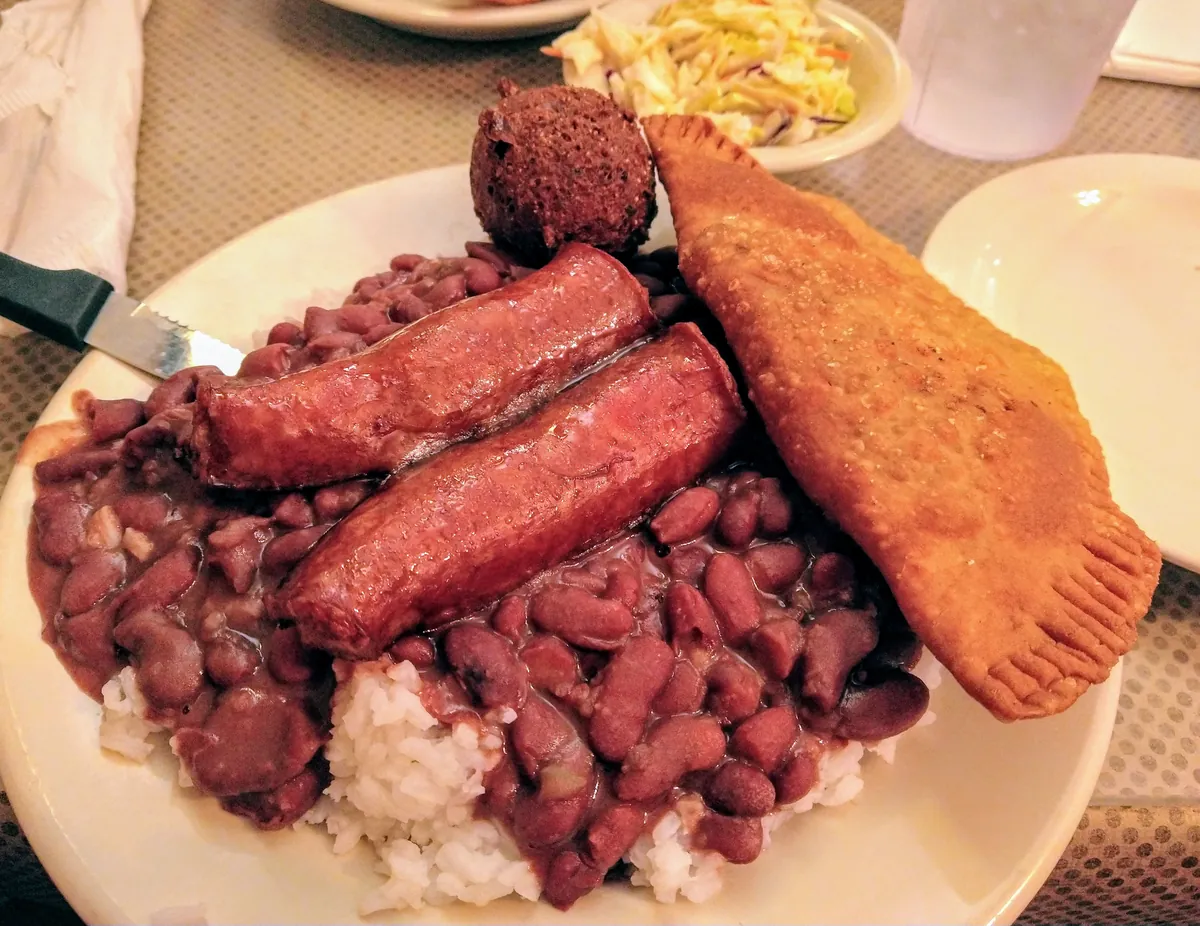
A crescent-shaped, deep-fried hand pie stuffed with seasoned ground beef and pork — the Natchitoches meat pie is one of Louisiana's official state foods. The recipe descends from the Spanish empanada, adapted through three centuries of Creole cooking along the Cane River. Lasyone's Meat Pie Restaurant, open since 1967 on Second Street, is the institution — six days a week of meat pies, gumbo, and dirty rice in a setting that hasn't changed much since the Johnson administration. The annual Natchitoches Meat Pie Festival in September is a free, two-day celebration with eating contests, live music, brewfest, and balloon rides on Front Street.
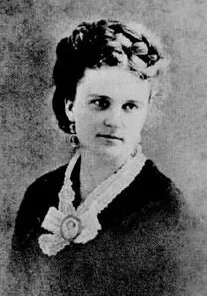
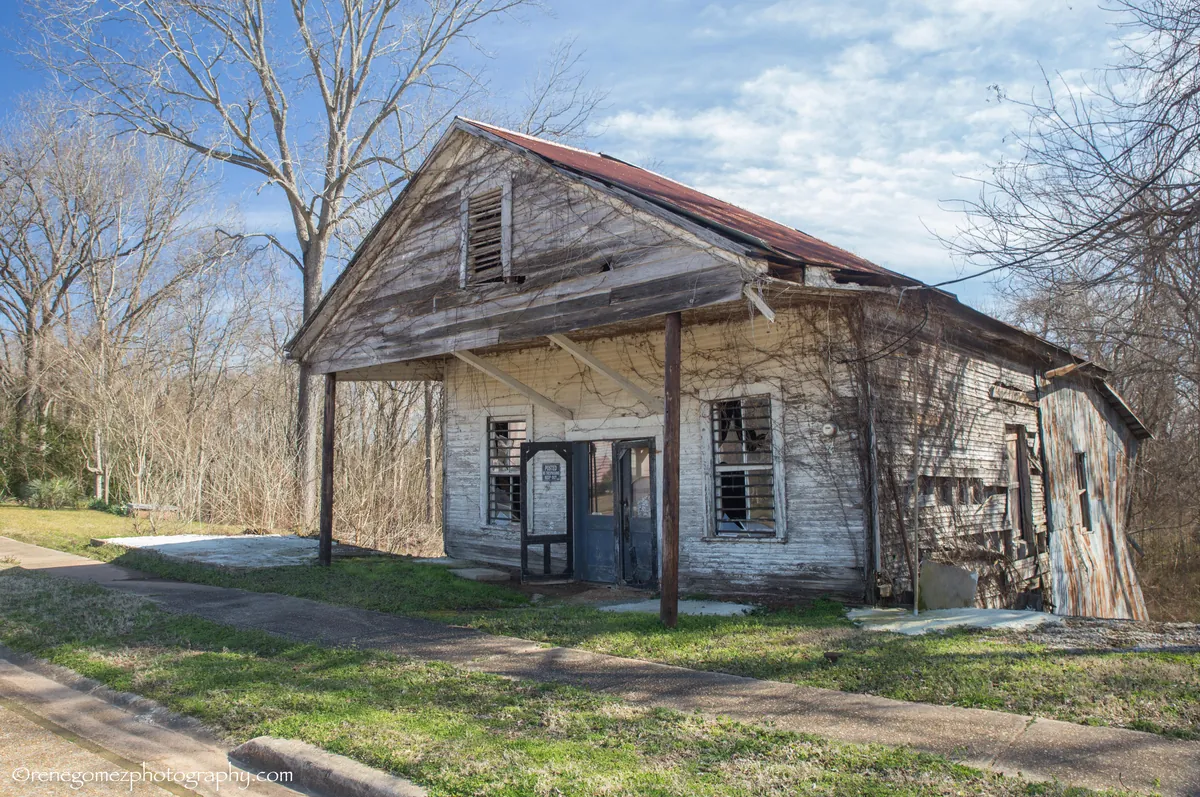
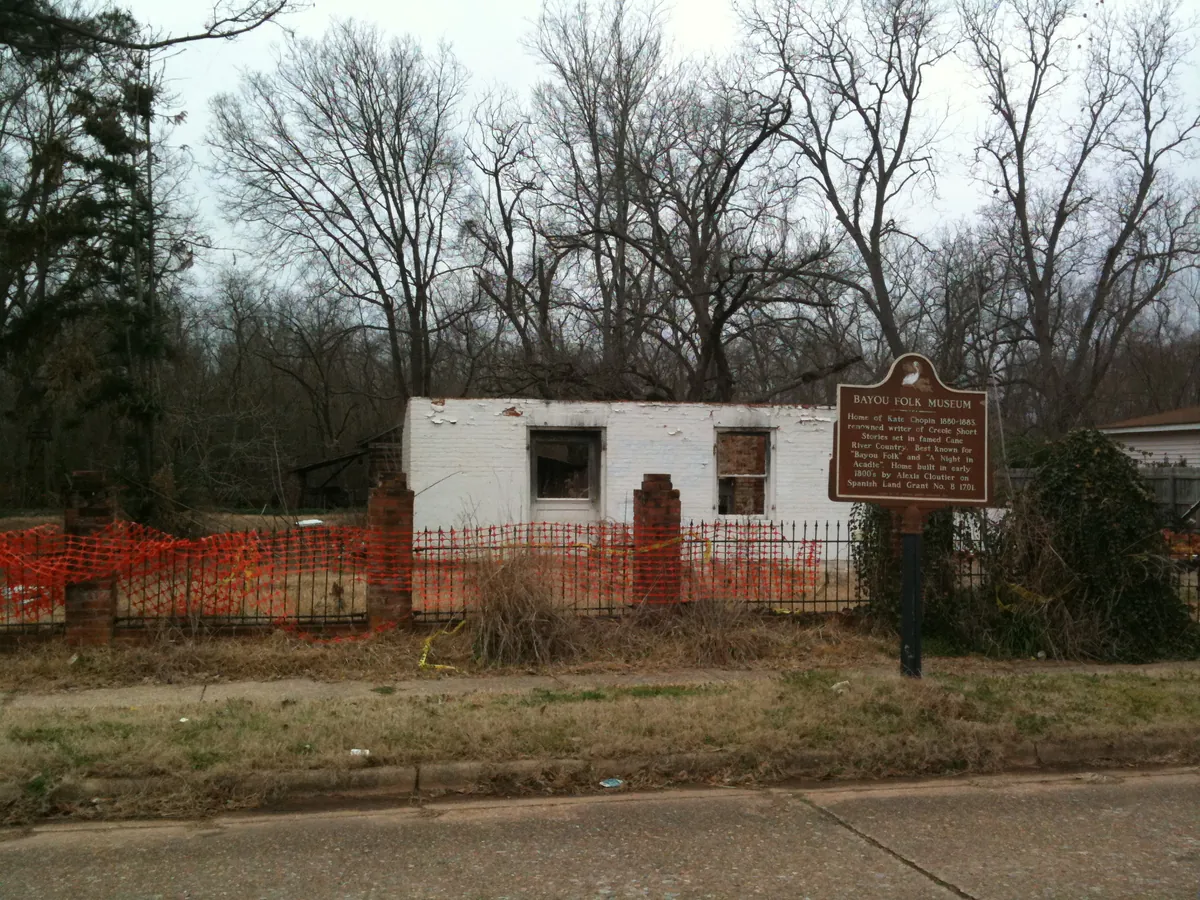
Kate Chopin lived in Natchitoches Parish from 1879 to 1884, managing her husband Oscar's plantation and general store in Cloutierville after the family left New Orleans. The Cane River country gave her the raw material for her fiction — the Creole characters, the rural Louisiana settings, the social tensions between races and classes that fill 'Bayou Folk' (1894) and 'A Night in Acadie' (1897). Her masterwork, 'The Awakening' (1899), drew on the same world. The Kate Chopin House in Cloutierville, which had been listed on the National Register, was destroyed by fire in 2008 and removed from the Register in 2015. The physical house is gone, but the literary landscape she wrote from — the Cane River, the plantation allées, the small-town Creole society — is still recognizable today.
In 1714, a French Canadian nobleman paddled up the Red River with twenty-five men and talked his way into founding the oldest permanent settlement in the Louisiana Purchase. Within two years he'd been arrested by the Spanish, imprisoned at a frontier presidio, courted the commandant's granddaughter while under house arrest, married her, helped Spain establish six missions in Texas — and then switched sides back to France. His name was Louis Juchereau de St. Denis, and his story reads like a novel no publisher would believe. Born near Quebec in 1674, the eleventh of twelve children in one of New France's most prominent families, St. Denis arrived in Louisiana with Iberville's second expedition in 1699. He spent fifteen years learning the rivers, the trade routes, and — critically — the languages and customs of the Caddo, Natchitoches, and other nations who controlled the interior. The Caddo honored him with elaborate snake tattoos covering both legs. They called him Big Legs. He called them allies. Around 1702, St. Denis got his first command: Fort de la Boulaye, the swamp outpost Iberville had thrown up on the lower Mississippi — eighteen leagues above the river's mouth — to keep the Spanish and English off the water. It was a hard, lonely post, ringed by swamp and held by a handful of men. By 1707 the surrounding nations had had enough of the soldiers and forced the garrison back to Biloxi. But they let St. Denis stay. The friend of the Caddo went on living in the abandoned fort, alone in the country the empire had written off. Fort de la Boulaye taught him what no order out of Mobile could: France would never hold this land with walls and garrisons. He'd spend the rest of his life proving the alternative — and build a city to make the point. In the fall of 1713, Louisiana's governor Cadillac dispatched St. Denis westward from Mobile with a dual mission: establish a French outpost on the Red River and open trade with the Spanish settlements in Texas. St. Denis chose the Natchitoches village — a Caddo community strategically positioned near the impassable Great Raft, a centuries-old logjam that blocked navigation and made the site a natural portage. In November 1714, he built Fort St. Jean Baptiste on the riverbank. Natchitoches was born. But St. Denis didn't stop there. He crossed into Spanish territory and walked straight into San Juan Bautista, the northernmost Spanish presidio on the Rio Grande — carrying French trade goods that were explicitly illegal under Spanish law. Commandant Diego Ramón arrested him, confiscated his merchandise, and sent word to Mexico City asking what to do with this charming, tattooed Frenchman who had just strolled across an international boundary with a pack train of contraband. What happened next is the part nobody invents. While waiting months for Mexico City's verdict, St. Denis courted Manuela Sánchez Navarro, Ramón's step-granddaughter and a descendant of the conquistadors of Nueva Vizcaya. She agreed to marry him. The imprisoned smuggler became family to his jailers. The Spanish, recognizing his knowledge of the frontier, appointed him commissary officer of the Domingo Ramón expedition — a Spanish military and missionary campaign into East Texas. Between 1716 and 1717, St. Denis helped found six missions and a presidio, effectively building Spain's presence in a territory France also claimed. He was simultaneously a French agent, a Spanish son-in-law, and the most useful man on the frontier. It couldn't last. When he returned to San Juan Bautista in 1717 with another load of French merchandise, the political winds had shifted. Summoned to Mexico City a second time, St. Denis realized he'd be imprisoned for real — so he escaped. He fled overland, reached Natchitoches by February 1719, and resumed command of the fort he'd founded five years earlier. Manuela joined him in 1721, crossing the frontier with their children to live in French Louisiana permanently. For the next twenty-three years, St. Denis served as commandant of Natchitoches, running the fort, managing French-Caddo relations, and building a contraband trade empire that made the border between French Louisiana and Spanish Texas more suggestion than law. He was ruthless when he needed to be — he once executed a Frenchman who murdered a Caddo ally, using a garrote as public warning. He was diplomatic when it served — his marriage to Manuela kept back-channel communication open with the Spanish even during formal hostilities. He died at Natchitoches on June 11, 1744, at sixty-nine. His wife, his children, his fort, and his city survived him. Three centuries later, the settlement he built at the portage is still here — the oldest permanent community in the entire Louisiana Purchase, founded by a man who got arrested, fell in love, switched empires, and never looked back.
Long before Europeans arrived, the Caddo people controlled one of the most valuable resources in the interior South: salt. The saline deposits along Saline Bayou in what is now Natchitoches Parish drew traders from hundreds of miles away, creating networks that predated French contact by centuries. When St. Denis established his post in 1714, he was plugging into a trade system the Caddo had already perfected. Drake's Salt Works — now a National Register archaeological site with a restricted location to protect it — preserves evidence of both indigenous salt production and later European-era operations. The site is closed to the public, but its story explains a fundamental question: why here? Natchitoches exists where it does because salt made this ground worth controlling.
The 1989 film Steel Magnolias was shot almost entirely in Natchitoches, and it cemented the town's image for a generation of Americans who had never heard of Cane River or the oldest settlement in the Purchase. Robert Harling wrote the play based on his family's experience at a Natchitoches beauty salon; Herbert Ross directed the film with Sally Field, Dolly Parton, Shirley MacLaine, and Julia Roberts. Filming locations include Trinity Episcopal Church, the Henry Cook Taylor home, the NSU campus, and several private residences in the Historic District. A self-guided film trail and seasonal walking tours still draw visitors who came for the movie and stay for the history. The Natchitoches Film Trail includes markers at key locations — pick up a brochure at the Visitors Bureau on Front Street.
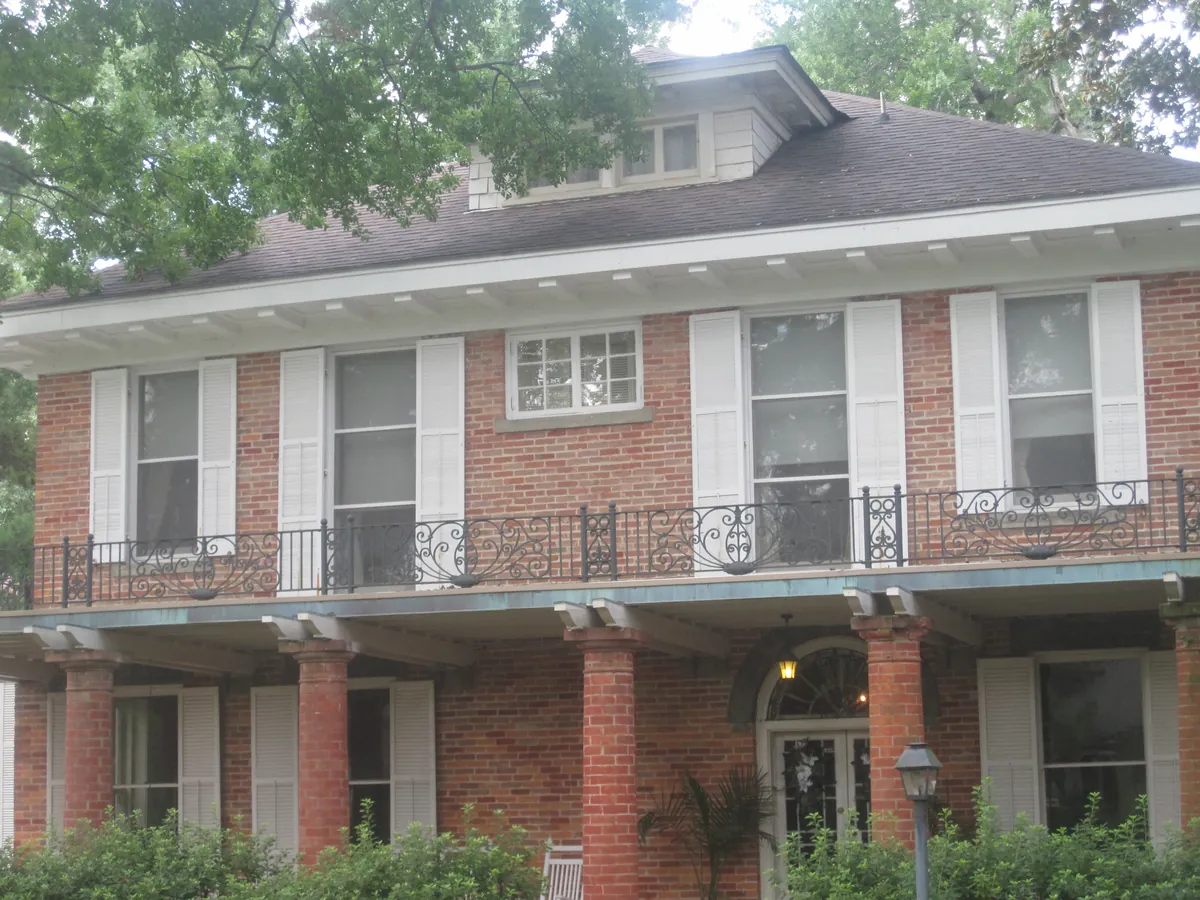
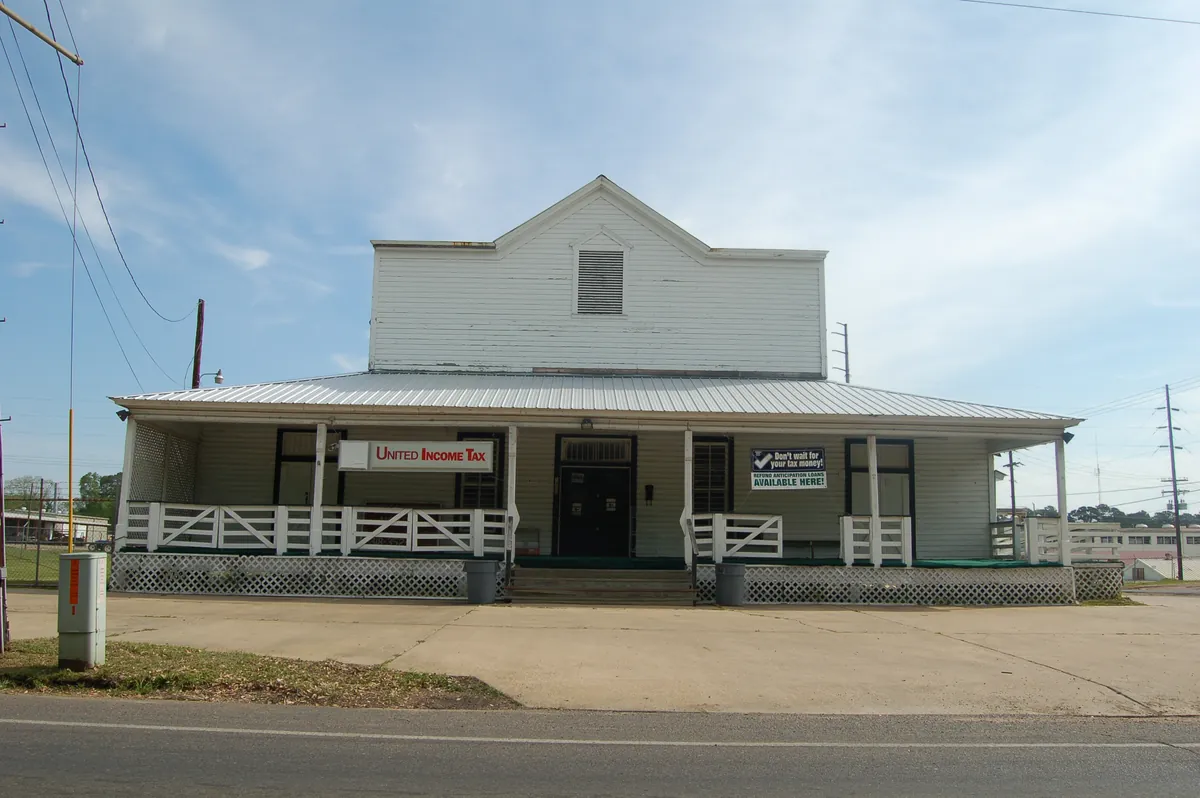
Fifteen miles south of Natchitoches, the tiny Cane River village of Cloutierville quietly shaped one of America's most important literary voices. Kate Chopin moved here in 1879 after her husband Oscar's cotton business failed in New Orleans, and spent four years absorbing the Creole community life that would fuel her fiction. The village's Alexis Cloutier House (c. 1820, NRHP-listed) and the old Carnahan Store anchor a streetscape that still reads like a Chopin short story — small-scale, French-speaking, and layered with the social tensions she captured so precisely. Chopin's own house burned in 2008, but the village she wrote about — the one where Désirée walked into the bayou and Calixta waited out the storm — is still recognizable along this stretch of Highway 1.
Lost places
Happening this month
Tickets & Shows
Before you go
Multigenerational saga of a free Creole family in Natchitoches who built wealth through cotton and land. Essential for understanding the nuanced, complicated racial hierarchies that made this place unlike anywhere else in America.
Filmed in Natchitoches. The town you walk through is the town on screen — beauty parlor and all.
Also in this region
Natchitoches is one of several areas in Natchitoches & No Man's Land.
Plan your trip
The only thing left to do is go.
Some of these are partner links — if you book through them, Portage may earn a commission at no extra cost to you.
Plan your visit
Editorial content compiled with AI assistance. Place details verified against public records.