Marie Therese Coincoin was born enslaved in 1762, freed in 1778, and her sons built one of the largest plantations in the antebellum South owned by free people of color. That story runs the Cane River alongside the white planter version. Melrose and St. Augustine Church on Isle Brevelle anchor the gens de couleur libres community; Oakland and Magnolia, both NPS units, preserve seventeen and eighteen original outbuildings of the cotton aristocracy across the water. Same river, same decades, two Americas.
The route
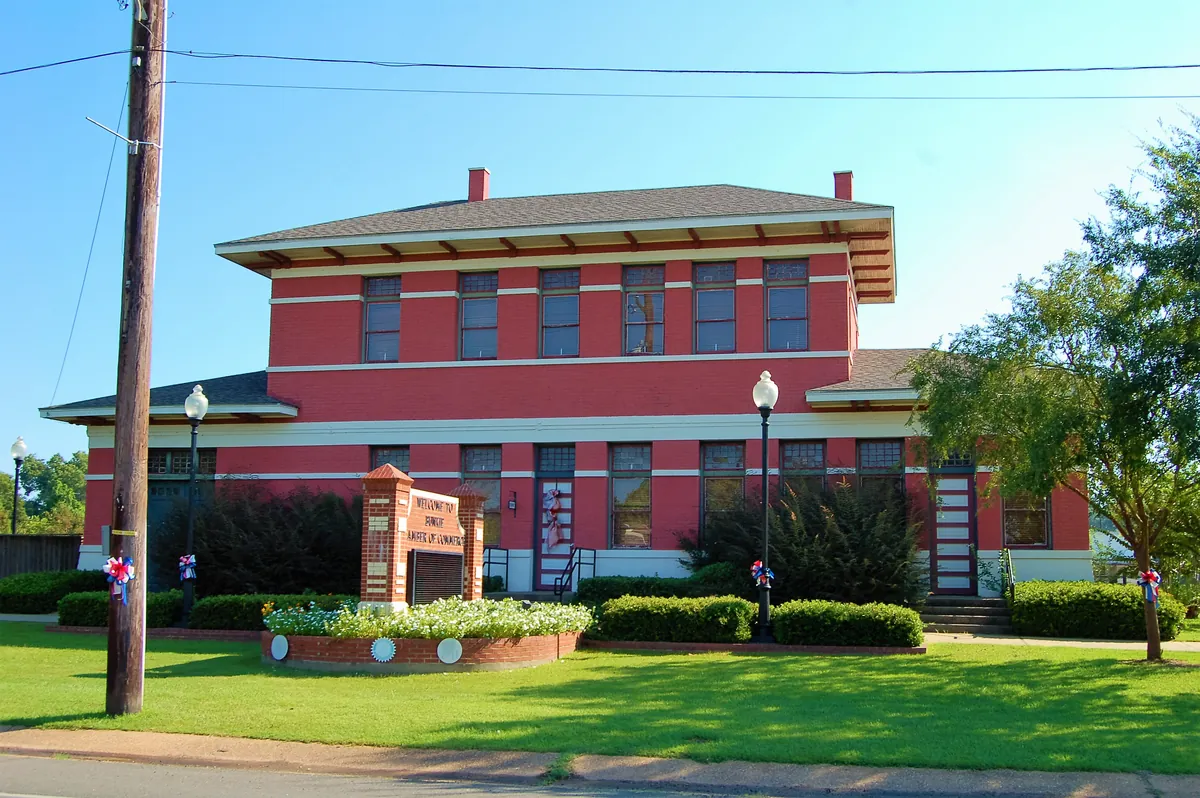 1Historic Site·1927·NRHPTexas and Pacific Railroad Depot
The depot sits in stucco and red tile where the Texas and Pacific Railway once ran the iron thread that connected Natchitoches to Shreveport and the wider South. Built in 1927 in Spanish Colonial Revival style, the building is listed on the National Register of Historic Places. When the Red River shifted course in the 1820s and 1830s, it left a 33-mile oxbow lake and cut off Natchitoches from its lucrative connection to the Mississippi. The railroad arrived decades later. Now the depot serves as the visitor center for Cane River Creole National Historical Park. NPS rangers provide maps, tour information, and context for the Oakland and Magnolia plantation units—both preserved National Historic Landmarks established as French creole cotton plantations in the antebellum years, both damaged by Union and Confederate troops during the Civil War. Open Wednesday through Sunday. Free admission. Park at the depot and start your Cane River exploration here.
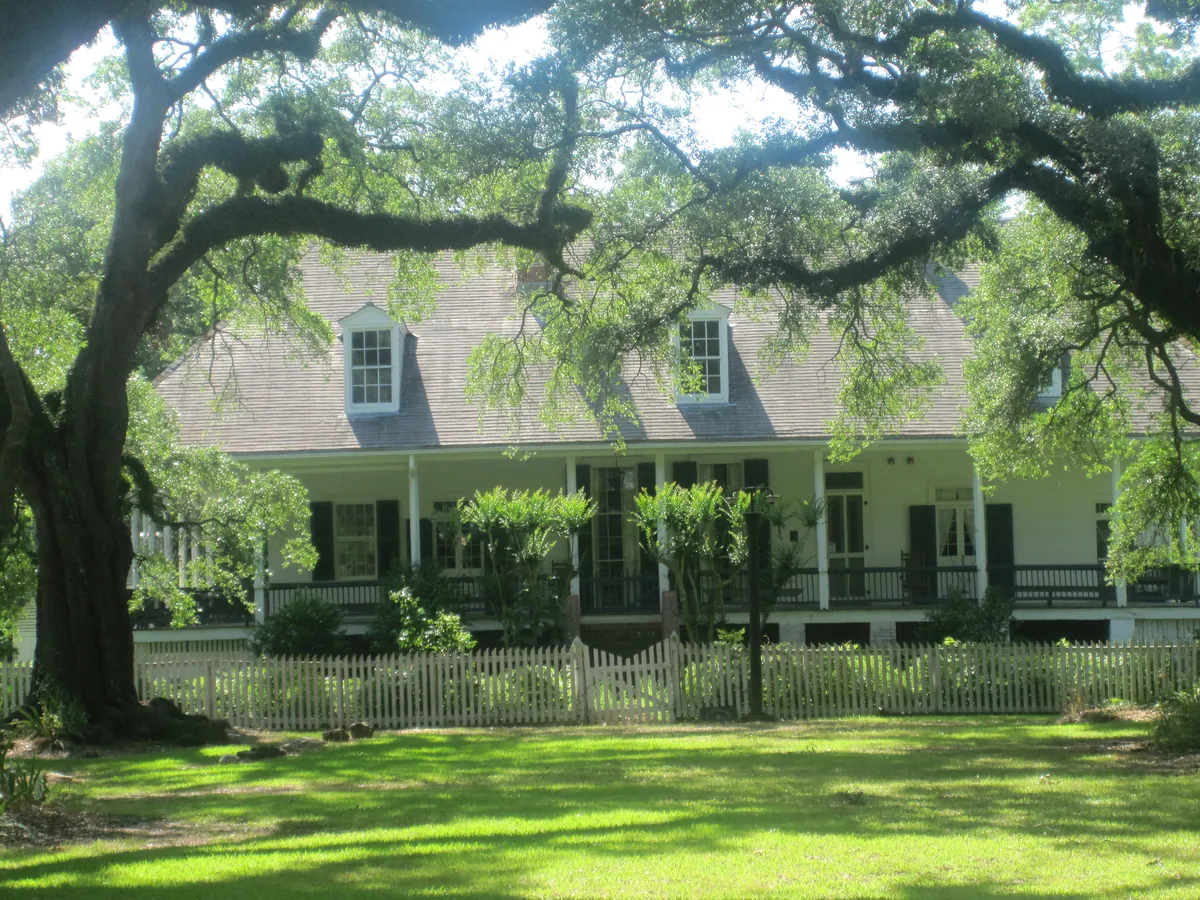 2Historic Site·1821–present·NRHPOakland Plantation — Cane River Creole NHP
The Prud'homme family held Oakland for 177 years — one family, one place, 1821 to 1998 — and seventeen original outbuildings still stand. That completeness is what makes Oakland matter. Most Southern plantation complexes were dismantled, burned, or sold off in pieces. Oakland survived intact: the main house Jean-Pierre Emanuel Prud'homme finished in 1821, the cabins where enslaved people lived, the mule barn, the pigeonniers, the dipping vat, the plantation store that doubled as the Bermuda post office. Walk the grounds and you see the entire working infrastructure of a French Creole cotton plantation, not a curated fragment. By 1860, 160 enslaved African Americans worked Oakland — harvesting cotton, laboring in the house, crafting tools and furniture. After the Civil War, sharecroppers — primarily descendants of those enslaved workers — continued to work the land until mechanization ended the arrangement in the 1960s. The National Park Service acquired Oakland in 1997 as part of the Cane River Creole National Historical Park, authorized by Congress in 1994. The NPS interpretation centers enslaved workers' lives: their cabins, work routines, and resistance strategies. This is not a planter-family shrine. The park's program includes the history of emancipation, of freedmen and Creoles of color who remained on Oakland for nearly a century after the war. In 2018, the NPS created five documentary films with Traditionally Associated People from Oakland and nearby Magnolia Plantation — voices of descendants still living in the area. Oakland was designated a National Historic Landmark in 2001 and added to Louisiana's African American Heritage Trail. The grounds are open daily 9am–3:30pm. Main house self-guided tours run Saturdays and Sundays, 10am–2pm. Free admission. You're standing where cotton was cultivated on a forced-labor farm, where people endured and resisted, where sharecropping families raised children long after slavery ended. The reason to go is that the full record survived.
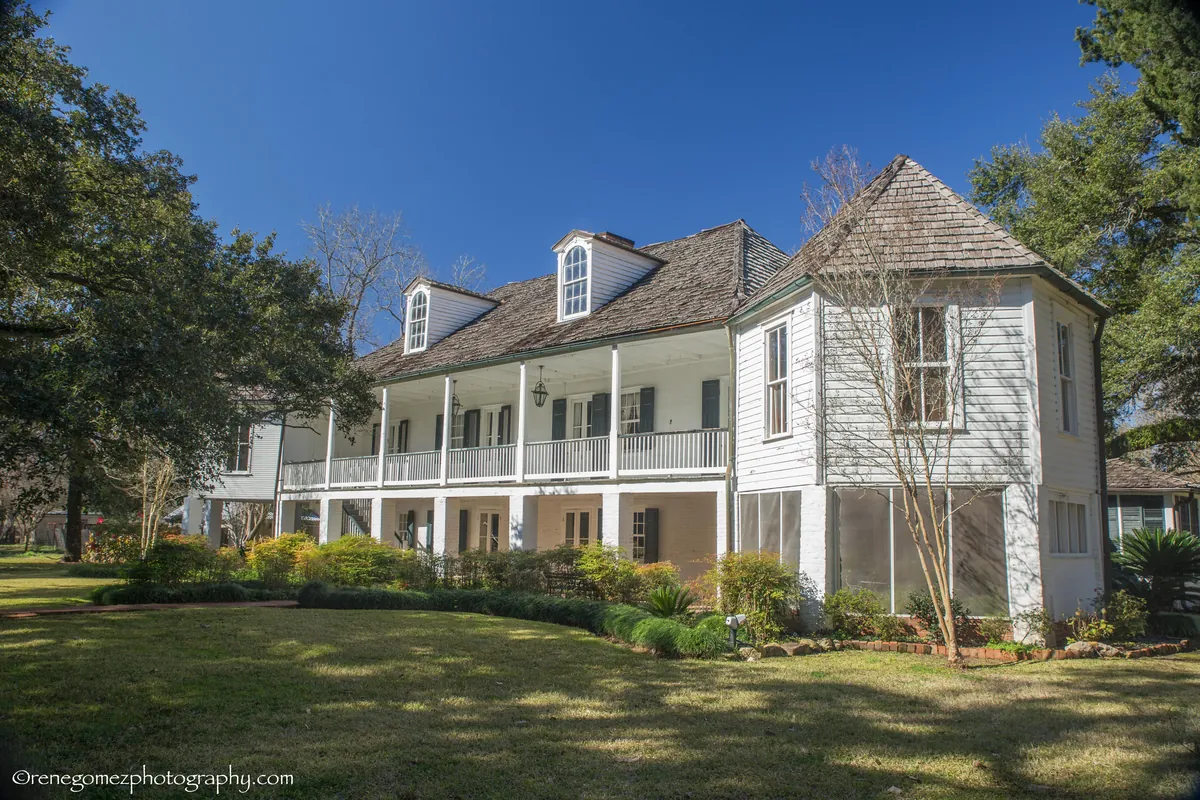 3Historic Site·1796–present·NHLMelrose Plantation
In 1796, a 911-acre tract on the Cane River was granted to Louis Metoyer, son of Marie Thérèse Coincoin, a formerly enslaved woman who became a wealthy businesswoman. Louis was himself still enslaved when he received the land — his French father would not legally free him until 1802 — but his father's wealth and standing allowed him to evade Louisiana's Code Noir, which prohibited enslaved men from holding property. The grant made possible one of the largest plantations in the United States built by and for free people of color. Louis began construction on the Big House before his death in March 1832. His son Jean Baptiste Louis Metoyer completed it in 1833. When Jean Baptiste Louis died five years later, his estate was valued at $112,761. It passed to his young widow and minor son, neither experienced in financial matters, and both fell into debt during the depression following the Panic of 1837. In 1847, creditors sold the plantation at auction for $8,340 to the Hertzog brothers, who operated it as a cotton plantation in partnership with their sister until 1880. The plantation changed hands again in the 1880s. In 1884, Irish immigrant merchant Joseph Henry purchased it and gave it the name Melrose. The Association for Preservation of Historic Natchitoches now owns the property and offers guided tours Thursday through Sunday. The state included Melrose among the first twenty-six sites on the Louisiana African American Heritage Trail in 2008, recognizing its significance to the Metoyer family and the broader community of Creoles of color who shaped the Cane River region. The Africa House on the grounds holds Clementine Hunter's 1955 murals depicting daily life along the river.
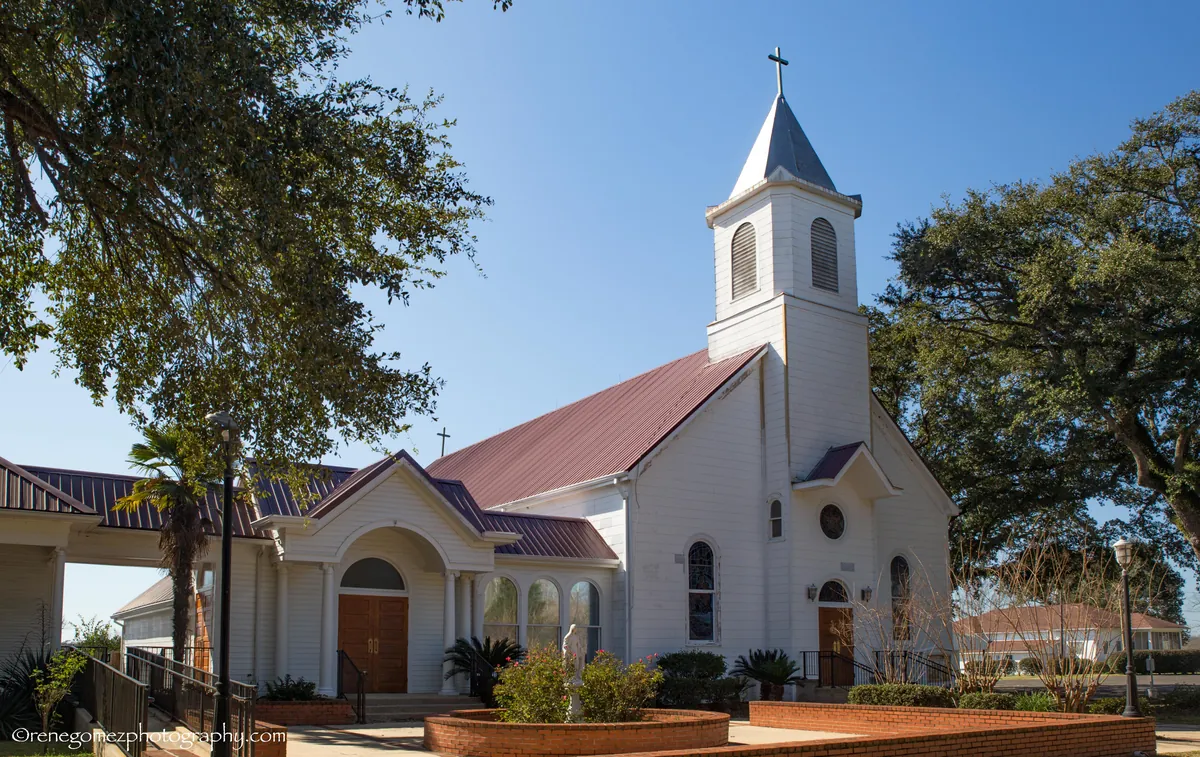 4Religious Site·1829–present·NRHPSt. Augustine Catholic Church
On Isle Brevelle in July 1829, Father Jean Baptiste Blanc consecrated a chapel "erected through the care and generosity" of Nicolas Augustin Metoyer, aided by his brother Louis. Parish records identify this as the founding of the Chapel of St. Augustine, established as a mission of the church of St. François in Natchitoches. The consecration report is precise: the building was dedicated to St. Augustine and placed under the protection of that saint. Tradition credits Louis Metoyer—who founded nearby Melrose Plantation—as the chapel's designer and builder. St. Augustine is the oldest surviving Black Catholic church in the United States. It was the first church in Louisiana built by and for free people of color, and remains among the oldest churches in America founded and built by and for African Americans. The Metoyer family descended from Marie Thérèse Coincoin, formerly enslaved, who built a plantation empire on the Cane River; Wikipedia reports her sons were the architect and patron families of St. Augustine. The church became the cultural center of the Cane River area's French, Spanish, Native American, and Black Creole community—the gens de couleur libres of Isle Brevelle. Surviving pew records document something almost unheard of in the antebellum South: the front seats were occupied by the Créole de couleur Metoyer family who built the chapel, with the families of prominent white planters seated behind them. In 1856, the mission was decreed a parish in its own right and assigned its first resident priest. Union forces are said to have torched the original structure in May 1864 during the Red River campaign. A second church burned in the early 1900s. The present building was completed in 1917. An oil portrait titled "Papa Augustin Metoyer" (c. 1836)—showing the founder in a Prince Albert coat—hung at Melrose Plantation until the 1970s, when it went to auction. The pastor brought the oldest descendants of Nicolas Augustin Metoyer to the auction; they pleaded to be allowed to purchase the painting for the Isle Brevelle community. It has hung in the church since. The adjacent cemetery holds generations of Cane River Creole families. St. Augustine is an active parish, listed on the National Register of Historic Places and marked as a destination on the Louisiana African American Heritage Trail. Visitors are welcome during non-service hours. The church is located south of Natchitoches on Highway 484.
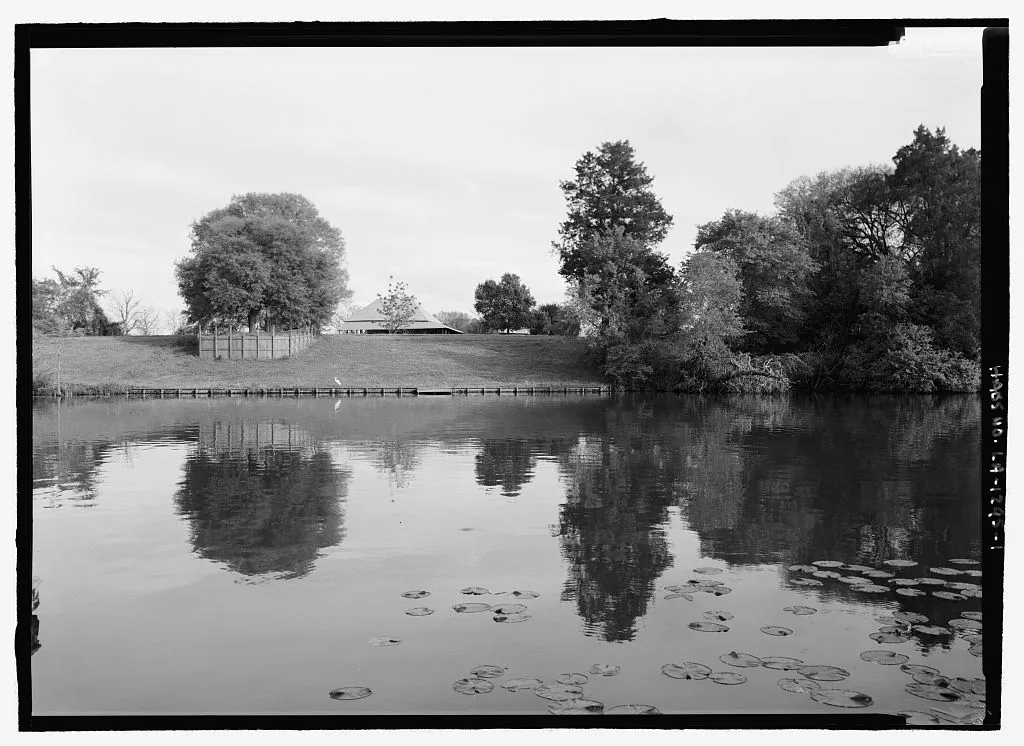 5Historic Site·c. 1790·NRHPMaison de Marie Thérèse
The cottage stands where Marie Thérèse Coincoin's farmstead occupied river-bottom land along Cane River — the same alluvial tract the Spanish Crown conceded in January 1787 and patented in May 1794. Coincoin had been born enslaved in 1742 at the Natchitoches post founded by Louis Juchereau de St. Denis. In 1778, Claude Thomas Pierre Métoyer purchased and manumitted her. Together they had ten children. As the mixed-race children matured and married, Métoyer manumitted the eldest five of those he had held in slavery. After her manumission, Coincoin planted tobacco, trapped wild bears and turkeys for the market, manufactured medicine, and shipped pelts and bear oil downriver to New Orleans. The 67-acre farmstead on the Grand Coast of Red River gave her a stake; after the Crown patent, she applied for 800 additional arpents of piney woods to the west and hired a Spaniard to operate a vacherie there. In 1807 she bought a third tract of developed farmland adjacent to her homestead. She lived frugally and invested her income in purchasing freedom for the children from an earlier relationship. By her death in 1816, she had manumitted three of those children and three grandchildren. Another daughter and many grandchildren remained enslaved, as their owners refused to manumit or sell them. The cottage's bousillage walls — mud-and-moss infill between half-timber framing — use the construction method common to French Creole buildings in colonial Louisiana. It sits on Isle Brevelle, the historical center of the Cane River community of gens de couleur libres that Coincoin's family established. Her eldest son Augustin donated land for a church there; in 1829 he commissioned his brother Louis to build St. Augustine Parish Church, believed to be the first church in the United States built by free people of color for their own use. The cottage was listed on the National Register of Historic Places in 1979. It remains private property — exterior viewing from the road only.
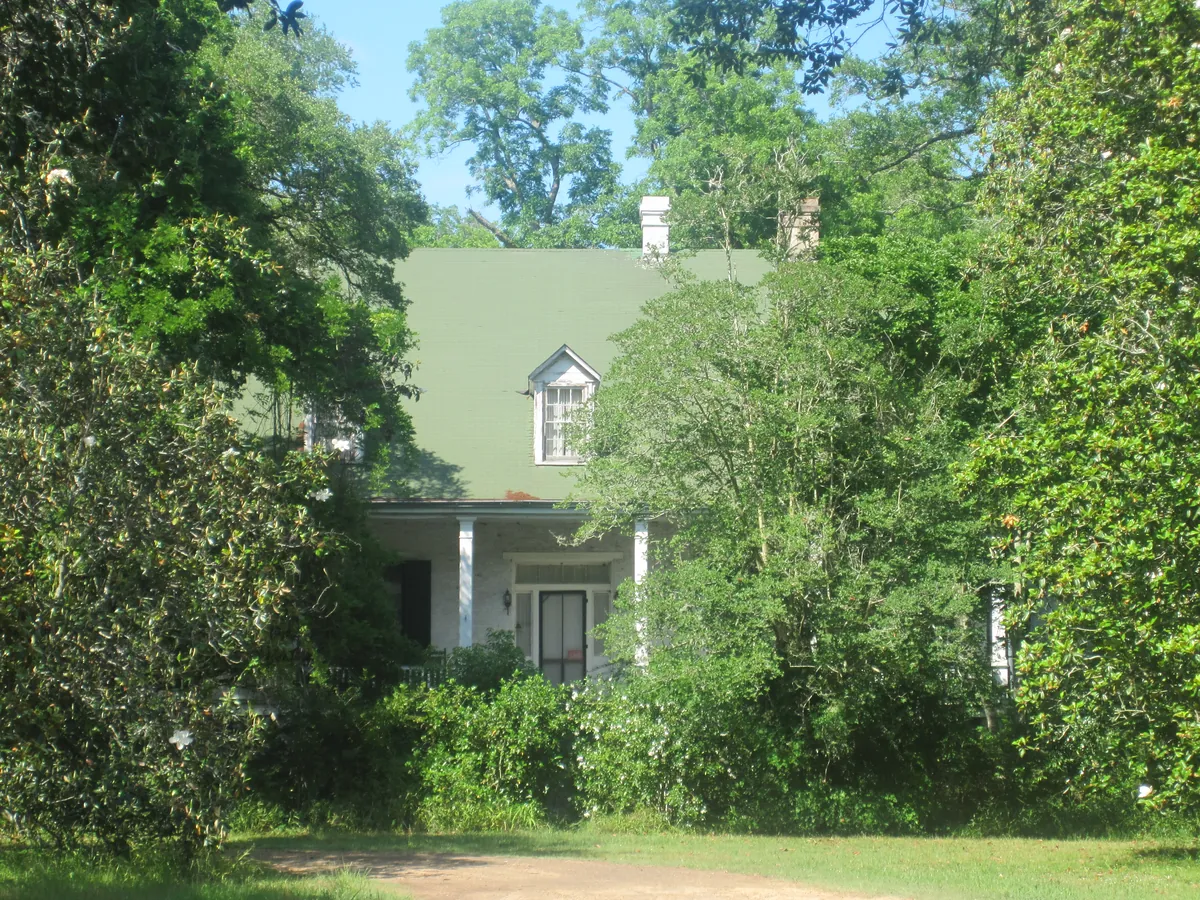 6Historic Site·1835–present·NRHPMagnolia Plantation — Cane River Creole NHP
The eight brick cabins that remain at Magnolia Plantation are not ruins. They were lived in — by enslaved people first, then by freedmen and Black sharecroppers for another hundred years after the Civil War ended. That continuity of habitation is part of what makes this place so rare, and so necessary. The plantation's recorded history begins with Jean Baptiste LeComte II, who received French and Spanish land grants in the mid-18th century, though the first structures weren't built until the 19th century and the operation wasn't running until 1830. By 1860, Ambrose LeComte II held more than 6,000 acres across multiple properties, and 275 enslaved people housed in 70 cabins cultivated and harvested the cotton. Eight of those original brick cabins survive. The site has 21 contributing buildings total — an unusually high count for any plantation complex still standing — including a blacksmith shop, a former slave hospital, a plantation store, and two cotton gins, one steam-powered and one animal-powered. After the Civil War, the Hertzogs — who had taken over the plantation when Atala LeComte married Matthew Hertzog in 1852 — rebuilt the structures damaged during the war. For the next century, Magnolia functioned as the center of a broader community: Black Protestants and Catholic Creoles of color who leased land as tenant farmers, sharecroppers who knew the place as their own even when it wasn't. Mechanization eventually pushed most of them toward city jobs, and the population thinned. The NPS manages 18 acres of outbuildings here. The main house remains in private hands, held by descendants of the Hertzog family. The site was designated a National Historic Landmark in 2001. Grounds are open daily 9am–3:30pm; ranger-led tours run Wednesday through Sunday. Free.