Natchitoches was founded in 1714 — four years before New Orleans — and people have lived on this riverbank continuously ever since. Front Street is the oldest brick-paved street in the country. The 33-block Landmark District wraps a replica of Fort St. Jean Baptiste, the Roque House built around 1790 from cypress and bousillage, the basilica that is the seventh church on a parish site dating to 1728, and the American Cemetery — the oldest European burial ground in the Louisiana Purchase, sitting on the footprint of the second French fort.
The route
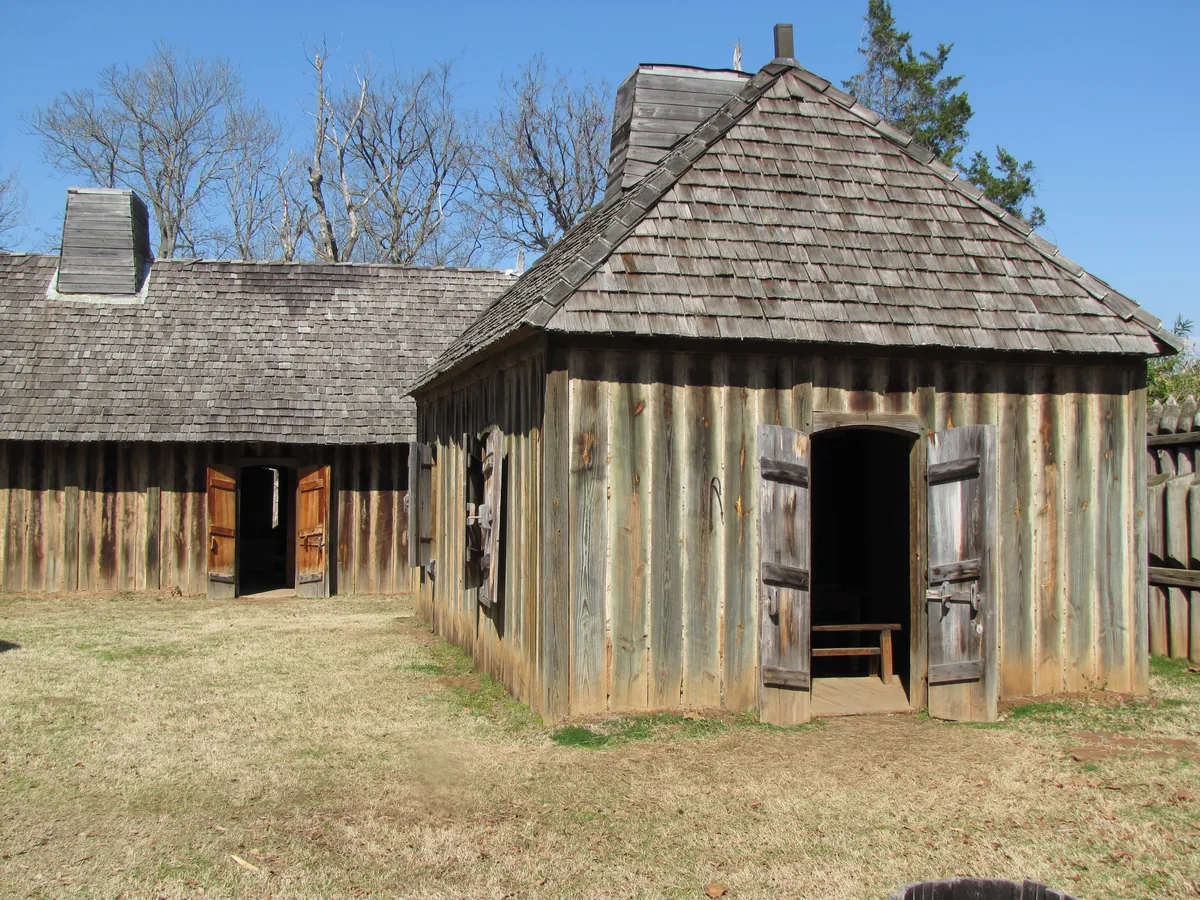 1Historic Site·1714–1764 (French Colonial)Fort St. Jean Baptiste State Historic Site
In 1714, a French Canadian named Louis Juchereau de St. Denis stopped on the Red River during a trade mission to Mexico, ordered two huts built, and left a detachment to guard stores and trade with the Natchitoches Indians whose village stood nearby. That pause became permanent — the oldest European settlement inside the borders of the 1803 Louisiana Purchase. Two years later, Sieur Du Tisné arrived with colonial troops and formal blueprints to build a fort that would block Spanish Texas from pushing east into French Louisiana. St. Denis became commandant in 1722. The fort served dual purpose: military buffer and commercial engine, particularly for trade with Caddo tribes. In 1731, a Natchez Indian attack exposed structural weaknesses; French officials dispatched engineer Broutin to design a larger, stronger fortification. The outpost held until 1762, when France's defeat by England in the French and Indian War forced Paris to cede Louisiana to Spain. The original fort sat on the Red River; when the river shifted course and left Natchitoches stranded on an oxbow lake, the site moved to high ground above what is now Cane River Lake. The 1979 reconstruction — built a few hundred yards from the original location — used Sieur Du Tisné's 1716 blueprints and Broutin's 1731 improvements, with 2,000 treated pine logs milled in Natchitoches Parish and metal hardware cast locally. Costumed interpreters now demonstrate blacksmithing, carpentry, and musket drills. Guided tours run Wednesday through Sunday at 10am, 11am, 1pm, 2pm, and 3pm. The fort is six dollars to enter, four for seniors, free under seven. You stand where the French decided they would not be pushed west.
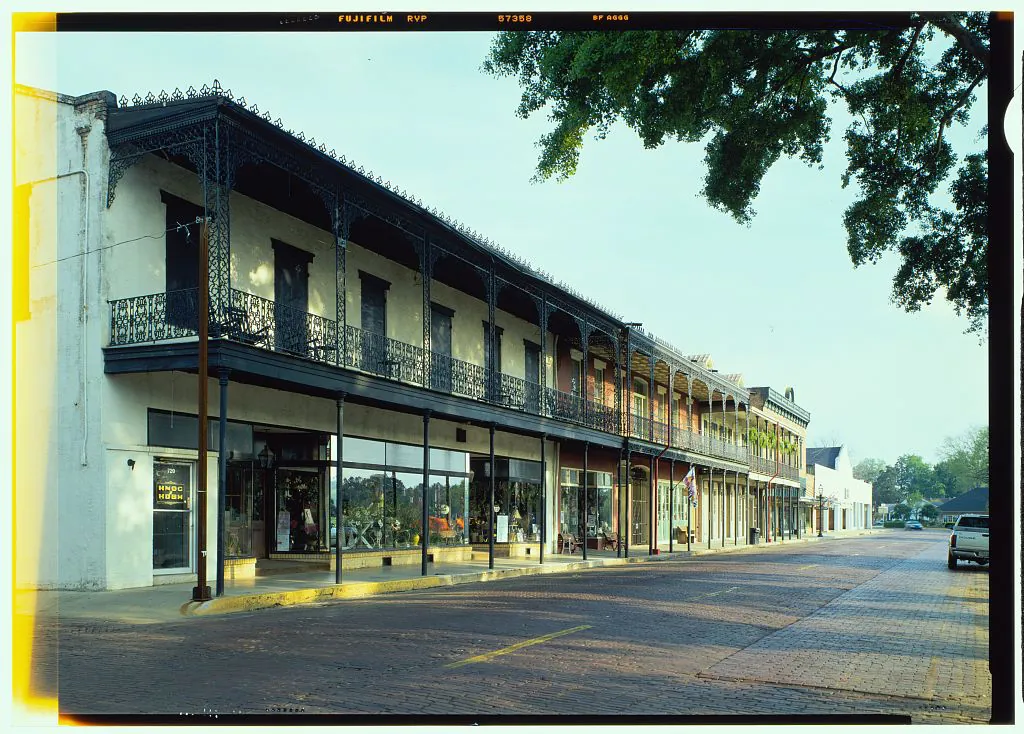 2Historic Site·1714–present·NHLFront Street — Natchitoches Historic Landmark District
A 33-block National Historic Landmark District anchored by the original brick-paved Front Street along Cane River Lake. Creole townhouses, Queen Anne cottages, and Victorian storefronts line the riverbank — many converted into shops, B&Bs, and restaurants. This is where 300,000 Christmas lights go up every November for the festival that's been running since 1926. Walk the brick street, and you're walking on the same ground where Caddo traders, French soldiers, and Creole merchants did business for three centuries.
 3Religious Site·1857–1905 (Antebellum/Reconstruction)Minor Basilica of the Immaculate Conception
The parish has stood since 1728, making it one of the oldest Catholic congregations in Louisiana. This building is the seventh to shelter it. Five predecessors were destroyed by fire or storm. Natchitoches itself was founded in 1714 as a French trading post on the Red River, the oldest permanent European settlement within the borders of the Louisiana Purchase. Early settlers were French Catholic immigrants and creoles, their faith as old as the colonial outpost. Construction on the current basilica began in 1857. The Civil War halted it in 1861. Work resumed after the war and wasn't finished until roughly 1905—nearly half a century from cornerstone to completion. During the Civil War, Union soldiers retreating through town after their failed attempt to capture Shreveport set fire to Natchitoches. Confederate cavalry pursued the fleeing soldiers and arrived in time to help extinguish the flames before the town was destroyed. The basilica survived that fire and the decades of interrupted construction that followed. Pope Benedict XVI elevated it to Minor Basilica in 2009. The church is open daily for self-guided visits. Mass schedule at minorbasilica.org.
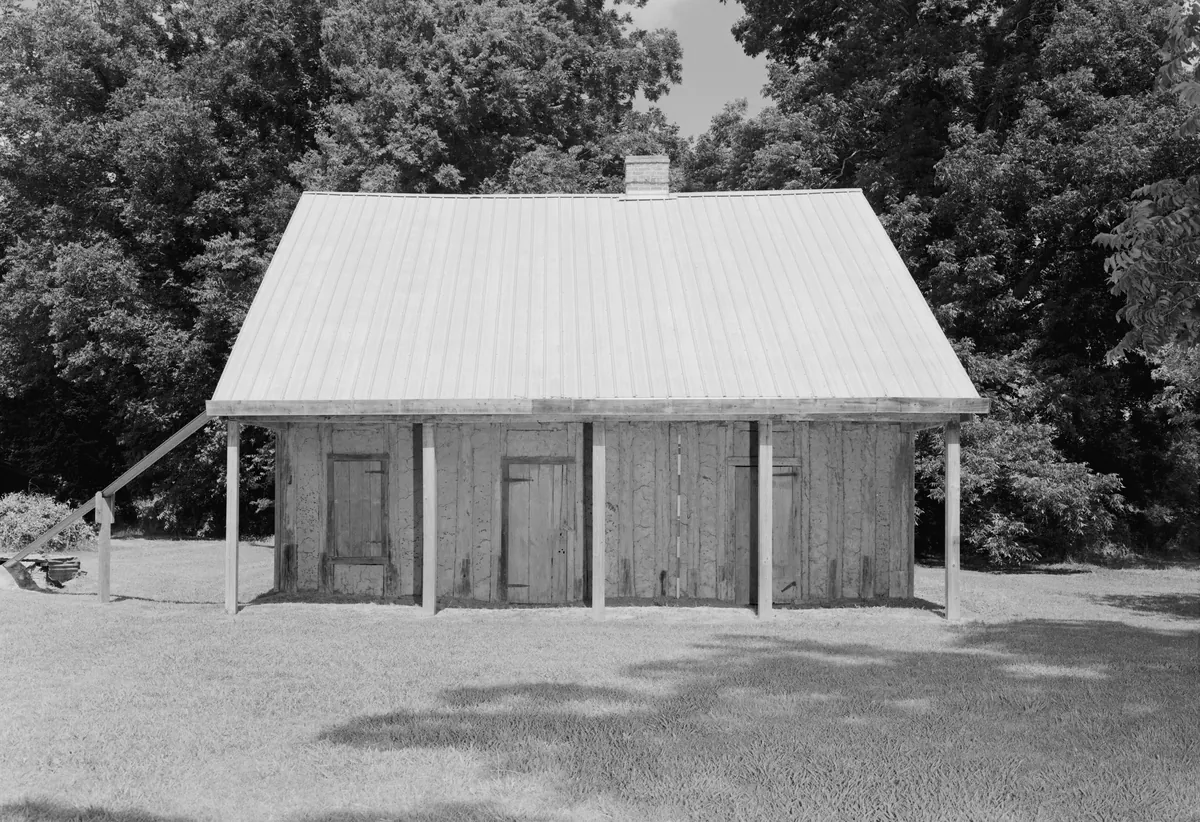 4Historic Site·c. 1790 (Spanish Colonial)Roque House
The walls went up in 1803 on Isle Brevelle, built by Yves Pacale -- a free man of color who used his skill as a carpenter to buy freedom for himself, his wife, and his daughter. He built the house on his own land using bousillage entre poteaux: mud and moss packed between hand-hewn cypress posts, a technique carried here from the Caribbean and adapted to a French-then-Spanish colony 76 years after Louis Juchereau de St. Denis established Natchitoches as a trading outpost with Spanish-controlled Mexico. The Roque House is one of the oldest standing structures in the Natchitoches Historic Landmark District. When the Red River shifted course, it bypassed Natchitoches and cut off its lucrative connection to the Mississippi River, leaving a 33-mile oxbow lake in its place -- now called Cane River Lake. In 1967, preservationists moved the Roque House from Isle Brevelle to the Natchitoches riverbank to save it. It now stands on the Cane River lakefront near Front Street, part of the heritage trail. Exterior viewing only. Free. You're looking at walls a free man built with his own hands to prove he owned them -- mud, moss, and cypress, still standing.
 5Historic Site·c. 1830 (Antebellum)Lemee House
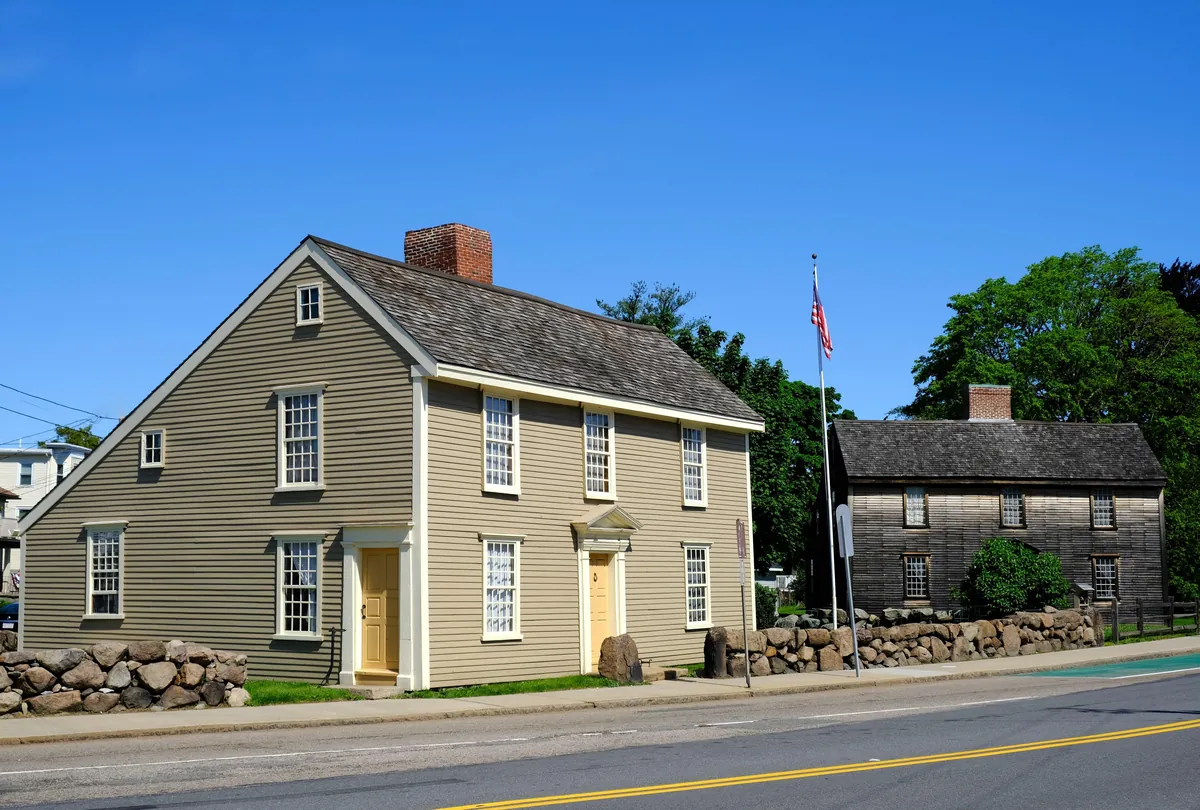
Natchitoches was established in 1714 as a French outpost on the Red River, the oldest permanent European settlement within the borders of the Louisiana Purchase. French creoles acquired lands that were developed in the antebellum years as cotton plantations. The Lemee House, built around 1830, demonstrates what that early world looked like at the scale of a single household. The house is a French Creole raised cottage with galleries on two sides — Caribbean French architecture adapted to northwest Louisiana. Inside are period furnishings and exhibits on Creole domestic life in antebellum Natchitoches. The arrangement shows how households worked before the war. The Lemee House is one of several surviving Creole cottages in the Historic District; the Roque House is nearby for comparison. Check with the Natchitoches Historic Foundation for tour availability.
 6Historic Site·Colonial (est. c. 1737)American Cemetery
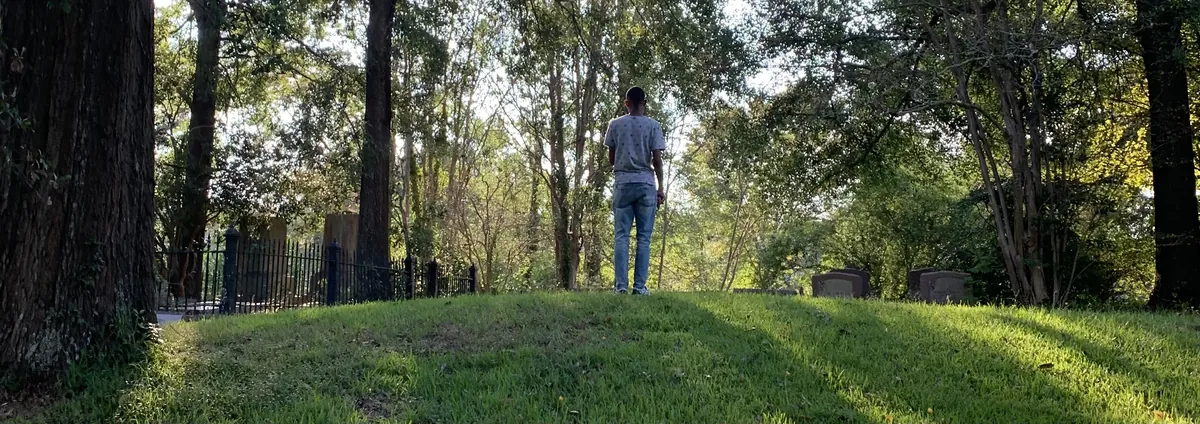
The second French fort in Natchitoches stood here. So did the parish church. This is the oldest cemetery in the Louisiana Purchase — burials date to the colonial era, the earliest marked grave to 1797. Approximately two thousand graves now, and Natchitoches, founded in 1714, never moved. Louis Juchereau de St. Denis, who established the city, died in 1744. He is believed buried beneath where the old parish church stood. No headstone survives. Dr. John Sibley, Revolutionary War veteran and Thomas Jefferson's appointed Indian agent, is buried here. So is Theodore Pierson, the mayor assassinated on St. Denis Street in 1922. John Gideon Lewis, African American editor and civic leader, has the cemetery's only mausoleum. The cemetery was featured in the funeral scene of *Steel Magnolias*. It is nearing capacity. Open dawn to dusk, free.