The city exists because of a portage. Indigenous peoples had used the route for centuries — the short carry between Bayou St. John and the Mississippi that let travelers bypass a hundred miles of river to reach the Gulf. In 1717, Bienville wrote to the Directors of the Company that he had found a crescent bend in the Mississippi, high ground he believed safe from tidal surges and hurricanes, adjacent to that portage. The bayou connected Lake Pontchartrain to the river. Control the portage, control the Mississippi River Valley. Permission was granted. Bienville founded New Orleans in the spring of 1718 and named it La Nouvelle-Orléans for Philippe II, Duke of Orléans, regent of France.
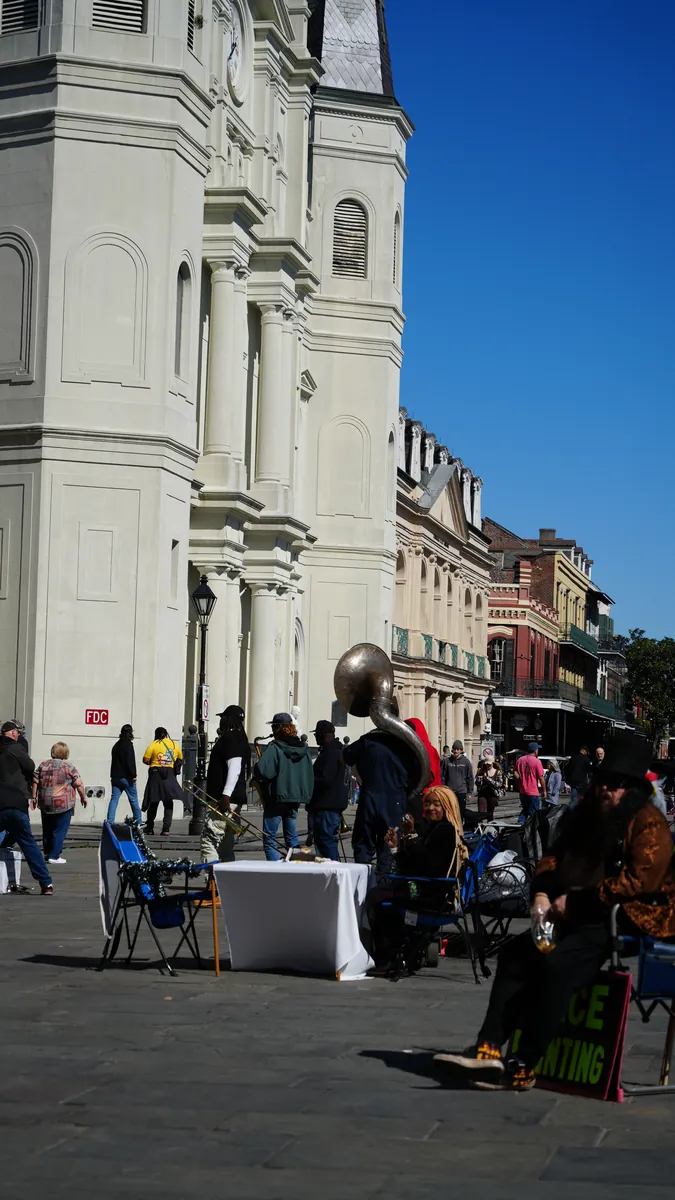
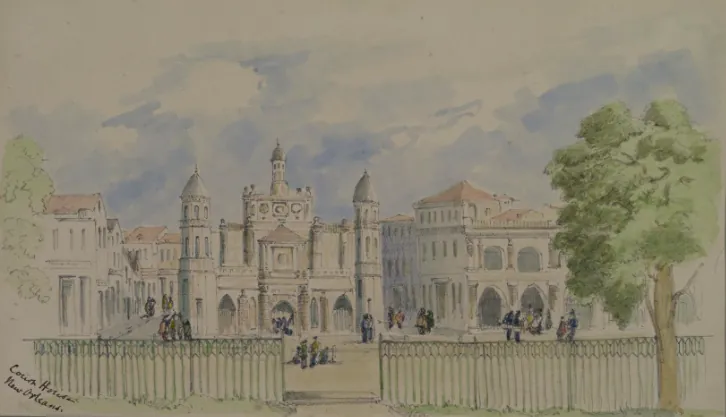
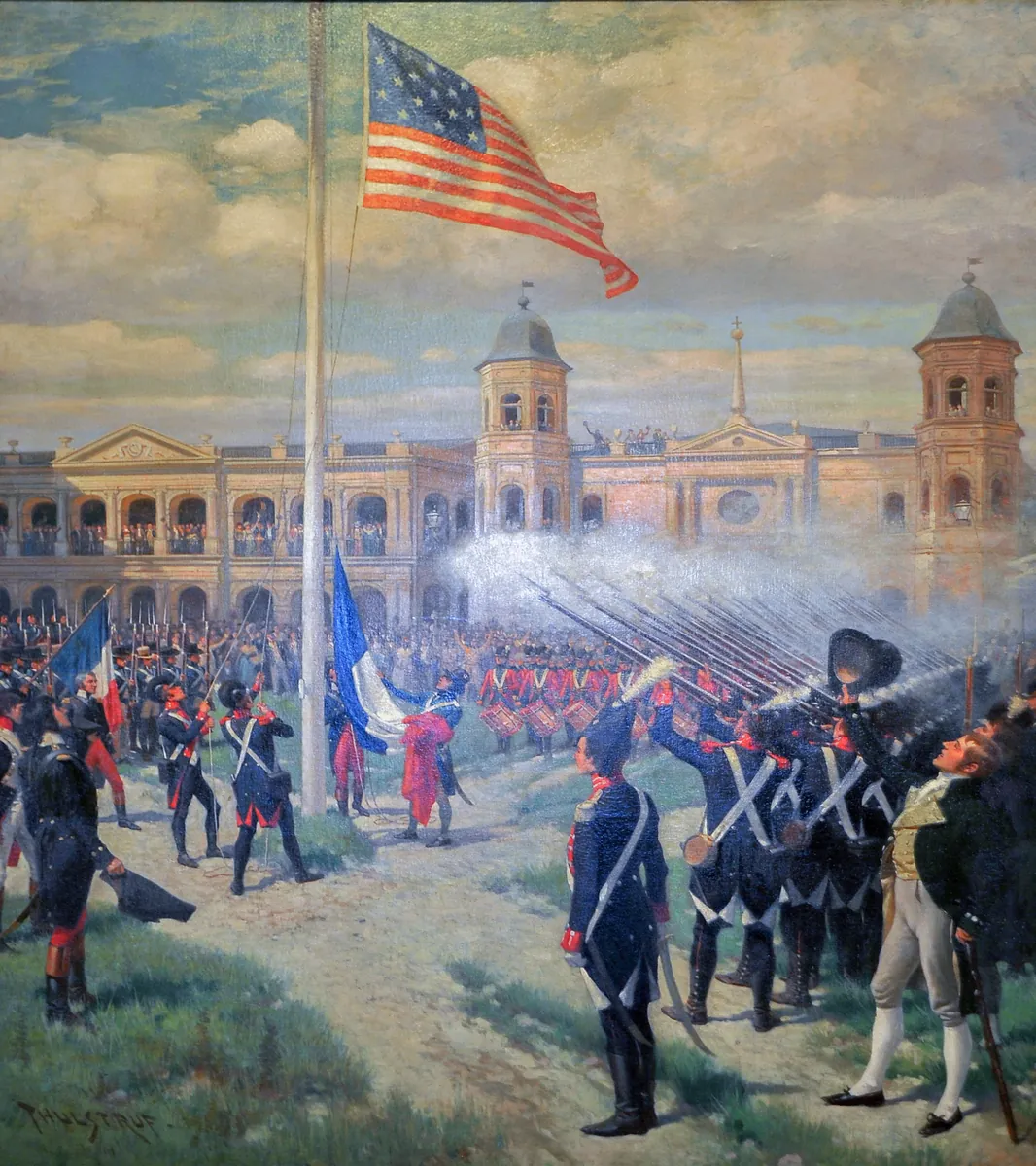
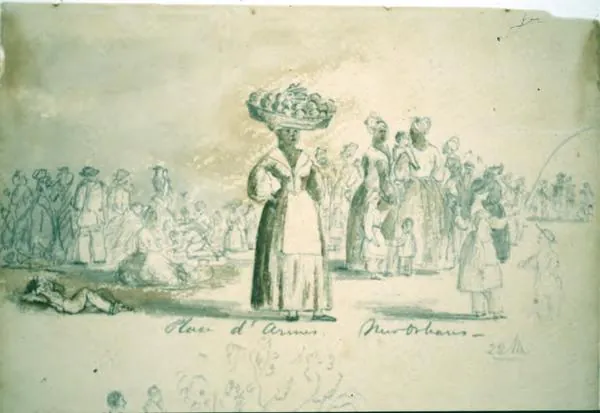
The eleven-by-seven block rectangle that Adrien de Pauger drew up in 1721 is the French Quarter. The Place d'Armes, the original military parade ground, became Jackson Square. Stand in Jackson Square and you are standing on Bienville's founding site — the crescent of high ground where the portage met the river, the spot that made New Orleans possible. Free and open daily.
- ·In 1718, Bienville chose this crescent of high ground near the portage to Bayou St. John as the site for La Nouvelle-Orléans.
- ·Named for Philippe II, Duke of Orléans, regent of France.
- ·The founding decision was entirely about the portage — the bayou connecting Lake Pontchartrain to the river made the city possible.
- ·The Place d'Armes, the original military parade ground, became Jackson Square.
- ·Indigenous peoples had used the portage for centuries before European contact; Bienville built on their route.
- ·Jackson Square today sits on Bienville's founding site. Free and open daily.
More archive
Memories
Editorial content compiled with AI assistance. Place details verified against public records.