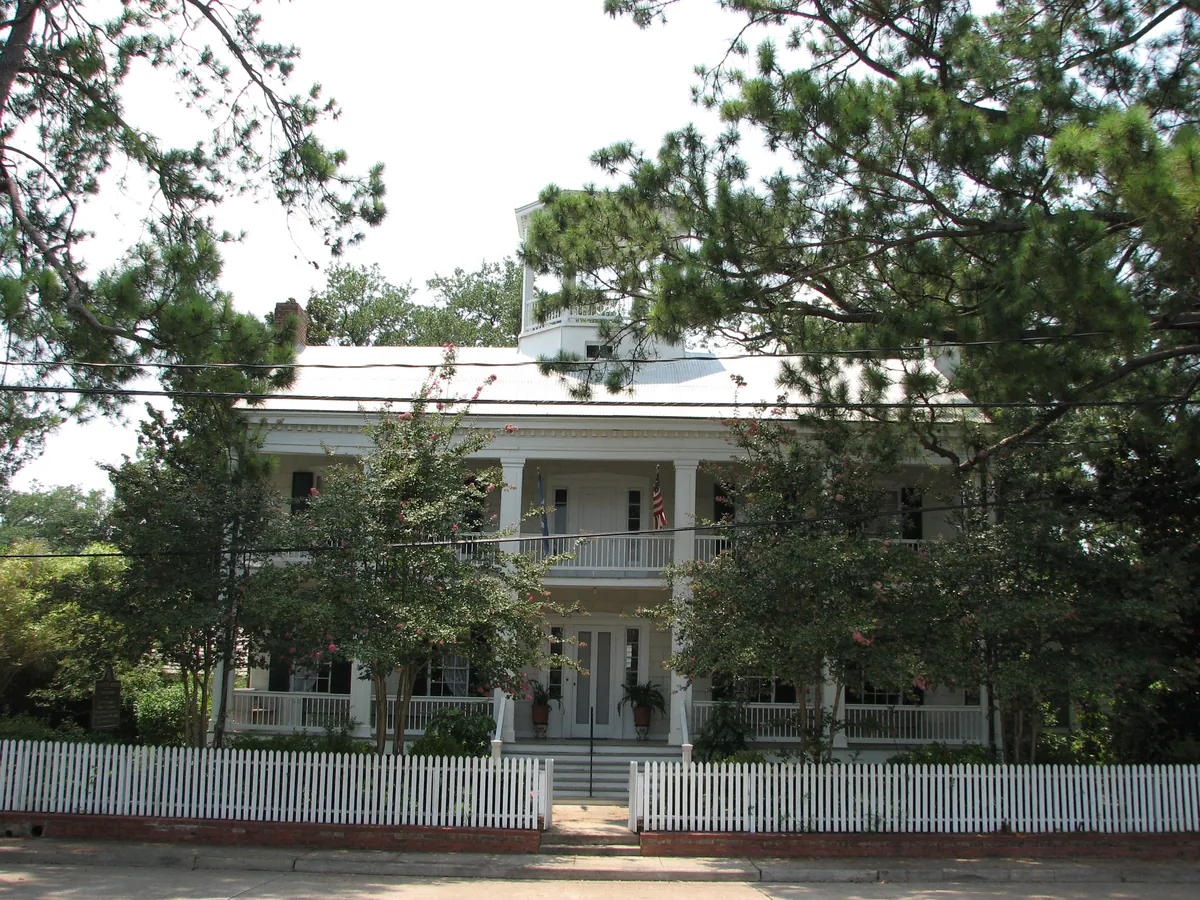
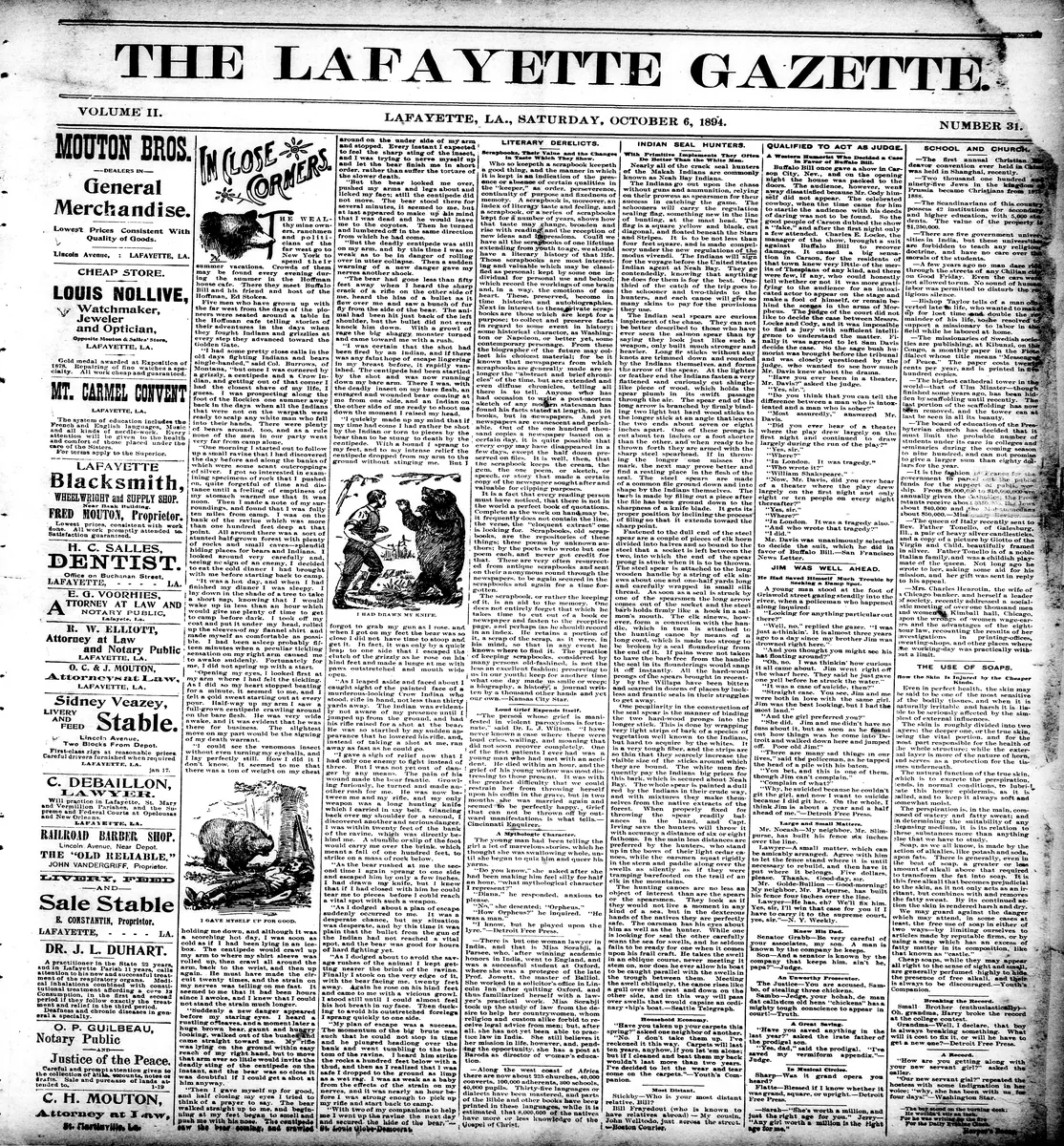
The Vermilion River crossing drew the Old Spanish Trail through here — a trading route older than any European claim to the land. The Attakapa-Ishak, Choctaw, Chitimacha, and Opelousa peoples had inhabited this ground for thousands of years before Acadian settler Jean Mouton donated land for a Catholic chapel in 1821. The settlement that grew around that chapel became the town, first called Vermilionville. In 1823, Mouton donated land again — this time for a courthouse — and Lafayette Parish was created. The name Vermilionville held until 1884, when the town was renamed for the Marquis de Lafayette.
The Southern Pacific Railroad arrived in the 1880s and transformed the bayou village into a commercial hub. What you're standing in now is the heart of what Louisiana officially recognized in 1971 as Acadiana — 22 parishes where French Acadian refugees from Canada, expelled by the British after the Seven Years' War, settled and intermarried with other cultures to form what became Cajun country. The term "Acadiana" itself was a 1946 newspaper coinage, later popularized by a Lafayette television station in the early 1960s when an invoice misspelled "Acadian" with an extra "a." The name stuck because it named something real: the French Louisiana region that had been here all along.
This crossing matters because Lafayette grew where routes converged — the river, the trail, the railroad, the chapel. The convergence is still legible in the streets.
- ·The Attakapa-Ishak, Choctaw, Chitimacha, and Opelousa peoples inhabited this land for thousands of years before European contact.
- ·In 1821, Acadian settler Jean Mouton donated land for a Catholic chapel — the settlement that grew around it became Lafayette.
- ·Originally called Vermilionville until 1884, when it was renamed for the Marquis de Lafayette.
- ·Lafayette Parish was created in 1823 after Mouton's second donation — land for a courthouse.
- ·The Southern Pacific Railroad's arrival in the 1880s transformed the bayou village into a commercial hub.
- ·The Old Spanish Trail crossed the Vermilion River here, making it a natural trading crossroads long before European settlement.
More archive
Memories
Editorial content compiled with AI assistance. Place details verified against public records.