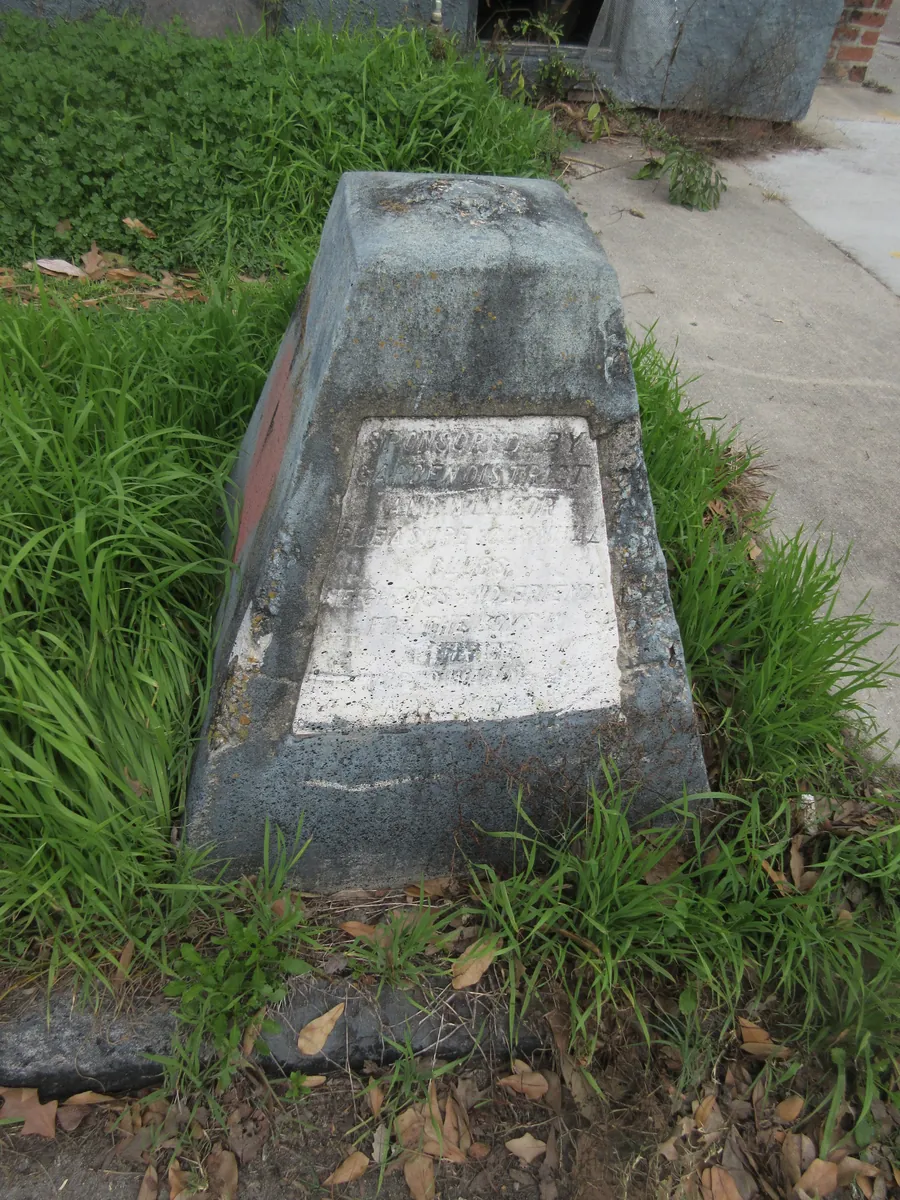
The men who dug the New Basin Canal in the 1840s came from Ireland because the Famine left them no choice. Many died in the work. The ones who survived built houses along the river side of Magazine Street — the narrow grid that became the Irish Channel.
New Orleans was already the largest port in the South by then, exporting cotton and farm products to Europe and New England. The Irish who stayed worked the docks, the warehouses, the trades that kept cargo moving. The neighborhood they made was theirs for a century — working-class, Catholic, tight.
Parasol's on Constance Street still makes the roast beef po-boy. The St. Patrick's Day parade held here the Saturday before March 17 is the biggest in the South. The shotgun houses are still standing. What changed is who lives in them now, but the grid itself hasn't moved.
- ·The Irish Channel was built by Famine-era immigrants arriving in the 1840s.
- ·Residents came to dig the New Basin Canal; many died doing it.
- ·The neighborhood runs along the river side of Magazine Street.
- ·Parasol's on Constance Street still makes the roast beef po-boy.
- ·Visitor tip: the St. Patrick's Day parade here is the biggest in the South, held the Saturday before March 17.
Memories
Editorial content compiled with AI assistance. Place details verified against public records.