The eight brick cabins that remain at Magnolia Plantation are not ruins. They were lived in — by enslaved people first, then by freedmen and Black sharecroppers for another hundred years after the Civil War ended. That continuity of habitation is part of what makes this place so rare, and so necessary.
The plantation's recorded history begins with Jean Baptiste LeComte II, who received French and Spanish land grants in the mid-18th century, though the first structures weren't built until the 19th century and the operation wasn't running until 1830. By 1860, Ambrose LeComte II held more than 6,000 acres across multiple properties, and 275 enslaved people housed in 70 cabins cultivated and harvested the cotton. Eight of those original brick cabins survive. The site has 21 contributing buildings total — an unusually high count for any plantation complex still standing — including a blacksmith shop, a former slave hospital, a plantation store, and two cotton gins, one steam-powered and one animal-powered.
After the Civil War, the Hertzogs — who had taken over the plantation when Atala LeComte married Matthew Hertzog in 1852 — rebuilt the structures damaged during the war. For the next century, Magnolia functioned as the center of a broader community: Black Protestants and Catholic Creoles of color who leased land as tenant farmers, sharecroppers who knew the place as their own even when it wasn't. Mechanization eventually pushed most of them toward city jobs, and the population thinned.
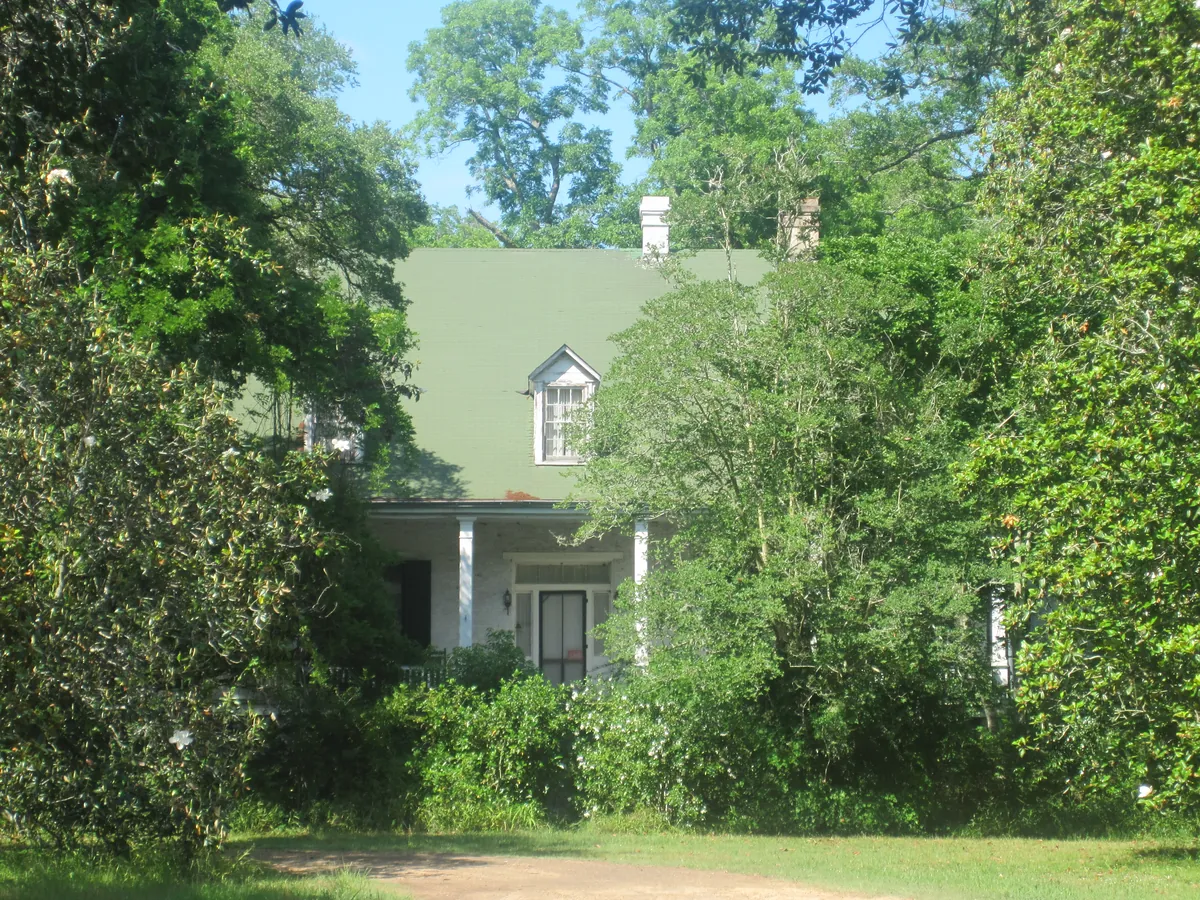
The NPS manages 18 acres of outbuildings here. The main house remains in private hands, held by descendants of the Hertzog family. The site was designated a National Historic Landmark in 2001. Grounds are open daily 9am–3:30pm; ranger-led tours run Wednesday through Sunday. Free.
- ·18 acres of outbuildings managed by NPS; the main house remains in private hands.
- ·Eight original slave cabins survive — among the best-preserved enslaved quarters in the United States.
- ·A former slave hospital, blacksmith shop, gin barn, and plantation store are also intact.
- ·The LeComte family acquired the property in 1753; some structures date to the 18th century.
- ·Grounds open daily 9am–3:30pm. Ranger-led tours Wed–Sun. Free.
Memories
Editorial content compiled with AI assistance. Place details verified against public records.