Top picks in Northwest Louisiana
The places most worth your time here.
Connect your Cour circle to see which places friends and family recommend here.
Connect Cour →Landmarks
43 places worth the detour
tap the eye to open · swipe or use buttons to browse
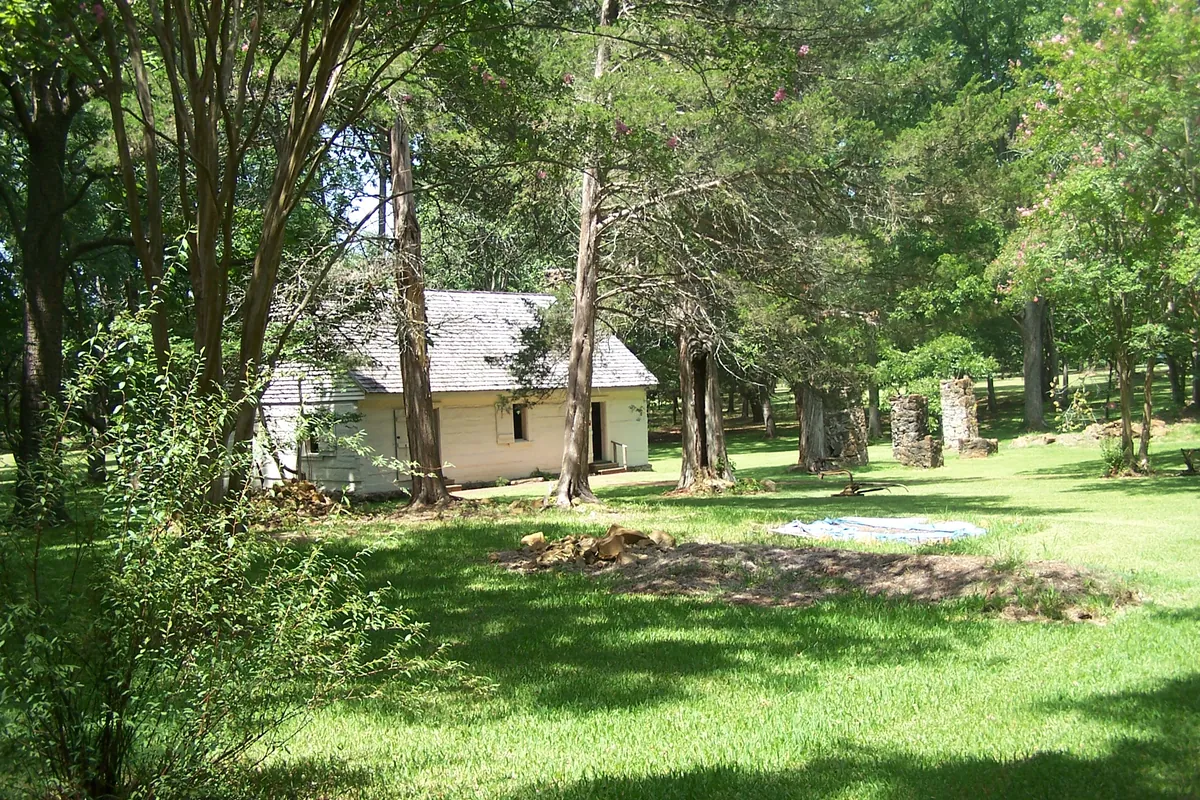
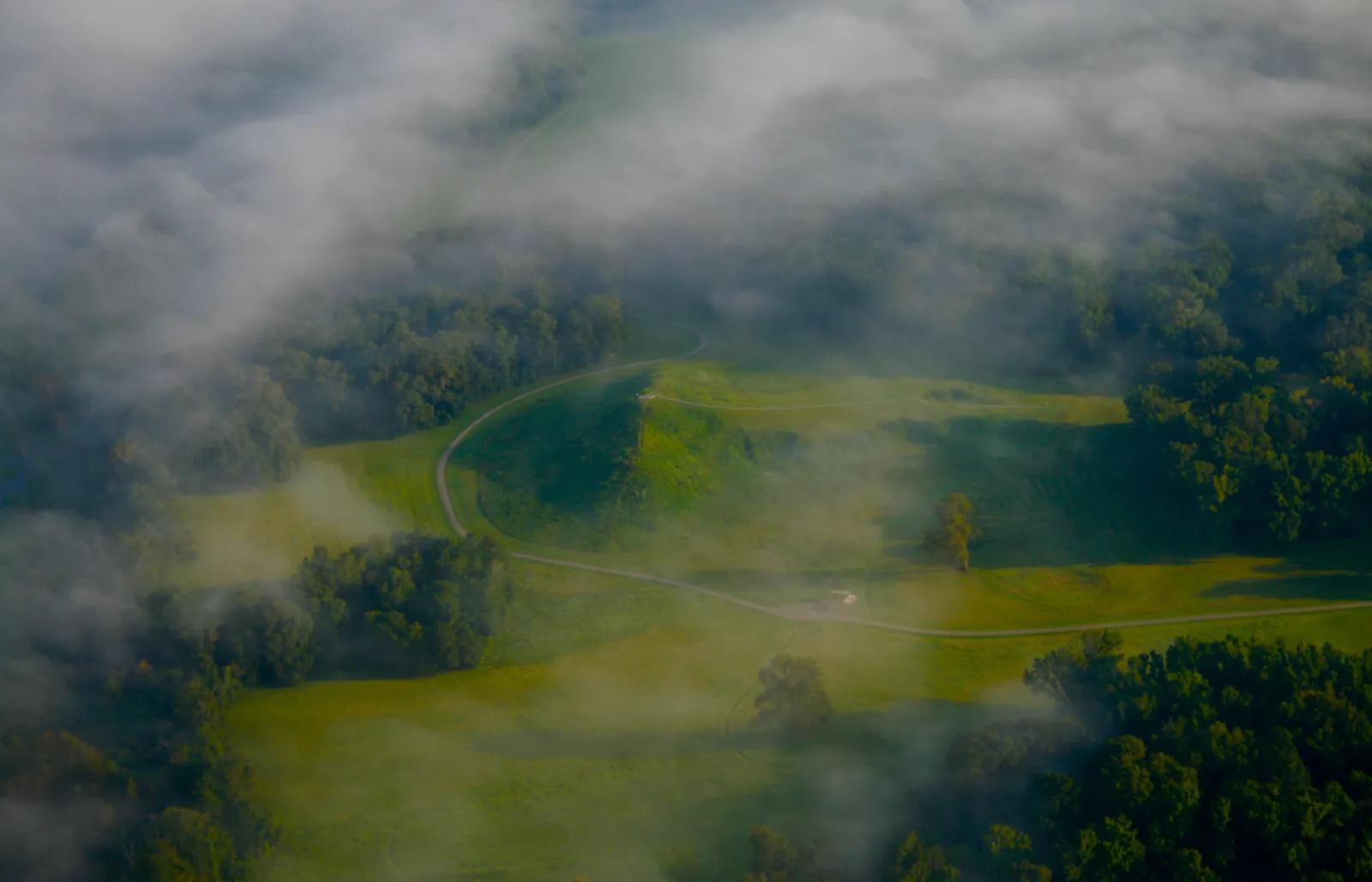
This was Caddo country long before it was Louisiana. The Caddo Confederacy — a network of agricultural nations speaking related languages, ruled by hereditary leaders, trading across a territory…
Read the full storyOn the map
Tours
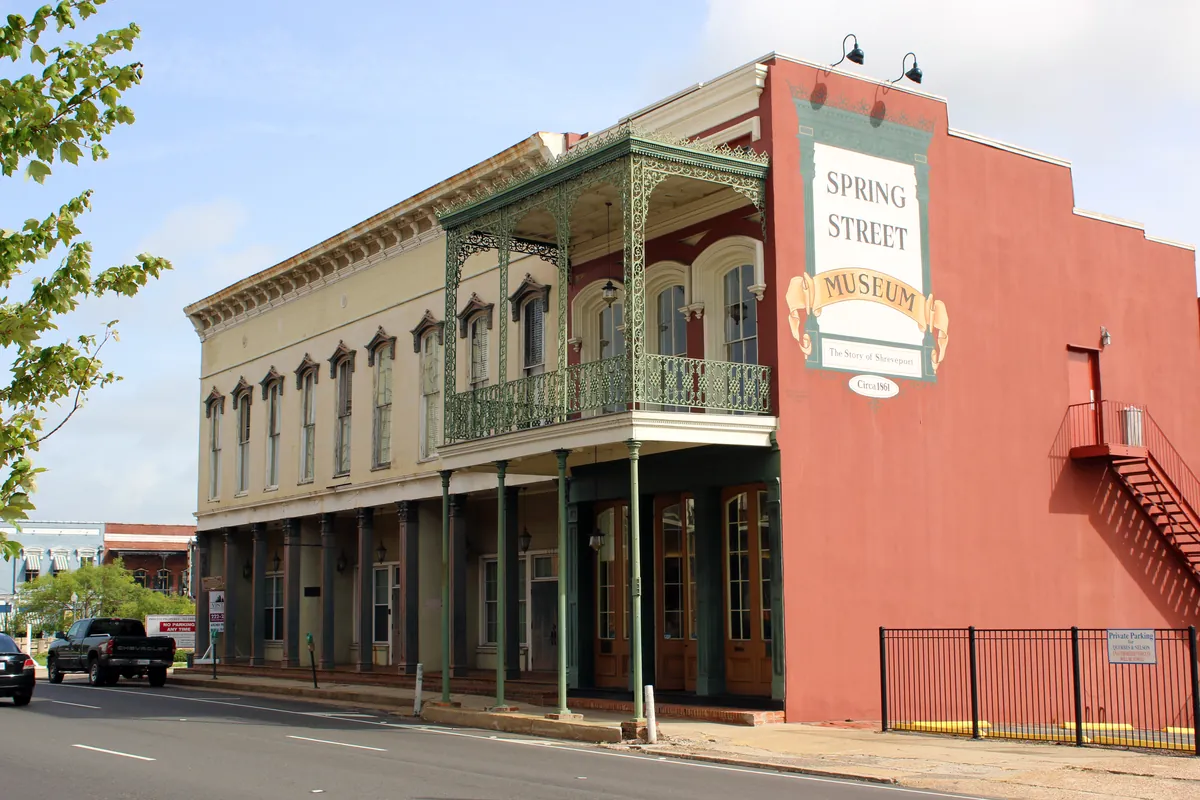
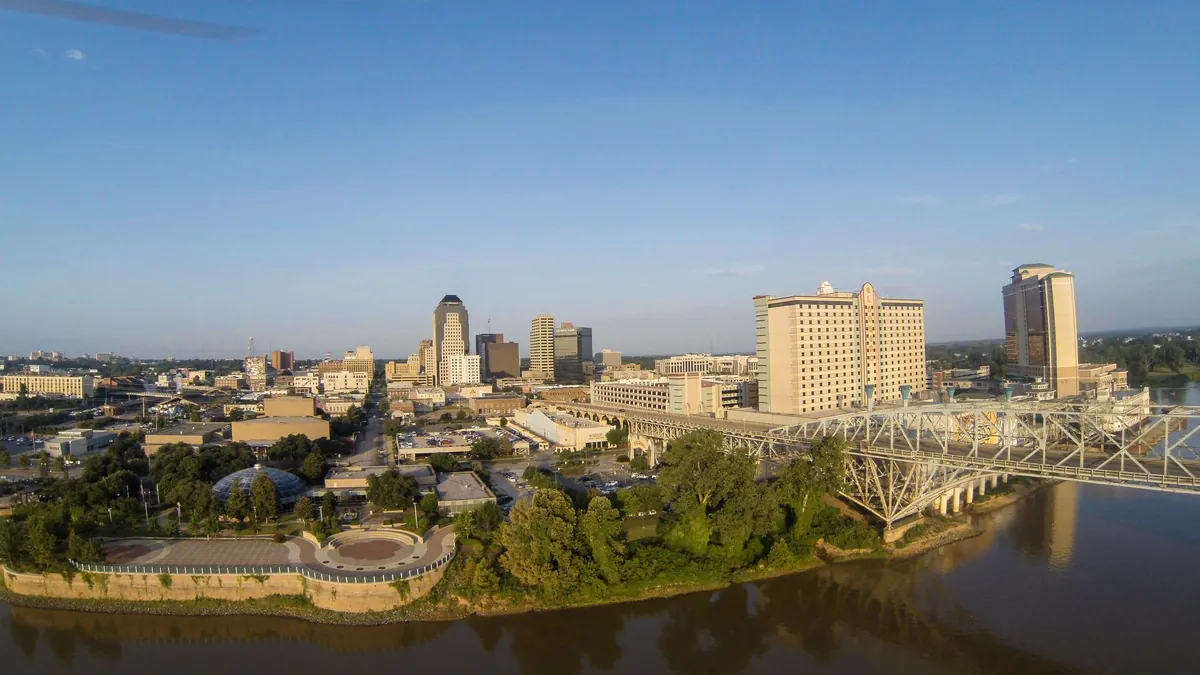
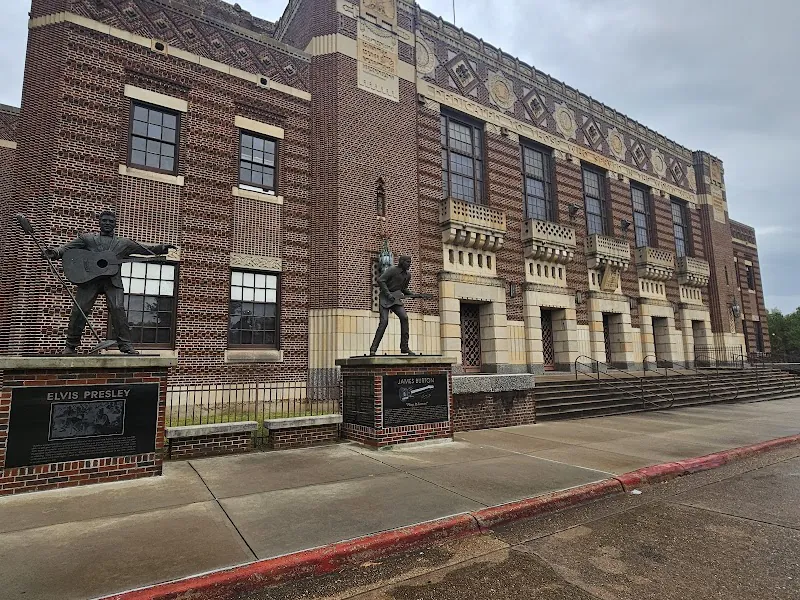
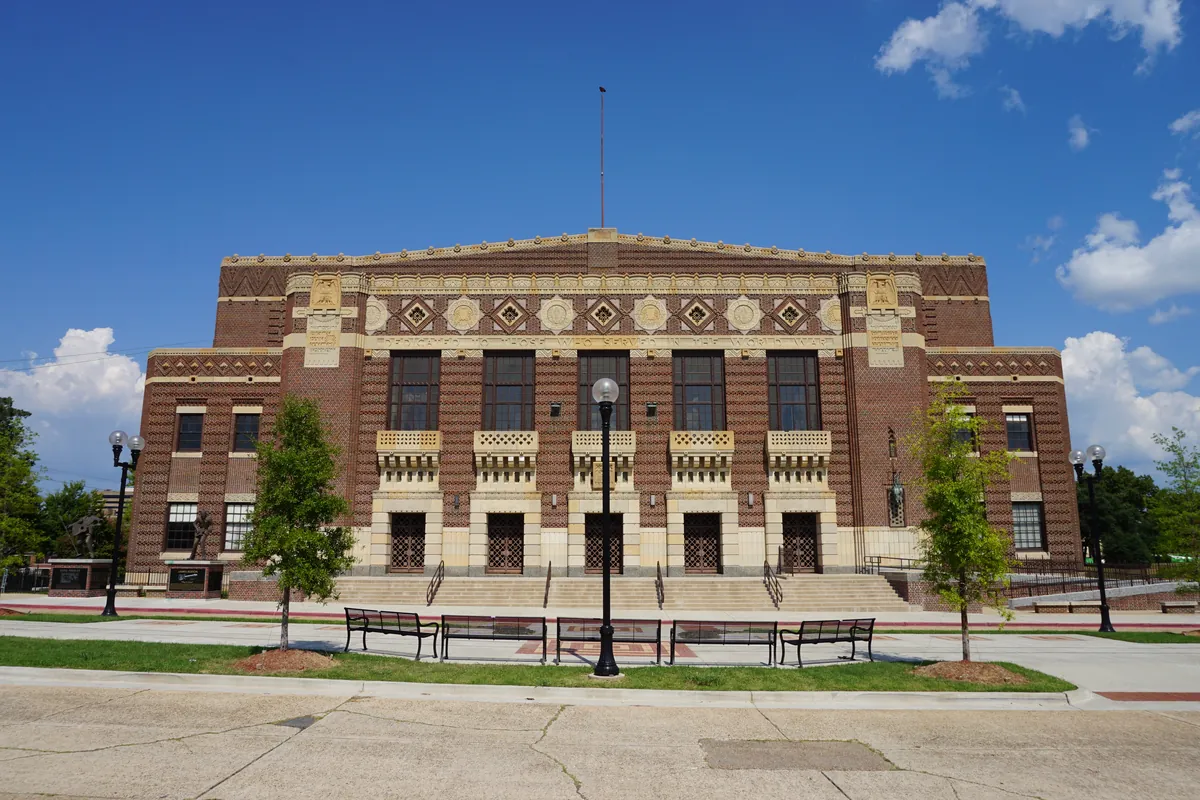
Before Nashville consolidated country music, Shreveport was the proving ground. The Louisiana Hayride broadcast live from the Municipal Auditorium starting in 1948 — Hank Williams played his last full show there in 1952, Elvis signed his contract with Louisiana Hayride there in 1954, Johnny Cash and Johnny Horton worked the same stage. The Strand Theatre, a 1927 movie palace with hand-painted frescoes, anchors Spring Street's three surviving theaters. The Commercial District's brick warehouses date to the cotton-and-river decades. The Texas Street Bridge crosses to Bossier. The walk is the argument.
Caddo Parish carries the name of the people who held this country for a thousand years before Henry Shreve cleared the Great Raft and let Anglo-American settlement in. Caddo Lake's 1901 oil strike made Shreveport one of the first oil cities in America; the money built Broadmoor's Queen Anne and Classical Revival blocks between the 1890s and 1920s. The Pioneer Heritage Center at LSUS keeps five buildings — dogtrot, commissary, plantation outbuilding — moved here when the bulldozers came. Cross Lake supplies the city's drinking water. The architecture is the ledger.
Reading
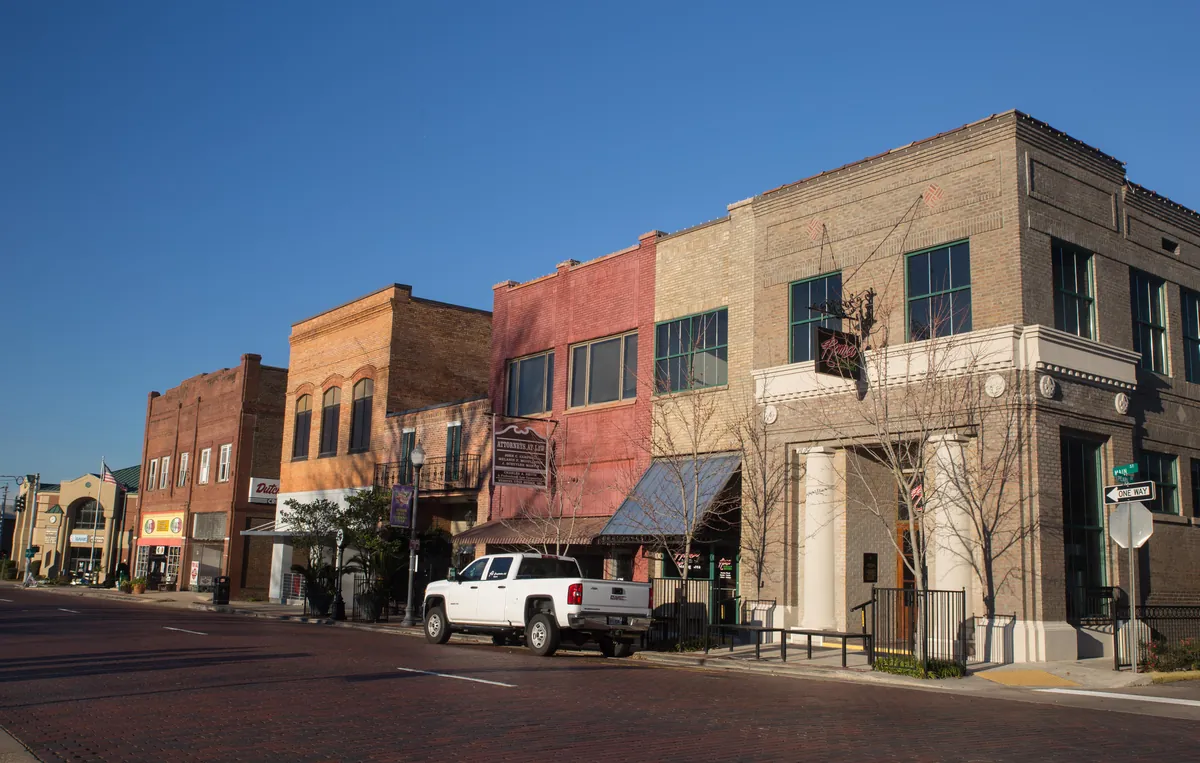
The money that built Shreveport came down the Red River and up the rail lines, and it left its evidence in brick. Through the 1880s into the 1920s, cotton and commerce filled the bluff above the river with Romanesque and Italianate warehouses — arched storefronts, corbeled cornices, cast-iron columns holding up pressed-metal ceilings. South of downtown, along the Line Avenue corridor, the affluent families who moved that commerce built in a different register: Victorian turreted corners, wraparound porches, Queen Anne and Classical Revival facades meant to outlast the people who commissioned them. The McNeil Street Pumping Station, drawing from the river since 1887, kept the whole apparatus running for over a century. What Shreveport did not do, mostly, was tear these things down. The Slattery Building went up in 1923 and the layers kept accumulating — Italianate beside Art Deco beside Modernist — until the district itself became the record.
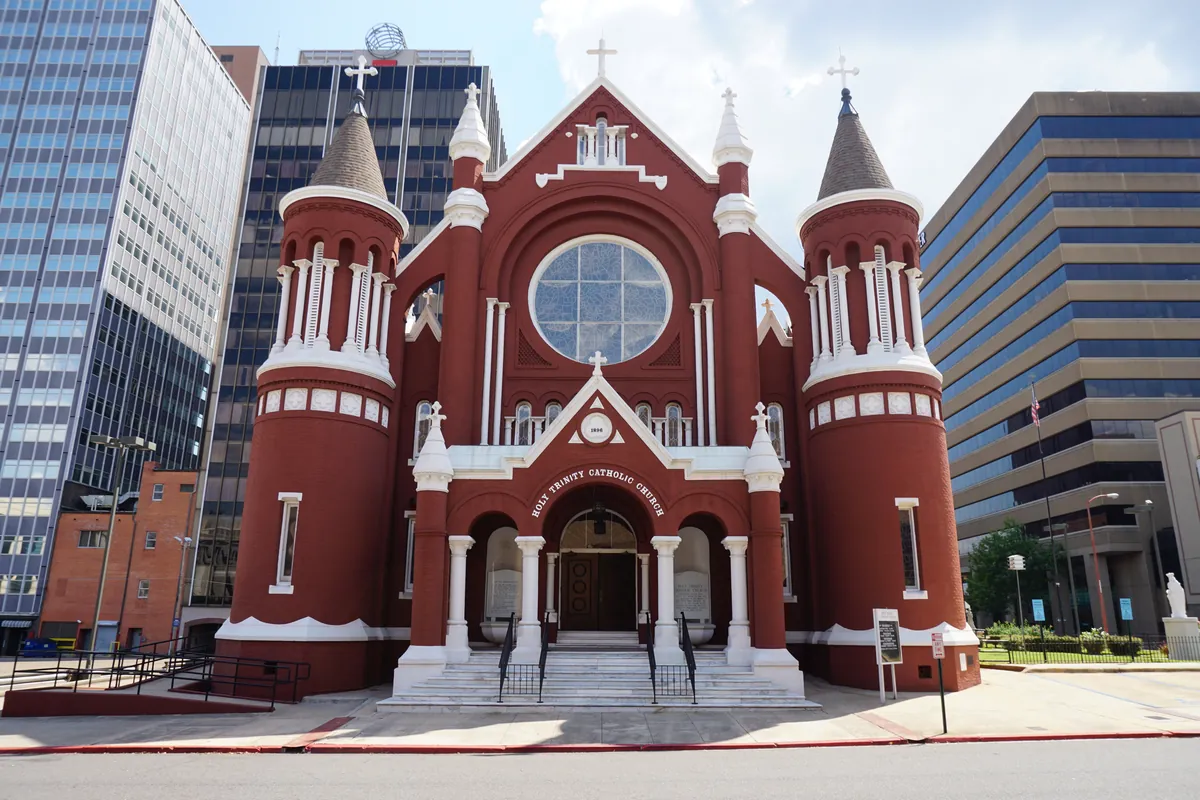
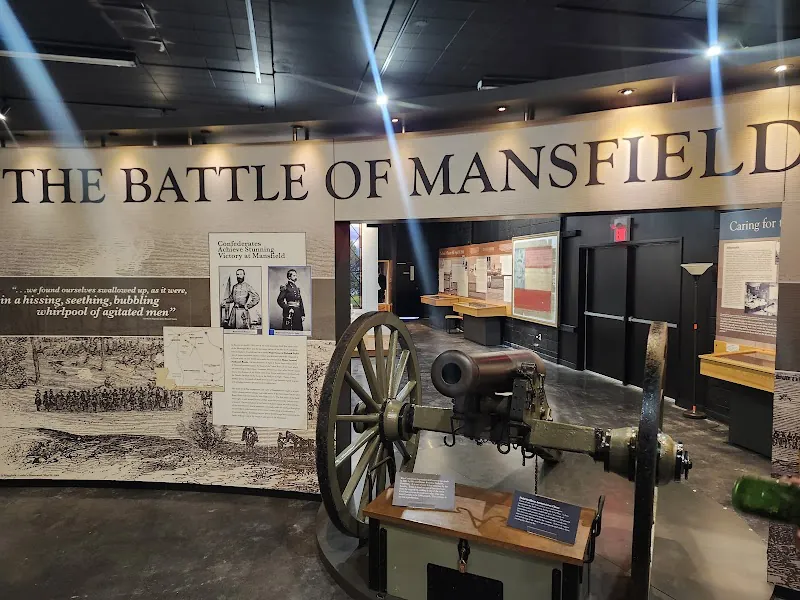
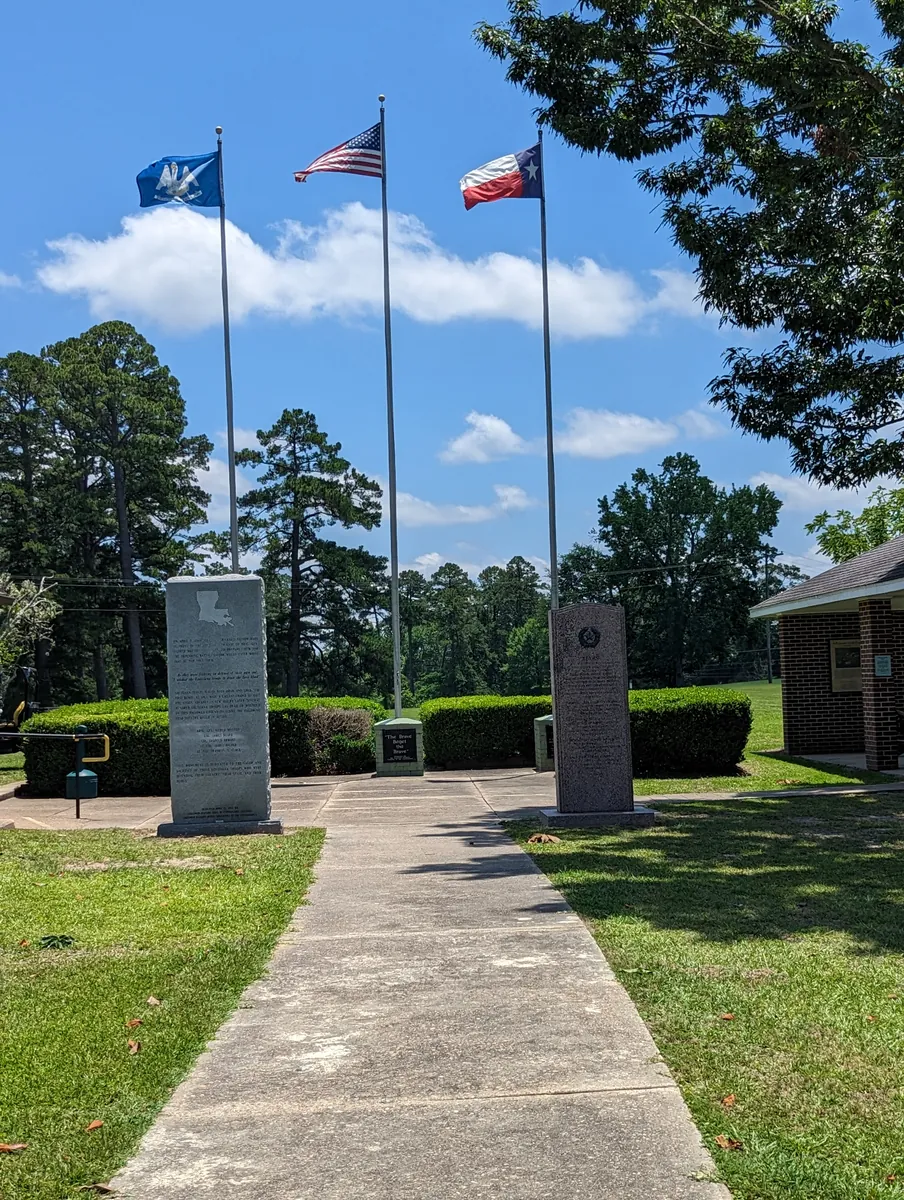
In the spring of 1864, the Union's ambition to take Texas ran out of road in the red clay of DeSoto Parish. On April 8, Confederate forces stopped the Red River Campaign cold at Mansfield — the most significant Civil War engagement in Louisiana west of the Mississippi. The next day at Pleasant Hill, Banks held the field and retreated anyway, abandoning his plans to reach Shreveport. The Confederacy's last Louisiana capital never fell. What the fighting left behind is still readable on the land: 455 acres of preserved battlefield at Mansfield, the markers at Pleasant Hill, and Oakland Cemetery — open since 1847 — where the Civil War officers who defended this ground were eventually buried under Victorian ironwork that has stood for more than a century and a half. By 1868 Holy Trinity Catholic Church was rising on Spring Street, its cornerstone sealed with documents from the war that had just ended. The city that survived is still standing around them.
On April 8, 1864, Confederate General Richard Taylor — son of President Zachary Taylor — intercepted a Union force three times his size at Sabine Crossroads near Mansfield. The battle lasted a single afternoon and ended the Union's Red River Campaign, saving Confederate control of western Louisiana and East Texas. Nearly 5,000 men fell. The next day, at Pleasant Hill, the armies fought again to a tactical draw, but the Union retreat was already decided. Mansfield State Historic Site preserves the battlefield with walking trails and a visitor center that makes the tactical story legible.
In 1906, drillers struck oil in the Caddo-Pine Island field northwest of Shreveport — one of the first major oil discoveries in Louisiana. Within a decade, the region was producing millions of barrels. Standard Oil, Gulf, and a wave of wildcatters transformed Shreveport from a cotton trading town into an oil capital. The money built the downtown commercial district, funded the Strand Theatre and the Municipal Auditorium, and attracted workers from across the South. The Louisiana State Oil & Gas Museum documents this transformation. When natural gas replaced oil as the primary extraction, Shreveport adapted again.
Barksdale Air Force Base has been home to the 8th Air Force — the strategic bombing arm of the U.S. military — since 1942. During the Cold War, B-52 Stratofortresses loaded with nuclear weapons sat on alert at the end of the runway, ready to launch within minutes. The base was a primary target in Soviet war plans. Today Barksdale remains a key node in America's nuclear deterrent, and the Global Power Museum on base tells the story of strategic airpower from the firebombing of Germany to the present.
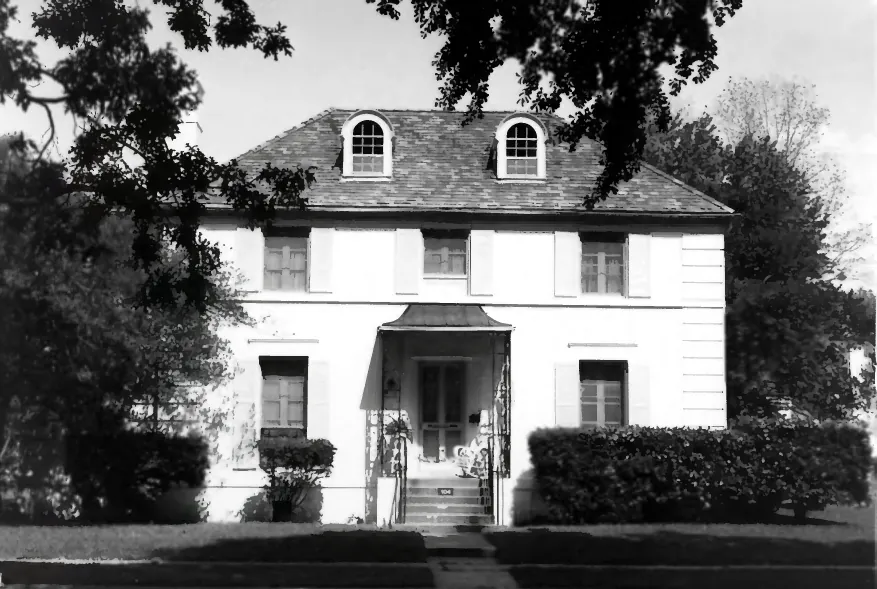
From 1822 to 1846, Fort Jesup on the Sabine River was the southwestern-most U.S. military post — the last line of American authority before Mexican Texas. Zachary Taylor, Jefferson Davis, and Robert E. Lee all served here as young officers. When Texas declared independence in 1836, Fort Jesup became the staging ground for potential American intervention. When the Mexican-American War began in 1846, the garrison marched south and never returned. The fort was abandoned, but the reconstructed buildings and original kitchen survive as a National Historic Landmark.
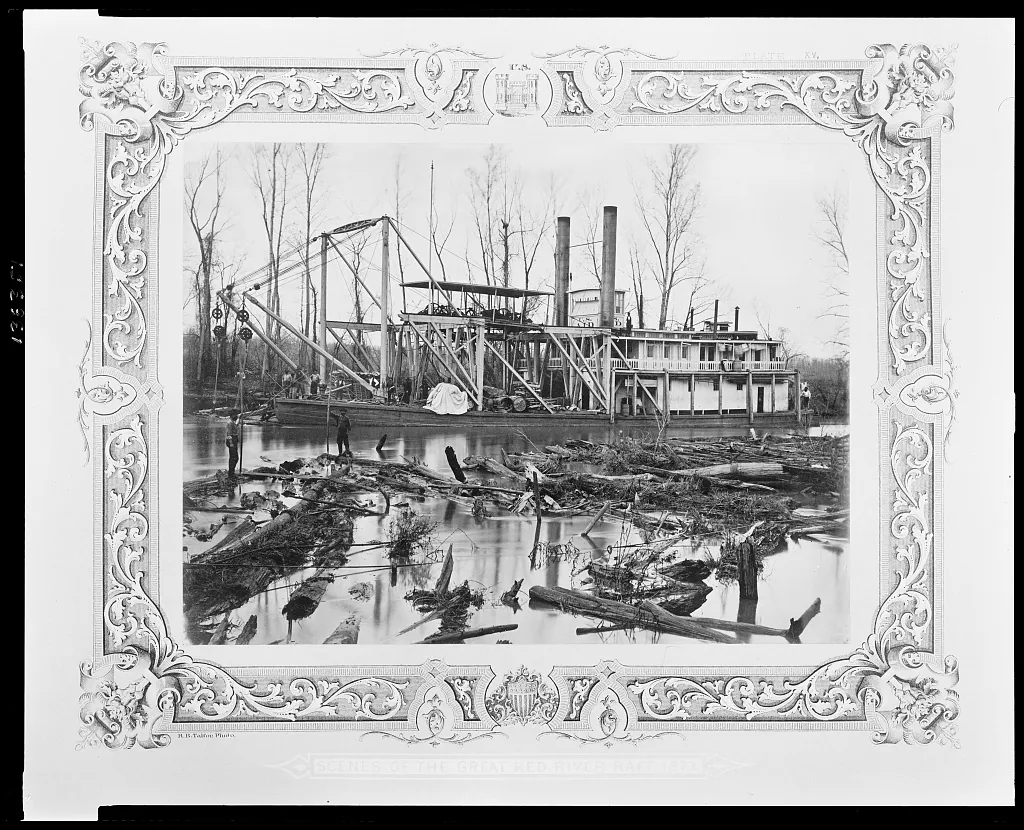
For centuries, a 100-mile logjam called the Great Raft choked the Red River above Natchitoches, making the upper river impassable. In 1833, steamboat engineer Captain Henry Shreve began clearing the jam — a five-year project that opened the upper Red River to commerce. Within months, settlers flooded in and a town appeared at the head of navigation. They named it Shreveport. The raft's removal created Caddo Lake (still the only natural lake in Texas and Louisiana) and triggered a land rush across northwest Louisiana. Without the raft, and without the engineer who broke it, the city wouldn't exist.
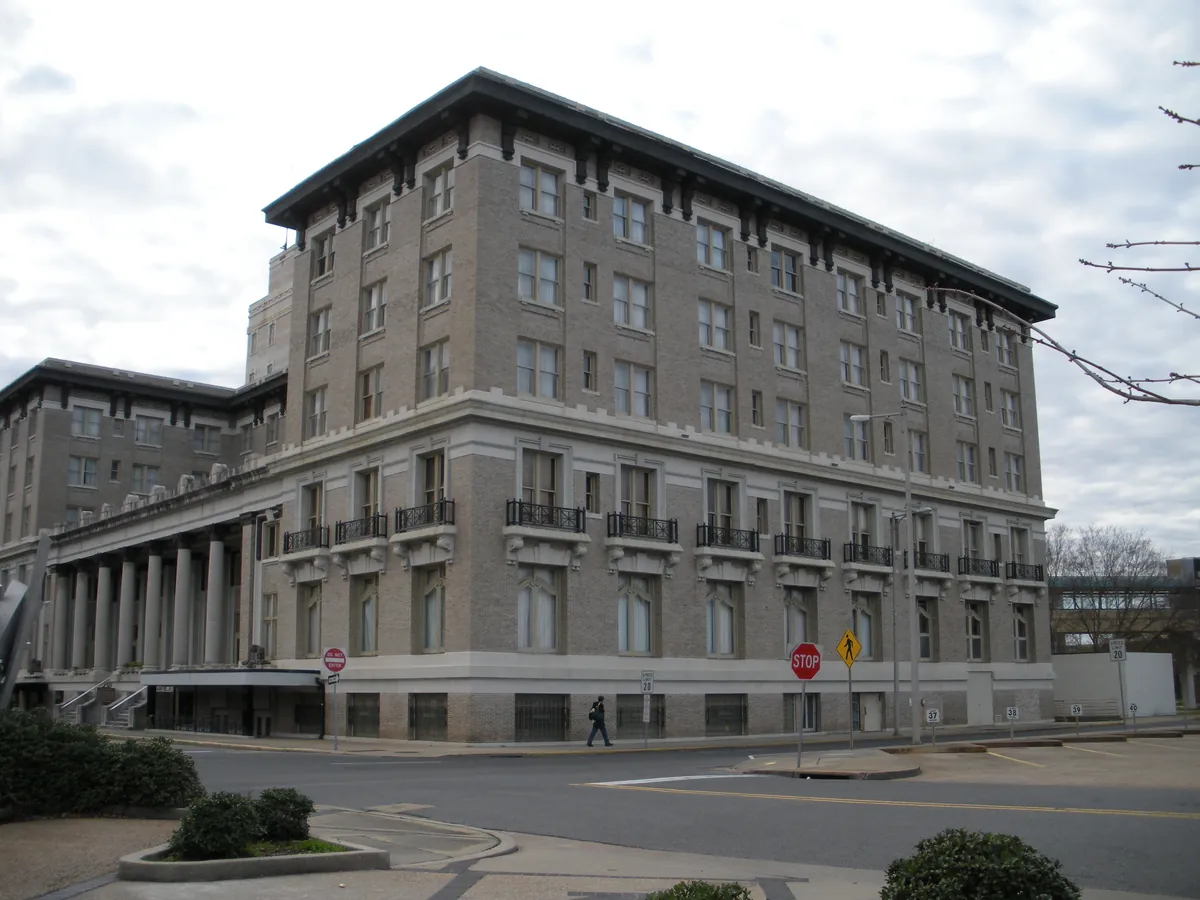
Every Saturday night from 1948 to 1960, KWKH radio broadcast the Louisiana Hayride live from the Shreveport Municipal Auditorium. It was country music's proving ground — a stepping stone to the Grand Ole Opry. Hank Williams played here before Nashville knew his name. Elvis Presley debuted on October 16, 1954, at age 19. Johnny Cash, Jerry Lee Lewis, Kitty Wells, and Slim Whitman all broke through on the Hayride stage. The show made Shreveport a music city, and the Municipal Auditorium — now a National Historic Landmark — still feels like the room where rock and roll learned to walk.
Happening this month
Tickets & Shows
Before you go
Also in this region
Northwest Louisiana is one of several areas in North Louisiana.
Plan your trip
The only thing left to do is go.
Some of these are partner links — if you book through them, Portage may earn a commission at no extra cost to you.
Plan your visit
Editorial content compiled with AI assistance. Place details verified against public records.