Caddo Parish carries the name of the people who held this country for a thousand years before Henry Shreve cleared the Great Raft and let Anglo-American settlement in. Caddo Lake's 1901 oil strike made Shreveport one of the first oil cities in America; the money built Broadmoor's Queen Anne and Classical Revival blocks between the 1890s and 1920s. The Pioneer Heritage Center at LSUS keeps five buildings — dogtrot, commissary, plantation outbuilding — moved here when the bulldozers came. Cross Lake supplies the city's drinking water. The architecture is the ledger.
The route
 1Historic Site·Antebellum·NRHPOakland Cemetery
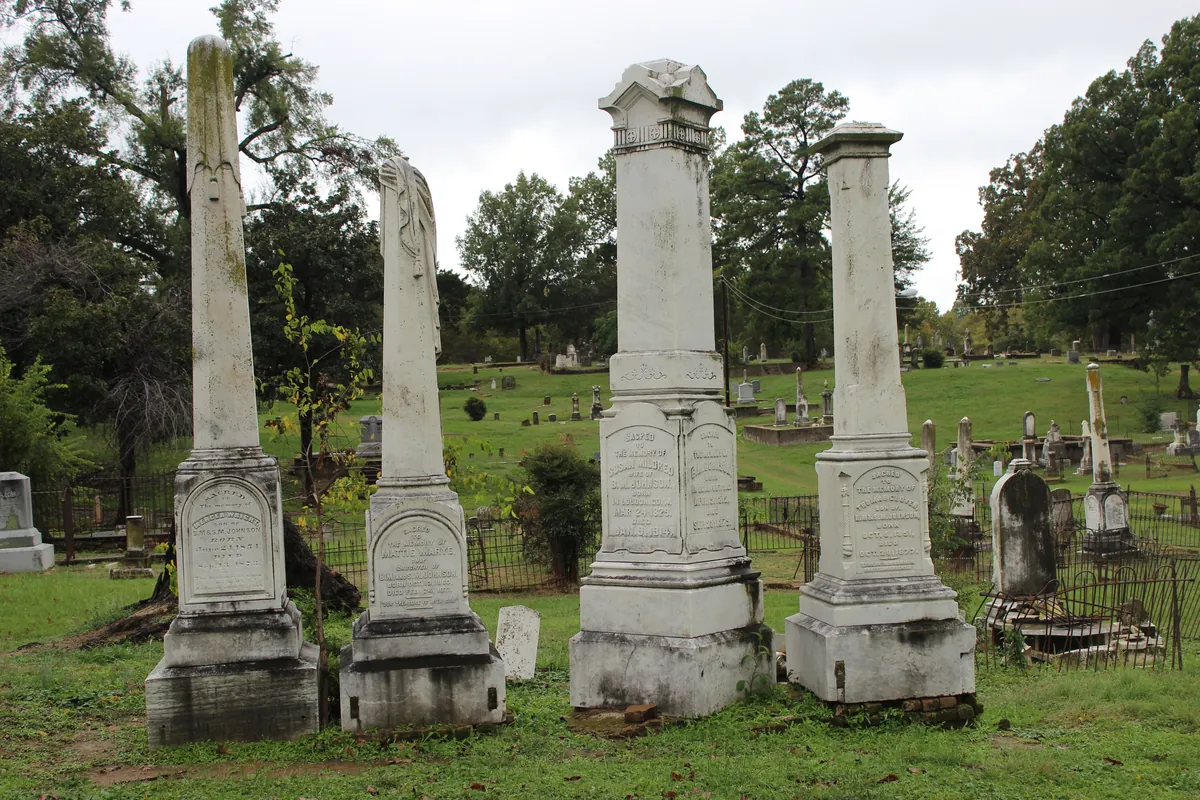
Oakland Cemetery opened in 1847, making it Shreveport's oldest burial ground. Thirty-four acres hold graves from the 1840s to the present—city founders, Civil War officers, and generations of families who built what became Northwest Louisiana's largest city. The Victorian monuments and ornate ironwork mark a period when death required public permanence. What survives here is a landscape that holds more than names. It holds the physical record of who stayed, who fought, who endured. The Civil War officers buried here chose this ground knowing it would outlast them. The founders rest under iron and stone that have weathered more than a century and a half. A self-guided walking tour is available at the gate. The cemetery opens at dawn and closes at dusk. Admission is free. You walk among the city's memory, carved and forged, still standing.
 2Architecture·Industrial·NRHPBroadmoor Historic District
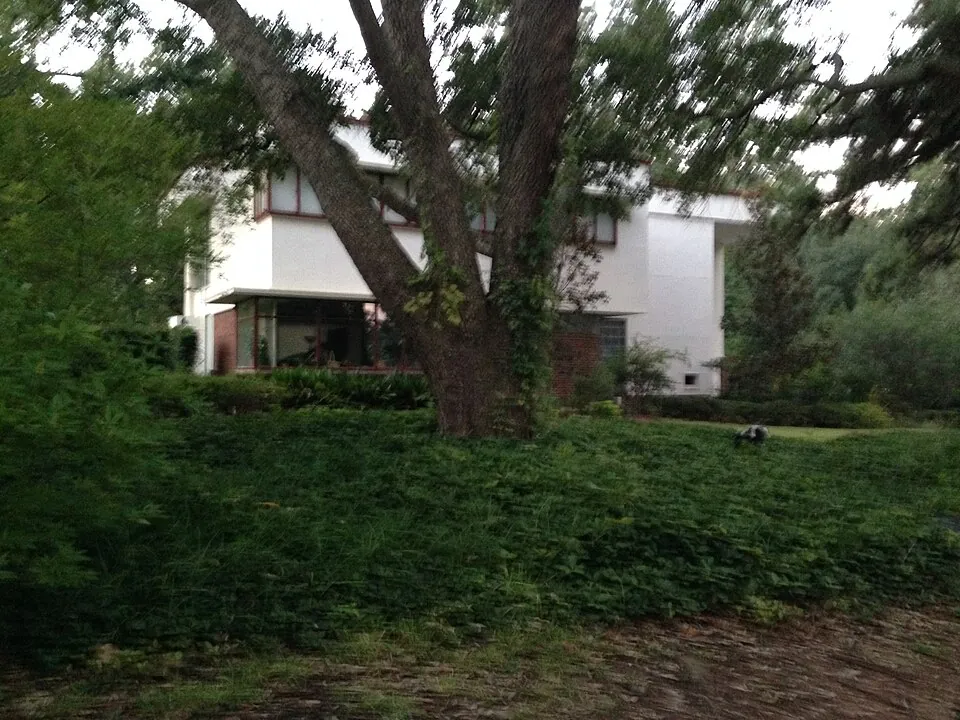
Between the 1890s and 1920s, Shreveport's affluent families built south of downtown along the Line Avenue corridor, and the density of that wealth is still legible. Broadmoor holds more than fifty historic residences—Victorian, Queen Anne, Classical Revival—built when permanence was the point. Turreted corners, wraparound porches, columns framing doorways twice the width you expect. The National Register designation confirms what the grid shows: this was architecture meant to last, and it did. Walking tour maps guide you block by block through what remains. You see who built it, and when, without a placard needing to explain. The houses do that work themselves.
 3Museum·AntebellumPioneer Heritage Center at LSU Shreveport
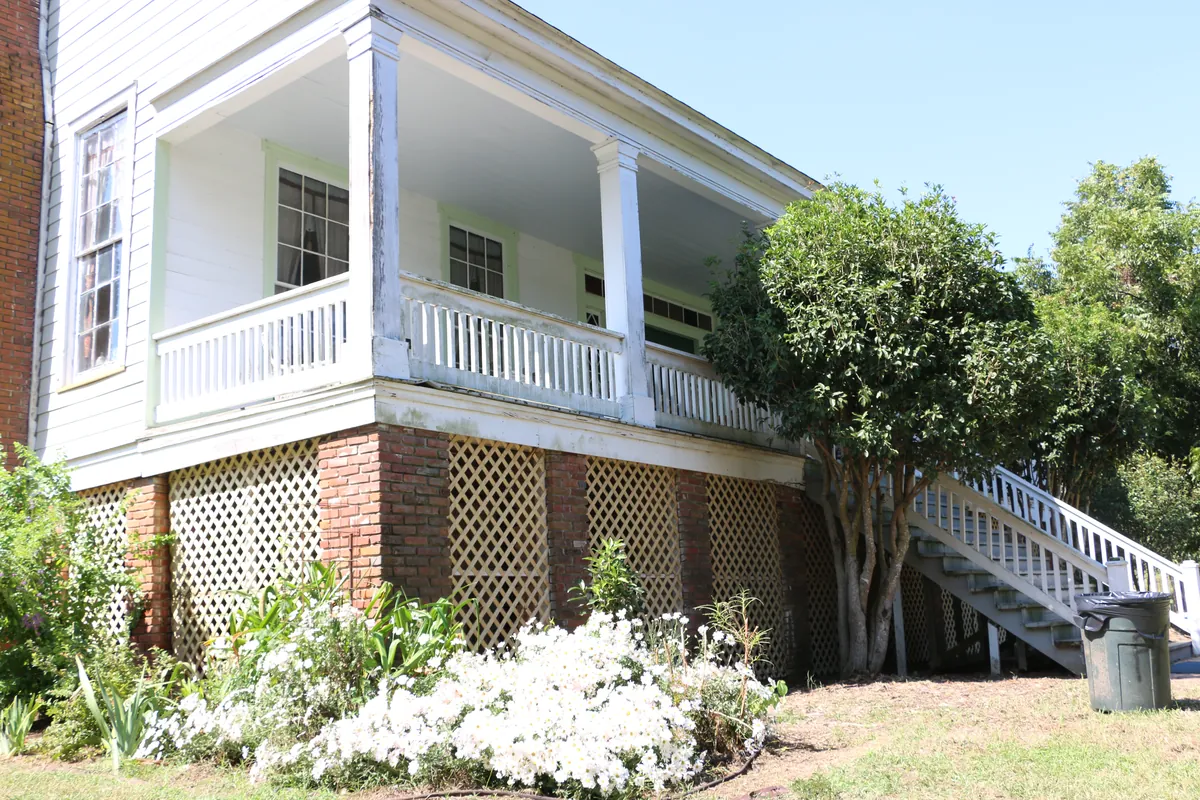
Five antebullum-era buildings share a meadow on the LSU Shreveport campus, each one dismantled at its original site and rebuilt here to keep it from disappearing. A dogtrot house, a commissary, a schoolhouse — all structures that saw use before the Civil War, now preserved as an outdoor museum of northwest Louisiana frontier life. The region's early settlement patterns left log buildings scattered across Caddo Parish and beyond, and these five are what remain when someone decided to act before the roof fell in. The dogtrot is the anchor. Two rooms separated by an open breezeway under a single roofline, designed so air moves through even in August. It's a vernacular solution that worked, which is why people kept building them. The commissary and schoolhouse round out the domestic and civic basics of a settlement that had to make most of what it needed on site. These aren't replicas. They're the boards and beams that were cut and fitted when this part of Louisiana was still being cleared. The center is free and open during campus hours. If you want to see how people actually built and lived here in the decades before the war — not interpreted, not reconstructed, but the structures themselves — this is where they ended up.