Between 1796 and 1905, New Orleans endured 22 yellow fever epidemics that killed more than 100,000 people. The 1853 outbreak alone took 12,000 lives in a city of 150,000 — the deadliest single epidemic in American urban history. This wasn't a city dealing with bad luck. It was a port built on delta silt, humid and hot, where the disease returned summer after summer and no one understood why.
The medical school that became Tulane University opened in 1834, and over the following decades its campus became the center of research that would finally crack the mystery. Dr. Joseph Jones and other Tulane researchers contributed findings that led to Walter Reed's breakthrough work in Cuba identifying the mosquito as the disease vector. The science of tropical medicine in America effectively began here.
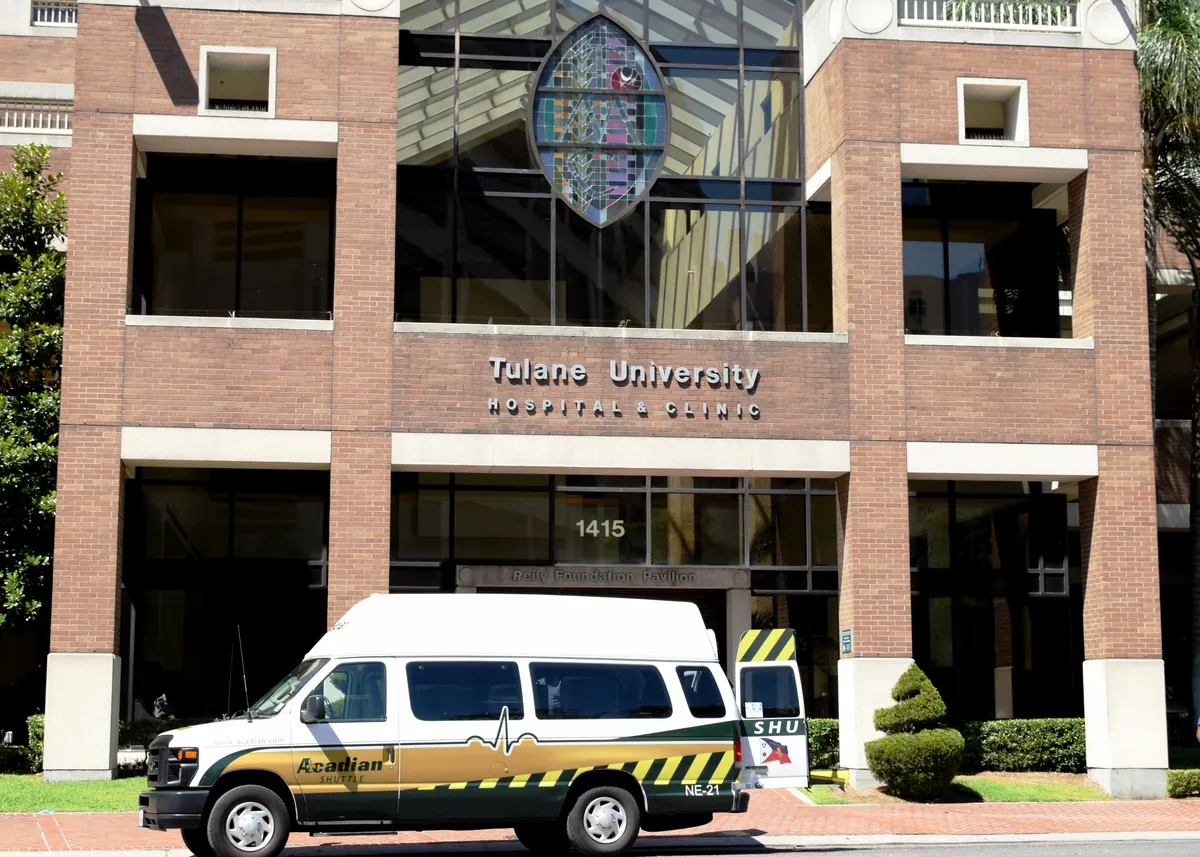
The current medical center on Canal Street isn't a tourist site. But the ground it occupies is where a city under siege by a microscopic enemy built the knowledge base to fight back. New Orleans was the largest port in the South through the 19th century, exporting most of the nation's cotton and farm products to Europe and New England. The epidemics didn't just kill — they forced the city to become the place where American medicine learned how to survive the tropics. That work saved lives far beyond Louisiana.
- ·New Orleans suffered 22 yellow fever epidemics between 1796 and 1905, killing more than 100,000 people.
- ·The 1853 epidemic alone killed 12,000 in a city of 150,000 — the deadliest single epidemic in American urban history.
- ·Tulane's medical campus, established in 1834, became the center of research that identified the mosquito as the disease vector.
- ·The science of tropical medicine in America effectively began on this campus.
- ·Dr. Joseph Jones and other Tulane researchers contributed findings that led to Walter Reed's breakthrough work in Cuba.
- ·Located on Canal St, Mid-City. The campus is not a tourist site but the history is foundational to the city.
Memories
Editorial content compiled with AI assistance. Place details verified against public records.