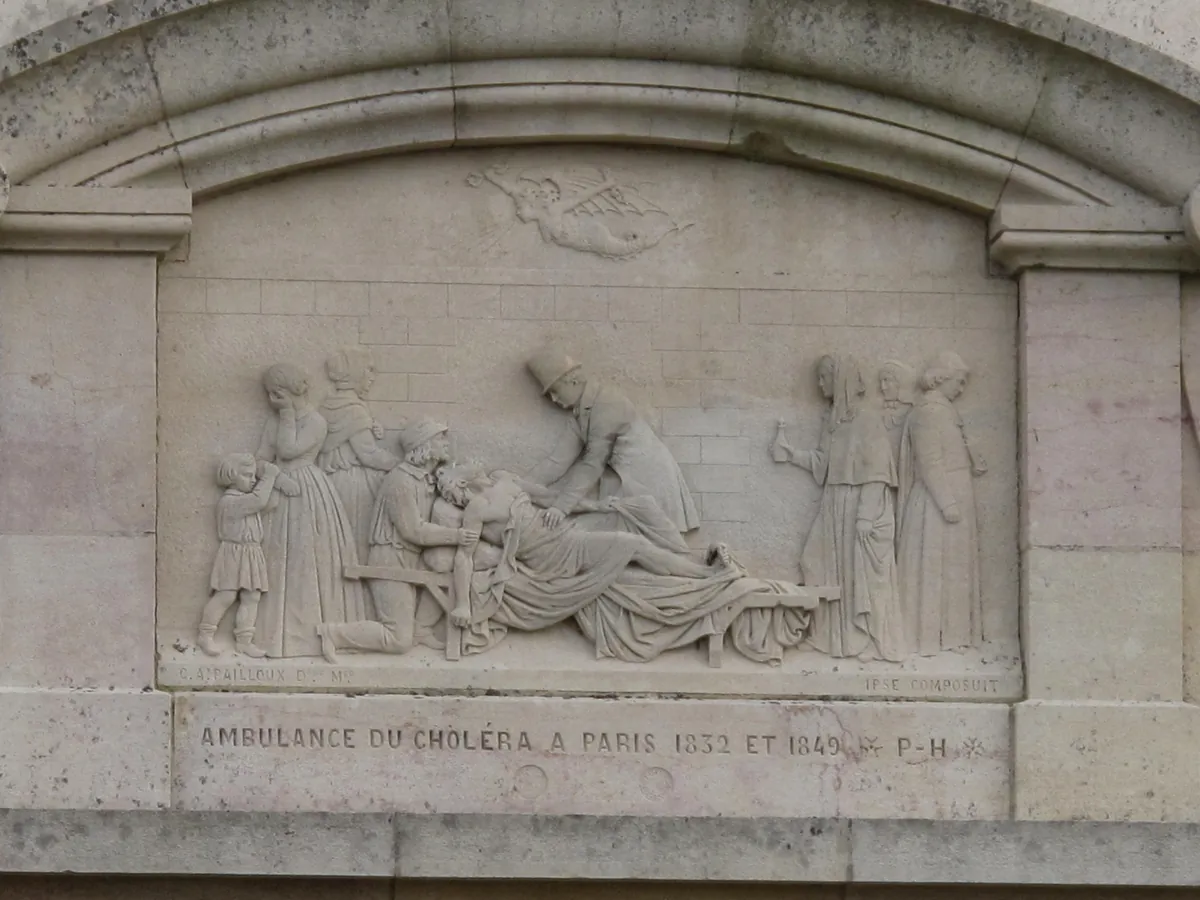
New Orleans already knew yellow fever when cholera arrived in 1832. Yellow fever was the summer plague, the disease that cleared the city of anyone who could afford to leave and killed everyone who could not. Cholera was different. Cholera was faster.
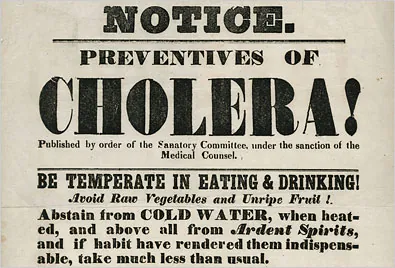
Asiatic cholera reached North America for the first time in 1832, moving west from Europe and Canada. It arrived in New Orleans that fall. Unlike yellow fever, which took days to kill, cholera could take a person in hours. The mechanism was dehydration so severe it was visible — bluish skin, hollow eyes, muscular cramps that bent the body. In 1832, nobody understood that cholera spread through contaminated water. New Orleans got its drinking water from the same river it used as a sewer.
Thousands died. The epidemic returned: 1848, 1849, 1866. The summer of 1853, already catastrophic from yellow fever, also brought cholera deaths.
The city's response was mostly to endure it. New Orleans in the 19th century had a practiced relationship with epidemic death — the rich fled upriver to plantations when fever season came, the poor could not leave, and the workers did the dying in greater proportion. The Irish laborers digging the New Basin Canal through the swamp in these years faced both diseases at once. They were buried where they fell, in the levee and roadway fill beside the canal they were building, without grave markers.
The infrastructure that finally ended the killing — clean water supply and sewage treatment through the Sewerage and Water Board, created in 1899, and the pump system that drained standing water from the city's streets in the early 20th century — came because the disease seasons never relented until someone solved the engineering problem. New Orleans did not clean up its act through enlightenment. It did it because it had no choice left.
More archive
Memories
Editorial content compiled with AI assistance. Place details verified against public records.