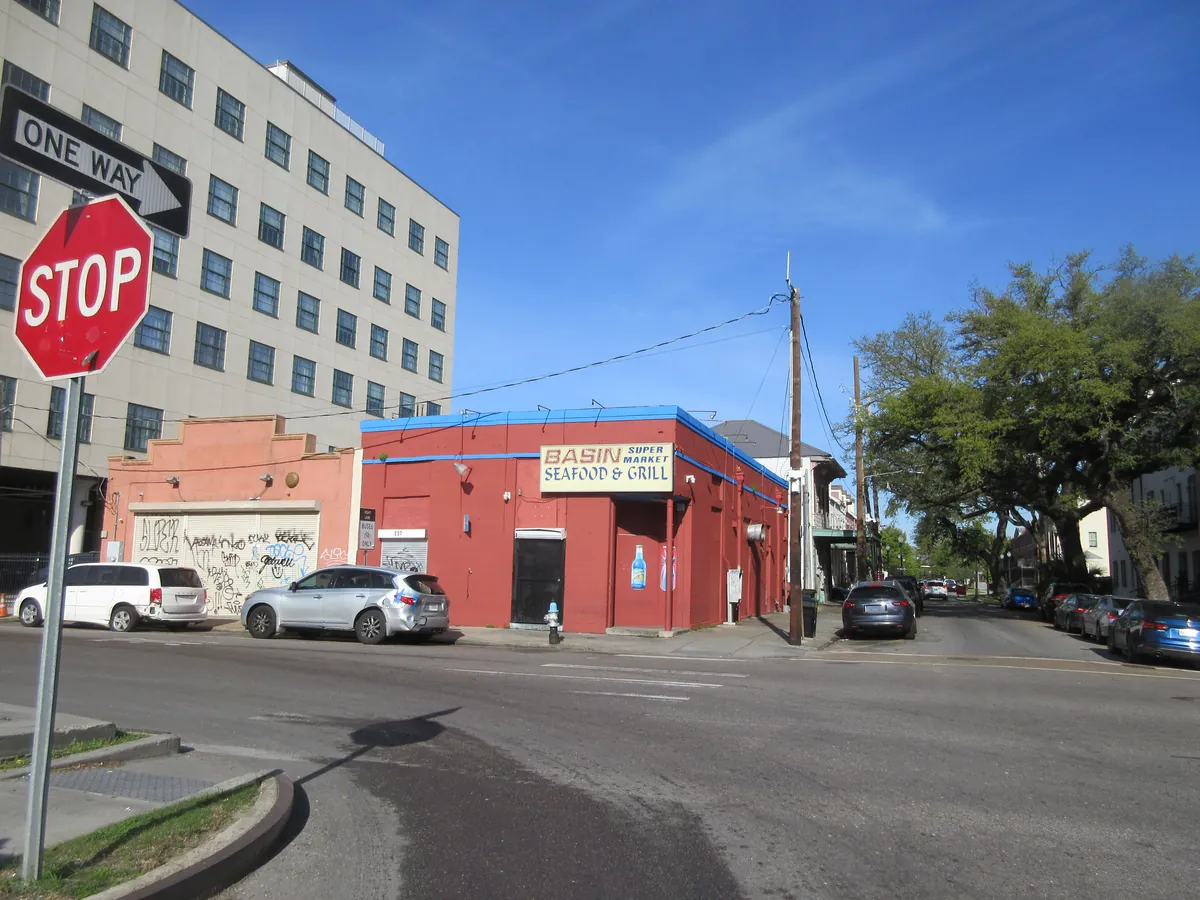
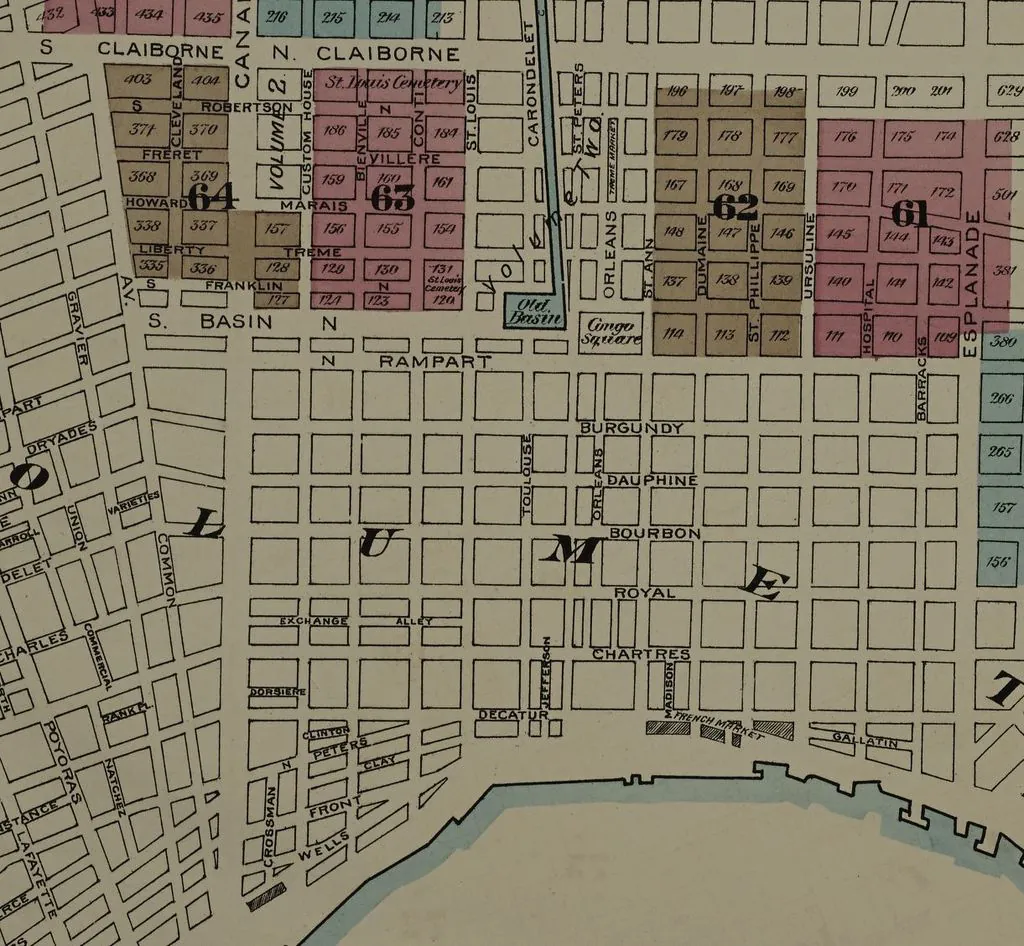
Sidney Story wrote the ordinance in 1897 to contain prostitution to a defined zone in New Orleans. The city named the district after him. He hated that — his lasting embarrassment written into the map.
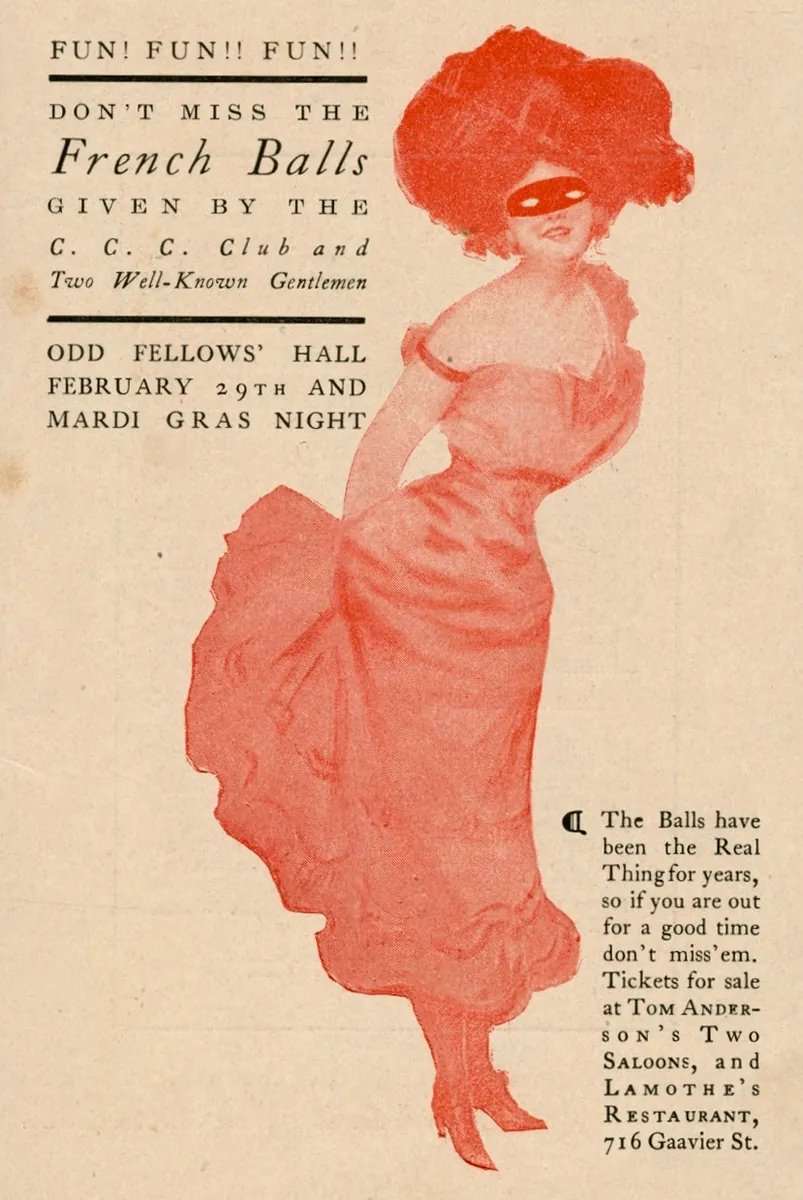
For twenty years, Storyville was the only legally sanctioned red-light district in American history. What other cities prosecuted or ignored, New Orleans regulated by ordinance.
Storyville also gave early jazz a place to earn money. Jelly Roll Morton, King Oliver, and Louis Armstrong all performed in Storyville venues before the district closed. The music that would reshape American culture was finding its first paying audiences in a district the city had chosen to sanction rather than suppress.
In 1917, the U.S. Navy Department shut Storyville down, declaring the district a threat to military discipline. The Iberville housing project was later built on the site and has since been redeveloped. Nothing of the original district remains.
You go to Tremé because the absence itself is the landmark. The buildings are gone. The ordinance is gone. But Storyville happened here — twenty years when one American city tried legality instead of pretense, and when the musicians who would define New Orleans globally were learning their craft in its venues.
- ·Operated from 1897 to 1917 — the only legally sanctioned red-light district in American history.
- ·Named after Alderman Sidney Story, who wrote the ordinance — to his lasting embarrassment.
- ·Jelly Roll Morton, King Oliver, and Louis Armstrong all performed in Storyville venues before the district closed.
- ·Shut down by the U.S. Navy Department in 1917, which declared the district a threat to military discipline.
- ·Nothing of the original district remains; the Iberville housing project (now redeveloped) was built on the site.
More archive
Memories
Editorial content compiled with AI assistance. Place details verified against public records.