The national civil rights story skips New Orleans because the movement's center of gravity was Montgomery, and because the city's fight was mostly in courtrooms. Homer Plessy was arrested here in 1892 and lost Plessy v. Ferguson at the Supreme Court four years later — the case that invented "separate but equal." A.P. Tureaud spent four decades arguing it apart. John Minor Wisdom wrote the appellate decisions that enforced Brown. The city that legalized Jim Crow also produced the lawyers who argued it dead.
The route
- 1Civil Rights·1892Homer Plessy Marker — Press Street
On June 7, 1892, Homer Plessy walked onto an East Louisiana Railroad train at Press and Royal and sat in the white car. The Comité des Citoyens, a group of Black and Creole New Orleanians, had organized the challenge by prior arrangement — a test case against Louisiana's Separate Car Act, planned down to the seat. New Orleans had been the largest city in the South at the start of the Civil War, the port that exported most of the nation's cotton to Europe and New England. After Reconstruction collapsed, the state passed laws to undo what the war had settled. Plessy's arrest was the point. The case reached the Supreme Court in 1896. The ruling came down 7–1: separate but equal was constitutional. That decision legalized segregation in America for fifty-eight years. A marker now stands at Press and Royal, near where Plessy boarded. In 2022, Louisiana's governor posthumously pardoned him. The site itself is modest — a sidewalk corner in Tremé, the neighborhood that has anchored Black New Orleans since before the city had streetcars. You go because the legal architecture of American apartheid was built on a train ride that started here, and because the place where someone refused to move still marks the pavement.
 2Civil Rights·1941Dooky Chase's Restaurant
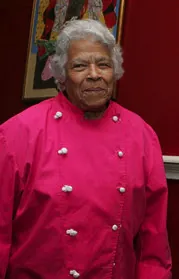
Leah Chase ran the kitchen at Dooky Chase's Restaurant for over seventy years, and during the 1960s, the upstairs meeting rooms became one of the only public places in New Orleans where African Americans could gather to plan civil rights strategy. She served gumbo and fried chicken to A. P. Tureaud, Ernest "Dutch" Morial, Martin Luther King Jr., and the Freedom Riders while they held meetings the city knew were happening but could not shut down without risking public backlash. When King and the Freedom Riders came to organize the Montgomery bus boycott, they met with civil leaders from New Orleans and Baton Rouge in those rooms to learn from the Baton Rouge Bus Boycott—the lessons from Baton Rouge inspired the plan and organization of the Montgomery boycott. Chase married jazz trumpeter Edgar "Dooky" Chase II in 1946. His parents had founded a street corner stand in Tremé in 1941 that sold lottery tickets and po-boy sandwiches. During the 1950s, Leah began working in the kitchen, and she and Dooky converted the stand into a sit-down restaurant. She updated the menu to reflect her own family's Creole recipes and added dishes like Shrimp Clemenceau that had been available only in whites-only establishments. On Friday nights, she and her husband cashed checks for trusted patrons at the bar. Chase was born in 1923 in Madisonville, Louisiana, to Catholic Creole parents of African, French, and Spanish ancestry. She moved to New Orleans to attend St. Mary's Academy because Madisonville did not have a Catholic high school for Black children. After high school, she worked as a waitress at the Colonial Restaurant and The Coffee Pot in the French Quarter. She was fifty-four the first time she visited an art museum—museums were segregated in the Jim Crow South. After her husband gave her a Jacob Lawrence painting, she began collecting African-American art, eventually displaying dozens of paintings and sculptures by artists including Elizabeth Catlett and John T. Biggers. The collection became one of the most significant collections of African-American art in private hands. Hurricane Katrina flooded the restaurant in 2005. Chase and her husband spent more than a year living in a FEMA trailer across the street. The New Orleans restaurant community held a benefit lunch on April 14, 2006, that raised forty thousand dollars for the eighty-two-year-old Chase. After reopening, she fed U.S. Presidents George W. Bush and Barack Obama. She received the James Beard Lifetime Achievement Award in 2016. In 2018, Food & Wine named Dooky Chase's one of the forty most important restaurants of the past forty years. Chase died in 2019 at ninety-six. Her family continues to operate the restaurant. Come for the Creole gumbo—Ray Charles sang about it in "Early in the Morning," and it is not negotiable.
- 3Civil Rights·1921New Zion Baptist Church — SCLC Founding Site
In February 1957, Martin Luther King Jr. and other Southern ministers gathered at this Tremé church to found the Southern Christian Leadership Conference. King was elected the SCLC's first president at the meeting. The organization was formed in New Orleans, not Atlanta, because the city had the infrastructure of Black churches and political organizations that made such a gathering possible. New Orleans had been the largest city in the South at the start of the Civil War, and its network of Black institutions — built through generations in a city that had served as the nation's largest port in the nineteenth century — provided the organizational foundation the SCLC needed. The church where these ministers met to coordinate the movement still holds regular services and remains an active congregation. No historical marker proportional to the event's significance currently exists at the site.
 4Civil Rights·1925Xavier University of Louisiana
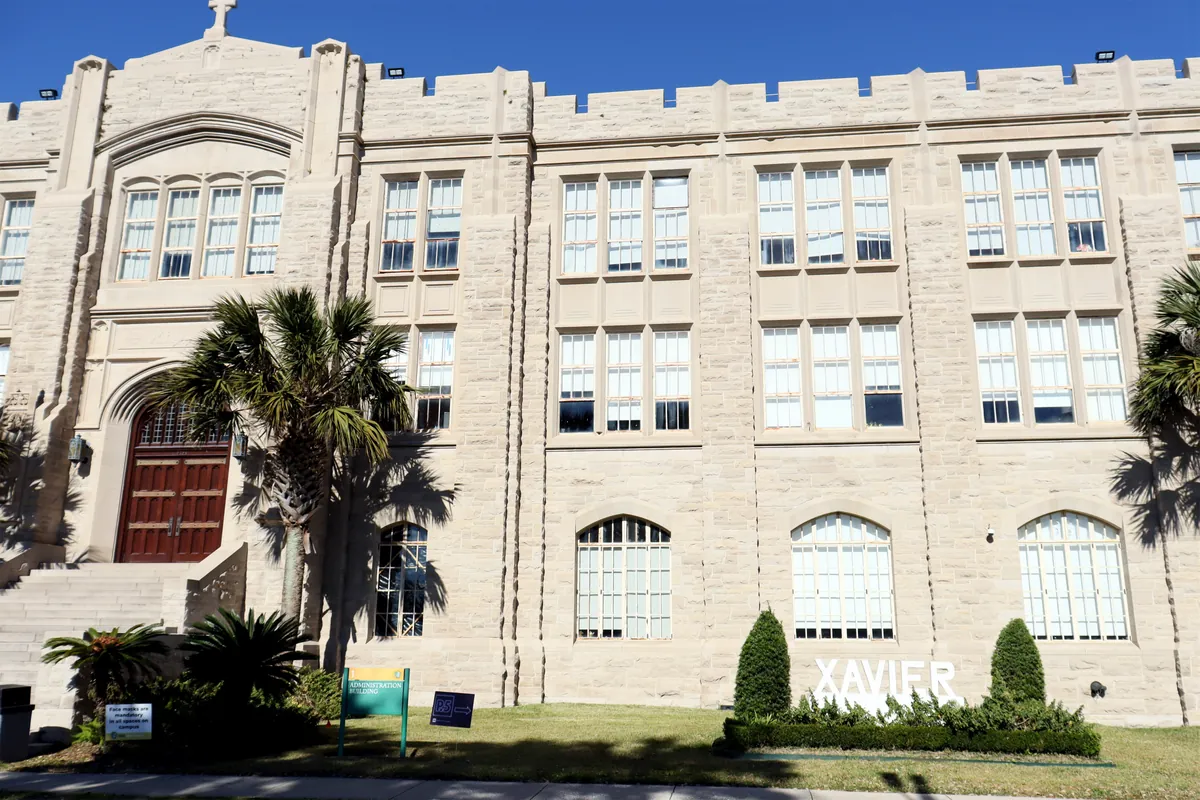
A Philadelphia banking heiress named Katharine Drexel spent her entire $20 million inheritance — roughly $350 million today — on schools for Black and Native American communities. In 1925, she founded Xavier University of Louisiana, the only historically Black Catholic university in the United States. When Drexel was canonized in 2000, Xavier became the first Catholic university founded by a saint. The founding itself required subterfuge. Drexel bought the Magazine Street property in 1915 through an agent named Harry McEnerny to avoid public scrutiny — her reputation for establishing Black schools was well known, and she knew the city would never approve a sale for that purpose. Even after the deal closed, vandals smashed all the windows. A decade later, when Xavier needed room to expand beyond high school into a full university, Drexel again purchased land through an agent — this time a tract at Palmetto and Pine Streets, where the campus stands today. The Gothic Revival administration building, completed in 1932 and built from Indiana limestone, anchors a campus that has quietly become a national pre-med pipeline. Xavier sends more African American students to medical school than any other university in the country. Its College of Pharmacy, opened in 1927, consistently ranks among the top three nationally in graduating African Americans with pharmacy degrees. In May 1961, a group of Freedom Riders arrived in New Orleans by plane after bus drivers in Alabama refused to take them to Montgomery. Locals refused to accommodate them with lodging out of fear of retaliatory violence. Norman C. Francis, the university's Dean of Men, secretly arranged for the group to stay several days in a dormitory on campus — third floor of St. Michael's Hall, no press. Hurricane Katrina in 2005 submerged almost every structure on campus. Students began returning in January 2006. By 2010, Qatar had donated $17.5 million for hurricane recovery and pharmacy expansion; the Qatar Pharmacy Pavilion opened that October, adding 60,000 square feet to the existing College of Pharmacy building. The campus is open. Visitors welcome.
 5Civil Rights·1899·NRHPA.P. Tureaud House
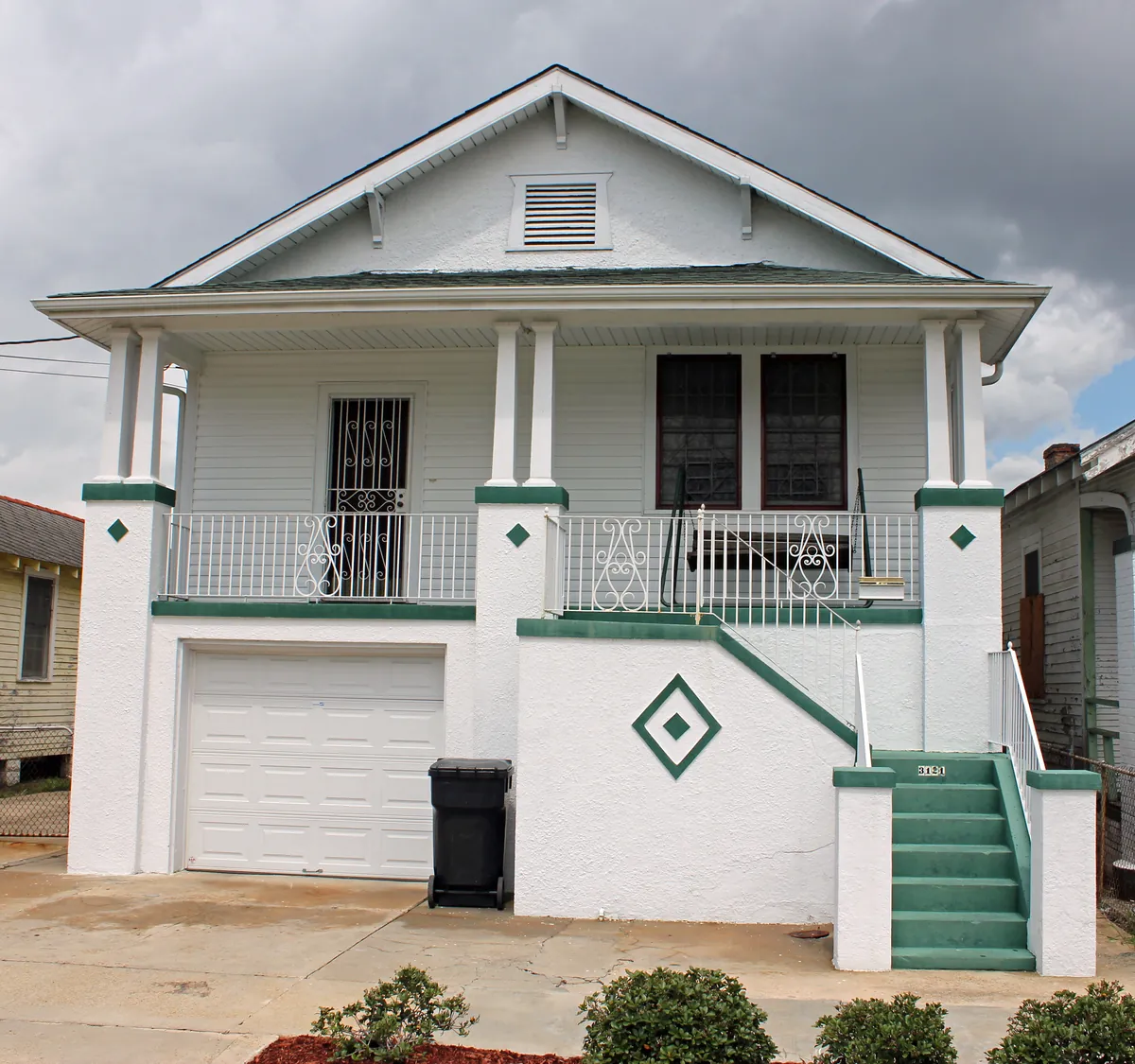
A.P. Tureaud filed more desegregation lawsuits in Louisiana than any other lawyer. For over thirty years, he was the NAACP's lead attorney in the state, and the cases he brought desegregated LSU's graduate schools, challenged the white primary system, and fought for equal teacher pay. His son, A.P. Tureaud Jr., became the first Black student admitted to LSU's undergraduate program in 1953. The house stands on North Tonti Street in Tremé. It's listed on the National Register of Historic Places. Private residence — exterior viewing only. The landmark is the address itself, the fact that this particular building held a life spent turning segregation into losing legal arguments, one case at a time, across three decades of Louisiana courtrooms.
 6Historic Site·1914·NHLJohn Minor Wisdom U.S. Court of Appeals
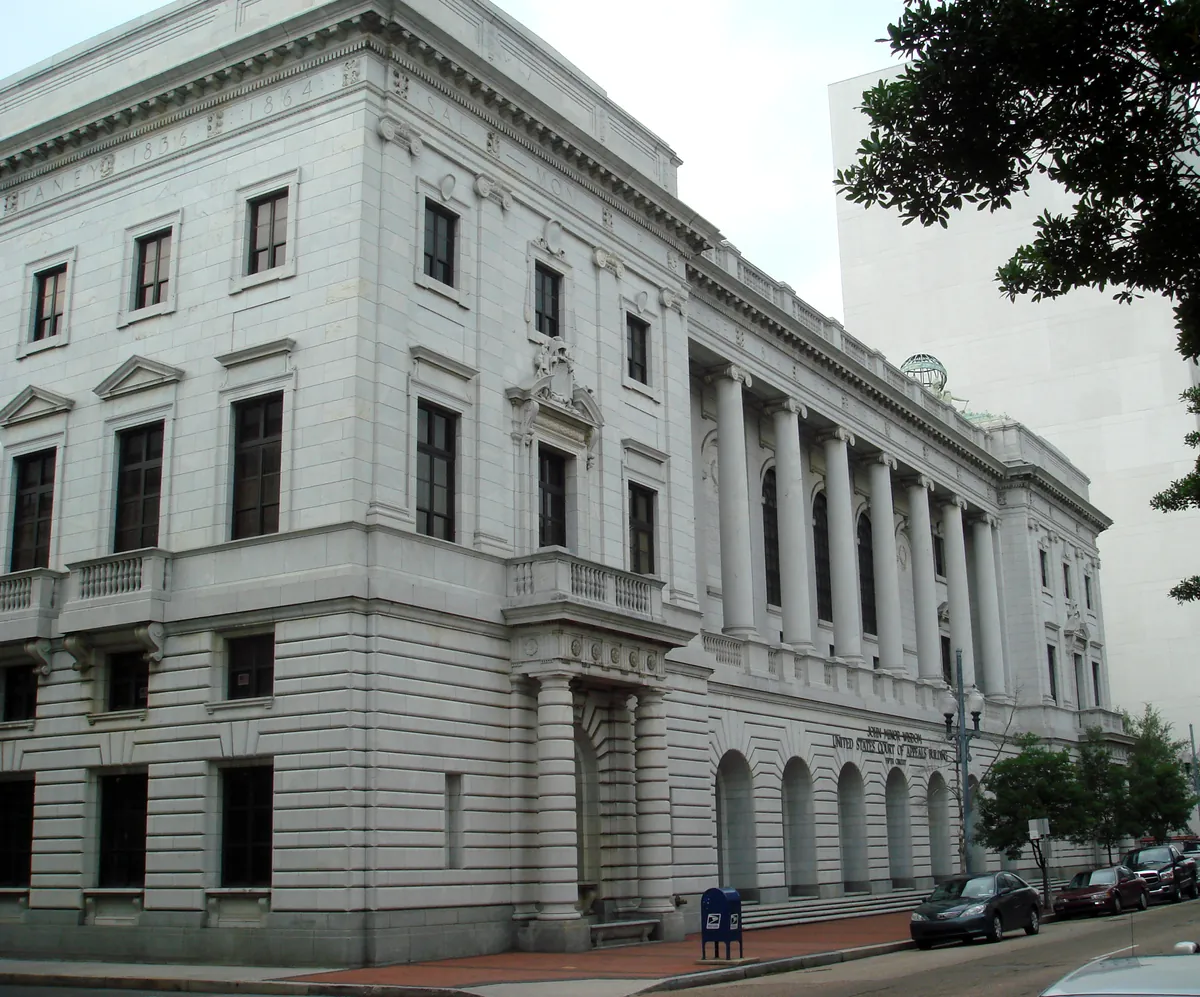
The Fifth Circuit Court of Appeals, housed at 600 Camp Street in an Italian Renaissance Revival building completed in 1915, is where Judge John Minor Wisdom wrote landmark desegregation opinions that reshaped American law. In *U.S. v. Jefferson County Board of Education* (1966), his majority opinion established the legal framework for affirmative integration, articulating a principle that would echo through decades of jurisprudence: "The Constitution is both color blind and color conscious. To avoid conflict with the equal protection clause, a classification that denies a benefit, causes harm, or imposes a burden must not be based on race. But the Constitution is color conscious to prevent discrimination being perpetuated and to undo the effects of past discrimination." Wisdom was a Tulane-educated Republican from New Orleans who had left the Democratic Party in reaction to what he perceived as the corrupt administration of Governor Huey Long. He became instrumental in securing Dwight Eisenhower's nomination at the 1952 Republican National Convention, and helped Eisenhower win Louisiana in 1956 -- the first time the state had voted Republican in eighty years. Eisenhower appointed him to the Fifth Circuit in 1957. During Wisdom's tenure, the Fifth Circuit's jurisdiction stretched across Louisiana, Mississippi, Texas, Alabama, Georgia, Florida, and the Canal Zone. Wisdom was one of the "Fifth Circuit Four," judges who advanced the goals of the Civil Rights Movement through a series of crucial decisions in the 1950s and 1960s. The court became one of the most consequential federal courts for civil rights law. President Bill Clinton awarded Wisdom the Presidential Medal of Freedom in 1993. The building was renamed in 1994 for the judge who served on the court until his death in 1999. It is a National Register property and a National Historic Landmark -- and it remains a working courthouse.
- 7Civil Rights·1960Oretha Castle Haley Boulevard
Two months before Greensboro, a 21-year-old woman organized sit-ins at Canal Street lunch counters. Oretha Castle Haley led the New Orleans chapter of CORE through nonviolent direct action campaigns across the city in 1960, wielding nonviolence as strategy in a port city that had been the largest in the South at the start of the Civil War. The boulevard renamed for her in 1989 was once Dryades Street, the commercial spine of the Black Central City neighborhood. What you walk now is anchored by the Ashé Cultural Arts Center and the Southern Food & Beverage Museum — culture-led reinvestment made visible in storefronts and foot traffic. The street's revitalization is one of the most visible examples of that model in New Orleans. You can reach it from the St. Charles Avenue streetcar at Martin Luther King Jr. Boulevard, a transit line that connects the city's layered eras in real time: antebellum mansions, streetcar tracks laid before the automobile, and a boulevard named for a woman who was 21 when she decided lunch counters were worth sitting at until they opened.
 8Museum·2021Louisiana Civil Rights Museum
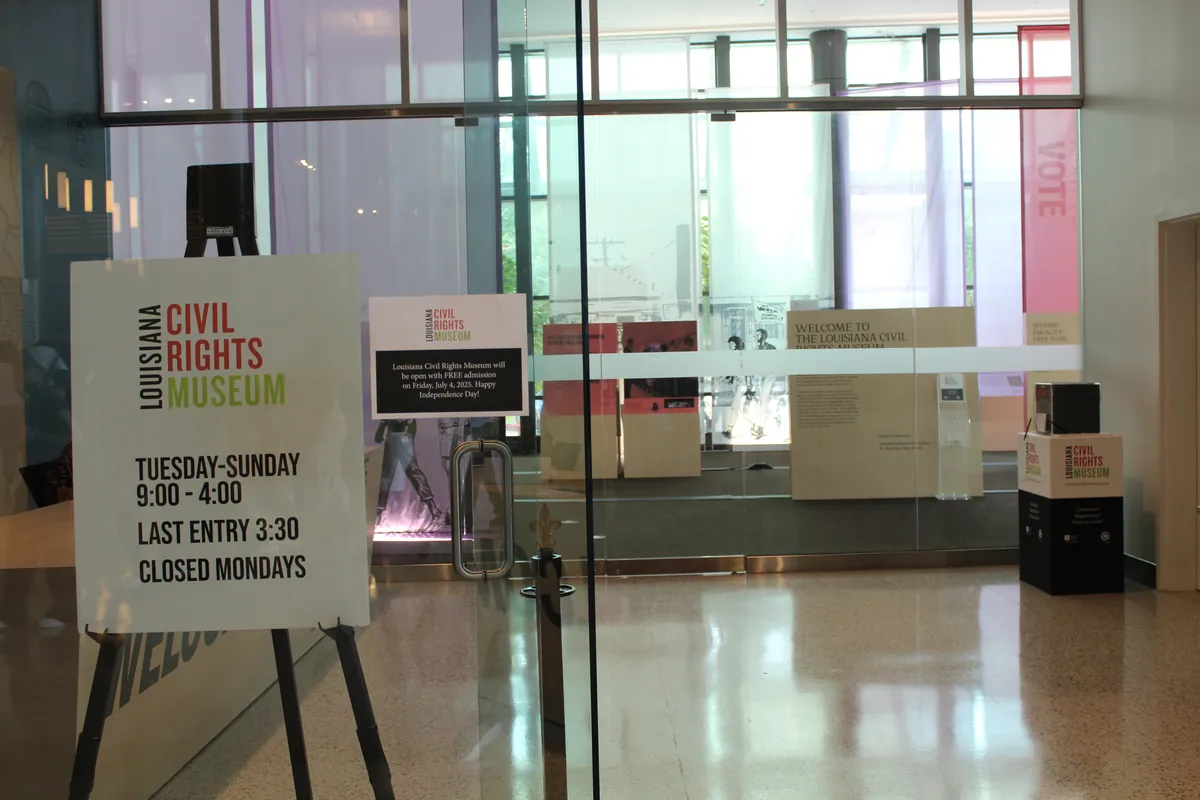
The old Louisiana Supreme Court building at 400 Royal Street holds the courtroom where Homer Plessy's case began its path to the Supreme Court and the doctrine of "separate but equal." Plessy v. Ferguson, decided in 1896, defined American segregation for 58 years until Brown v. Board of Education overturned it. In 2021, the building reopened as the Louisiana Civil Rights Museum. The courtroom where Plessy lost is now the room where his story is told from the other side. The museum traces civil rights history in Louisiana from the Code Noir through Reconstruction, Jim Crow, and the ongoing struggle for equity. New Orleans was the South's largest city at the start of the Civil War and the largest port, exporting most of the nation's cotton and farm products. The wealth that built the French Quarter and the commerce that made Royal Street a city spine moved through institutions that enforced racial law. This building was one of them. The museum does not ignore that fact. It opens the door to the room where it happened and walks you through what came before and what came after. Check hours and admission at louisianacivil rightsmuseum.org. Go because the room is real, the bench is still there, and the story does not end in 1896.