The first permanent European settlement in the Mississippi Valley was not New Orleans — it was here, on the north shore of Biloxi Bay, in 1699. This trip traces three centuries of colonial layering from the French fort site at Ocean Springs through the Spanish fort at Pascagoula, past the lighthouse that has survived every hurricane since 1848, to the home where the president of the defeated Confederacy wrote his memoirs.
The route
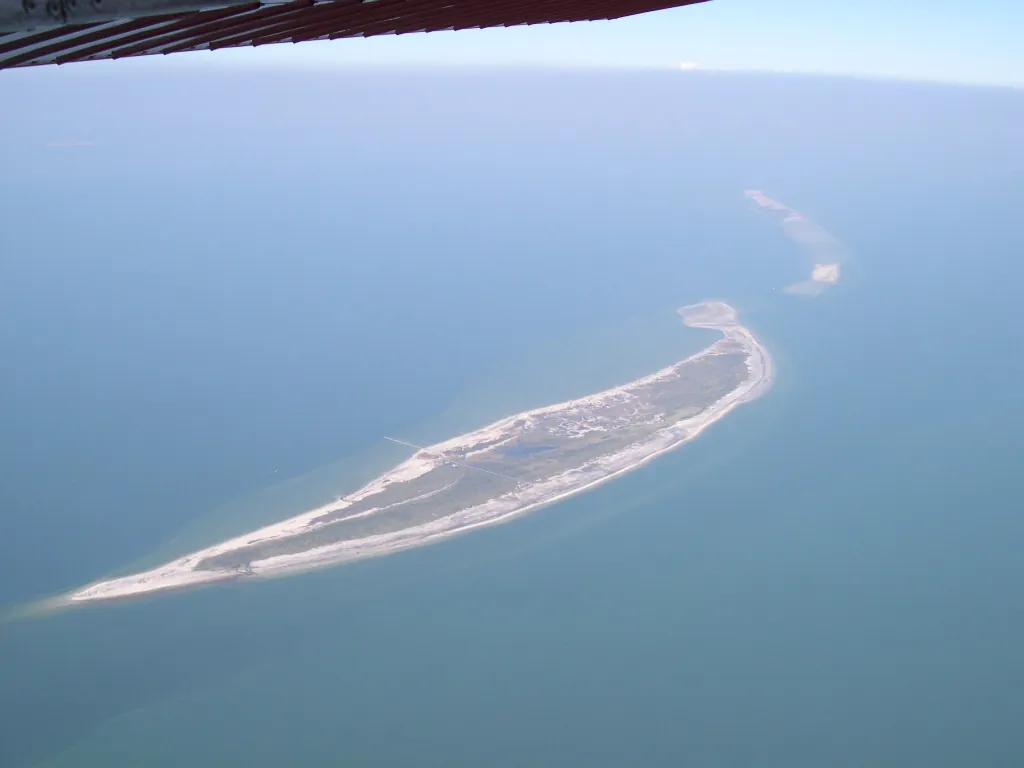 1Military·1699 / 1859–1866·NRHPShip Island — Fort Massachusetts
Iberville charted Ship Island on February 10, 1699. Three days later, he reached the Mississippi Gulf Coast and built Fort Maurepas, the first capital of French Louisiana. The island had the only deep-water harbor between Mobile Bay and the Mississippi River — which made it a staging ground, not just for the French, but for every power that tried to hold the Gulf Coast. Spanish, British, Confederate, and Union flags all flew here. In 1812, Admiral Sir Alexander Cochrane anchored fifty British warships and 10,000 soldiers between Ship Island and Cat Island before the Battle of New Orleans. From 1720 to 1724, this was the principal port of entry for French colonists bound for Louisiana. Some died on arrival. Their bodies were burned in a furnace. Fort Massachusetts, built from 1859 to 1866, is the landmark that survived. Construction started under U.S. oversight, but Confederates named the unfinished structure Fort Twiggs after General David E. Twiggs. On July 9, 1861, a twenty-minute cannon exchange between Confederates in the fort and the USS *Massachusetts* took place. In 1862, Union forces seized the abandoned fort and renamed it. It held Confederate prisoners of war and became a base for the Second Regiment Louisiana Native Guards, a unit of African-American soldiers led by Colonel Nathan W. Daniels. The fort was never fully completed — construction halted in 1866 — but the brick structure is intact enough to walk through. Hurricane Camille split the island in two in 1969. In early 2019, the Army Corps of Engineers completed a project rejoining them. The island is part of Gulf Islands National Seashore — no cars, no hotels, no shade. Ship Island Excursions, run by the Skrmetta family, operates the ferry from Gulfport, a 55-minute ride twelve miles offshore. The company celebrates 100 years of service in 2026. The Gulf-side beaches have turquoise water over white sand, the clearest swimming on the Mississippi coast. Bring water and sunscreen.
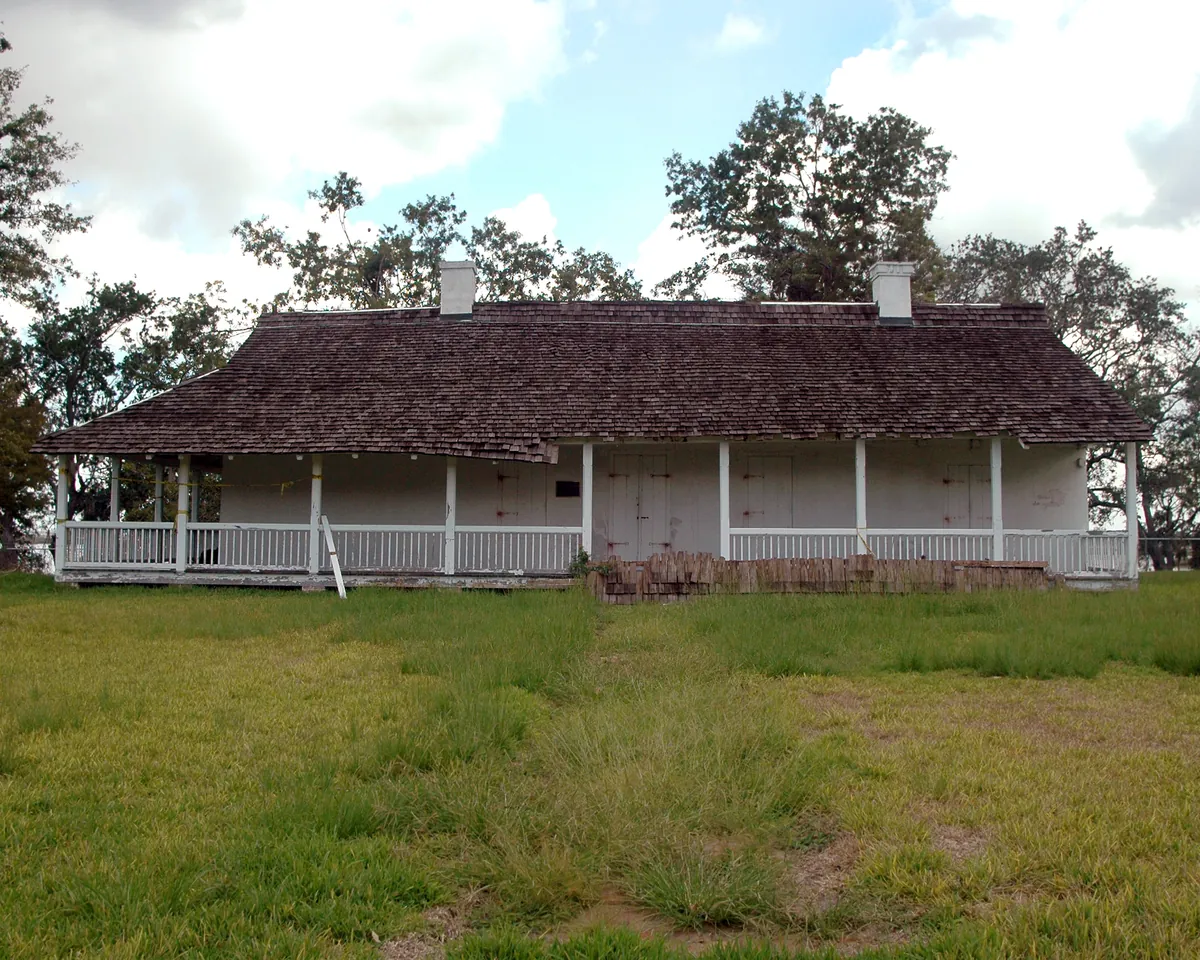 2Architecture·c. 1718·NRHPOld Spanish Fort — La Pointe-Krebs House
The oldest scientifically confirmed standing structure on the Gulf Coast sits on the shore of Lake Catahoula near Pascagoula. Locals call it the Old Spanish Fort, though the Spanish had nothing to do with building it. French Canadians did, using longleaf pine framing with walls of oyster-shell concrete packed into an 18-inch thickness. Dendrochronology dated timbers from the center tabby room to 1757. Samples from the east addition date to 1762 and 1772. The western addition, built with bousillage — clay and Spanish moss — dates to 1820 based on construction techniques and tool marks. Joseph Simon dit La Pointe, a native of Montreal, was granted land at the mouth of the Pascagoula River between 1713 and 1717. He bred cattle first, then ran a plantation focused on indigo and wax myrtle — the former for blue dye, the latter for candlemaking. La Pointe enslaved Native Americans before purchasing African slaves. When he died in 1751, his daughter Marie-Josèphe and German son-in-law Hugo Ernestus Krebs took possession. They maintained the plantation using enslaved African labor to produce rice and cotton. According to the Anglo-Dutch traveler Bernard Romans, Krebs created a roller cotton gin more than two decades before Eli Whitney's 1793 invention. The name Old Spanish Fort came during Spanish control of the Mississippi Territory in the late eighteenth century, when the structure served as a fortified home of Don Enrique Ginarest, an officer in the Spanish Army who married the granddaughter of Hugo Krebs. Descendants of Hugo Krebs owned and occupied the structure until 1914. The LaPointe-Krebs House is Mississippi's oldest extant historic building and one of only two remaining French colonial-era structures on the Gulf Coast. The three-room house measured 37 feet in width and 62.25 feet in length. Three sides were bounded by porches supported by square wooden posts. The gable roof was covered with wooden shingles. Two fireplace chimneys were composed of stucco-covered brick. Flooring was oyster-shell concrete, covered in 1820 with boards at a height of 18 inches. The LaPointe-Krebs Foundation operates the house as a museum for the history of Pascagoula and Jackson County. It was added to the National Register of Historic Places in 1971 and designated a Mississippi Landmark in 1984. You can see how French colonists actually lived on the Gulf Coast — the only place left where that's possible.
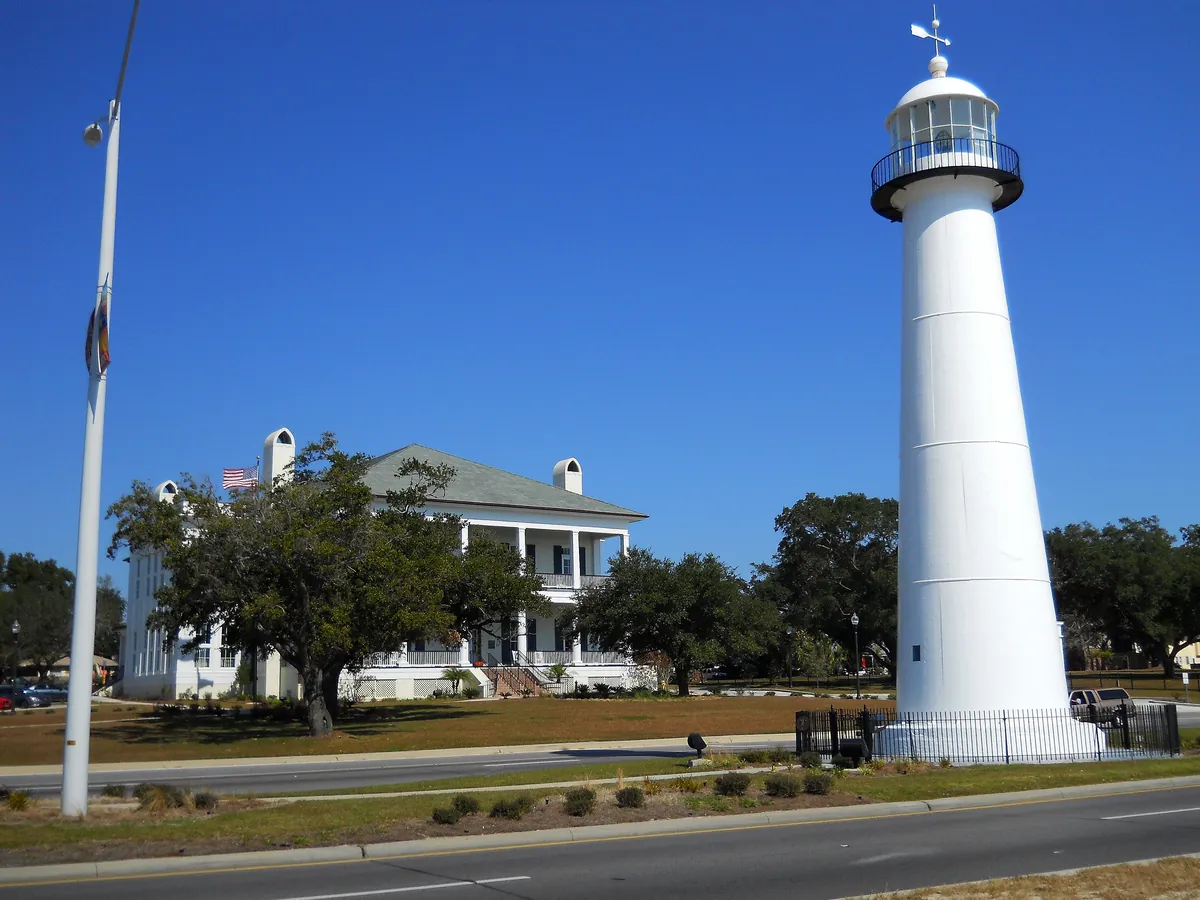 3Cultural Heritage·1848·NRHPBiloxi Lighthouse
The only lighthouse in America that stands in the median of a highway. Built in 1848, the 65-foot cast-iron tower survived the Civil War, Hurricane Camille, and Hurricane Katrina — though Katrina's surge buried it to the gallery level. It was fully restored and reopened in 2010. Maria Younghans kept the light burning for 53 years, from 1867 to 1920, making her one of the longest-serving lighthouse keepers in U.S. history. The lighthouse sits in the center of U.S. Route 90, traffic passing on both sides, because the highway was built around it — Biloxi refused to tear it down.
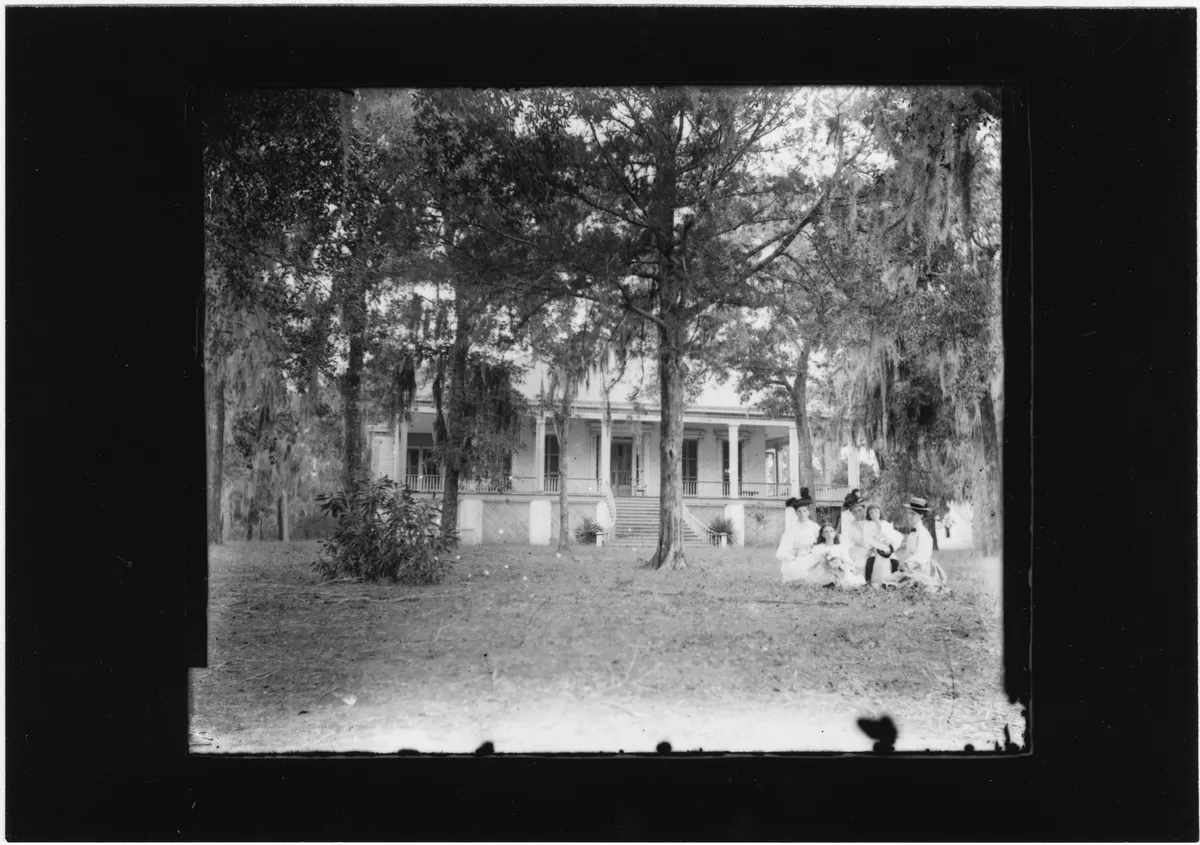 4Museum·1852·NHLBeauvoir — Jefferson Davis Home
The last home of the president of the Confederacy sits on the beach in Biloxi — not hidden in the countryside, not on a plantation, but facing the Gulf of Mexico on a public highway. Jefferson Davis lived here from 1877 until his death in 1889, writing his memoirs on the second floor while the seafood industry grew up around him. Katrina's 28-foot storm surge in 2005 gutted the house to its frame and scattered the museum collection across Harrison County. Beauvoir was rebuilt over eight years and reopened in 2013 — one of the most ambitious historic restorations on the Gulf Coast.