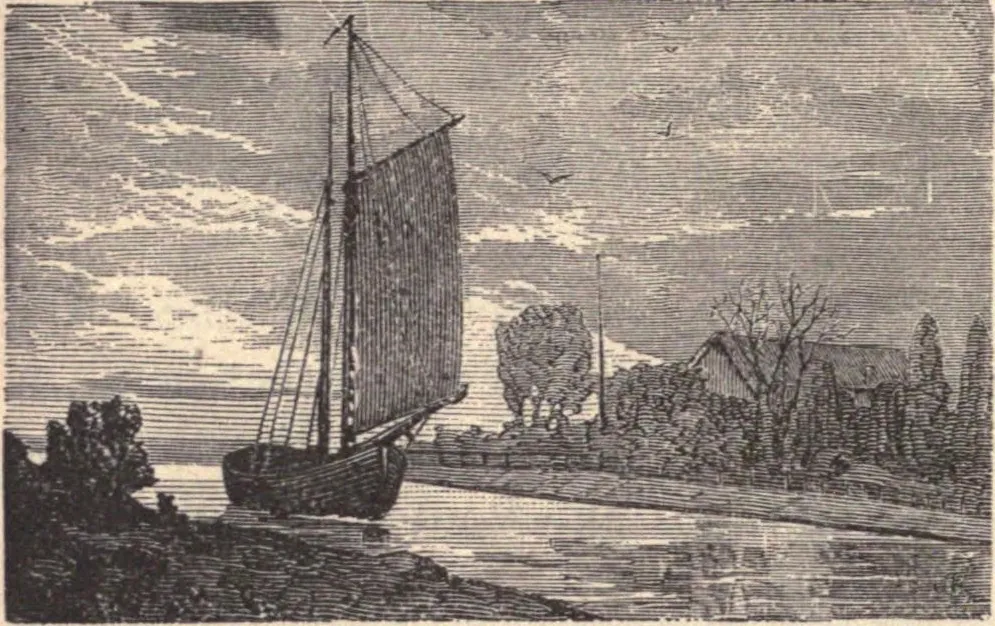
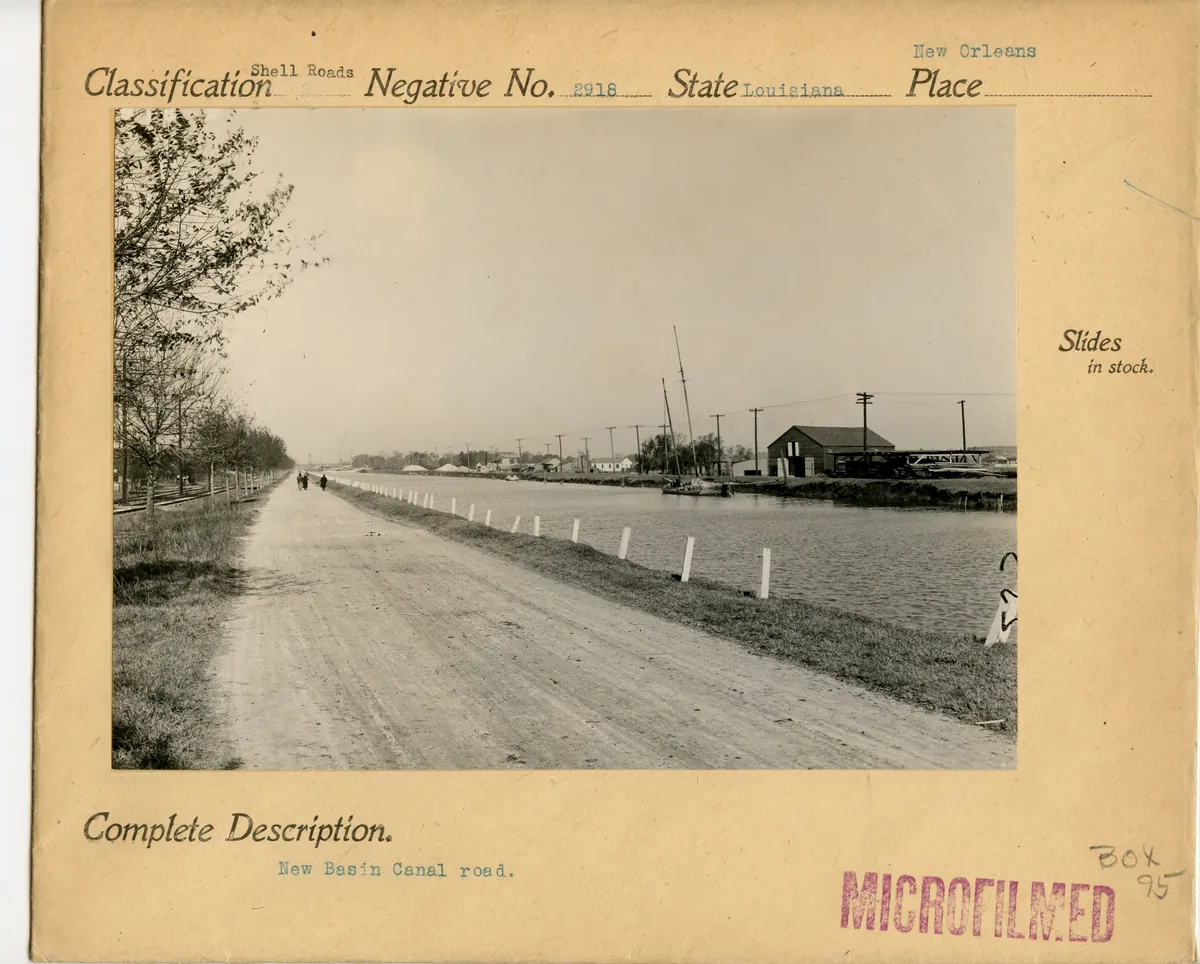
They dug the New Basin Canal by hand. Between 1832 and 1838, Irish immigrants excavated 3.17 miles through swamp and high ground to connect the uptown American section of New Orleans to Lake Pontchartrain. The city's Creole merchants controlled the existing Carondelet Canal; American businessmen wanted their own route to the lake. The New Orleans Canal and Banking Company hired shiploads of poor Irishmen at a dollar a day. Yellow fever and cholera moved through the work camps. Men drowned in the swamp. The company kept no official death count. Estimates published over the following century range from 500 to 20,000; 8,000 is the figure most commonly cited, though historians caution that contemporary immigration records and press accounts do not support the higher numbers. Many workers were buried in the levee fill beside the canal, without markers.
The canal opened to small vessels in 1838. Over the next decade it was deepened to 12 feet and widened to 100 feet. It remained commercially important through the 19th century, moving cotton, cypress timber, and farm products between the lake and the turning basin at Rampart Street and Howard Avenue. After World War I its use declined. The state legislature authorized closure in 1936. The canal was mostly filled by 1950. The Pontchartrain Expressway was built over much of its route in the 1950s.
In 1990, the Irish Cultural Society of New Orleans placed a Kilkenny marble Celtic cross in New Basin Canal Park near West End. It is one of the few public acknowledgments in the city of the men who died digging the canal. The memorial is free and open. The canal is gone. The cross remains.
- ·The New Basin Canal was dug entirely by hand between 1832 and 1838.
- ·An estimated 8,000 to 30,000 Irish immigrant laborers died during construction from yellow fever, cholera, and drowning — the death toll rivals that of many battles.
- ·The canal connected the American sector's commerce to Lake Pontchartrain, bypassing the Creole-controlled Carondelet Canal.
- ·Filled in during the 1950s; the Pontchartrain Expressway now runs over most of its path.
- ·The memorial at West End is one of the few public acknowledgments of the laborers who died building the canal.
- ·Located near West End Park. Free and publicly accessible.
More archive
Memories
Editorial content compiled with AI assistance. Place details verified against public records.