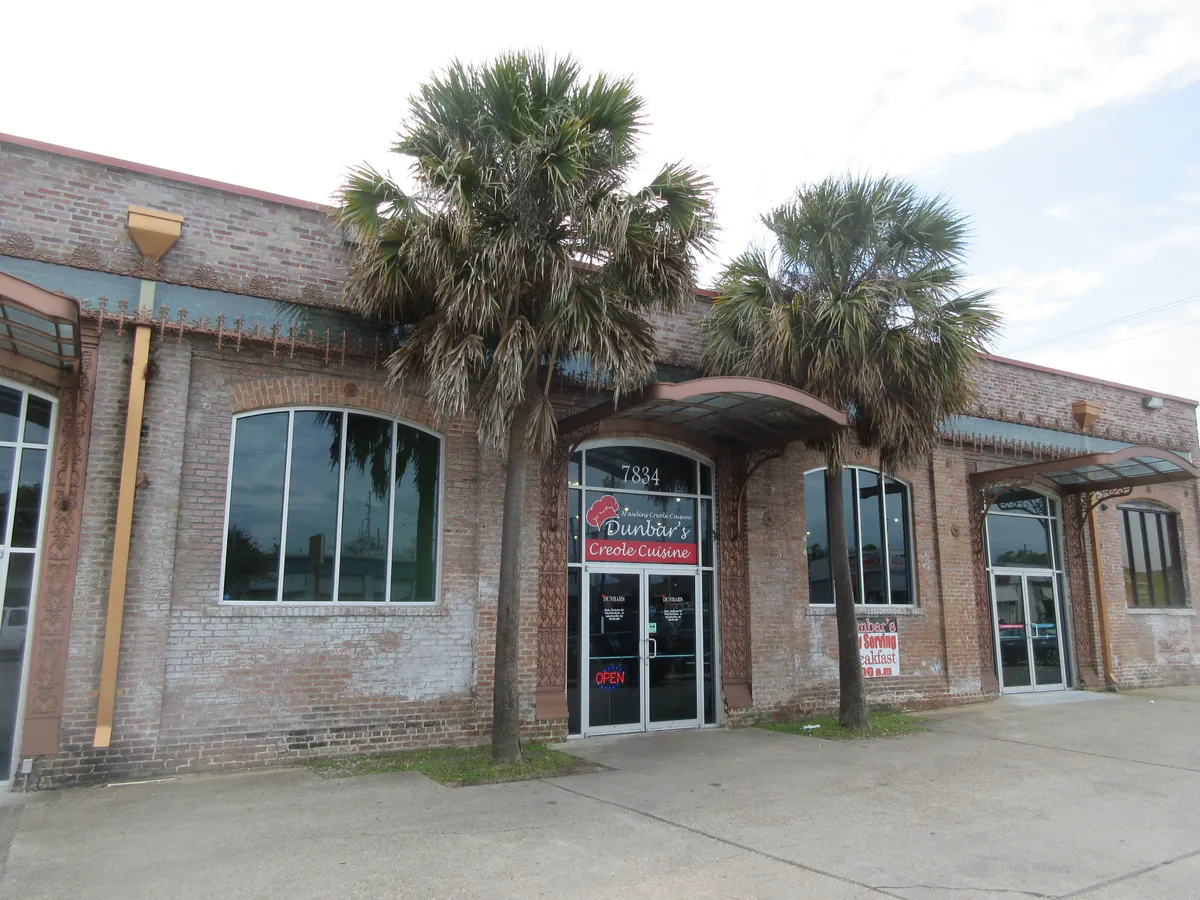
Colonial New Orleans became a kitchen. Starting in 1718, French, Spanish, West African, and Native American ingredients and techniques collided in one port city at the mouth of the Mississippi River, where it flows into the Gulf of Mexico. What emerged was Creole cooking — sophisticated, cosmopolitan, and perhaps the most distinctively recognized regional cuisine in the United States. It exists nowhere else in the world.
From France came the roux and the technique of rich sauces and complex preparation. From West Africa came okra, filé powder, and the knowledge of how to cultivate rice, brought by enslaved people from Carolina to Louisiana. The French mirepoix — onion, carrot, celery — was replaced by what became known as the holy trinity: onion, celery, and bell pepper. Later immigrants from Germany, Italy, and Sicily folded in their own influences. Some Creoles are descendants of European settlers. Some are people of mixed race with West African and Native American ancestry. All participated in the making of this food.
The city's location meant access to both saltwater and freshwater fish and shellfish — oysters, shrimp, catfish, crabs, crawfish, pompano, redfish. Antoine's Restaurant, opened in 1840, invented Oysters Rockefeller: oysters on the half-shell topped with parsley and other green herbs, a rich butter sauce, and bread crumbs, then baked or broiled. The recipe is still secret. Other dishes invented in New Orleans include po' boy and muffuletta sandwiches, oysters Bienville, pompano en papillote, and bananas Foster, created in 1951 by Paul Blangé at Brennan's.
Creole is city food. Cajun is country food. The Cajuns are descendants of the Acadians, French-Canadian colonists expelled from the Maritimes by the British, who settled in rural areas of southern Louisiana in the 1760s and 1770s. Cajun cuisine tends to be hearty, rustic fare, complex in flavor but easier to prepare. It uses less fish and more shellfish, pork, and game than Creole cuisine. The two traditions share roots but developed under different conditions. Both are still being made.
- ·Creole cuisine developed in New Orleans beginning in 1718 and exists nowhere else in the world.
- ·The French mirepoix was replaced by the 'holy trinity' — onion, celery, and bell pepper.
- ·Rice cultivation knowledge came from West Africans enslaved in Carolina and brought to Louisiana.
- ·Antoine's Restaurant, opened in 1840, is credited with inventing Oysters Rockefeller — the recipe is still secret.
- ·Creole is city food; Cajun is country food. Both share roots but developed under different conditions.
Memories
Editorial content compiled with AI assistance. Place details verified against public records.