The name came from an ammunition magazine stored here during the eighteenth-century colonial period—or from the Spanish word *magazin*, warehouse, or from the French *rue des Magasins*, pointing to the storehouses that lined it. Whatever the origin, the word stuck to a street built for supply and exchange, and six miles later it still is.
New Orleans was founded in 1718 to control the Mississippi River trade. The French picked a sharp bend in the river where a natural levee met a portage route to Lake Pontchartrain—a place to move goods between the Gulf and the continent's interior. Magazine Street follows the curving course of that river from Canal Street through Uptown, cuts through Audubon Park with Audubon Zoo on the river side, and ends at Leake Avenue in the Carrollton riverbend. An RTA bus runs the length of it.
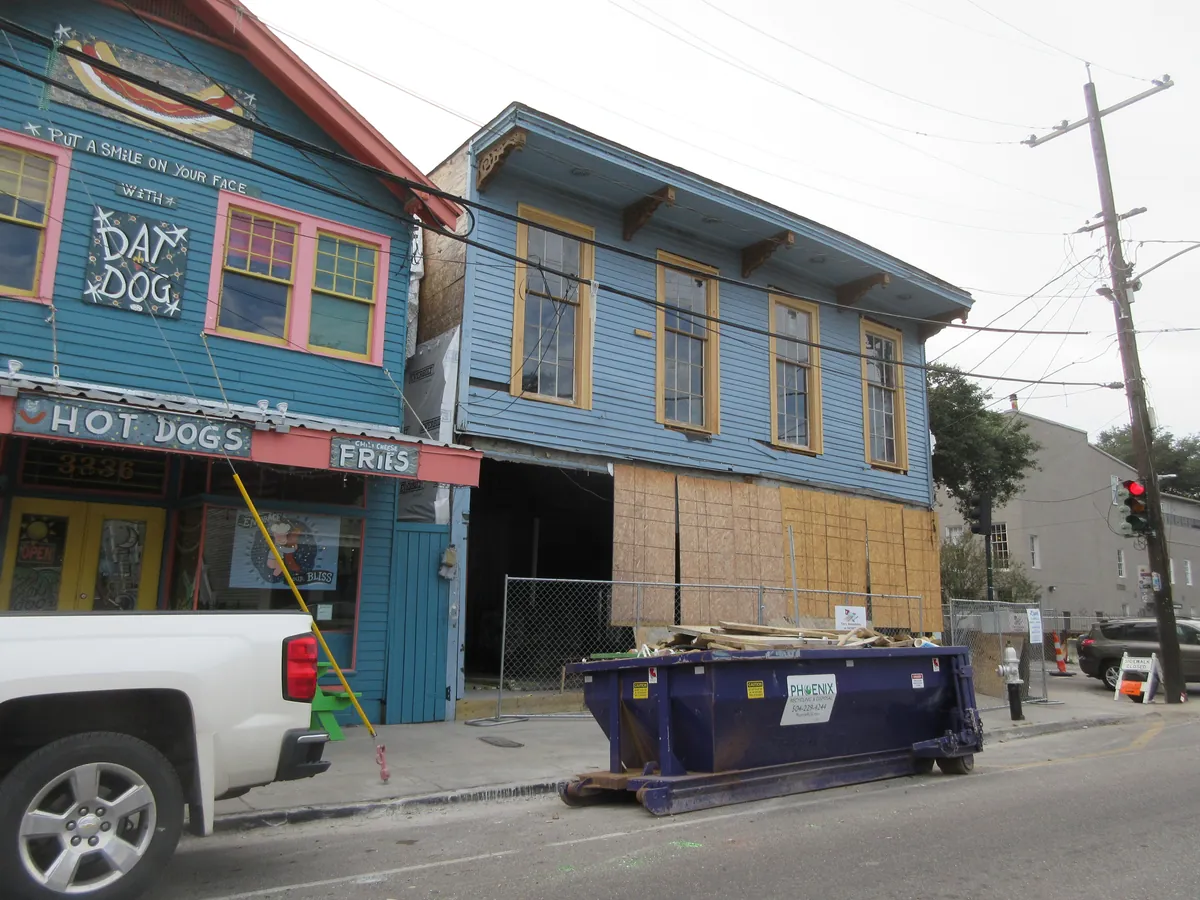
Most of the street is older houses from the later nineteenth century and commercial stretches of antique shops, clothing boutiques, restaurants, and bars. The character shifts every few blocks: vintage clothing, antique dealers, restaurants, student-friendly spots. No chain stores dominate. The shopping offers handcrafted and one-of-a-kind pieces.
This is the most important commercial street outside the French Quarter. Magazine Street is where locals actually shop and eat. Walk it in sections or ride the Magazine bus end to end.
- ·Six miles of independent shops, galleries, restaurants, and bars — the most important commercial street outside the French Quarter.
- ·Magazine Street is where locals actually shop and eat.
- ·Character shifts every few blocks: vintage clothing, antique dealers, restaurants, student-friendly spots.
- ·No chain stores dominate.
- ·Walk it in sections or ride the Magazine bus end to end.
Memories
Editorial content compiled with AI assistance. Place details verified against public records.