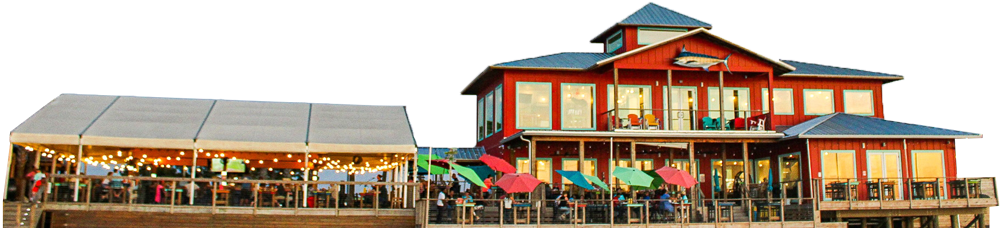
You can eat fried shrimp with sand between your toes at Shaggy's, a beachfront restaurant on East Beach Boulevard where the Mississippi Sound sits in front of you. Cold beer. Fried seafood. Live music on the deck. Not fine dining — the kind of casual the coast does when it stops trying to impress anyone. No reservations needed. The sunset costs nothing.
You're sitting on shoreline that didn't exist a century ago. The Army Corps of Engineers completed a major beach project in 1953, pumping sand to build 26 miles of public beach along the Mississippi Gulf Coast. The project used taxpayer funds and brought tourist traffic that strengthened the local economy. It also created a fight over who could use it.
Dr. Gilbert R. Mason Sr., a Black physician in Biloxi, went swimming at the beach with friends and their children on May 14, 1959. A city policeman ordered them to leave, telling them "Negroes don't come to the sand beach." When Mason asked what law he had broken, the mayor told him, "If you go back down there we're going to arrest you. That's all there is to it." Adjacent homeowners claimed the beaches as private property. Mason and his supporters noted the beaches had been built with public money and thought they should be available to all.
On April 24, 1960, Mason led 125 Black men, women, and children to the beach. White mobs attacked them — shots fired, rocks thrown, fighting in the streets. The New York Times called it "the worst racial riot in Mississippi history." Two white men and eight Black men suffered gunshot wounds. Ten times as many Black beachgoers were arrested as whites. Mason was arrested and convicted of disturbing the peace.
The U.S. Justice Department sued Biloxi in May 1960 for denying African Americans access to the federally funded beaches. The city delayed the court hearing. In June 1963, two weeks after the assassination of Medgar Evers — who had supported planning for the wade-ins and written to Mason — protesters returned to the beach. They placed black flags in the sand in Evers's memory. Biloxi police arrested 71 protesters, 68 of them Black, while more than 2,000 white residents held a counterprotest. The federal court of appeals ruled in favor of the Justice Department in 1967, determining the beaches were public. In 1968, the entire 26-mile beachfront opened to all races for the first time.
The deck at Shaggy's sits where that fight was won.
- ·Beachfront seafood restaurant on East Beach Boulevard.
- ·Fried shrimp with sand between your toes and the Sound in front of you.
- ·Not fine dining — cold beer, fried seafood, live music on the deck.
- ·Sitting on top of the seawall story — Dutch engineers, pumped sand, and a shoreline that didn't exist a century ago.
- ·The sunset costs nothing.
- ·On East Beach Boulevard in Biloxi. Casual. No reservations needed.
Memories
Editorial content compiled with AI assistance. Place details verified against public records.