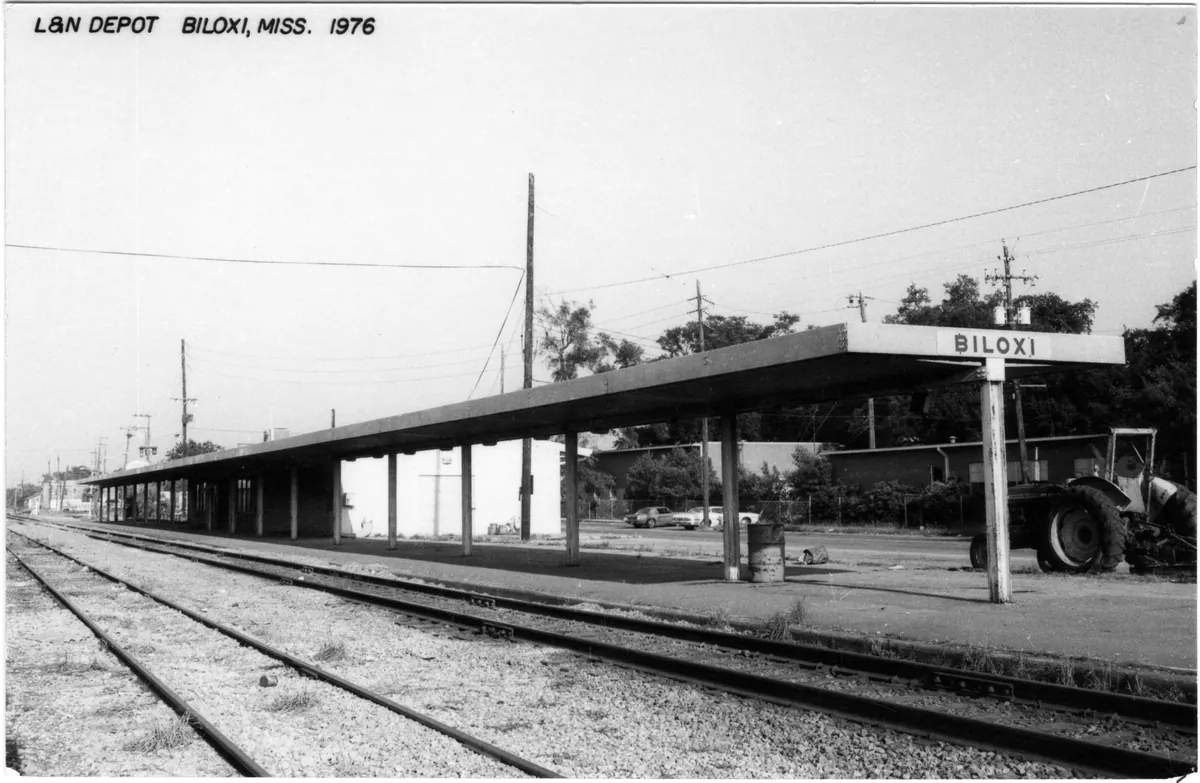
The Coastal Mississippi Mardi Gras Museum occupies the former Magnolia Hotel at 792 Howard Ave -- not, as sometimes assumed, a converted train depot; that story belongs to Bay St. Louis's real 1929 L&N depot, thirty minutes west. This is where Mississippi's oldest Mardi Gras story is told: in what is now Ocean Springs in 1699, Iberville's men held a feast on the eve of Lent -- the first American Mardi Gras celebration. By 1720, when Biloxi became the capital of Louisiana, Mardi Gras and other customs were celebrated with more fanfare.
Over a dozen elaborate costumes covered in feathers and sequins fill the museum's rooms -- proof that the Gulf Coast still takes Carnival seriously. It also houses Mississippi blues artist exhibits and a folk art gallery, which means you might walk in for beads and leave thinking about Robert Johnson. It doubles as a Coastal Mississippi Visitor Center location, so maps and brochures are stacked near the door.
Admission is free, which matters when you're trying to understand why twelve coastal communities still throw parades, balls, and events across the region each Carnival season. The costumes answer part of the question. The rest you'll have to see for yourself.
- ·Inside the 1929 mission-style L&N Train Depot.
- ·The first American Mardi Gras celebration happened in what is now Ocean Springs in 1699 — when Iberville's men held a feast on the eve of Lent.
- ·Over a dozen elaborate Mardi Gras costumes covered in feathers and sequins on display.
- ·Also houses Mississippi blues artist exhibits and a folk art gallery.
- ·Doubles as the Coastal Mississippi Visitor Center — maps and brochures available.
- ·Free admission. On Main Street in downtown Biloxi.
Memories
Editorial content compiled with AI assistance. Place details verified against public records.