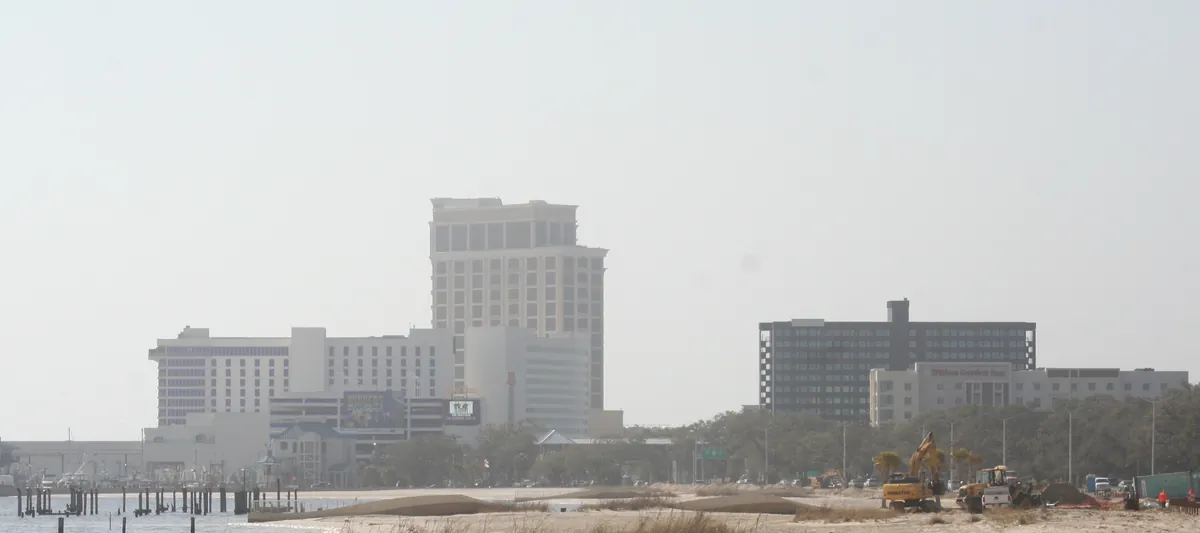
Most cities brag about two flags. Biloxi has had eight. France, Britain, Spain, the Republic of West Florida, the Confederacy, the United States, and two versions of the Mississippi state flag have each claimed this shore. The count is real — every flag traceable to documented sovereignty. The layering is the point.
Pierre Le Moyne d'Iberville arrived in 1699 and built Fort Maurepas across the bay at what became Ocean Springs — the first permanent European settlement in the Mississippi Valley. The Biloxi people were already here. Their name, transliterated into French, became the name of the bay, then the fort, then the city.
By 1720, the French had built Fort Louis on the Biloxi peninsula. For two years, Biloxi served as the capital of French Louisiana before governor Bienville moved it to New Orleans in 1722, citing hurricanes and storm surge. Britain took the coast in 1763 after the Seven Years' War. Spain took it from Britain in 1779. Through all of this, the population stayed French. Governors rotated. The families on the ground spoke French, fished, and mostly ignored them.
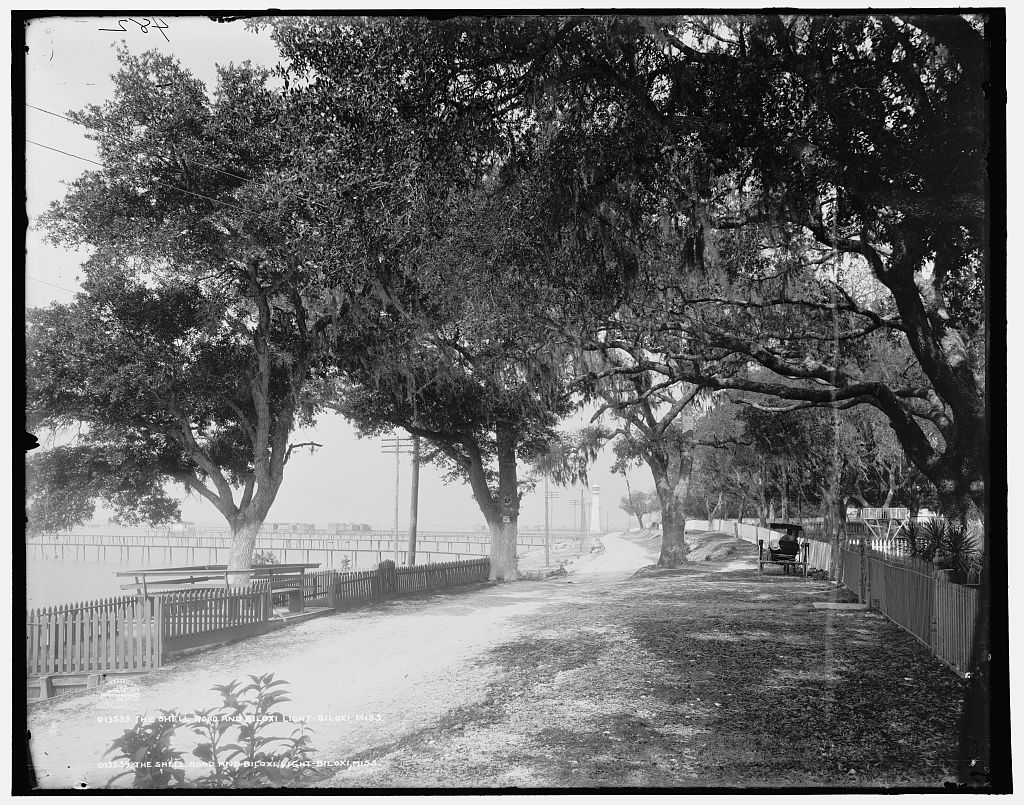
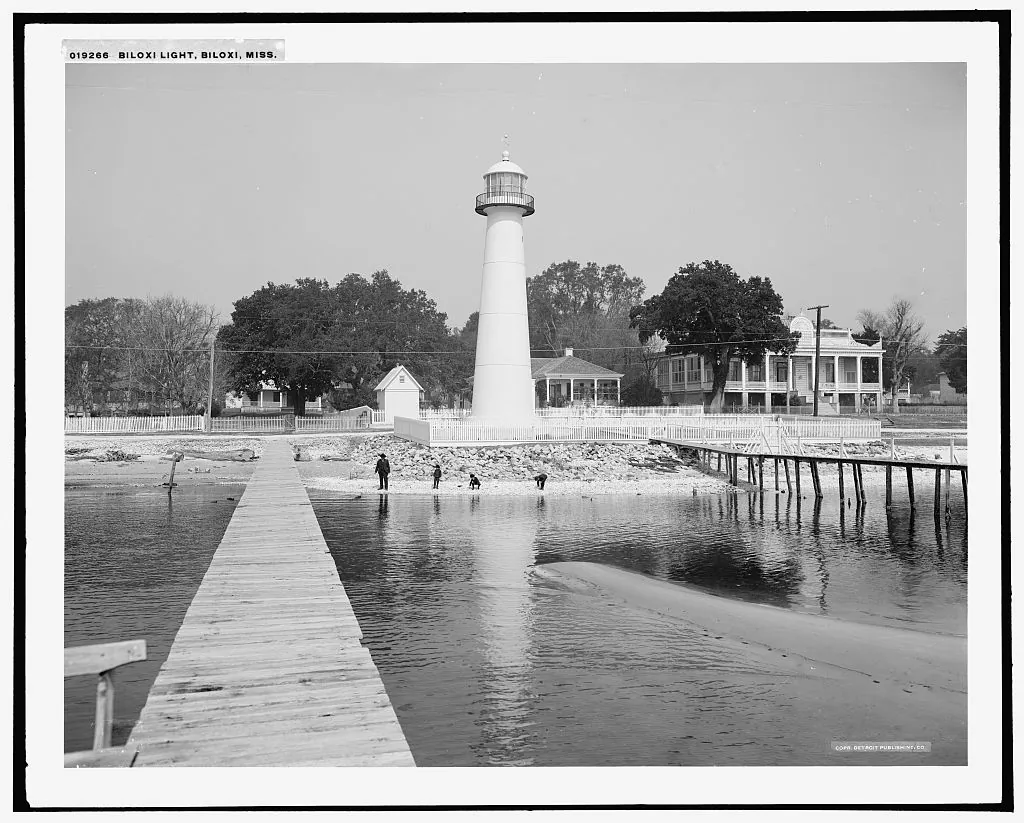
The United States took possession in 1811. Mississippi became a state in 1817. Biloxi turned into a resort — proximity to New Orleans by water, Gulf breezes during yellow fever season, white sand. Hotels went up. The lighthouse was built in Baltimore and shipped south in pieces, completed in May 1848.
The canneries opened in 1881. Croatian shrimpers arrived. Vietnamese refugees followed a century later. Keesler Field opened during World War II and became a permanent Air Force base. Casinos came in the 1990s when Mississippi legalized gambling on water. Katrina destroyed the waterfront in 2005. The casinos rebuilt on land.
The seafood industry required labor from wherever it could find it. The military required tolerance of whoever showed up. That layering became the identity. Biloxi is the most ethnically diverse city in Mississippi and always has been — simultaneously a French colonial relic, a shrimping port, a military town, a casino strip, a civil rights battleground, and an art destination. Eight flags have flown here because the ground underneath kept producing reasons for people to stay.
- ·Eight flags have flown over Biloxi — France, England, Spain, Republic of West Florida, the Confederacy, the U.S., and two state flags.
- ·Most ethnically diverse city in Mississippi and always has been.
- ·Croatian shrimpers, Vietnamese refugees, Keesler airmen, casino workers from across the South.
- ·Simultaneously a French colonial relic, shrimping port, military town, casino strip, civil rights battleground, and art destination.
- ·The seafood industry required labor from wherever it could find it. The military required tolerance of whoever showed up.
- ·That layering is the identity.
More archive
Memories
Editorial content compiled with AI assistance. Place details verified against public records.