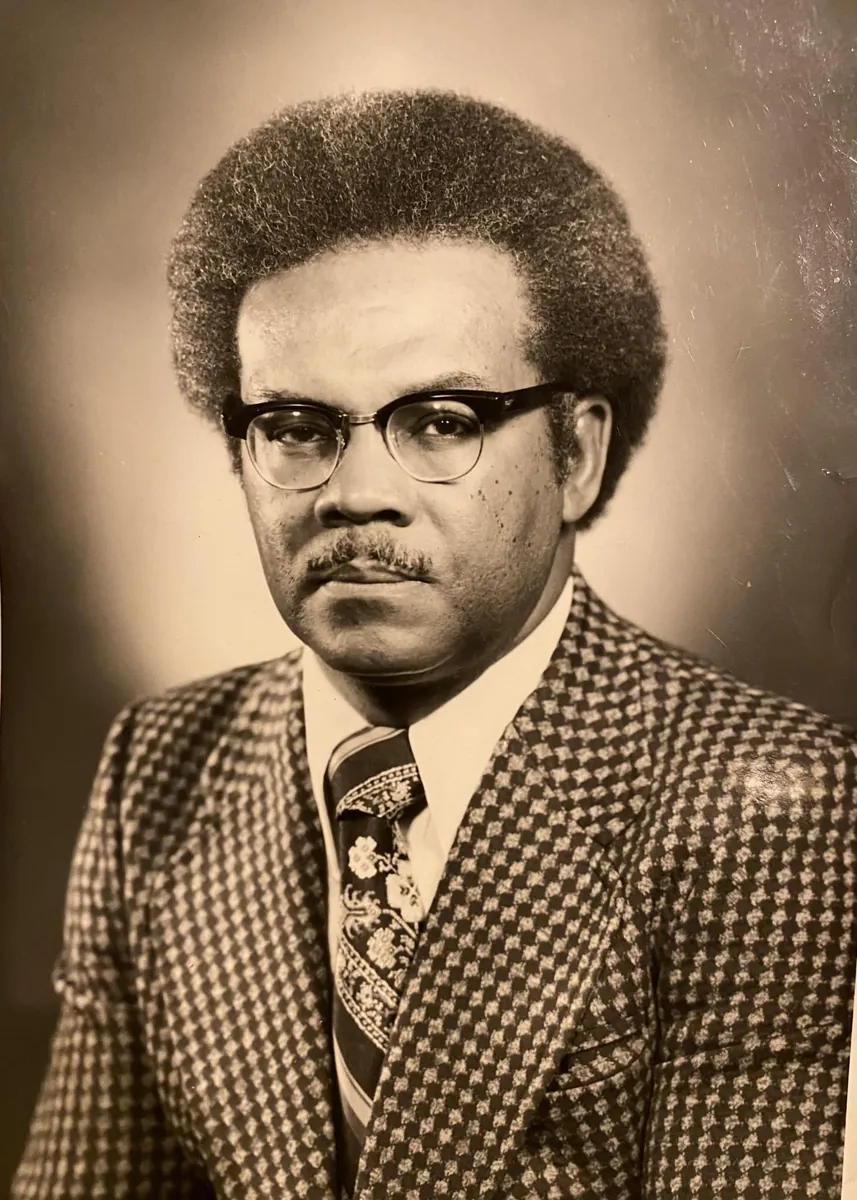
Dr. Gilbert R. Mason arrived in Biloxi in 1955, the second Black physician in Harrison County, and opened a family practice on Division Street that became the staging ground for the first nonviolent civil rights protest in 1950s Mississippi. On May 14, 1959—a year before Greensboro—Mason, Dr. Felix Dunn, and their families walked into the Gulf to swim at the city's 26-mile public beach. Police arrested them and explained that adjacent homeowners claimed the sand as private property.
Mason returned to the beach in April 1960 and was arrested again. A week later, on April 24, he and 125 demonstrators—elderly men and women, teenagers, children—gathered for a second wade-in. White mobs attacked them with chains, pipes, and guns. At least ten people were shot. Biloxi police watched without intervening. The day became known as Bloody Sunday.
Mason led a third wade-in in spring 1963, two weeks after Medgar Evers' funeral. Nearly 2,000 white counter-protesters gathered, but this time police blocked the violence. The wade-ins continued through that year, long before national media turned cameras toward Mississippi.
The U.S. Department of Justice filed suit against beach segregation in May 1960. The case dragged through courts until 1968, when the Fifth Circuit ruled that Mississippi beaches were public and subject to federal desegregation law. The state declined to appeal.
Mason practiced medicine from this Division Street office for decades, eventually gaining full privileges at Biloxi Regional Hospital and serving as chairman of family practice. He led the Biloxi NAACP chapter for 34 years and the state NAACP for 33. In 2000, he published *Beaches, Blood, and Ballots*, a memoir of those early fights. The building is listed on the National Register. It stands in a residential neighborhood, viewable from the street—a working doctor's office that doubled as the operational center for a decade-long legal and physical battle to reclaim public waterfront.
- ·Dr. Mason organized the first wade-in on May 14, 1959 — a year before the Greensboro sit-ins.
- ·On April 24, 1960, a white mob attacked demonstrators with chains, pipes, and guns. At least 10 people were shot.
- ·The wade-ins continued through 1963 — years before the national media paid attention.
- ·Mason practiced medicine from this Division Street office for decades while fighting segregation in court.
- ·Listed on the National Register of Historic Places.
- ·The building is in a residential neighborhood — viewable from the street but not a public museum.
Memories
Editorial content compiled with AI assistance. Place details verified against public records.