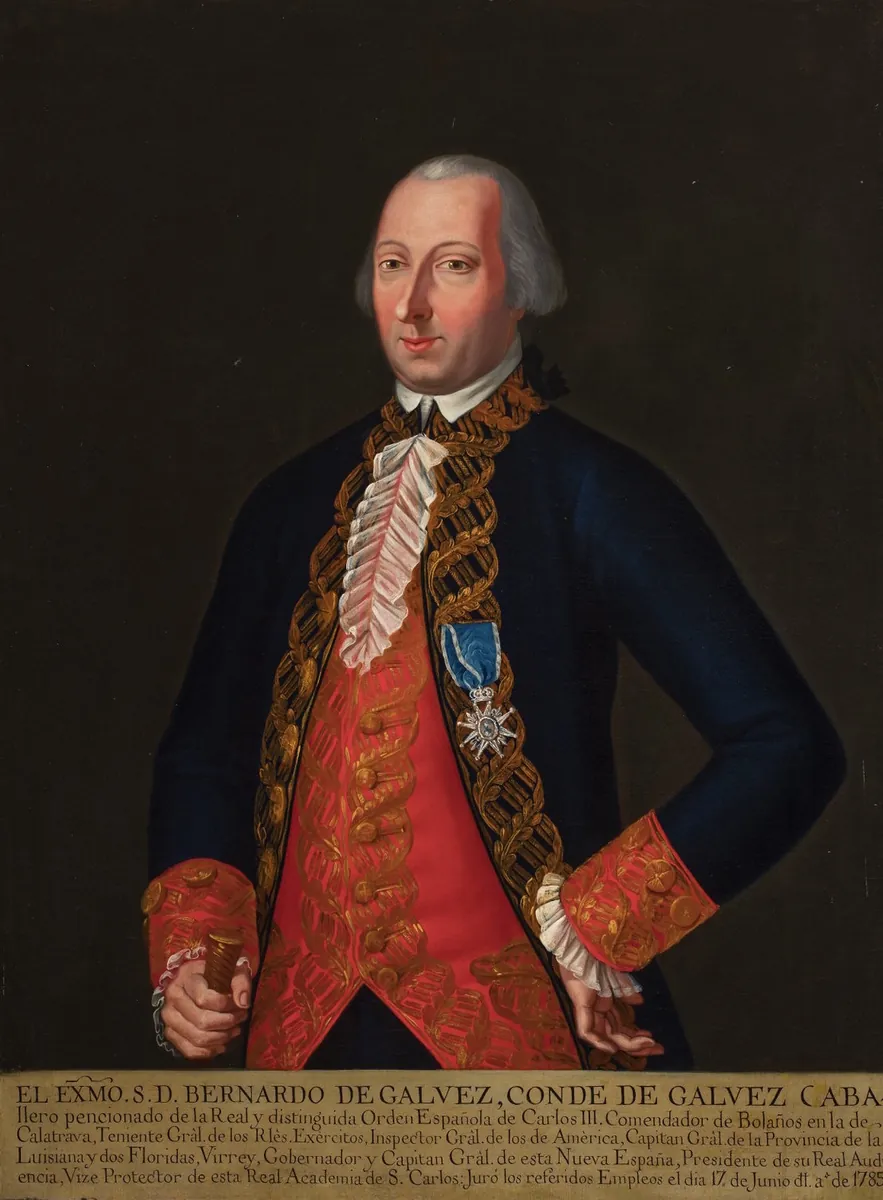
In September 1779, Spanish governor Bernardo de Gálvez intercepted a secret communication from King George III to General John Campbell at Pensacola. The British crown had instructed Campbell to organize an attack on New Orleans—to assemble fighting ships from Jamaica, gather provincial forces, recruit loyal Indians, and draw on the royal treasury. Gálvez read the letter and mobilized Louisiana for war.
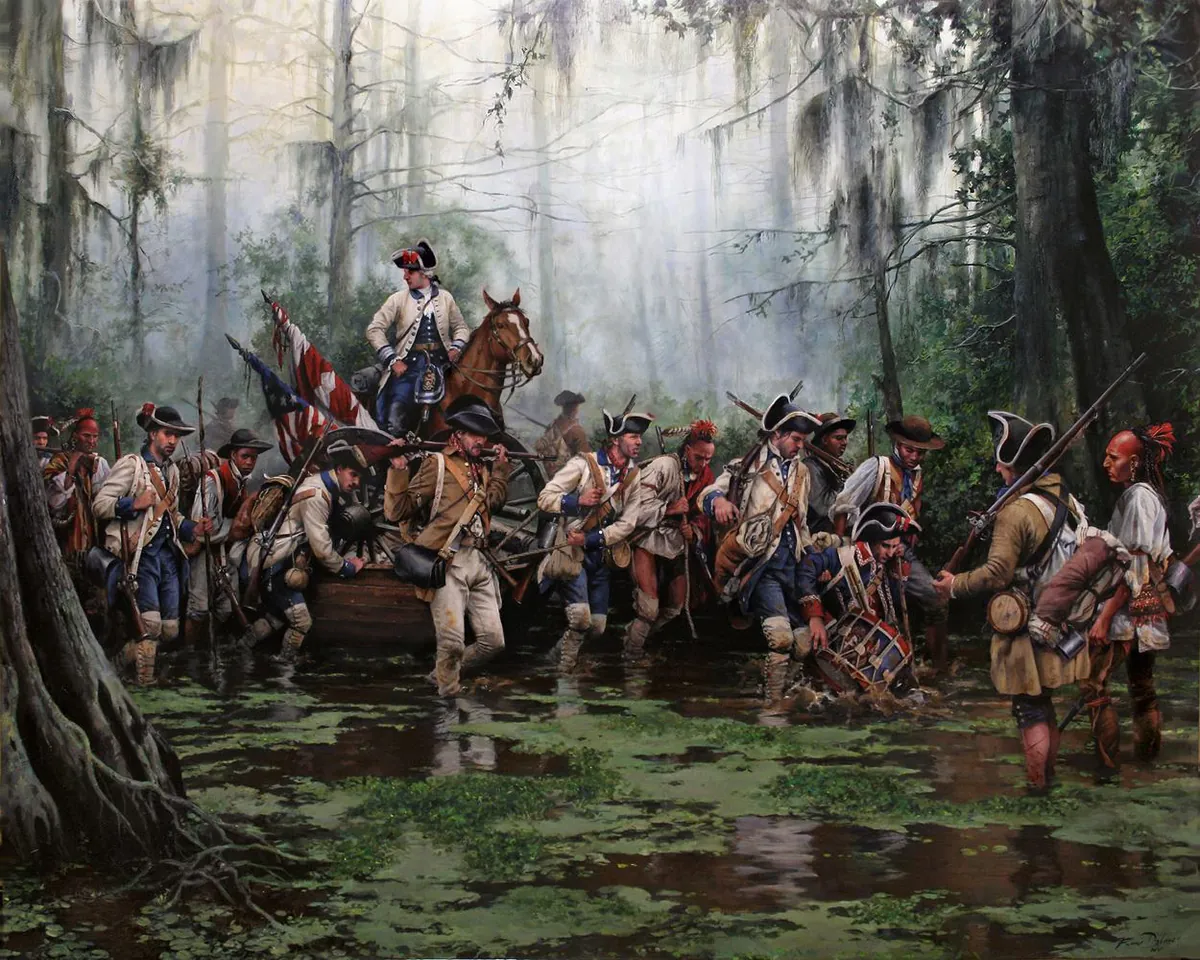
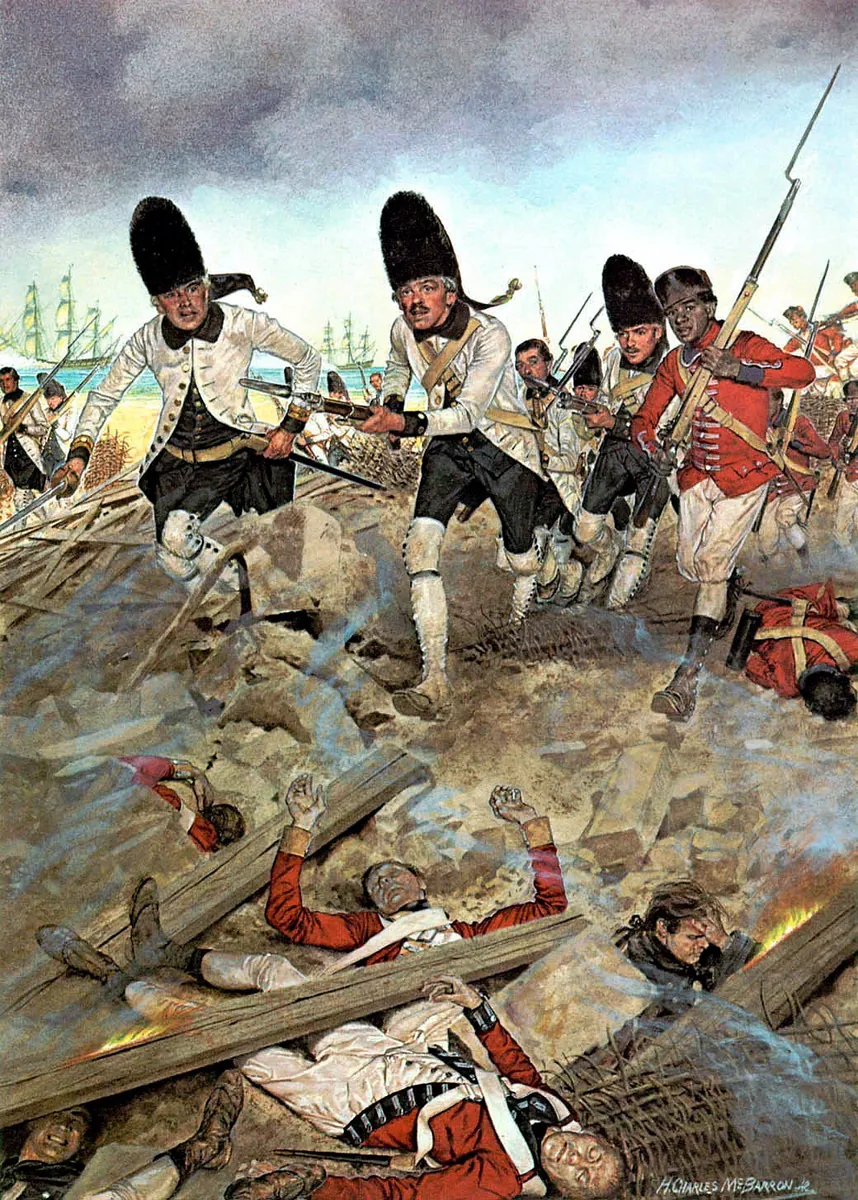
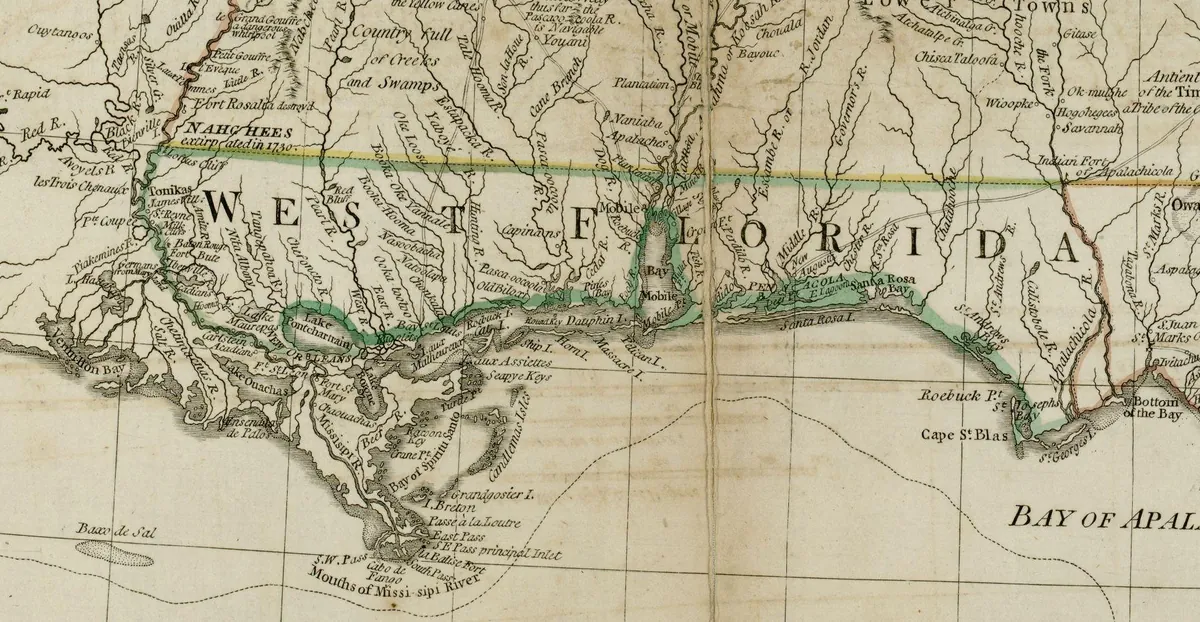
On September 21, 1779, Gálvez's forces defeated the British at Baton Rouge. He took Natchez weeks later, then Mobile in March 1780. On May 8, 1781, he captured Pensacola, the British capital of West Florida, from Campbell. The British lost every base on the Gulf coast.
Gálvez had been appointed governor of Louisiana in 1777 with instructions to secure the friendship of the United States. The British blockade of the Thirteen Colonies had closed the Atlantic ports; the Mississippi River became the alternative. Working with Oliver Pollock, an American patriot, Gálvez shipped gunpowder, muskets, uniforms, and medicine upriver to the colonial rebels. His Gulf campaign kept British forces from outflanking the Revolution from the west.
Congress issued a resolution on May 9, 1783, to display his portrait in the room where Congress met. The portrait was not hung until December 2014—the same year Congress granted Gálvez honorary citizenship, making him one of eight people ever so honored. Galveston, Texas, is named for him.
- ·Spanish governor Bernardo de Gálvez took Baton Rouge in 1779, Natchez weeks later, and eventually Mobile and Pensacola.
- ·His campaigns systematically eliminated British power from the Gulf South.
- ·Kept British forces from outflanking the American Revolution from the west.
- ·Congress made him an honorary American citizen in 2014 — 228 years after his death.
- ·The city of Galveston, Texas is named for him.
More archive
Memories
Editorial content compiled with AI assistance. Place details verified against public records.