The West Bank built things, caught things, and shipped things. Joseph Hale Harvey's enslaved workforce dug the Harvey Canal by hand in the 1830s to link the Mississippi to Barataria Bay; by the 1890s, seven canneries on Sala Avenue in Westwego were packing Gulf shrimp for the world; at its peak in the 1970s and 1980s employed 26,000 people and launched LSTs for D-Day. The Westwego Shrimp Lot still sells direct off the boats from fourteen pink and red shacks. Overhead, the Huey P. Long Bridge — opened December 1935, three months after Long was shot — ties it together.
The route
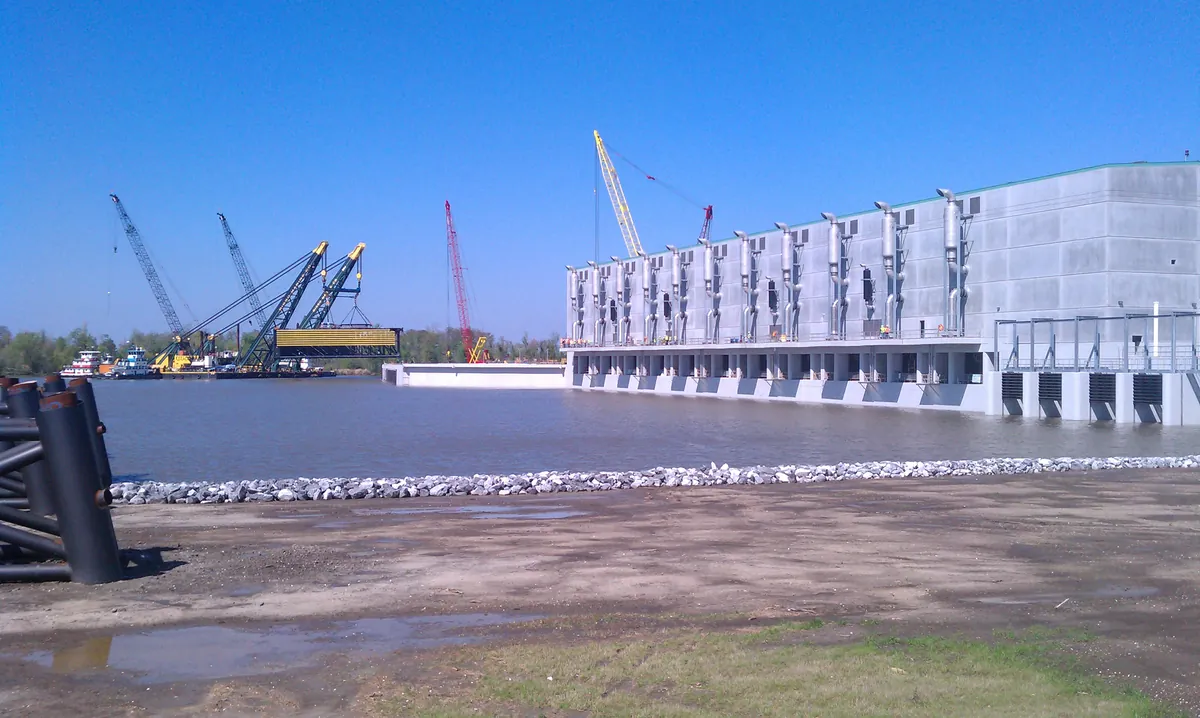 1Architecture·1830s–presentHarvey Canal
Destrehan Harvey dug this canal by hand with enslaved labor in the 1830s, cutting through swamp to connect the Mississippi River to Barataria Bay and the Gulf. The community that grew around it took his name. The canal became a critical link in the Gulf Intracoastal Waterway system. Today the Harvey Canal Lock, operated by the Army Corps of Engineers, is one of the busiest navigation locks in the United States. Offshore oil and gas supply boats transit daily, part of the machinery that transformed the West Bank into a maritime industrial corridor. Stand at the lock and watch the procession: crew boats, barges, tugs moving between river and gulf. The canal connects two waters, two economies. What enslaved hands dug in the 1830s now carries the offshore oil trade that defines the bayou coast.
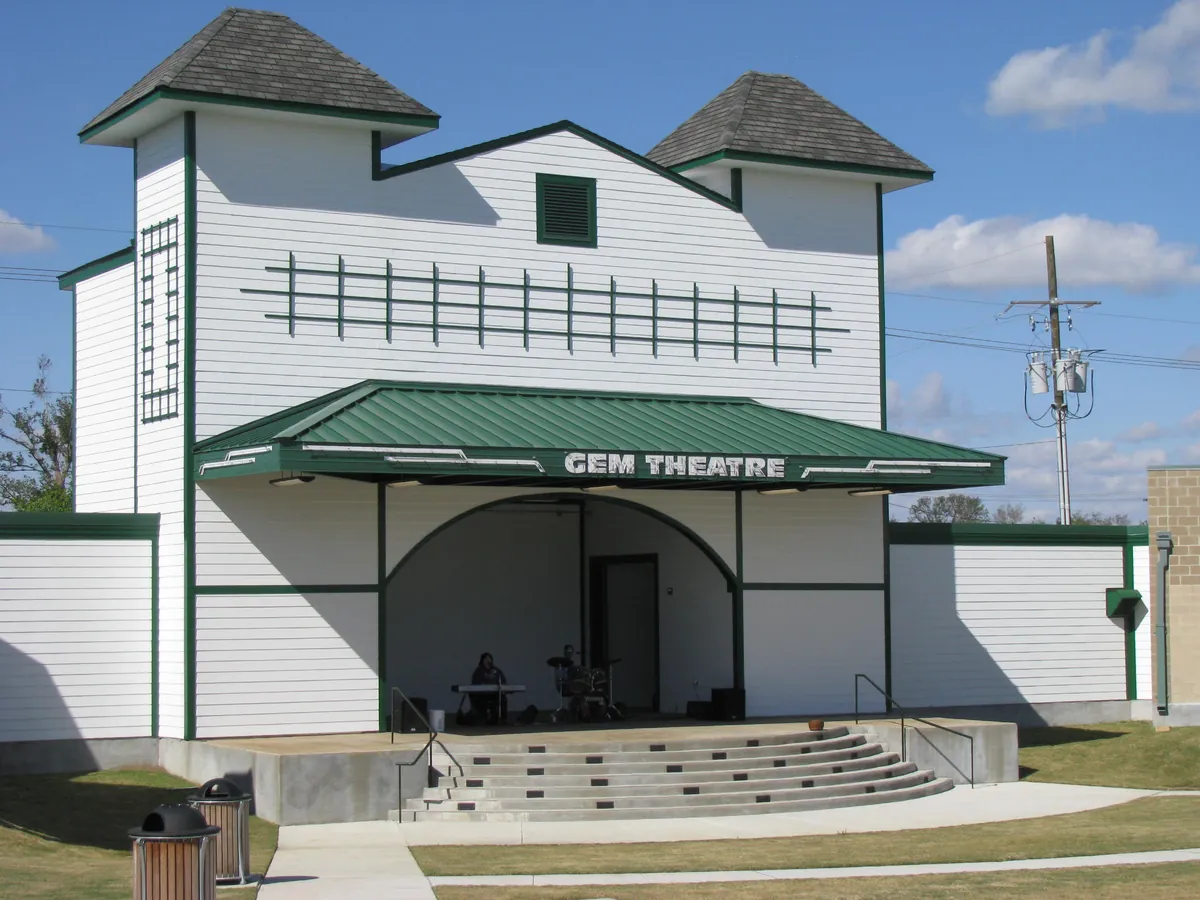 2Food & Drink·2000s–presentWestwego Farmers & Fisheries Market
The Shrimp Lot sits next door, and that's the point — this market anchors where the boats still tie up. Westwego fed New Orleans from the water for generations. By the 1940s, five seafood processors employed 567 people in a town of 5,000. That ratio tells you what mattered. The industry thinned, but the infrastructure held, and now the West Bank's farmers and fishermen share the same asphalt on Saturday mornings. Produce stalls run next to coolers of Gulf catch. Homemade preserves sit beside whatever came off the boats that week. The vendors are the people who grew it or pulled it from the water. The crowds peak early Saturday — that's when selection is widest and the shrimp hasn't been sitting. This is a working market, not a curated one. Bring a cooler if you're buying seafood. Parking is free. The reason to go is the same reason Westwego exists: the water still produces, and someone here will sell you what it gave up.
- 3Food & Drink·1977–presentWestwego Shrimp Lot
The fishermen dock before most of New Orleans pours coffee. By the time serious buyers roll into the Westwego Shrimp Lot — just off the Westbank Expressway at Louisiana Street — the morning's haul is already iced and weighed. Fresh shrimp, alligator, frog legs, catfish, oysters. Some of the fourteen independently owned vendor shacks on this ten-acre lot are run by second and third generation fishing families. The shacks themselves, painted in colors bright enough to catch the eye from the highway, have held their ground since 1977. The catch moves directly from boat to vendor. No middleman. No warehouse. The shrimp you buy at dawn came out of the water hours ago. The same families who pulled the nets are the ones making change. If you want first pick, you arrive early. The selection thins as the day wears on, and the people who know what they're doing don't sleep in.
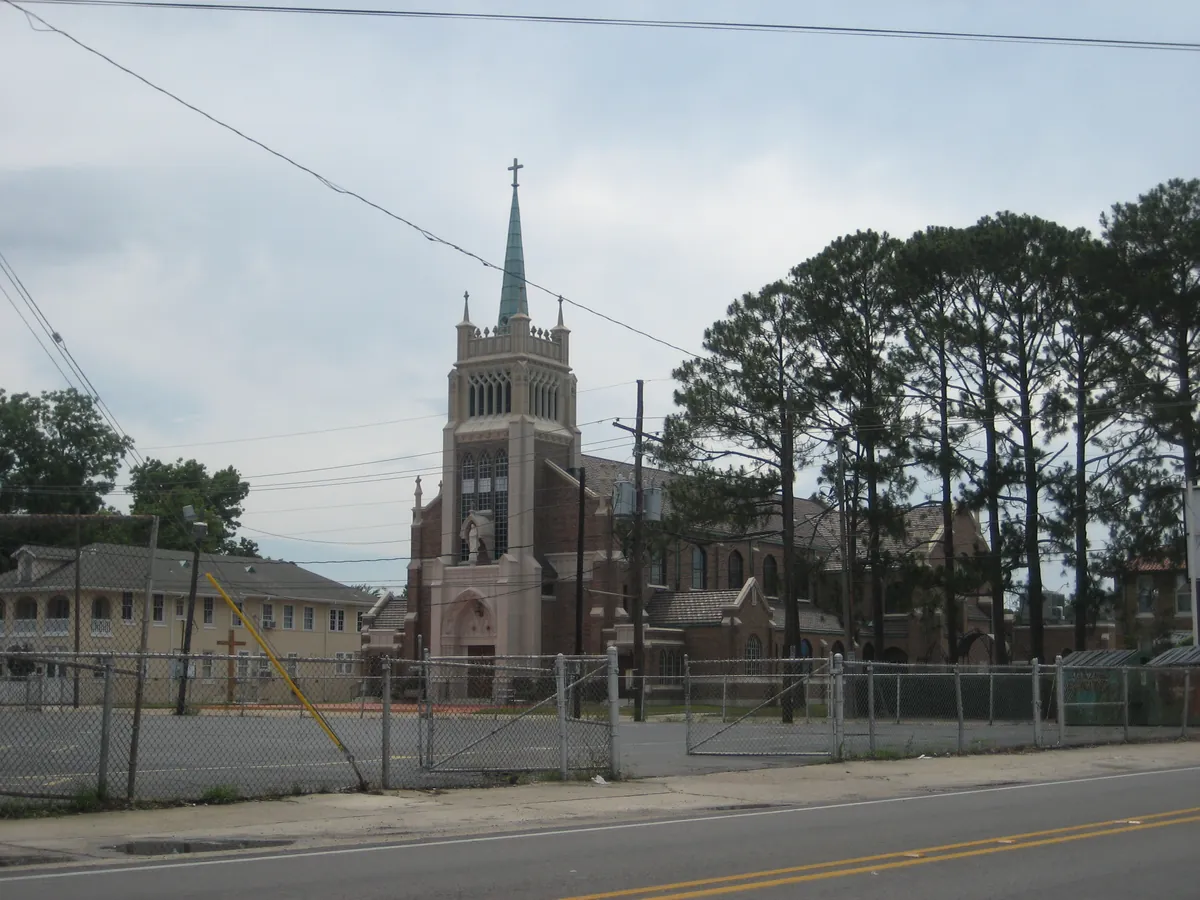 4Religious Site·1907–presentOur Lady of Prompt Succor Church
The name carries weight before you set foot inside. Our Lady of Prompt Succor is the patroness of Louisiana, invoked before the Battle of New Orleans in 1815. On the eve of that battle, New Orleans residents joined Ursuline sisters at their French Quarter convent to pray through the night before a wooden statue of the Virgin. The Very Rev. Louis William DuBourg offered Mass the next morning at the altar where the statue had been placed. At the moment of communion, a courier ran in: the British had been defeated. The Prioress made a vow to have a Mass of Thanksgiving sung annually. They've kept it every January 8th since. The devotion runs deep in Louisiana. During hurricane season, prayers are said at every Mass in New Orleans during the Prayers of the Faithful, requesting Our Lady of Prompt Succor's intercession and protection. Pious believers pray before her statue whenever a hurricane threatens the city. In 1907, a church bearing that name was founded in Westwego to serve the fishing and canning families of the West Bank. Westwego's Cajun population had migrated from Acadiana for the fishing industry, and the parish reflects those French-Acadian Catholic roots. Generations of shrimping and oystering families have worshipped here. The church remains active in the heart of Westwego's historic commercial district — a spiritual anchor for the West Bank, carrying a title earned two centuries ago when the city needed prompt succor and received it.
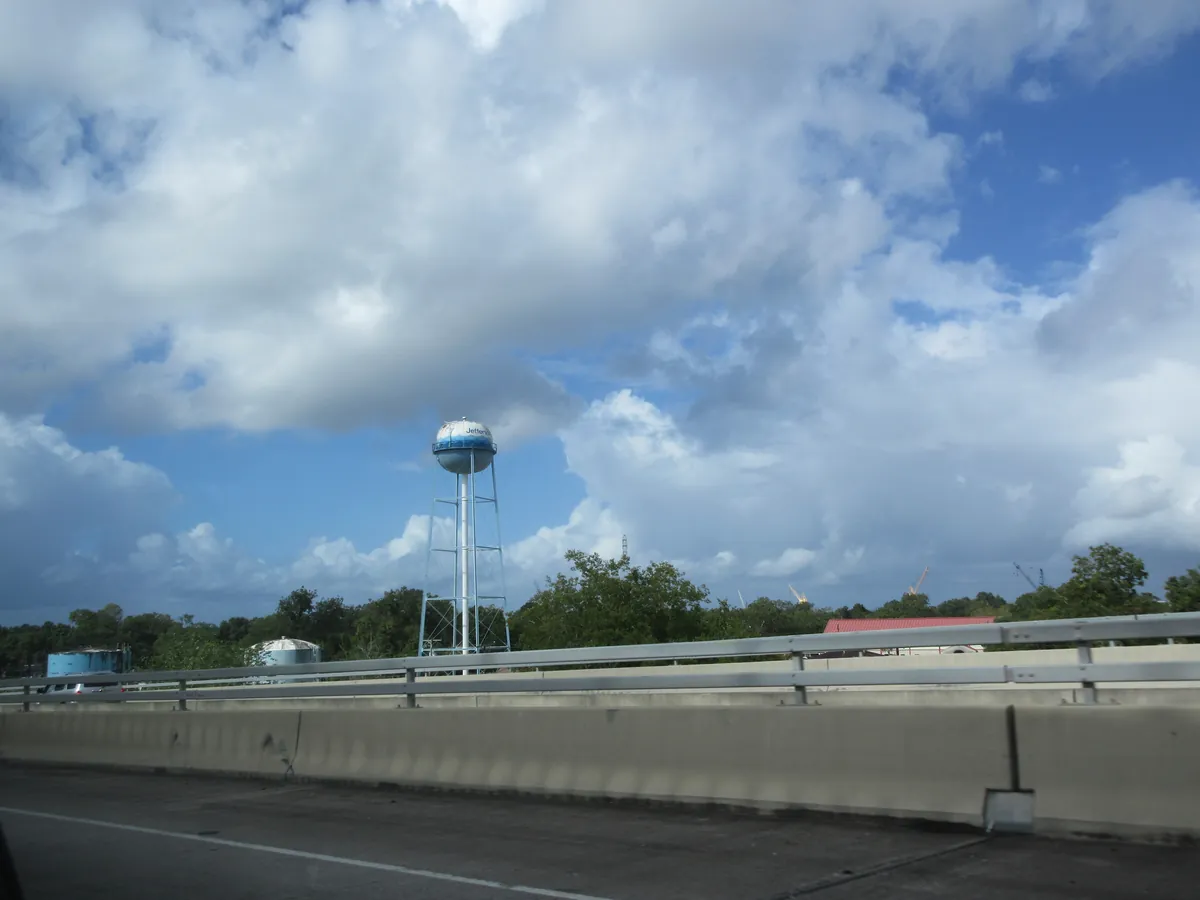 5Historic Site·1900s–presentBridge City
The Huey P. Long Bridge runs steel across the Mississippi, and the neighborhood at the foot of its West Bank approach took the bridge's name. Bridge City sits between Westwego and Avondale, historically a Black and Creole working-class community, one of the most culturally distinct neighborhoods on the West Bank. Since 1974, the annual Bridge City Gumbo Festival has drawn approximately 100,000 visitors. Gumbo cook-offs, live music, and carnival rides fill the grounds. A festival that's run for fifty years in a working neighborhood, pulling six figures in attendance, is a festival that belongs to the people who live there. You go for the gumbo and the fact that this many people keep coming back.
 6Historic Site·1938–2014Avondale Shipyard Site
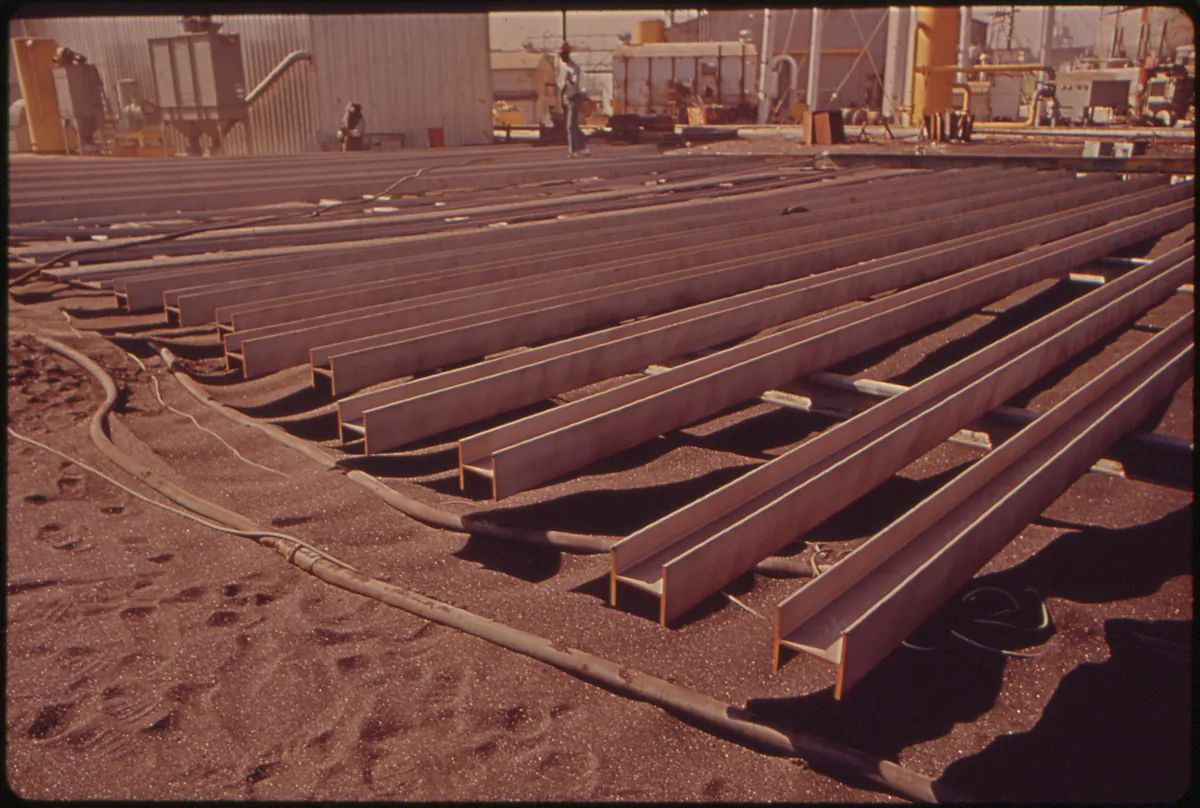
For seventy-six years, metal met river at Avondale. The shipyard ran from 1938 to 2014, building vessels that carried American power across water. At peak employment, 26,000 workers clocked in — the largest private employer Louisiana ever had. During World War II, the yard built landing craft used in the D-Day invasion. Later came Navy destroyers, Coast Guard cutters, and container ships. The work was continuous, the output steady, the employment real. The closure in 2014 was a major economic blow to the West Bank. Twenty-six thousand paychecks stopped. The site sits in Avondale on the West Bank of the Mississippi River, being redeveloped for industrial and commercial use now. You go to see what scale looks like when it ends. The river is still there. The work is gone. What remains is the question every industrial city asks: what do you build after the builders leave?