The Delta on the Louisiana side was the richest cotton ground in the state and the most brutal — Tensas, Madison, and East Carroll parishes ran on enslaved labor at a scale that rivaled the sugar country. Frogmore's working gins still process the crop the parish was built on. Winter Quarters is the only plantation house Grant's troops left standing on the march to Vicksburg in 1863. The Tensas River bottomlands — 71,000 acres — hold the last strong population of Louisiana black bears, the subspecies that named the teddy bear. The cotton, the war, and the bears are all still here.
The route
 1Historic Site·Antebellum·NRHPFrogmore Cotton Plantation & Gins
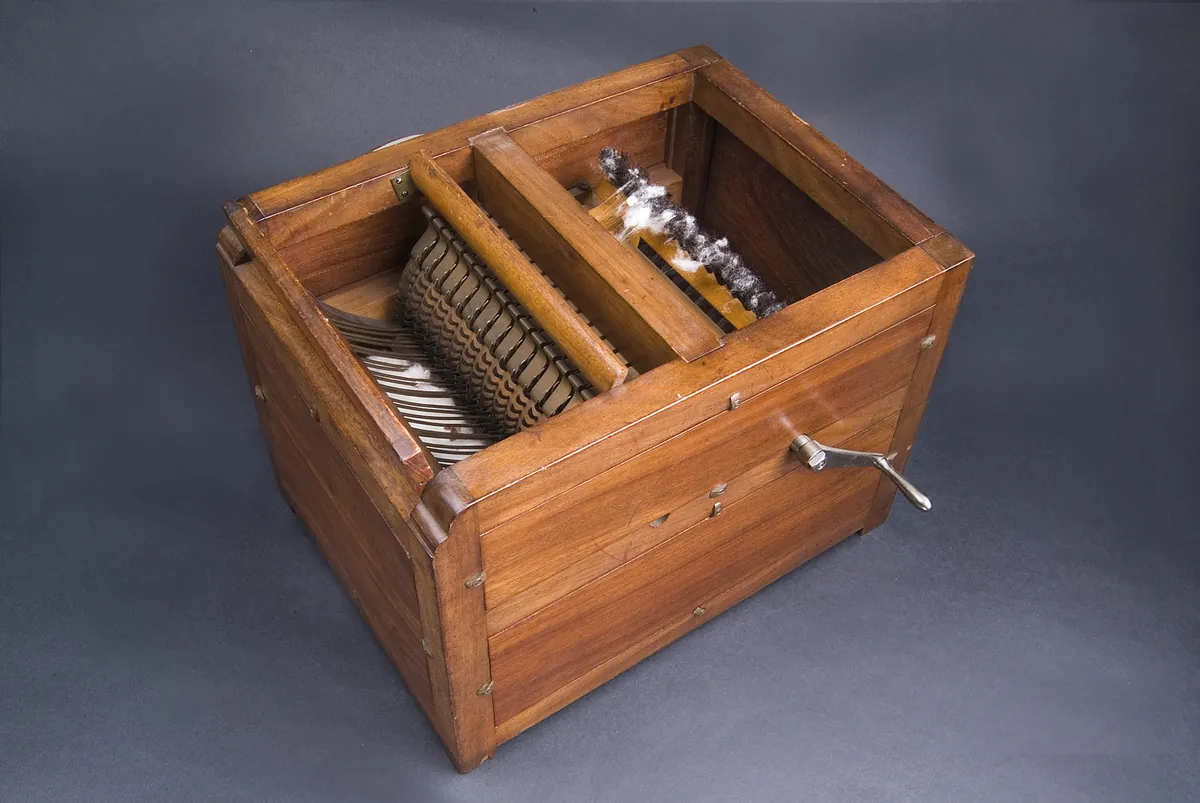
# Frogmore Cotton Plantation & Gins Two cotton gins stand on this property—one powered by 1800s steam, one by modern computer controls—and both process cotton every autumn. The contrast is the point. Frogmore is a working plantation that refuses to smooth over what made it work: enslaved labor, then sharecropping, then machines that made human labor cheap enough to discard. Guided tours move through 18 original structures. The slave cabins are still standing. So is the overseer's office. So is the planter's home. The spatial arrangement tells the story before a word is spoken—who lived where, who watched whom, who profited. The tours cover all three labor systems that kept cotton moving: slavery, sharecropping, and mechanized farming. This is not a sanitized heritage site. It is a working operation that processes cotton on-site every autumn, using equipment from different centuries to show exactly how the crop moved from field to bale. The site is listed on the National Register of Historic Places. Tours run by reservation only. Frogmore sits at 11054 Highway 84, a rural stretch where the architecture of control has not been renovated into something easier to look at. If you want to understand what "King Cotton" actually required—not in metaphor, but in wood and iron and human arrangement—this is where the accounting is still visible.
 2Historic Site·Civil War·NRHPWinter Quarters State Historic Site
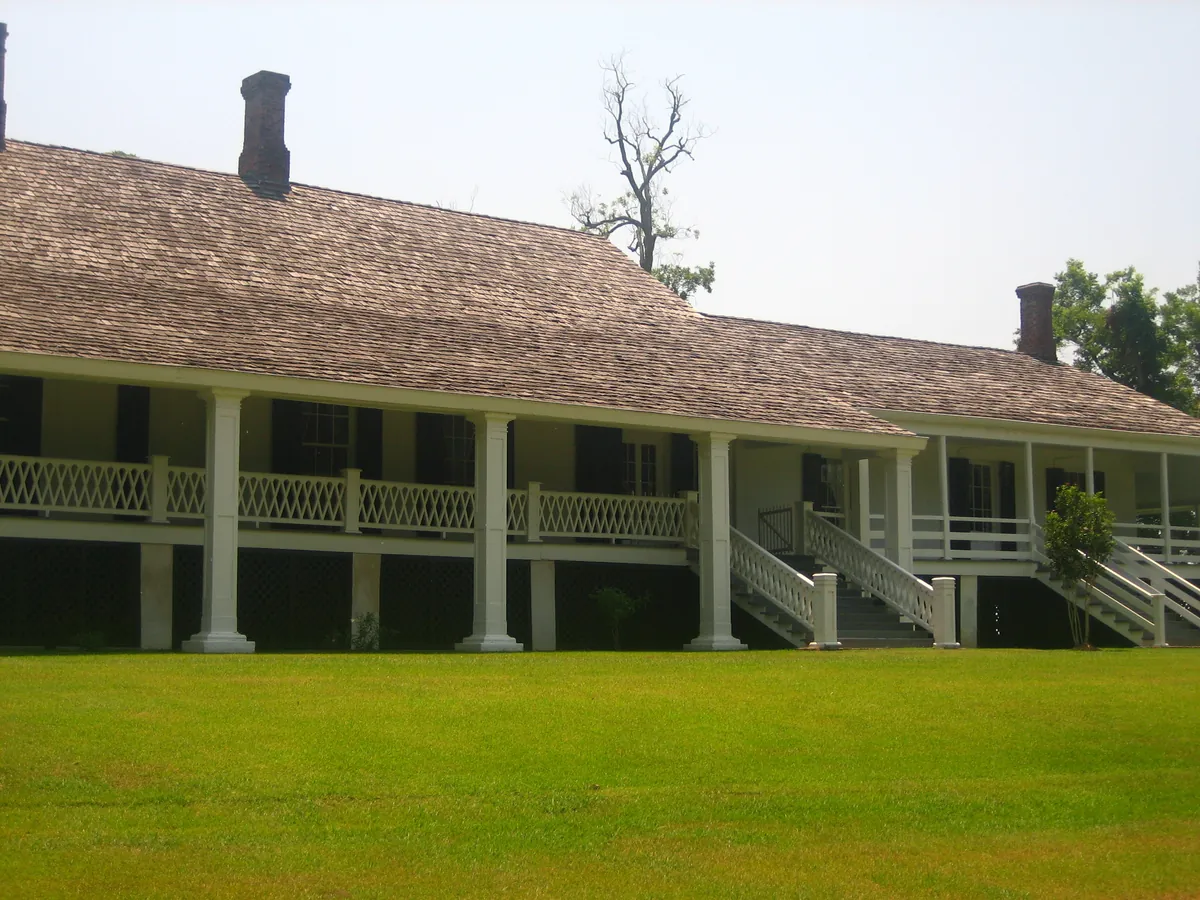
In the winter of 1863-64, after Vicksburg fell, Grant's army occupied the Mississippi Delta and burned nearly everything standing along the Tensas River. Winter Quarters, an 1805 house on a ridge near Newellton, is the only plantation home still standing on that stretch -- not by luck, but because its overseer got there first: written letters of protection from Union Generals McPherson and Smith, secured on the strength of owner Haller Nutt's known Union sympathies. Grant ordered it spared. Union troops wintered in the house instead of burning it. The house is now a state historic site with interpretive exhibits on the Vicksburg campaign -- the grinding winter that turned northeast Louisiana into a corridor of war. The National Register property opens Wednesday through Sunday. It's a rare piece of built evidence from a campaign that remade the river -- standing today because someone made a bet on which side would win, and was right.
 3Nature & Parks·ModernTensas River National Wildlife Refuge
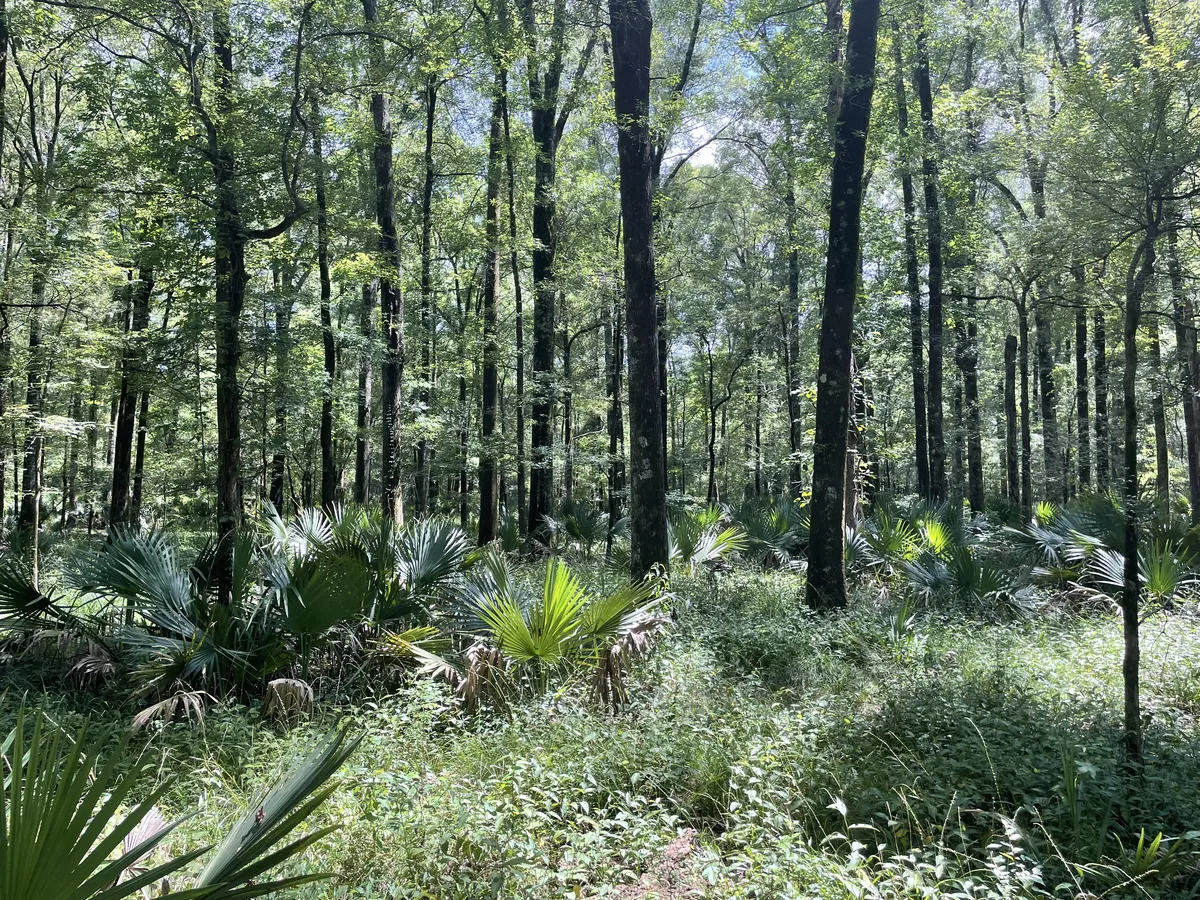
In 1932, Mason Spencer, a state representative from Tallulah, armed with a gun and a hunting permit, shot a male ivory-billed woodpecker on Singer Sewing Company land. He killed the bird to prove to the Department of Wildlife and Fisheries that the creature existed in Madison Parish — a matter that had been in dispute. The Tensas basin was the last documented home of the ivory-billed woodpecker. By 1938, the Audubon Society persuaded Senator Allen J. Ellender to work for a proposed Tensas Swamp National Park to preserve sixty thousand acres of Singer Company land. Ellender's bill died in committee. Congress established the refuge in 1980. The refuge occupies 71,000 acres of bottomland hardwood forest in the upper basin of the Tensas River, west of Tallulah in Madison, Tensas, and Franklin parishes. It holds one of the last concentrations of the Louisiana black bear. In 1907, Theodore Roosevelt hunted black bear just north of the refuge boundary. The famous "teddy bear" was introduced as a result of an incident during the hunt. Concentrations of ducks, geese, raptors, wading birds, and shorebirds are present. Several rookeries are in the reserve. Oxbow lakes and cypress swamps are in the refuge. A scenic auto tour route and walking trails run through the refuge. A visitor center has exhibits on delta ecology.
 4Nature & Parks·ModernVidalia Riverfront Park & Conference Center
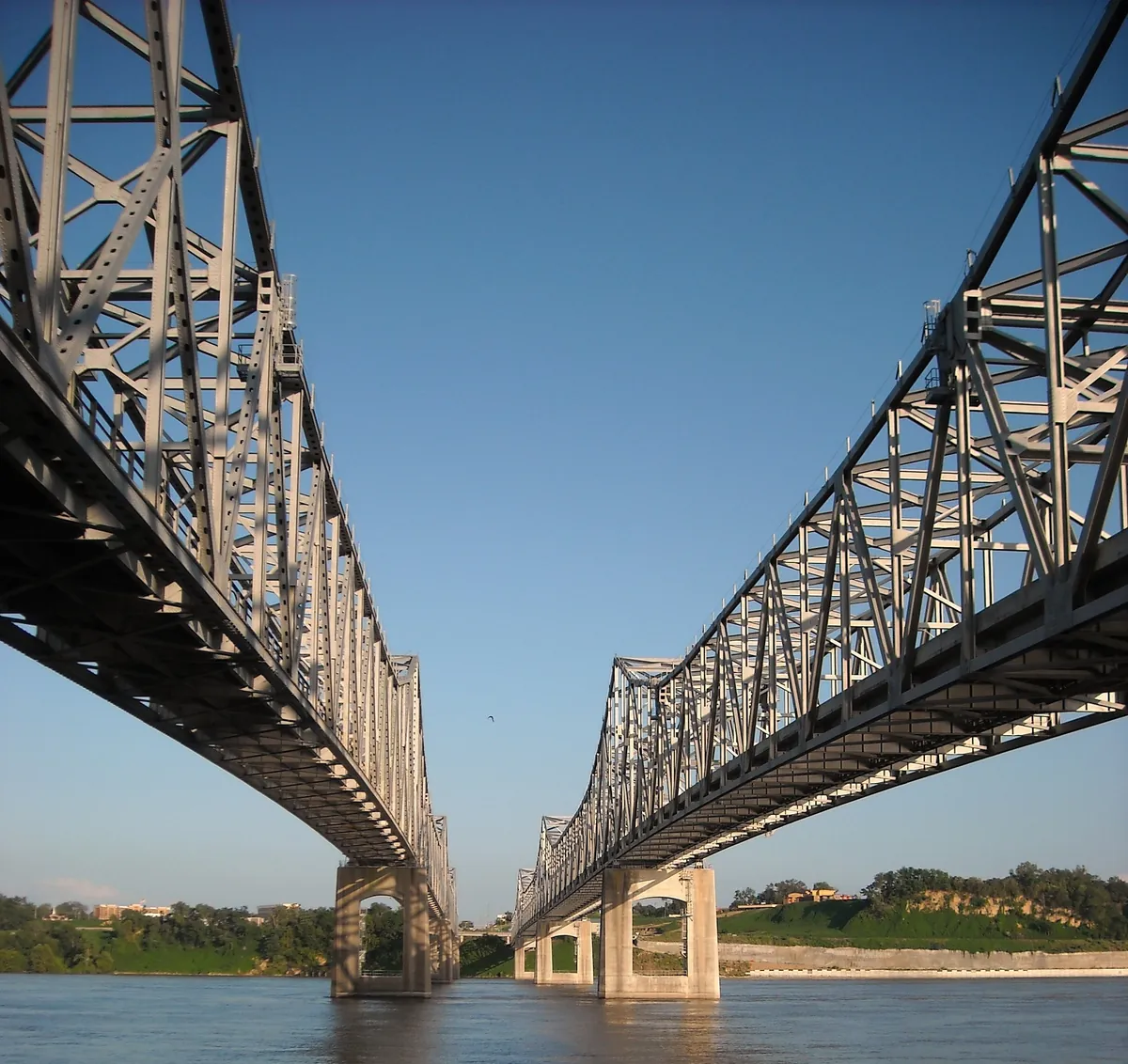
The Mississippi divides here — Louisiana at river level, Natchez up on the bluff across the water. Vidalia Riverfront Park sits on the floodplain with walking paths that trace the levee and an amphitheater for summer concerts. The view is straightforward: the river, the bluff rising on the far bank, the Natchez skyline spreading along the ridge. When visitors photograph Natchez from the river, this is where they stand. The Jim Bowie sandbar duel happened somewhere near here — the knife fight that became the Bowie legend. The exact spot is lost to the river's shifts and a century of competing claims, but the park marks the ground. The Vidalia Conference and Convention Center occupies part of the site. Access is free from dawn to dusk. The river does the rest.