Camille to Katrina — The Coast That Keeps Coming Back
The eye of Katrina crossed the coast at Waveland with a 28-foot storm surge. Camille hit Pass Christian in 1969 with 200 mph winds. This trip drives through the geography of both storms — from the museum built inside Ground Zero to the pier that was rebuilt, the mansions that weren't, the lighthouse that bent but didn't break, and the 500-year-old oak that survived them all.
The route
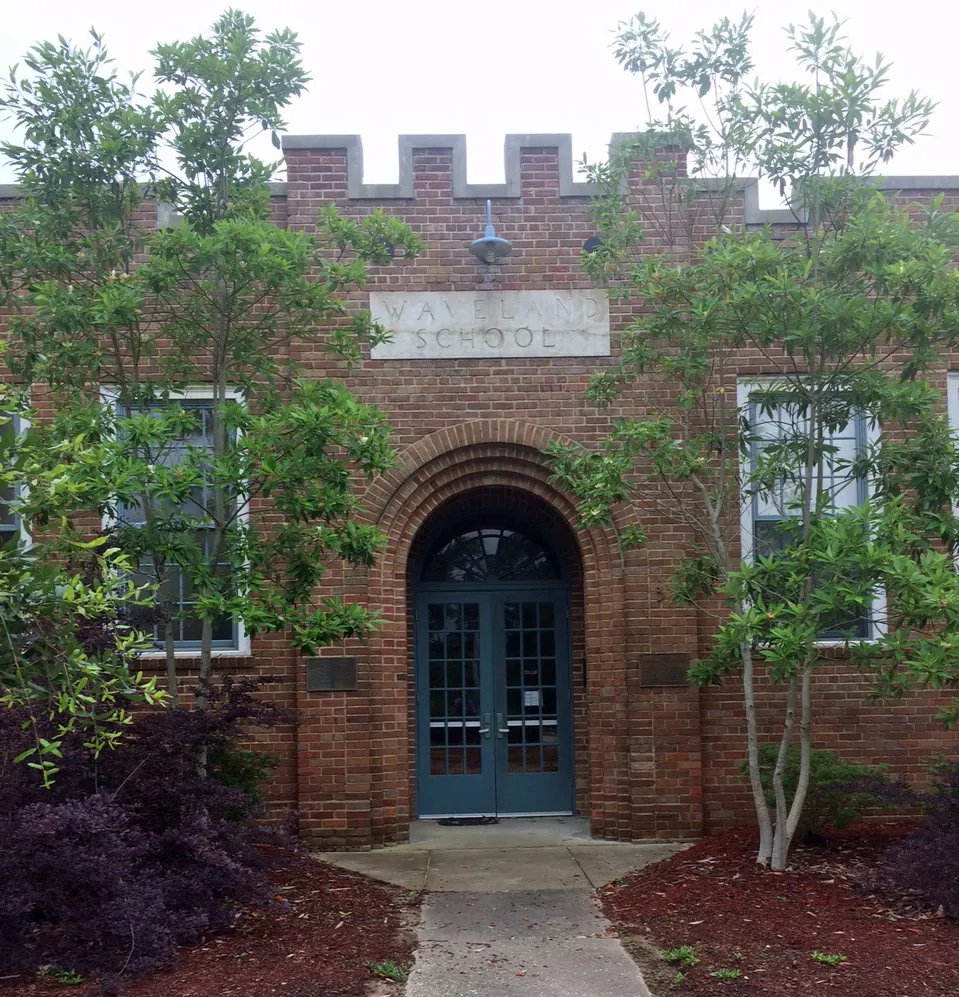 1Museum·1927 (school) / 2011 (museum)·NRHPGround Zero Hurricane Museum
The museum sits in the 1927 Waveland Elementary School, one of the few structures that survived when the eye of Hurricane Katrina passed directly overhead on August 29, 2005. Ninety-five percent of Waveland was destroyed. The population dropped from 6,674 to under 3,000. The school building that held is now on the National Register of Historic Places. Inside, the exhibits trace Hancock County history from indigenous peoples through the space program — not just a disaster museum, though the storm's story is here. Waveland was the exact point of landfall. What came through that day, and what didn't, tells you what the Coast is made of. The building itself is proof: brick and mortar that stood when almost nothing else did. Admission is free. Open Monday through Saturday. Plan 45 minutes to an hour. You're standing in a town that lost nearly everything and rebuilt anyway. The museum is small, but the fact that it exists at all — in this building, in this town — is the point.
 2Architecture·c. 1840s–1969/2005·NRHPScenic Drive Historic District
The live oaks on Scenic Drive are older than any building on the street. Before Katrina, 135 historic properties lined this beachfront boulevard in Pass Christian — some dating to the 1840s. It was the address of choice for New Orleans plantation families escaping yellow fever season. Woodrow Wilson and Theodore Roosevelt both vacationed here. Hurricane Camille destroyed most of the pre-war houses in 1969. They were rebuilt. Katrina took them again in 2005. Of 135 historic properties, only 5 survived Katrina's storm surge. The trees survived both storms. Drive the full length of Scenic Drive — now Beach Boulevard, Highway 90 — for the best Gulf views between Bay St. Louis and Pass Christian. The oaks are still there.
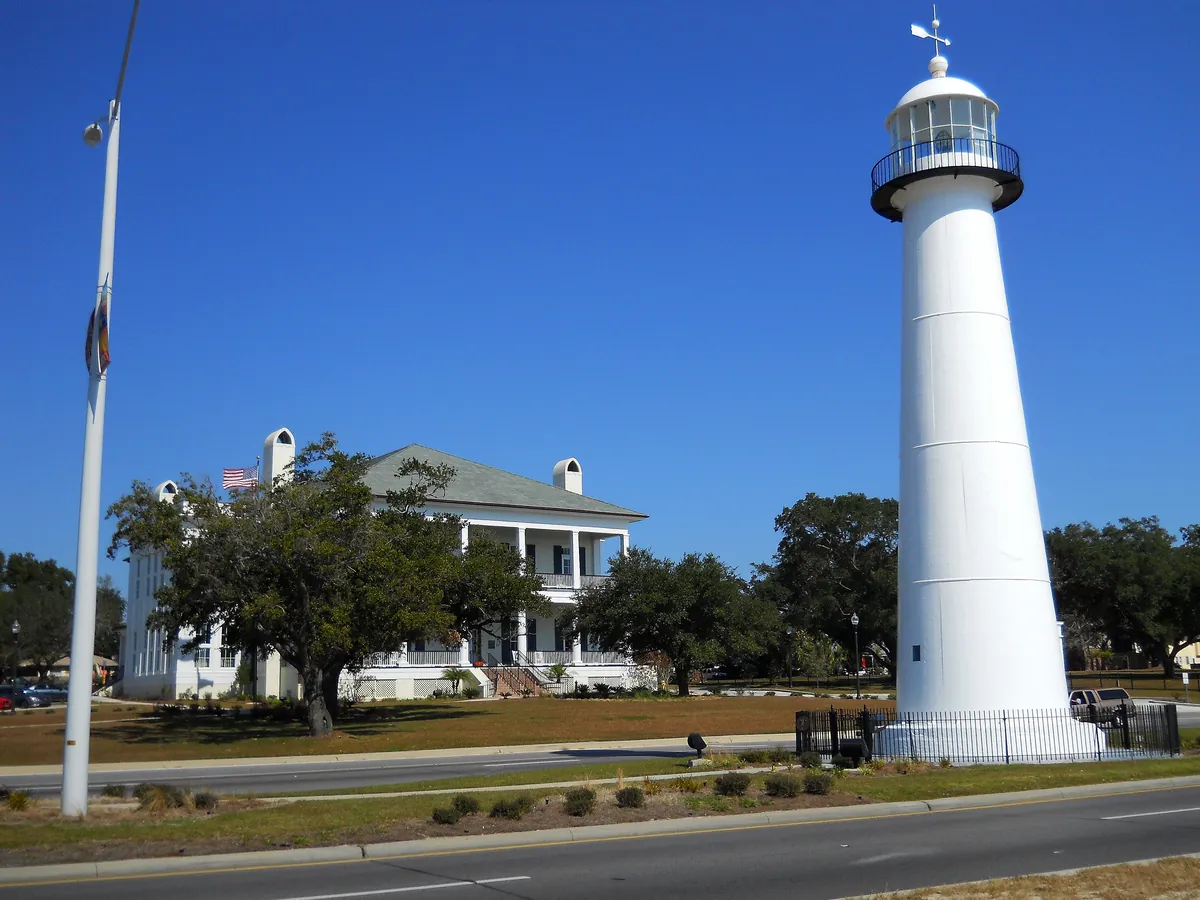 3Cultural Heritage·1848·NRHPBiloxi Lighthouse
The only lighthouse in America that stands in the median of a highway. Built in 1848, the 65-foot cast-iron tower survived the Civil War, Hurricane Camille, and Hurricane Katrina — though Katrina's surge buried it to the gallery level. It was fully restored and reopened in 2010. Maria Younghans kept the light burning for 53 years, from 1867 to 1920, making her one of the longest-serving lighthouse keepers in U.S. history. The lighthouse sits in the center of U.S. Route 90, traffic passing on both sides, because the highway was built around it — Biloxi refused to tear it down.
- 4Nature & Parks·c. 1500Friendship Oak
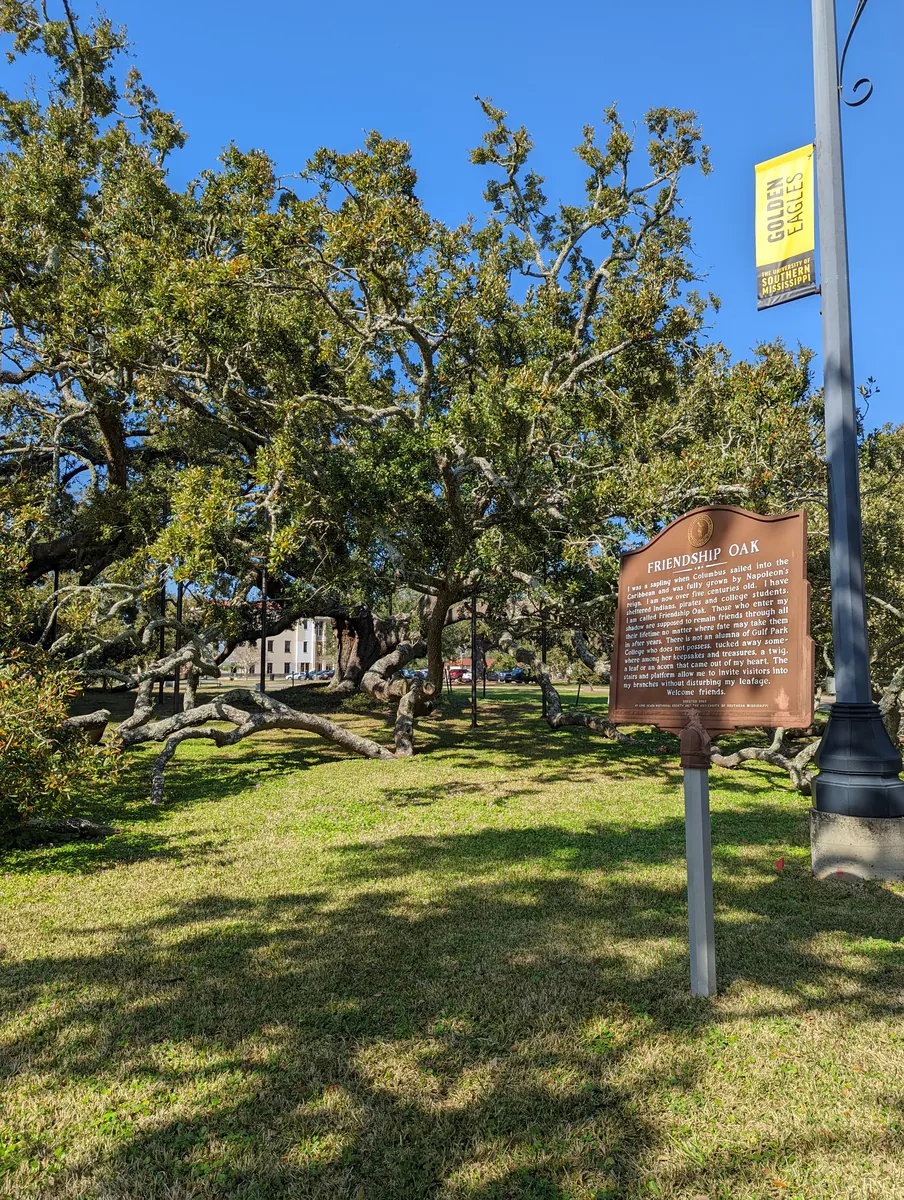
A southern live oak that dates to 1487 — when it was a sapling, Columbus had not yet crossed the Atlantic — stands on the Gulf Park campus of the University of Southern Mississippi in Long Beach. By the time the campus opened as Gulf Park College for Women in 1921, Friendship Oak was already 430 years old. According to legend, anyone who walks beneath its branches will remain friends for the rest of their lives. In the 1920s, poet Vachel Lindsay taught at Gulf Park College for Women and read poetry to students beneath the oak. In 1950, Life magazine featured the tree in an article about Gulf Park College, where students attended classes under its canopy. Friendship Oak became the 110th tree registered with the Live Oak Society; at registration circa 1940, the trunk circumference measured 14 feet. In August 2011, the Mississippi Forestry Commission measured the tree at 59 feet in height with a trunk circumference of 19.8 feet and crown spread of 155 feet. The crown covered approximately 16,000 square feet. Main lateral limbs averaged 60 feet from the trunk with an average circumference of 7.5 feet at the trunk. Lateral roots extended 150 feet. In August 2017, one of the main limbs broke due to the weight of new growth and heavy rain; the failed limb was removed in October 2017, and bracing was installed to support other limbs. Hurricane winds have defoliated the oak and subjected its roots to seawater pushed inland as storm surges. The tree survived Hurricane Camille's 200-mph winds in 1969 and Hurricane Katrina's 28-foot storm surge in 2005. At least twice since the mid-1950s, acorns from Friendship Oak have been gathered to produce seedlings for replanting along the Mississippi Gulf Coast to replace live oaks destroyed by Hurricanes Camille and Katrina. Numerous weddings have taken place beneath its branches, most celebrated by former students of Gulf Park College or the University of Southern Mississippi. Free to visit anytime, on the USM Gulf Park campus in Long Beach, right off Beach Boulevard.