Creole cuisine is Catholic-French cooking preserved in a Protestant-American country. Antoine's, founded 1840, is the oldest family-run restaurant in the United States — a chef who trained there in 1890 could still read the menu today. The Sazerac was perfected at its namesake bar. The muffuletta was assembled at Central Grocery in 1906 by Salvatore Lupo, a Sicilian immigrant needing to move bread. Bananas Foster came out of Brennan's in 1951 to sell surplus fruit off the docks. None of this was invented for tourists.
The route
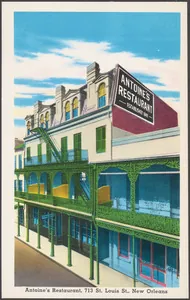 1Food & Drink·1840Antoine's Restaurant
Antoine Alciatore was eighteen years old and homesick for Marseille when he opened a restaurant at 713 Rue St. Louis in 1840. The French Quarter was barely a century old, built on silt the Mississippi had deposited over millennia, and New Orleans was already the largest port in the Southern United States. Alciatore cooked the food he missed. What he started became one of the oldest family-run restaurants in the United States — same family since 1840 (the building moved once, in 1868, to its current address at 713 St. Louis Street). When Antoine died in 1875 at fifty-five, his wife Julie ran the restaurant while their son Jules trained in France. Jules returned in 1887 and took over until 1934. He bought property as it became available around the original building — a former slave quarters, a carriage house — until Antoine's could seat 800 people across fifteen dining rooms. Each room carries a theme. The Rex Room displays Mardi Gras memorabilia from a century of Carnival royalty. During Prohibition, the staff carried alcohol in coffee cups through the ladies' restroom into the Mystery Room. The Japanese Room closed at the beginning of World War II and stayed closed for forty-three years. In 1899, Jules invented Oysters Rockefeller. He never revealed the recipe. The original contains no spinach. Pompano en papillote was invented here. The restaurant still serves Haute Creole — the current owner's term for innovative, sophisticated Creole cooking with strong French traditions. The menu is not seasonal. It features turtle, pompano, redfish, shellfish, preparation techniques that reflect a French aesthetic. There has been very little Cajun influence throughout its history, no Italian foods. New Orleans sits below sea level. Cellars flood. Antoine's has a wine alley instead: a corridor 165 feet long, lined by wine racks, air-conditioned, with a 25,000-bottle capacity. When Hurricane Katrina hit in 2005, the French Quarter stayed above the flooding but the winds damaged part of Antoine's roof and knocked down a section of exterior wall. The climate-control system failed. The entire wine cellar was lost. The restaurant reopened on December 29, 2005. Two years later it nearly declared bankruptcy. It survived. Aspiring servers spend two to three years in the apprentice program before they make waiter. Jacket required in the main dining room. Reservations recommended. The restaurant closes to the general public on Thanksgiving, Christmas, and Mardi Gras, though it can be reserved for private parties. Go because something that opened in 1840 is still run by the family that opened it, still serving the food Jules invented when New Orleans was the trade mouth of a continent.
 2Food & Drink·1918Arnaud's French 75 Bar
The French 75 was named for the French 75mm field gun — the drink was supposed to hit with similar force. At Arnaud's French 75 Bar, the version served contains cognac, champagne, lemon, and sugar, and many consider it the best in the world. The bar won the James Beard Award for outstanding bar program. Arnaud Cazenave, a French wine salesman who immigrated to New Orleans in 1902, opened his restaurant on Bienville Street in 1918. The restaurant has always had a bar, which stayed open during Prohibition. For part of its history, the bar was men-only and known as the Richelieu Bar. The bar was renovated in 2003 and took the name French 75 Bar. The bar is a small, dark, wood-paneled space off the main dining room, decorated with Carnival memorabilia from a century of Arnaud's krewe participation. Germaine Wells, Cazenave's daughter who took over management of the restaurant at his death in 1948, was active in Mardi Gras and served as queen of several krewes. Her collection is now housed in the Germaine Cazenave Wells Mardi Gras Museum within the restaurant. In 2010, Esquire included the French 75 Bar as one of fifteen bars worthy of a visit as a destination. Cocktail attire appreciated.
 3Food & Drink·1938Sazerac Bar — Roosevelt Hotel
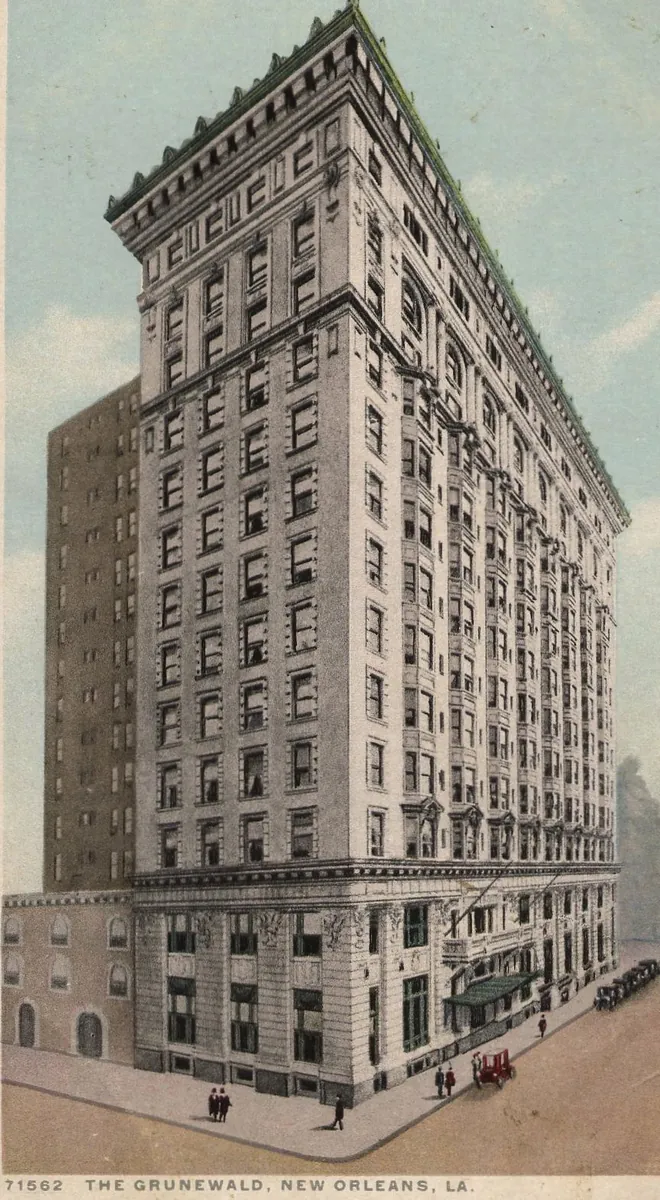
The Sazerac — rye, Peychaud's bitters, absinthe rinse, sugar, lemon peel — was invented in New Orleans in the 1850s and is now the official cocktail of the city. The bar named for it opened in 1938 inside the Roosevelt Hotel with original Paul Ninas murals and a 150-foot bar. Huey Long held political court in the Roosevelt's lobby above. The hotel itself opened in 1893 as the Grunewald. It survived floods and collapses and a complete restoration in 2009. The Sazerac here is made the same way it has been for 85 years. The bar is on Baronne Street in the CBD, open daily, no reservations.
 4Food & Drink·1906Central Grocery — Muffuletta Origin
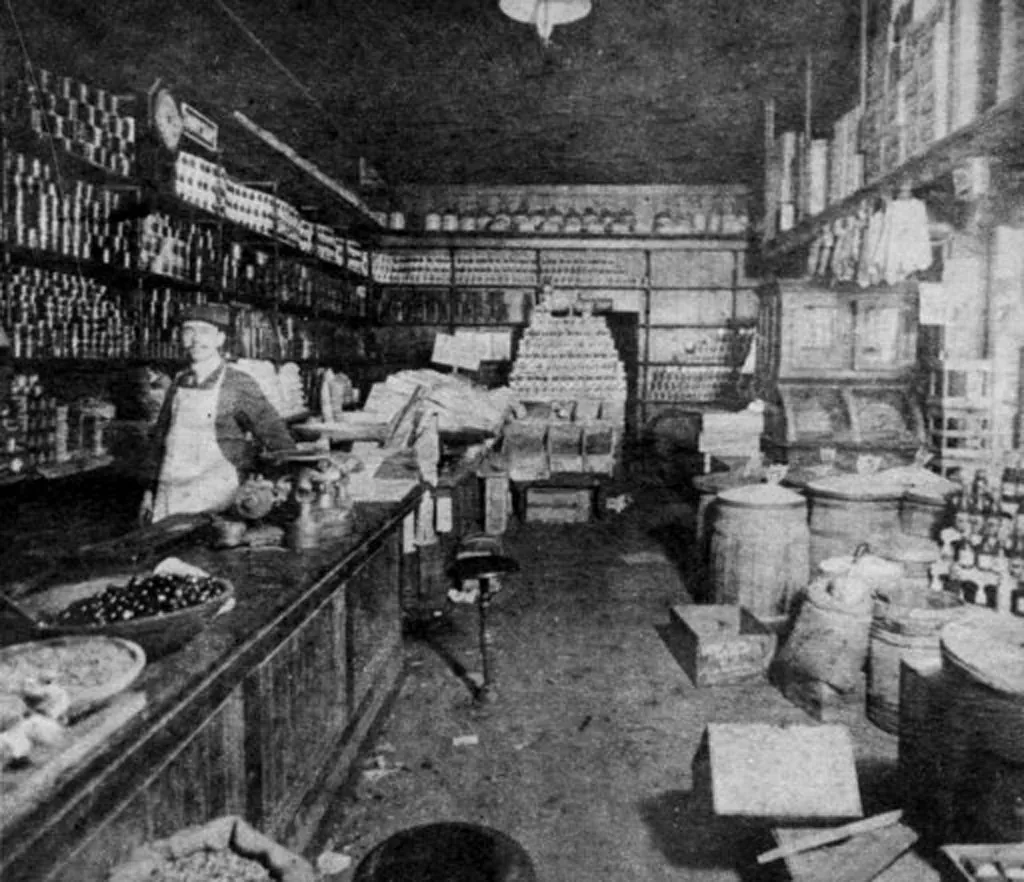
A Sicilian immigrant named Salvatore Lupo watched Italian dock workers juggle their lunch — bread in one hand, cold cuts in another, cheese and olive salad balanced somewhere in between. In 1906, he stacked it all on a round sesame loaf. The muffuletta was born at 923 Decatur Street, in a French Quarter that was still a residential neighborhood of family groceries, not yet the tourist district it would become. The sandwich is ten inches across and weighs two pounds. It feeds two. Central Grocery has sold them for over a century, first under Lupo, then his son-in-law Frank Tusa from 1946, and now under Salvatore's grandson Salvador T. Tusa and two cousins. The store still sells the ingredients by the jar — olive salad, Italian and Creole delicacies, and perennial oddities in the front windows like chocolate-covered grasshoppers and bees in soy sauce. Much of the old-world market feel survived the shift from neighborhood staple to national television feature. Hurricane Ida damaged the roof in August 2021. Hurricane Nicholas made it worse. After substantial rebuilding, Central Grocery reopened at the original location in December 2024. Check current hours — the recovery may still affect operations. This is the city's most important contribution to American deli culture, and it's still here.
 5Civil Rights·1941Dooky Chase's Restaurant
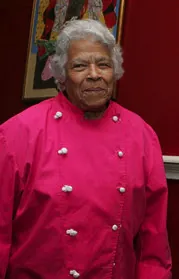
Leah Chase ran the kitchen at Dooky Chase's Restaurant for over seventy years, and during the 1960s, the upstairs meeting rooms became one of the only public places in New Orleans where African Americans could gather to plan civil rights strategy. She served gumbo and fried chicken to A. P. Tureaud, Ernest "Dutch" Morial, Martin Luther King Jr., and the Freedom Riders while they held meetings the city knew were happening but could not shut down without risking public backlash. When King and the Freedom Riders came to organize the Montgomery bus boycott, they met with civil leaders from New Orleans and Baton Rouge in those rooms to learn from the Baton Rouge Bus Boycott—the lessons from Baton Rouge inspired the plan and organization of the Montgomery boycott. Chase married jazz trumpeter Edgar "Dooky" Chase II in 1946. His parents had founded a street corner stand in Tremé in 1941 that sold lottery tickets and po-boy sandwiches. During the 1950s, Leah began working in the kitchen, and she and Dooky converted the stand into a sit-down restaurant. She updated the menu to reflect her own family's Creole recipes and added dishes like Shrimp Clemenceau that had been available only in whites-only establishments. On Friday nights, she and her husband cashed checks for trusted patrons at the bar. Chase was born in 1923 in Madisonville, Louisiana, to Catholic Creole parents of African, French, and Spanish ancestry. She moved to New Orleans to attend St. Mary's Academy because Madisonville did not have a Catholic high school for Black children. After high school, she worked as a waitress at the Colonial Restaurant and The Coffee Pot in the French Quarter. She was fifty-four the first time she visited an art museum—museums were segregated in the Jim Crow South. After her husband gave her a Jacob Lawrence painting, she began collecting African-American art, eventually displaying dozens of paintings and sculptures by artists including Elizabeth Catlett and John T. Biggers. The collection became one of the most significant collections of African-American art in private hands. Hurricane Katrina flooded the restaurant in 2005. Chase and her husband spent more than a year living in a FEMA trailer across the street. The New Orleans restaurant community held a benefit lunch on April 14, 2006, that raised forty thousand dollars for the eighty-two-year-old Chase. After reopening, she fed U.S. Presidents George W. Bush and Barack Obama. She received the James Beard Lifetime Achievement Award in 2016. In 2018, Food & Wine named Dooky Chase's one of the forty most important restaurants of the past forty years. Chase died in 2019 at ninety-six. Her family continues to operate the restaurant. Come for the Creole gumbo—Ray Charles sang about it in "Early in the Morning," and it is not negotiable.
 6Food & Drink·1893Commander's Palace
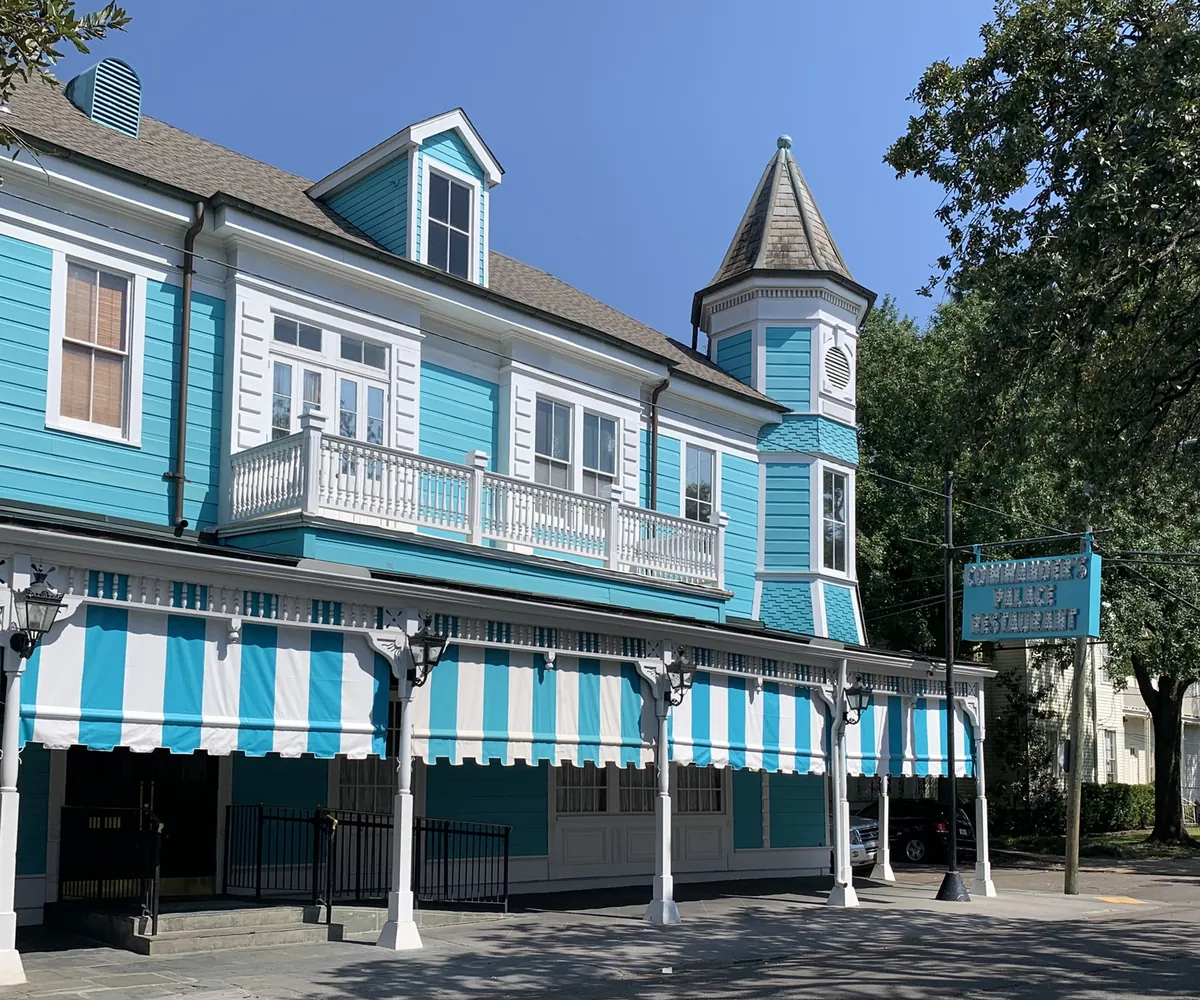
Emile Commander opened a saloon at the corner of Washington Avenue and Coliseum Street in 1893. Within a few years he turned it into a restaurant patronized by the distinguished families of the Garden District. By 1900 Commander's Palace was attracting gourmets from all over the world. The turquoise-and-white Victorian mansion sits across from Lafayette Cemetery. In 1969, the Brennan family purchased it and began a redesign — large windows replaced walls, custom trellises and paintings were commissioned to complement the outdoor setting. What emerged was a kitchen that produced more great chefs than any other in the city. Paul Prudhomme ran it. Emeril Lagasse ran it. Tory McPhail ran it. Hurricane Katrina damaged the restaurant extensively in 2005. After a full renovation, it reopened October 1, 2006. The James Beard Foundation awarded it Most Outstanding Restaurant in 1996. Tory McPhail won Best Chef: South in 2013. Ella Brennan received the Lifetime Achievement Award in 2009. Since 2012, Wine Spectator has given Commander's Palace its Grand Award. Zagat listed it as the Most Popular Restaurant in New Orleans for eighteen years. The 25-cent martini lunch remains a New Orleans institution. Turtle soup and bread pudding soufflé are non-negotiable. Jacket required at dinner. Reservations strongly recommended.
 7Historic Site·1848·NHLU.S. Customhouse
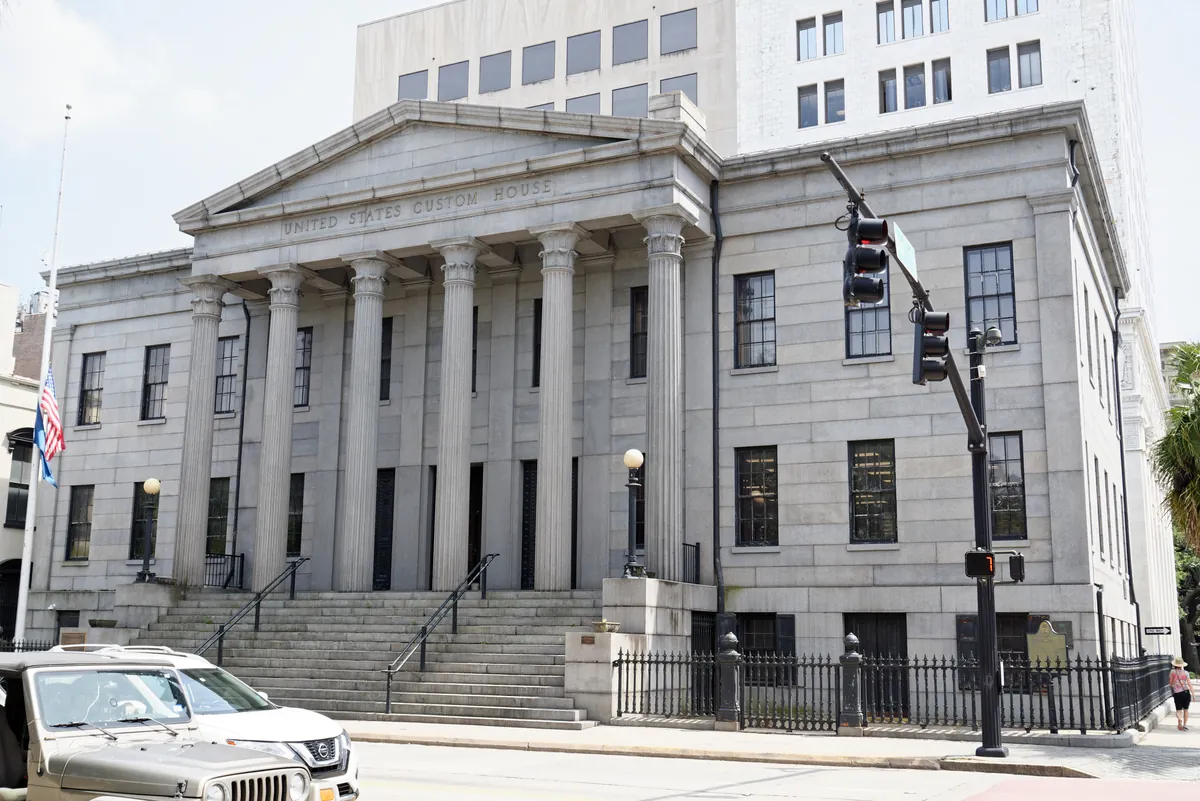
New Orleans was the largest port in the Southern United States throughout the 19th century, exporting most of the nation's cotton output and other farm products to Western Europe and New England. Every bale, barrel, and cask passed through this building — a fortress-scale customhouse that took 33 years to finish, longer than any other federal building of its era. Construction began in 1848 under architect Alexander Thompson Wood, who died before completion. The Civil War halted work for five years. During the occupation of New Orleans, General Benjamin Butler claimed the unfinished building as Union headquarters. When the granite and marble finally stopped rising in 1881, the Customhouse occupied an entire city block at 423 Canal Street. The Marble Hall runs 128 feet long, 84 feet wide, and 54 feet high. Fourteen white marble columns hold up a skylight ceiling. This is the room where clerks tallied the flow that made New Orleans what it was — the cotton that fed Lancashire mills, the sugar bound for Boston refineries, the coffee headed to New York docks. The largest city in the South at the start of the Civil War built a customhouse to match the scale of what moved through it. The building now houses the Audubon Insectarium. Open daily. Walk the Marble Hall and you're standing in the accounting room of an empire's supply line.