The 17th Street Canal floodwall failed on the Orleans side on August 29, 2005. The Jefferson side held, and Bucktown survived. This drive follows the lakefront the parish has always faced — starting at the broken canal, then through Bucktown, the 1850s stilt-camp fishing village whose speakeasies fed Jelly Roll Morton's early gigs. Deanie's has sold seafood off the boats since 1961; R&O's roast beef po-boy holds the corner across the street. East of there, Bonnabel and Southport are where serious anglers launch at dawn. Jefferson Parish was a lake parish before it was a suburb.
The route
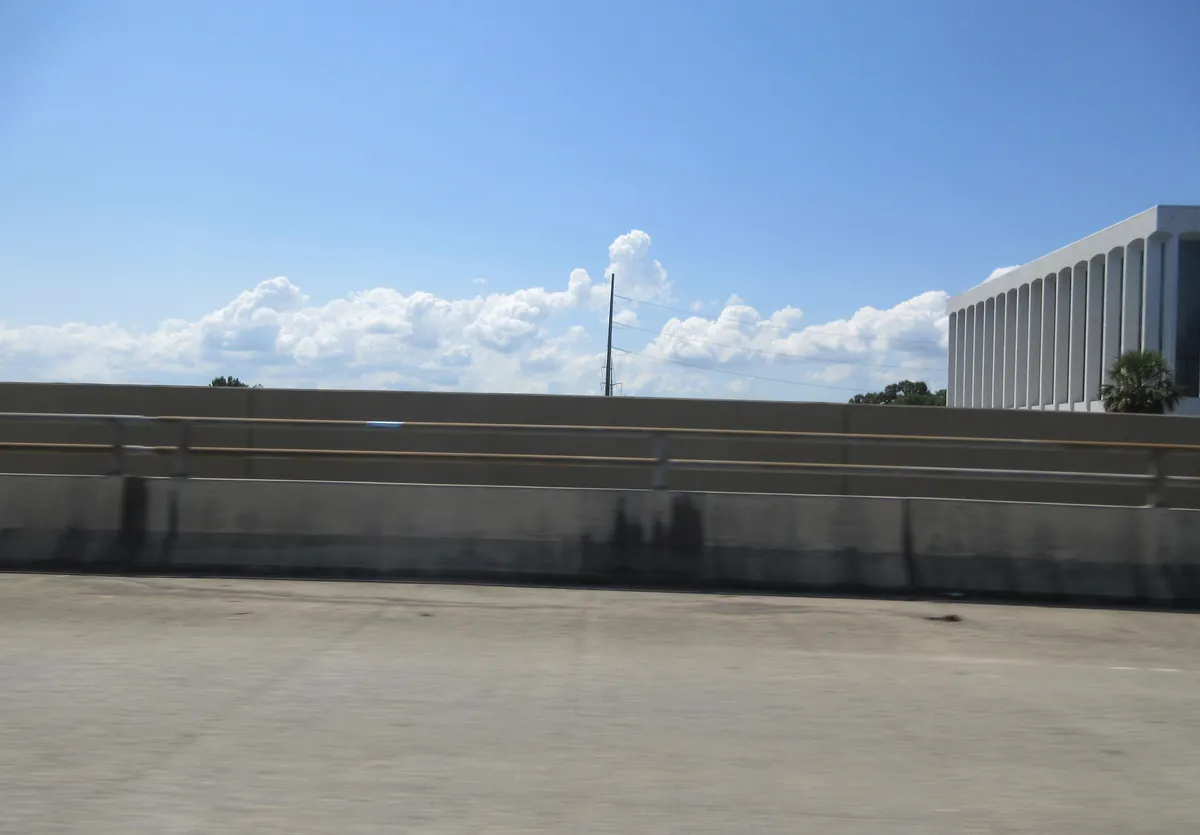 1Historic Site·1858–present17th Street Canal
The 17th Street Canal marked the border between two parishes and two fates. When the floodwall on the Orleans side split open at 6:30 am on August 29, 2005 — water five feet below the design limit, a 450-foot breach — Jefferson Parish stayed dry while Lakeview drowned. Thirty-one people were recovered from the flooding that poured through. The canal had been dug in 1858 to drain swampland. A. Baldwin Wood's early-20th-century pumps still run at Station 6, which before Katrina moved 9,200 cubic feet per second into Lake Pontchartrain, more than the Orleans and London Avenue canals combined. New Orleans is a city built against water. The Mississippi deposited the land around 2200 BCE; French settlers chose a natural levee in 1718 because it was relatively high ground. Everything since has been engineered refusal. After Hurricane Betsy, levees were raised. After Hurricane Georges in 1998 pushed lake water within inches of topping the floodwall, the canal was upgraded and considered in good shape by 2005. Sonar after Katrina found the steel sheet pilings 7 feet shorter than specifications. The Corps had misinterpreted a 1980s load test and driven pilings to 17 feet instead of the necessary 31 to 46. In 2008, a federal court placed responsibility on the Corps; the Flood Control Act of 1928 shields it from liability. Post-Katrina repairs included storm-surge gates, a permanent pump station, and reinforced walls. In 2010, a grassroots group installed a plaque at the breach site noting 50 ruptures in the federal flood protection system that day. The canal still forms the Jefferson-Orleans line — the place where two parishes survived the same storm differently.
 2Nature & Parks·1850s–presentBucktown Harbor & Marsh Boardwalk
In the 1850s, fishermen built stilt camps over Lake Pontchartrain and called the settlement Bucktown — either for the young bucks who came looking for trouble, or for a local fisherman named Oliver "Buck" Wooley. During Prohibition, speakeasies lined the waterfront, and Jelly Roll Morton wrote "Bucktown Blues" about them. The village has outlasted the storms and the bootleggers both. The harbor sits where the 17th Street Canal meets the lake — the same canal that failed during Hurricane Katrina. What endures now is a 75-acre park with commercial and private boat slips, three lighted pavilions facing the water, and a 1,000-foot boardwalk crossing a 3.5-acre man-made wetland. The marsh was built to do what the city has always needed: hold back water, filter what comes through, make solid ground out of what wants to sink. Deanie's Seafood and R&O's sit at the harbor's edge. Go for the boiled seafood, stay because the pavilions catch the breeze off Pontchartrain and you can watch the boats come in the way people have for a century and a half.
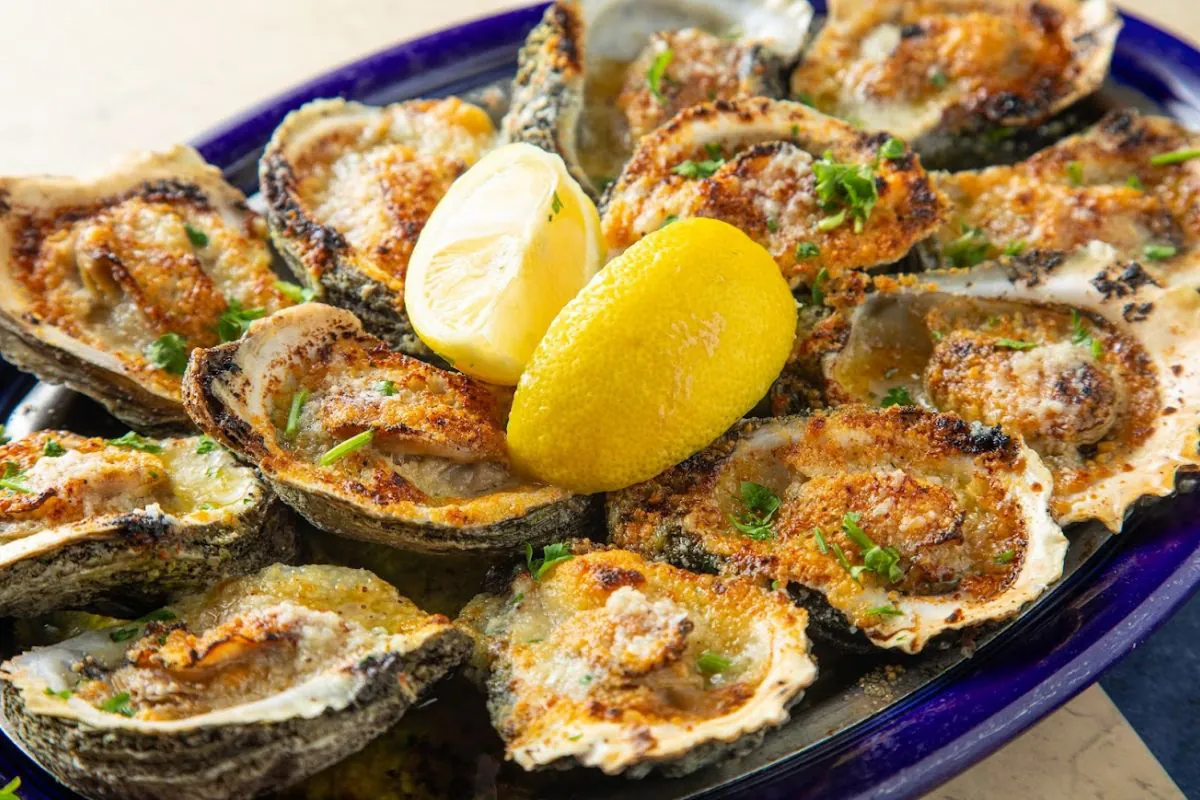 3Food & Drink·1961–presentDeanie's Seafood Restaurant & Market
John and Alma "Deanie" Livacari added restaurant service to their seafood market in 1961. The address is 1713 Lake Avenue in Bucktown—market on one side, full-service restaurant on the other. Three generations of the same family still operate both. This is the oldest continuously operating seafood market in the New Orleans area. New Orleans was the largest port in the Southern United States through the nineteenth century, exporting cotton and farm products to Western Europe and New England. The city was founded in 1718 on a bend in the Mississippi River that offered control of the entire river valley and access to the Gulf of Mexico via Lake Pontchartrain. What the port brought in—and what the lake and gulf still yield—shows up on the table at Deanie's. The fried seafood platter and BBQ shrimp are what the restaurant is famous for. This Bucktown location is the original. A French Quarter outpost came later. Cash and cards accepted. Expect a wait on Friday nights.
 4Food & Drink·1980s–presentR&O's Restaurant
The roast beef po-boy at R&O's consistently ranks among the area's best, which in a city built on the back of port trade — New Orleans was the largest port in the Southern United States throughout the 19th century, exporting cotton and farm products to Western Europe — means the stakes are real. Bucktown's Lake Avenue restaurant row still mixes commercial fishermen with Metairie office workers at lunch, and R&O's holds its own steps from Deanie's, serving the kind of food that survives on repeat business, not novelty. The thin-crust pizza is a local cult favorite — not what you came for, but what you order the second time. The lemon icebox pie is the signature dessert. The atmosphere is casual and family-style. No reservations are taken. Expect a wait. The restaurant is BYOB-friendly for wine; check current policy before you bring a bottle. Go for the roast beef. Stay because the room feels like what it is: a fixture of the lakefront, no performance required.
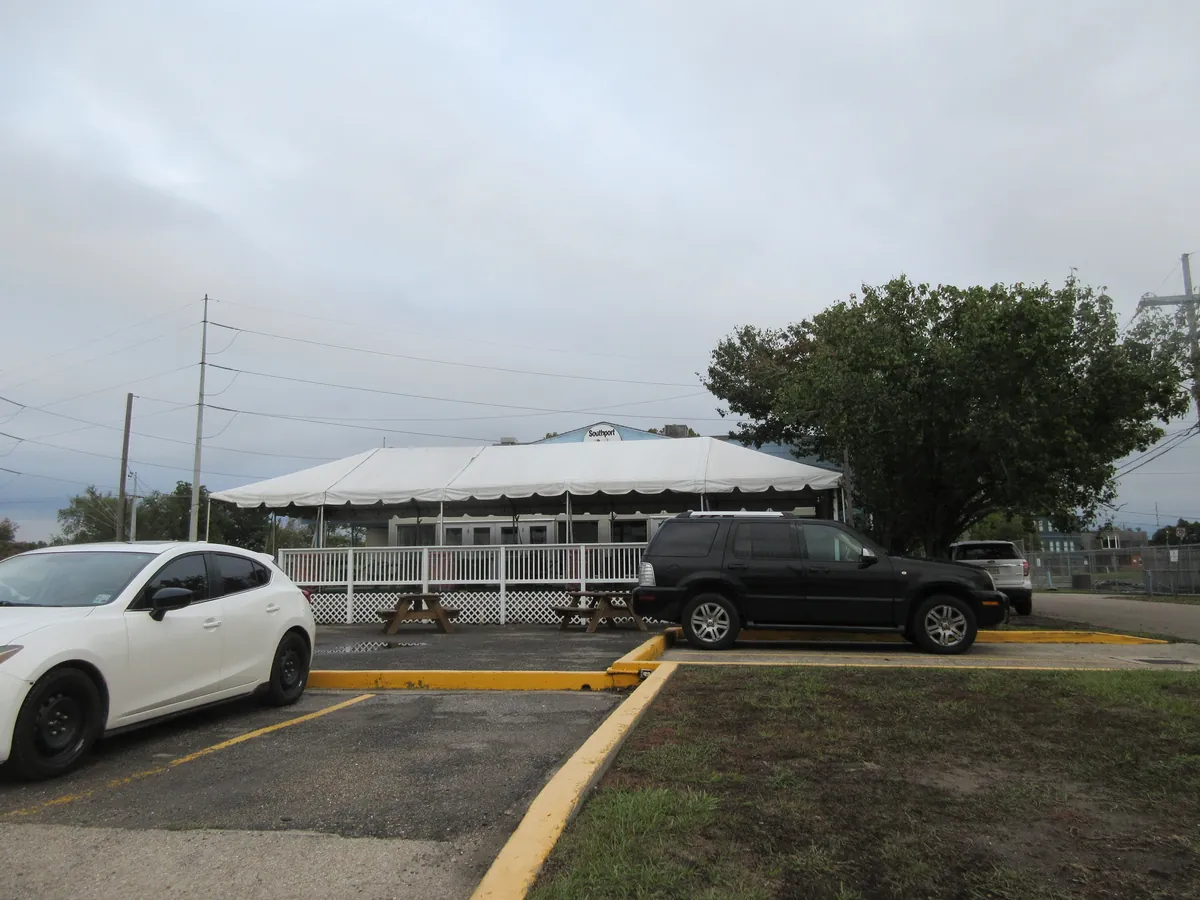 5Nature & Parks·1930s–presentSouthport
A string of fishing piers, boat launches, and camps along the Jefferson Parish lakefront east of Bucktown, developed in the 1930s as a recreational fishing destination. The area pulls speckled trout, redfish, and crab from Lake Pontchartrain. It was hit hard by Hurricane Katrina, but the piers and the culture keep coming back. New Orleans was founded in 1718 on a portage — the Native American trade route between Bayou St. John and the Mississippi River that offered access to Lake Pontchartrain. The city's relationship with this lake is old. Southport is where that relationship still plays out at dawn, when retirees and shift workers work the same water. It's a quieter alternative to the busier Bucktown marina. The boat launches stay open. The lines stay in. Sunrise fishing here is a Jefferson Parish tradition, and the tradition survived the storm.