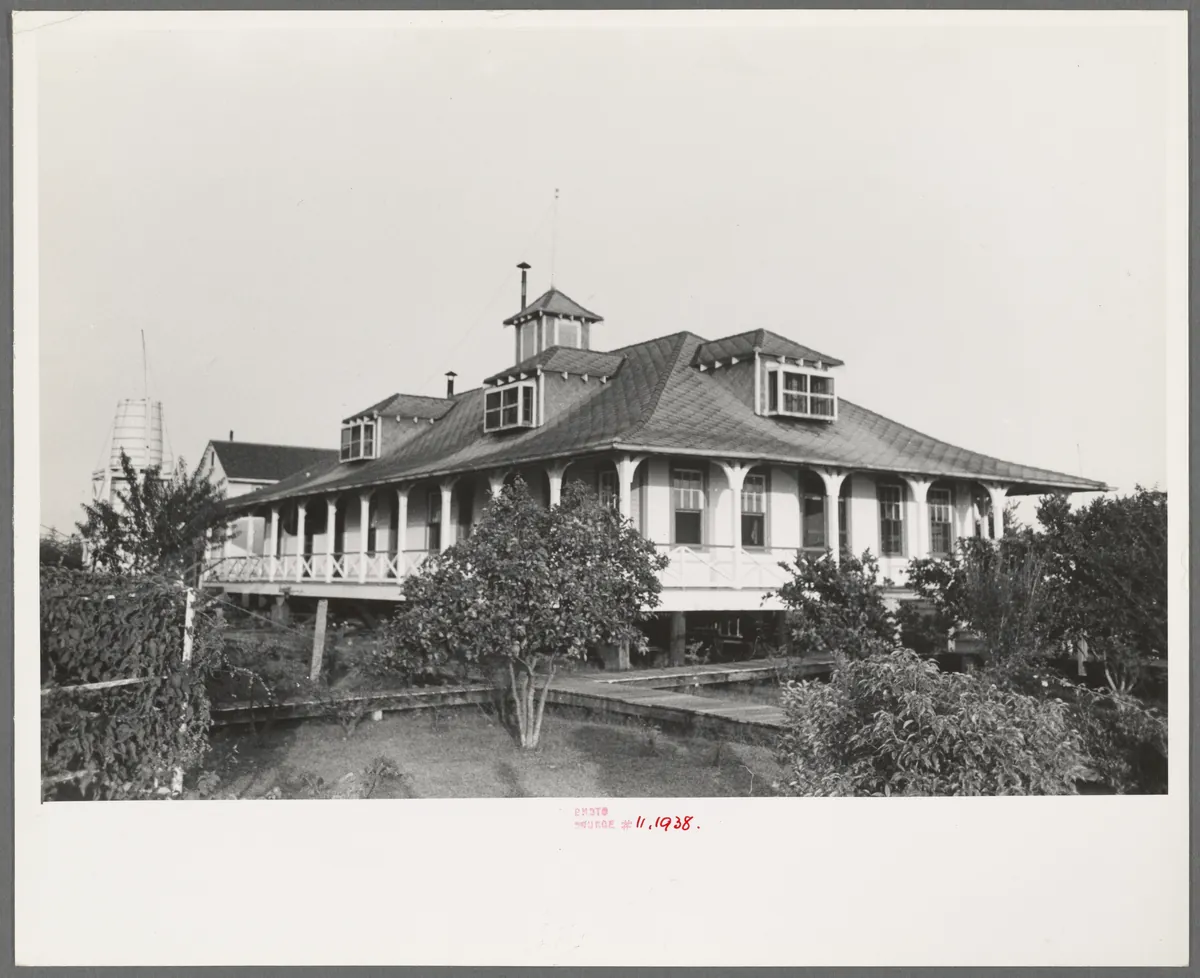
In the 1850s, fishermen built stilt camps over Lake Pontchartrain and called the settlement Bucktown — either for the young bucks who came looking for trouble, or for a local fisherman named Oliver "Buck" Wooley. During Prohibition, speakeasies lined the waterfront, and Jelly Roll Morton wrote "Bucktown Blues" about them. The village has outlasted the storms and the bootleggers both.
The harbor sits where the 17th Street Canal meets the lake — the same canal that failed during Hurricane Katrina. What endures now is a 75-acre park with commercial and private boat slips, three lighted pavilions facing the water, and a 1,000-foot boardwalk crossing a 3.5-acre man-made wetland. The marsh was built to do what the city has always needed: hold back water, filter what comes through, make solid ground out of what wants to sink.
Deanie's Seafood and R&O's sit at the harbor's edge. Go for the boiled seafood, stay because the pavilions catch the breeze off Pontchartrain and you can watch the boats come in the way people have for a century and a half.
- ·Fishing village dates to the 1850s — originally stilt camps over Lake Pontchartrain.
- ·Named either for 'young bucks' seeking trouble, or local fisherman Oliver 'Buck' Wooley.
- ·Prohibition-era speakeasies inspired Jelly Roll Morton's 'Bucktown Blues.'
- ·The 1,000-foot Marsh Boardwalk crosses a 3.5-acre man-made wetland.
- ·Bucktown Marina is a 75-acre park with commercial and private boat slips.
- ·Three lighted lakeside pavilions for picnicking.
- ·Adjacent to Deanie's Seafood and R&O's — two of the area's best restaurants.
- ·The 17th Street Canal, which borders Bucktown, became infamous during Hurricane Katrina.
More archive
Memories
Editorial content compiled with AI assistance. Place details verified against public records.