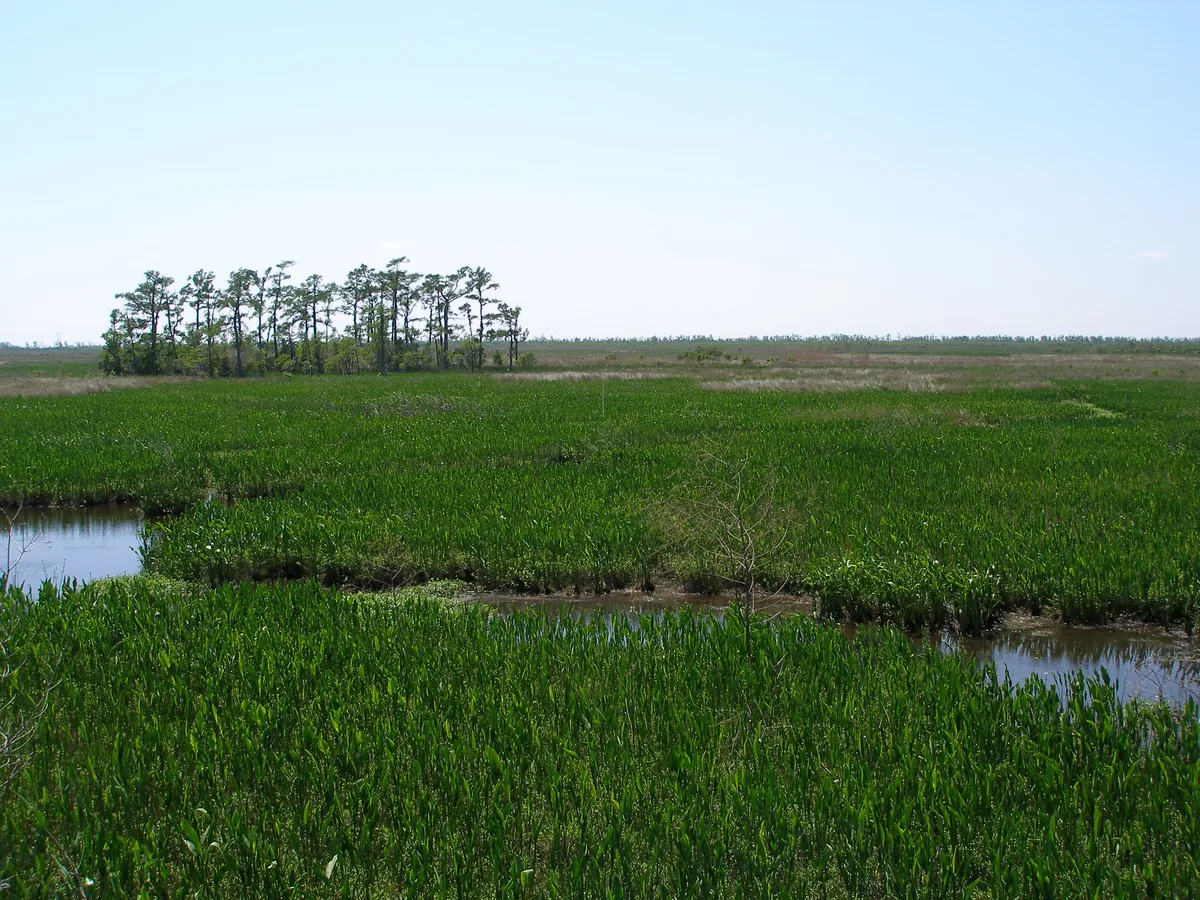
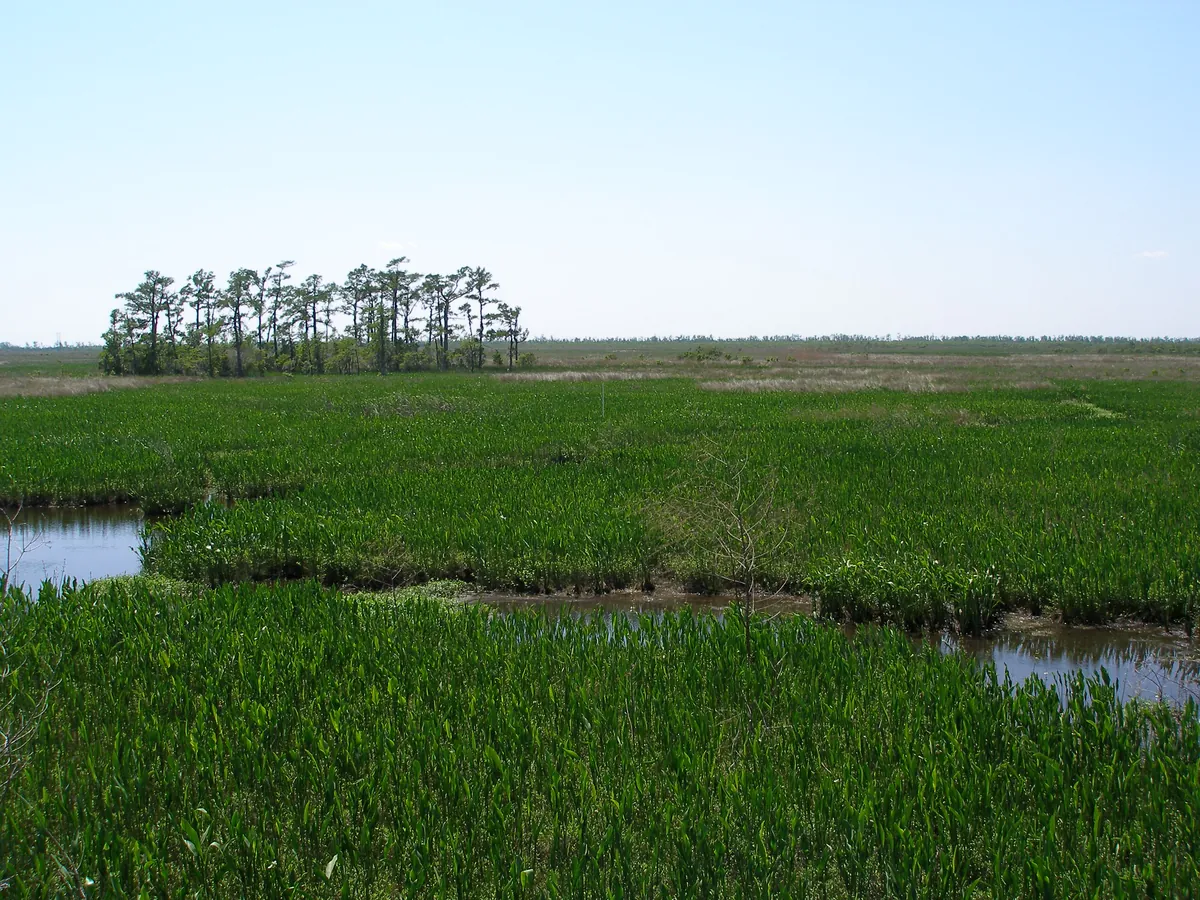
In September 1814, the British offered Jean Lafitte $30,000 and a captain's commission in the Royal Navy to help them take New Orleans. Lafitte asked for two weeks to think about it, then wrote to Governor Claiborne offering to fight for the Americans instead — if the governor would pardon his men. It was the most consequential negotiation in Louisiana history, and it happened because a smuggler operating out of the bayous south of Jefferson Parish knew the terrain better than any military officer alive. Lafitte's Barataria operation was no ragtag camp. By 1810 it was a profitable port, its channels hidden in a maze of bayous that customs agents couldn't navigate. The main commodity was enslaved people — the U.S. had banned the international slave trade in 1808, and Lafitte bought cheap in the West Indies and sold dear in Louisiana. When the Battle of New Orleans came in January 1815, roughly fifty Baratarians manned the American guns. They were, by reputation, the best artillerists in the Caribbean. Andrew Jackson won. President Madison pardoned the pirates. Lafitte moved on to Galveston. The bayous he used are still there, threading through the Barataria Preserve, quiet now except for herons and airboats.