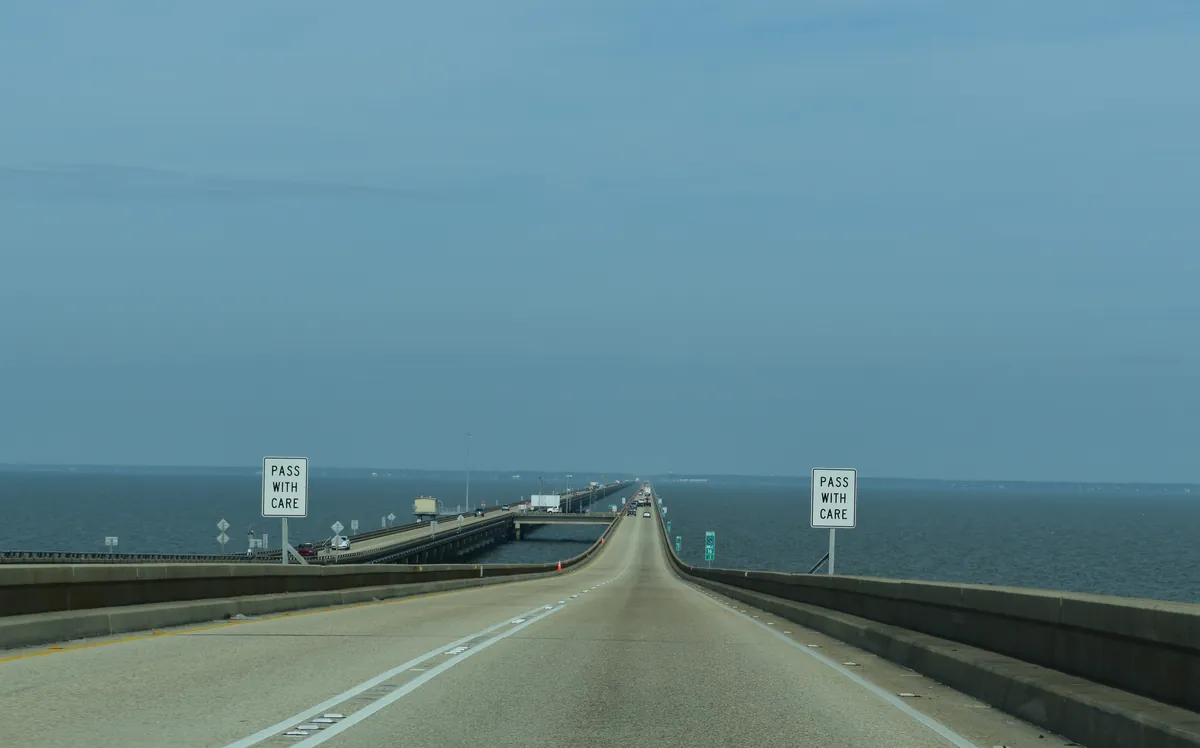
Before antibiotics, before mosquito control, before anyone understood how yellow fever actually spread, the U.S. Government declared the North Shore of Lake Pontchartrain 'the second healthiest place in the country.' The reason they gave was ozone — the piney woods air north of the lake supposedly carried restorative properties that could cure respiratory ailments and ward off the fever that killed thousands in New Orleans every summer. The science was wrong, but the migration it triggered was real. Wealthy New Orleanians built summer homes in Mandeville, Covington, and Abita Springs. Steamboats ran regular service across Lake Pontchartrain starting in 1821, and by the 1880s the North Shore was a full-fledged health tourism destination. Abita Springs built its identity around its mineral springs. Mandeville's lakefront lined with Victorian cottages. Covington drew artists and writers who came for their lungs and stayed for the quiet. The ozone belt theory was debunked decades ago, but the settlement pattern it created — the North Shore as New Orleans' refuge, its cooler and quieter counterpart — never reversed. Every commuter crossing the Causeway today is following a path worn by yellow fever refugees 170 years ago.