A cohort of medical doctors founded the Medical College of Louisiana in 1834 partly as a response to smallpox, yellow fever, and cholera — the second medical school in the South, the fifteenth in the country. In 1847 the state legislature established it as the University of Louisiana, a public institution, and added a law department. The university closed from 1861 to 1865 during the Civil War. After reopening, it faced financial challenges from an extended agricultural depression.
Paul Tulane owned a dry goods and clothing business. He donated extensive real estate within New Orleans for the support of education. In 1884, through the influence of former Confederate general Randall Lee Gibson, the Louisiana state legislature transferred control of the University of Louisiana to the administrators of the Tulane Educational Fund. This act created the Tulane University of Louisiana and privatized the institution — one of the few American universities converted from public to private. In 1886, gifts from Josephine Louise Newcomb totaling more than $3.6 million led to the establishment of H. Sophie Newcomb Memorial College within Tulane, the first coordinate college for women in the United States and a model for Pembroke and Barnard.
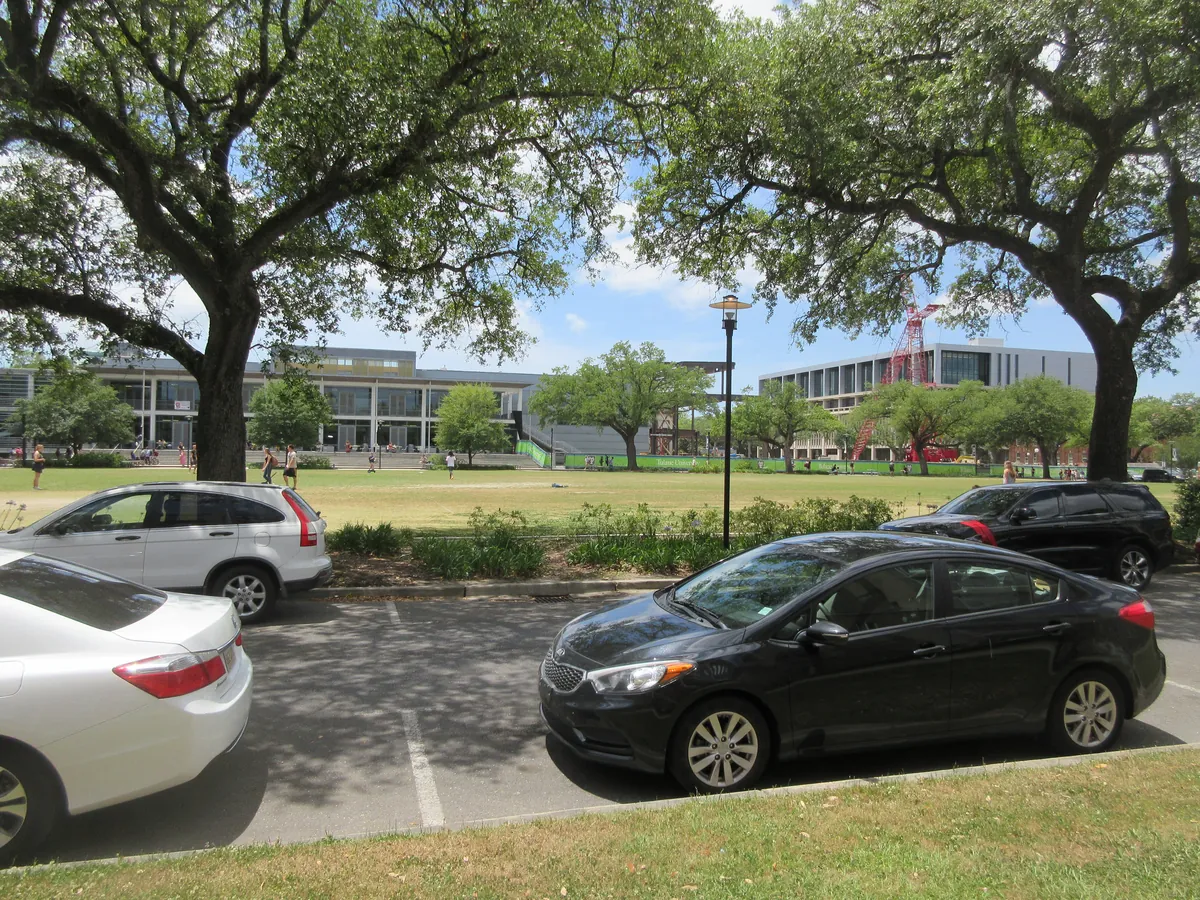
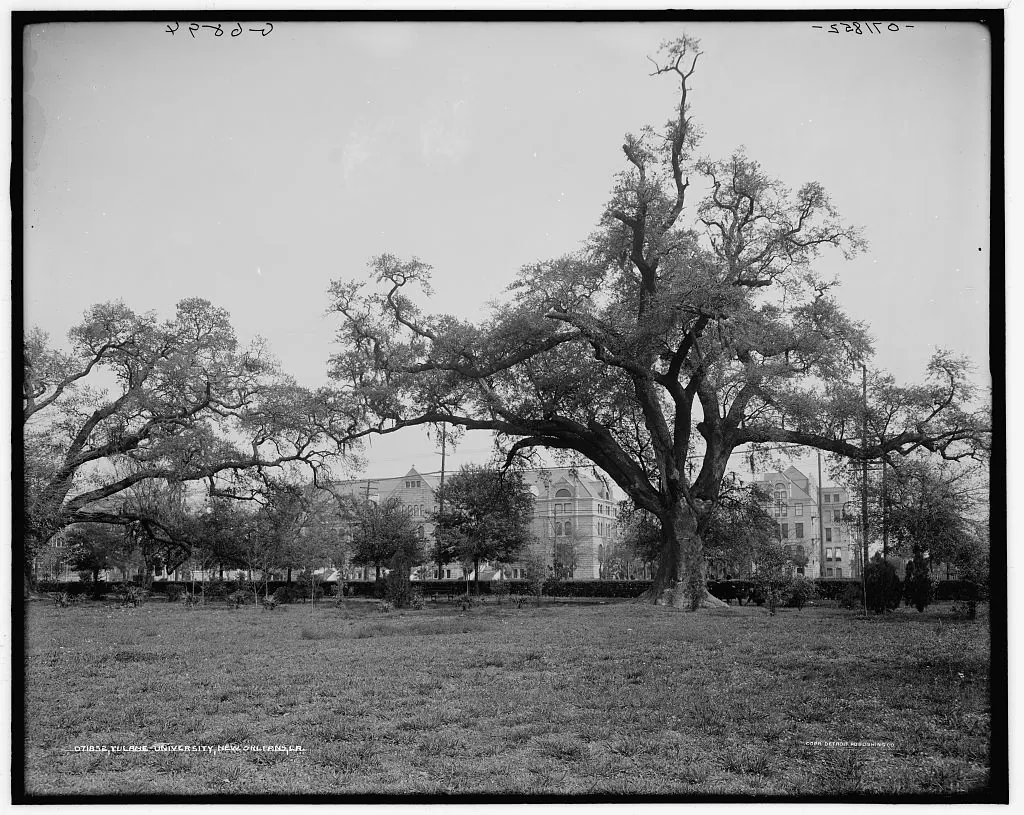
In 1894 the university moved to its present site on St. Charles Avenue, five miles by streetcar from downtown New Orleans. The Uptown campus now occupies more than 110 acres and has been listed on the National Register of Historic Places since 1978. The architecture mixes Richardsonian Romanesque, Elizabethan, Italian Renaissance, Mid-Century Modern, and contemporary styles. Gibson Hall, built in 1894, was the first academic building on campus. The Newcomb campus was designed by New York architect James Gamble Rogers, noted for his work with Yale. Live oaks shade the grounds.
Hurricane Katrina closed most of the university in August 2005 — the second time in its history, the first being the Civil War. The storm inflicted more than $650 million in damages. Facing a budget shortfall, the board announced a Renewal Plan in December 2005 that made service learning a requirement for an undergraduate degree. In 2006 Tulane became the first Carnegie-ranked "high research activity" institution to require undergraduate public service for graduation.
The campus sits directly opposite Audubon Park on St. Charles Avenue, with a direct streetcar connection to the French Quarter. The architecture school has shaped the city's preservation movement for decades. Tulane is one of the city's largest employers; its medical system is the primary healthcare provider.
- ·Founded in 1834 as the Medical College of Louisiana — the second-oldest medical school in the Deep South.
- ·Became a university after businessman Paul Tulane donated $1 million in 1882.
- ·The Uptown campus features live oaks, Romanesque Revival buildings, and a direct streetcar connection to the French Quarter.
- ·One of the city's largest employers; its medical system is the primary healthcare provider.
- ·The architecture school has shaped the city's preservation movement for decades.
More archive

Memories
Editorial content compiled with AI assistance. Place details verified against public records.