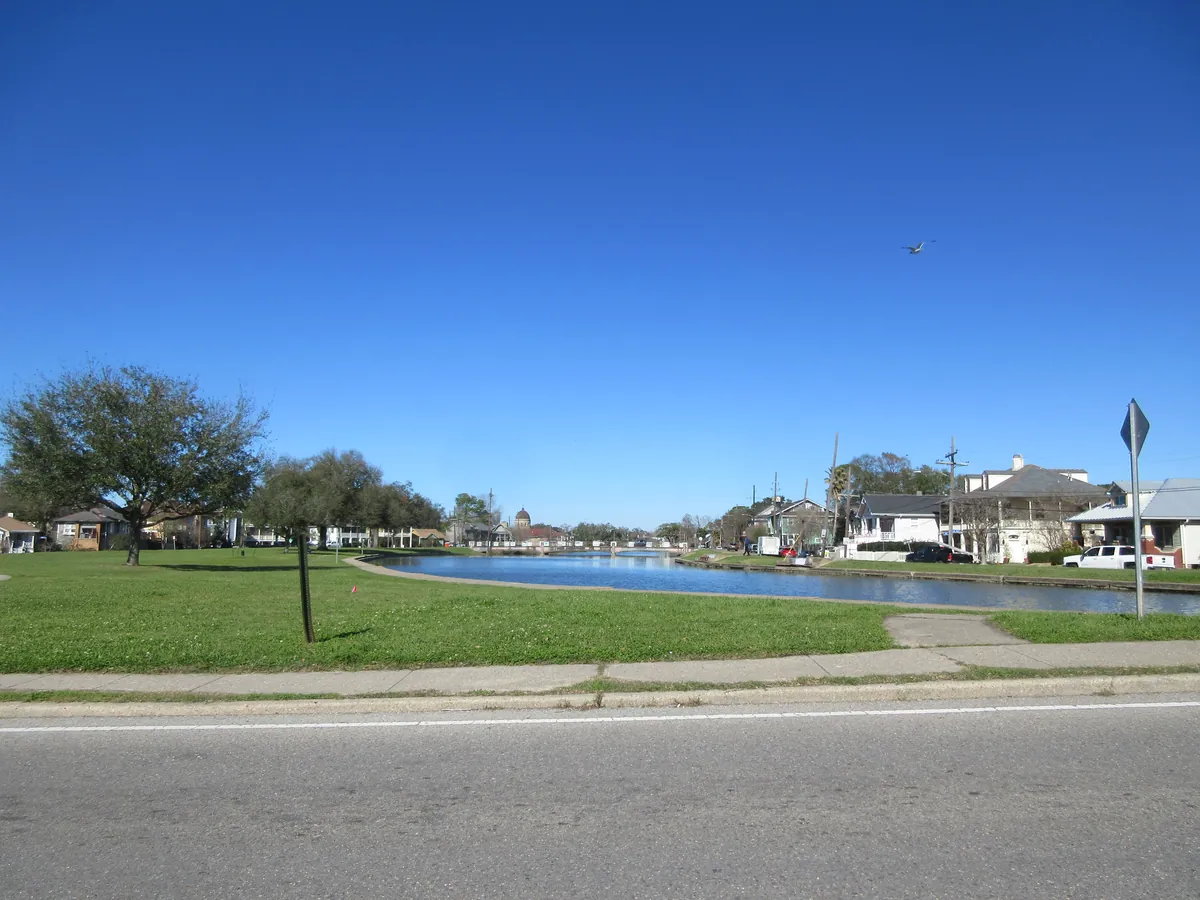
Native Americans called it Bayouk Choupic and used it for centuries — a navigable waterway between the Mississippi River and Lake Pontchartrain, offering passage through swamp that would have been impassable on foot. In 1701 the French built a fort at the Lake Pontchartrain end to protect the route. In 1718, when Jean-Baptiste Le Moyne de Bienville stood at that sharp bend in the Mississippi choosing where to found New Orleans, this bayou and its portage were key factors in his decision. Control the portage, control the Gulf access without the hundred-mile downstream run. The portage trail became the Grand Route St. John, later Esplanade Avenue.
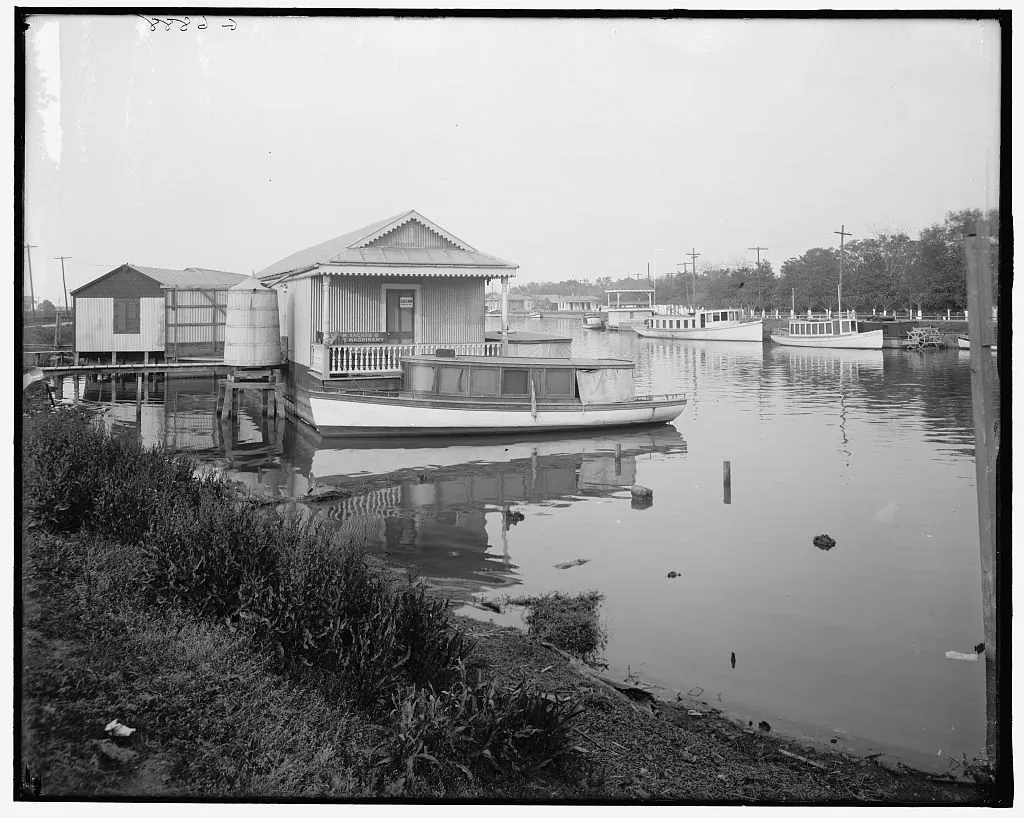
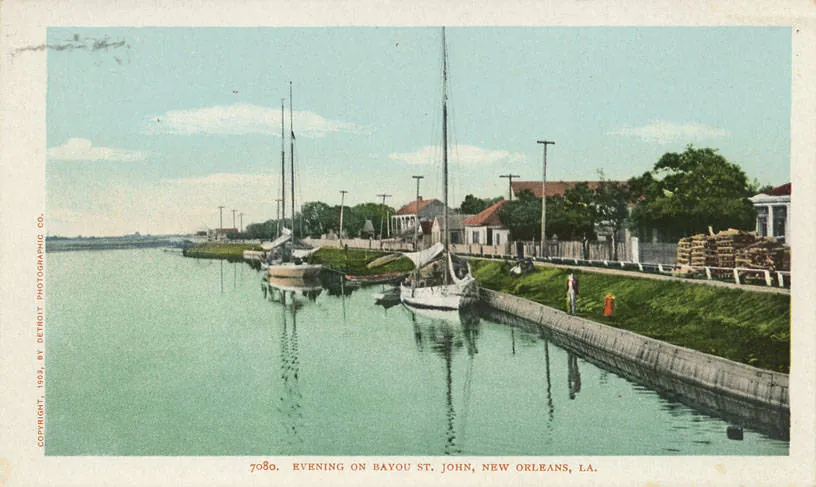
After the Louisiana Purchase in 1803, the Carondelet Canal was dug to connect the back of the city with the bayou, and the bayou was dredged to accommodate larger vessels. By the 19th century, an area along its banks was reputedly the site of voodoo rituals led by Marie Laveau. The Magnolia Bridge still serves as a ritual site every St. John's Eve. Commercial use declined through the first half of the 20th century. The Carondelet Canal was filled in. Some New Orleanians lived in houseboats until the practice was outlawed in the 1930s. A Works Progress Administration project cleaned up the banks.
Now it's a narrow park with small earthen levees on either side — picturesque, mild, good for kayakers and picnickers. The downtown Mardi Gras Indian tribes meet here for their Super Sunday parade after Carnival. The Lafitte Greenway, opened in 2015, runs along the old Carondelet corridor. A waterway that chose a city, now chosen by joggers.
- ·The reason New Orleans exists — Bienville chose this site in 1718 because the bayou provided a short portage between the Mississippi and Lake Pontchartrain.
- ·The Chitimacha, Choctaw, and Houma had used this portage route for centuries before French arrival.
- ·Voodoo queen Marie Laveau held rituals on its banks.
- ·Today a placid neighborhood amenity for kayakers, joggers, and picnickers.
- ·A waterway that determined the location of a major American city.
More archive
Memories
Editorial content compiled with AI assistance. Place details verified against public records.