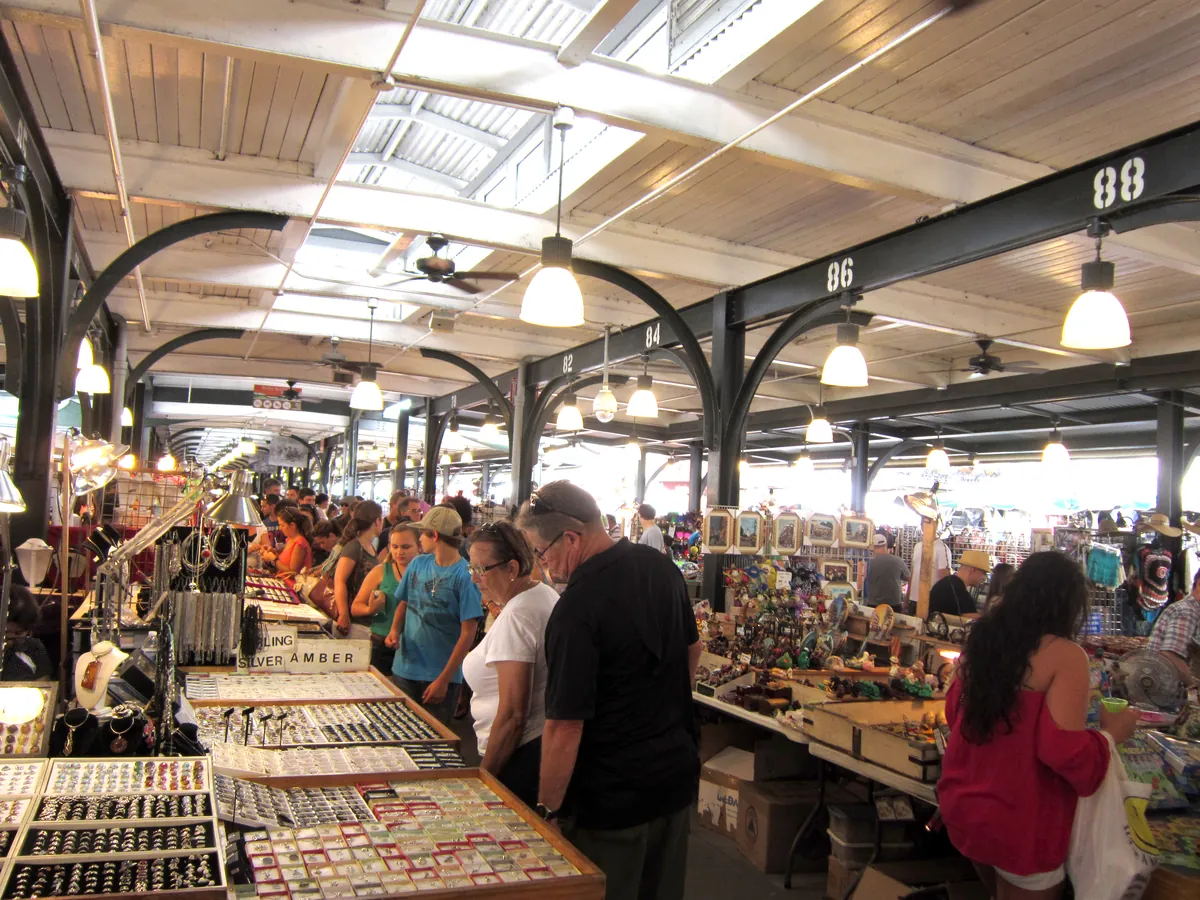
Before any European government drew a line on this land, Choctaw and Chickasaw traders were already here, working a site that had functioned as a trading hub for longer than the city of New Orleans has existed. The Spanish colonial administration formalized it as a market in 1791. That makes the French Market the oldest of its kind in the United States — and it has been operating, in one form or another, ever since.
The original name was the Meat Shops, or Meat Market. It was the only place within the French Quarter permitted to sell meat. The name only changed to the French Market after meat began selling elsewhere — which tells you something about how this place worked: built around necessity, renamed when the necessity moved on.
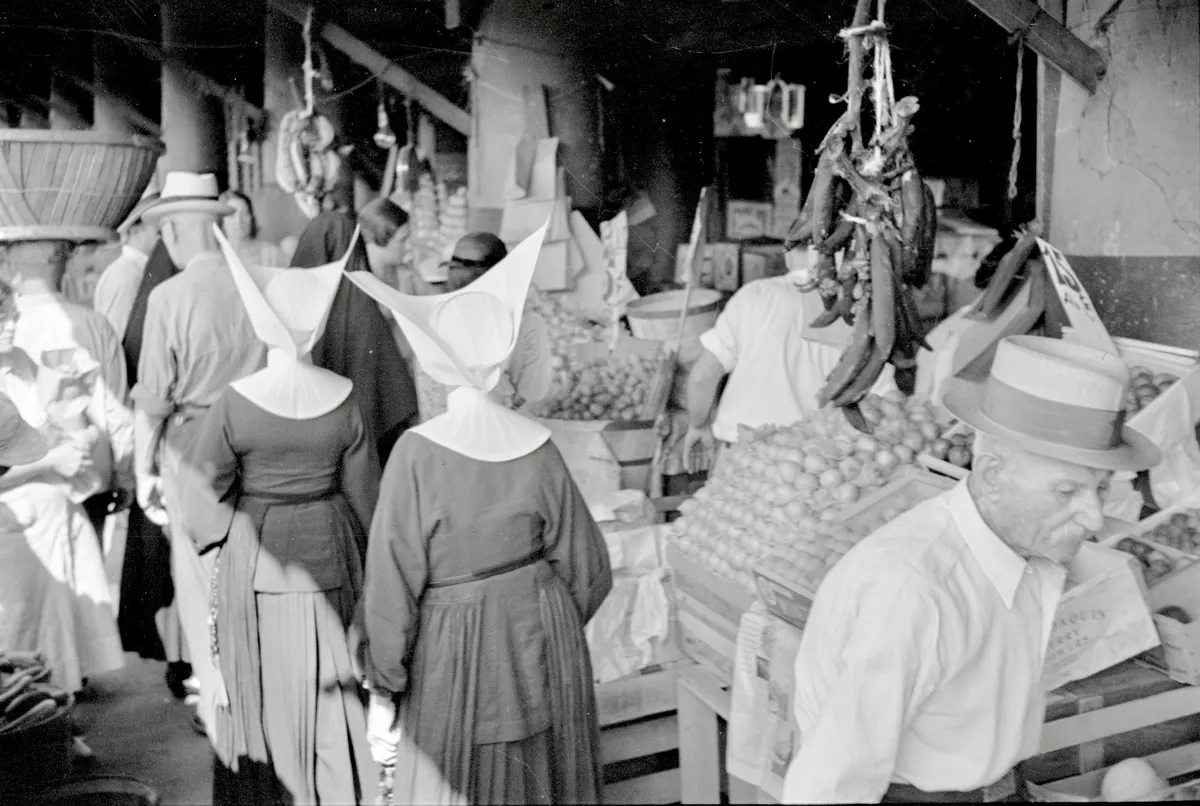
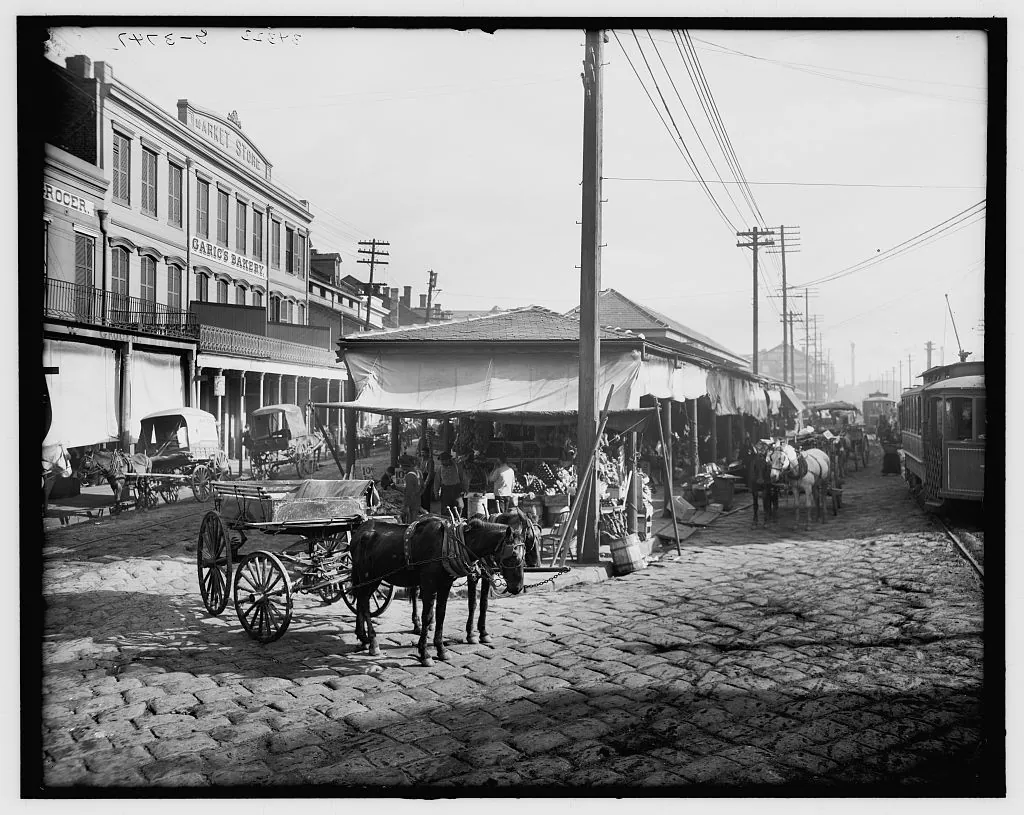
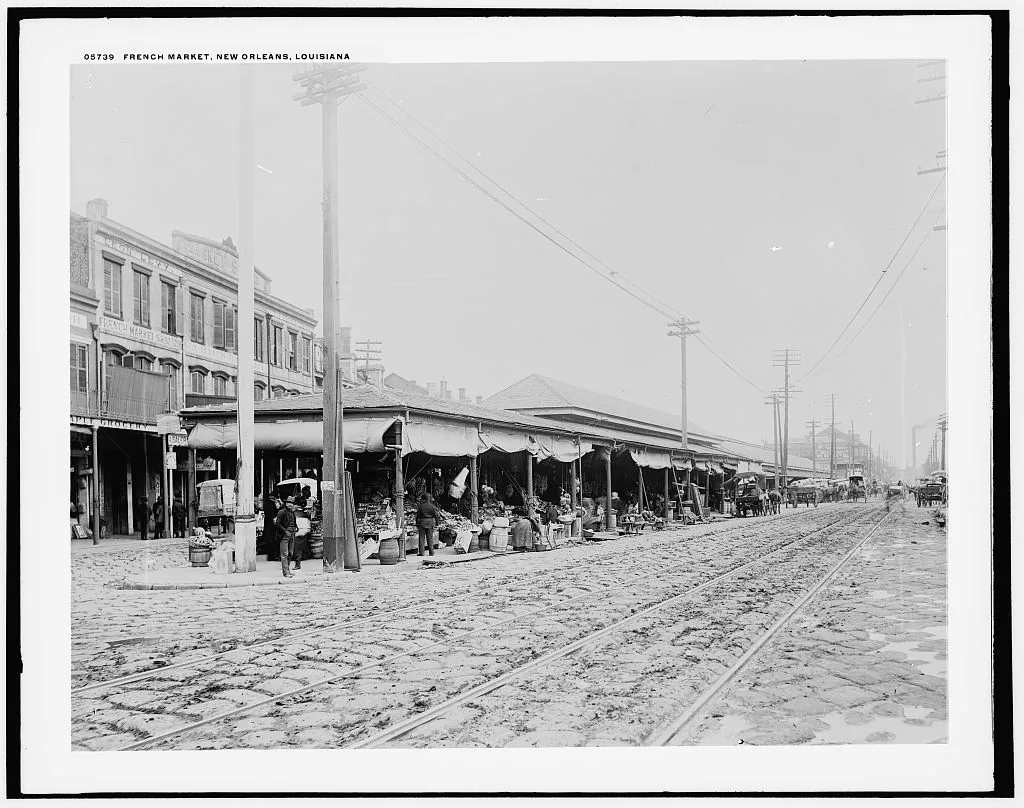
The oldest structures still standing date to about 1813. The Works Progress Administration renovated the market in the 1930s. Much of what once housed open, roofless merchant stands now contains shops and restaurants behind doors and walls — the market has bent toward tourism, as markets do when cities become destinations. But it hasn't stopped reinventing itself. Meat and produce in the 1800s. A flea market by the 1970s. Artisan vendors today. The colonnaded structure stretches six blocks, from Café du Monde at the upriver end to the flea market stalls across from the New Orleans Mint building.
The New Orleans Jazz National Historical Park visitor center is inside. Free musical events happen here. The market hosts the French Quarter Festival and the French Market Creole Tomato Festival. It sits on the Louisiana African American Heritage Trail — a designation that points to history worth tracing while you're here.
Come on a Wednesday or Saturday for the farmers' market. That's when the best local produce in the city shows up.
- ·The oldest continually operating open-air market in the United States.
- ·Choctaw and Chickasaw traders used this site long before the Spanish colonial government formalized it in 1791.
- ·The current colonnaded structure stretches six blocks from Jackson Square to the Marigny.
- ·The market has reinvented itself every generation: meat and produce in the 1800s, flea market in the 1970s, artisan vendors today.
- ·Wednesday and Saturday farmers' markets at the Crescent City end offer the best local produce in the city.
- ·Open daily. Free to browse; vendor hours vary.
More archive
Memories
Editorial content compiled with AI assistance. Place details verified against public records.