New Orleans was a trading hub for thousands of years before the French arrived — the Choctaw called it Bulbancha, "place of many tongues." What grew from that collision of waterways and cultures is a city that still eats communally, from the same table, with its hands.
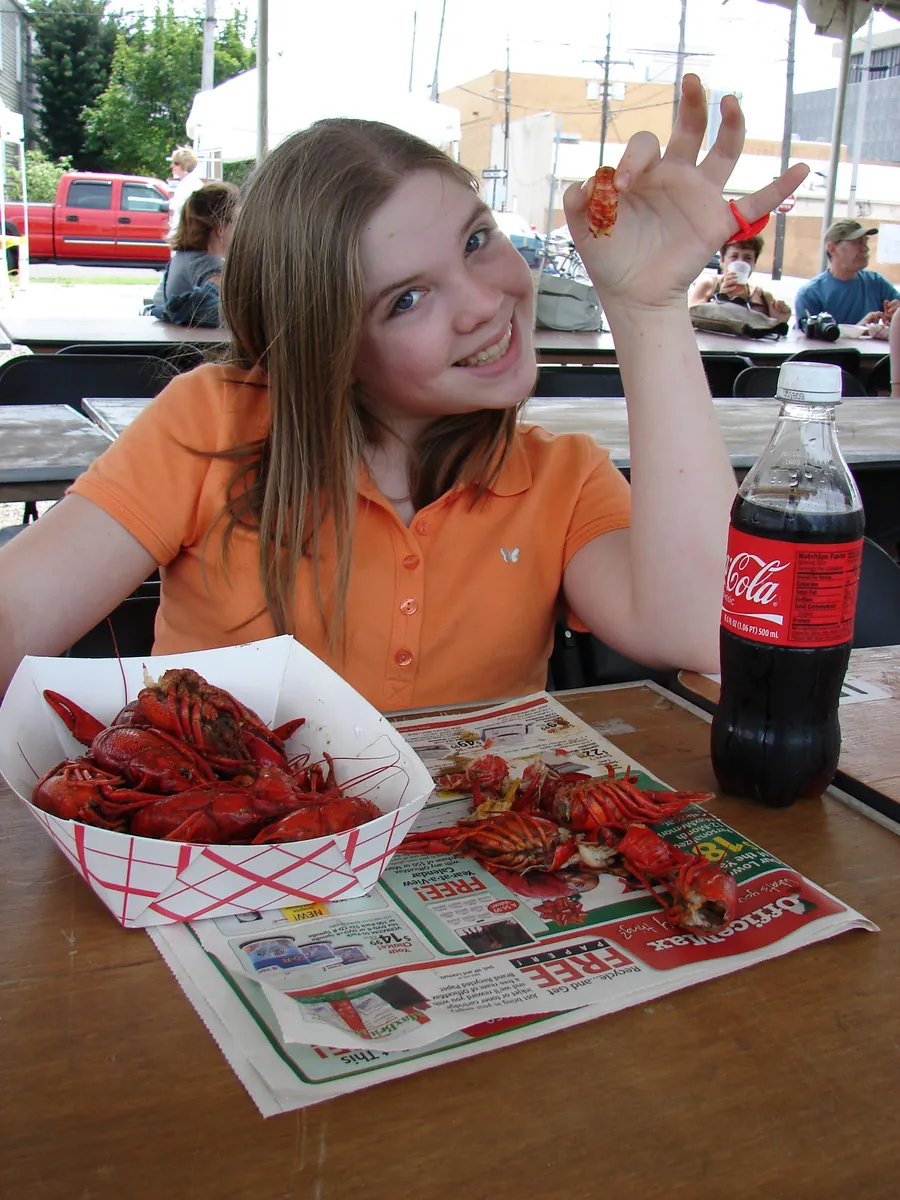
The crawfish boil runs March through June, peaking in April and May. A backyard setup means 50 to 100 pounds of live crawfish dumped into boiling water with corn, potatoes, garlic, and Zatarain's crab boil. When the batch is ready, the whole steaming pile gets spread across a table covered in newspaper. Everyone eats together, cracking shells, pulling tails, working through the heap until it's gone.
The ritual is social and democratic. No plates, no separation. Purging techniques — whether to soak the crawfish in salt water before cooking, for how long, in what — vary by family and generate the kind of argument reserved for things that matter. Boiling time and soak duration after the boil ends are equally contested. Every household defends its method.
Bevi Seafood and Clesi's serve crawfish if you need a starting point. But the real experience requires an invitation to someone's backyard. The food is the same either way. The difference is whose table you're standing around, whose technique you're about to hear defended, and whether you'll be invited back.
- ·Season runs March through June; peak availability is April and May.
- ·A typical backyard boil uses 50–100 pounds of live crawfish with corn, potatoes, garlic, and Zatarain's crab boil.
- ·The ritual is social and democratic — everyone eats from the same newspaper-covered table with their hands.
- ·Purging, boiling, and soaking techniques vary by family and generate passionate debate.
- ·Bevi Seafood and Clesi's are popular restaurant options; for the real experience, get invited to a backyard.
Memories
Editorial content compiled with AI assistance. Place details verified against public records.