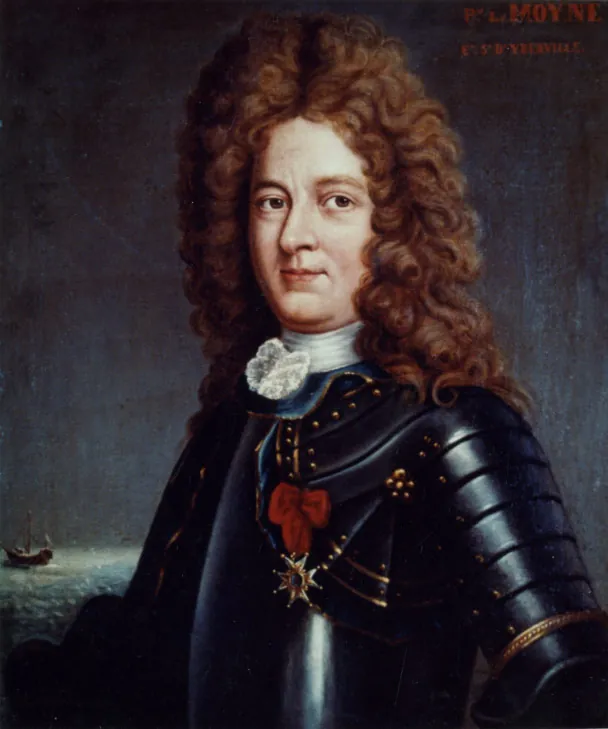
Two brothers from New France invented Louisiana. The story begins on this coast, not in New Orleans.
Pierre Le Moyne d'Iberville was born in 1661, the third son of a large family in New France. By the time he turned his attention to the Gulf Coast he had already made himself the most decorated naval commander in the French colonial world — he had raided English settlements in Hudson Bay, captured English forts in Newfoundland, and fought the English Navy to a draw multiple times. He was forty years old when France sent him to find the mouth of the Mississippi River, which La Salle had discovered from the north in 1682 and promptly lost track of.
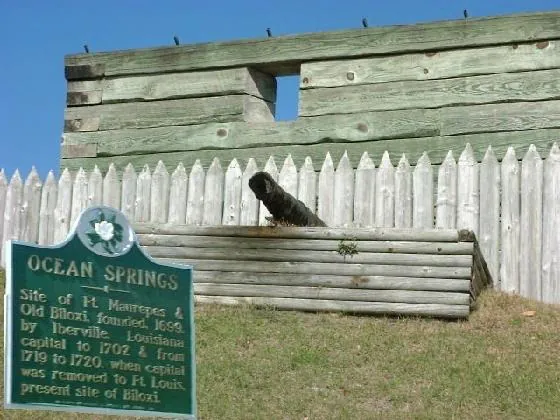
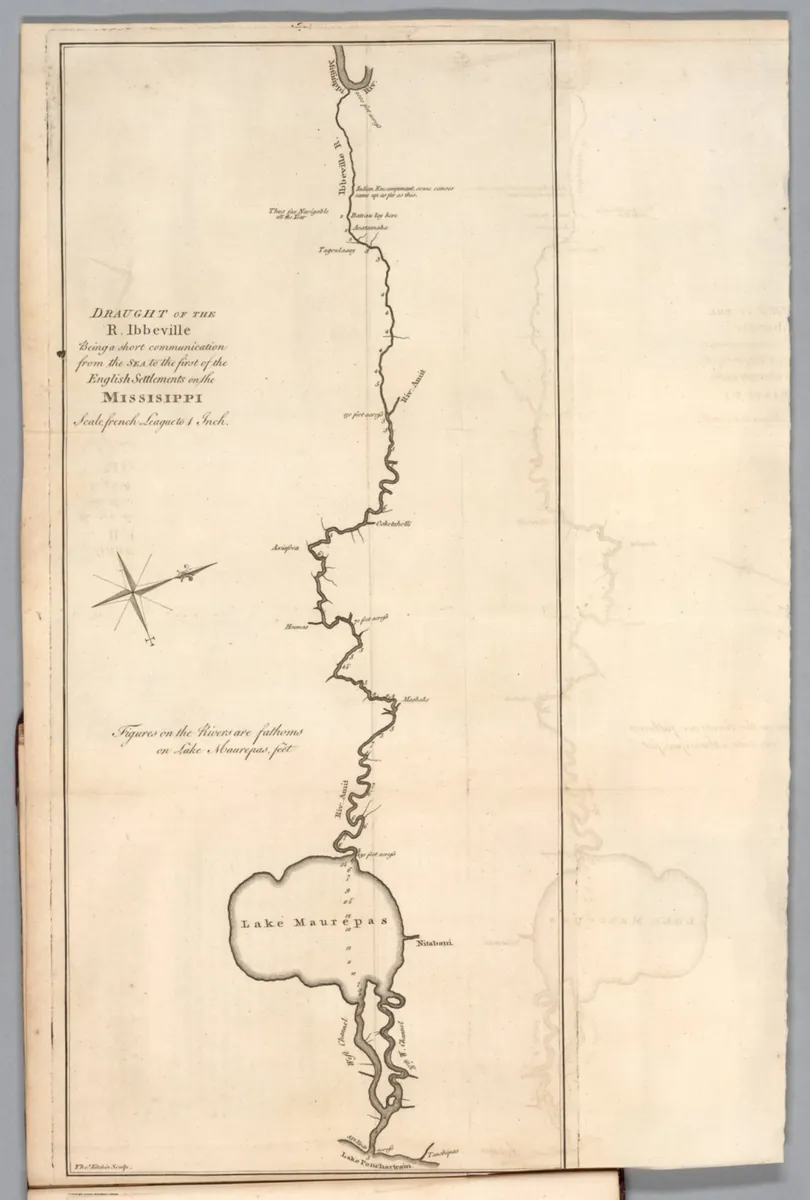
Iberville found it in March 1699, approached from the Gulf. He sailed upriver far enough to confirm it was the Mississippi, then established Fort Maurepas on Biloxi Bay's north shore — now Ocean Springs — as France's first permanent toehold in the lower Mississippi Valley. He made three more voyages to the Gulf Coast before dying of yellow fever in Havana in 1706. He never saw Louisiana become what he had started.
Jean-Baptiste Le Moyne de Bienville was Iberville's younger brother by nineteen years, born in 1680 in New France. He came to the Gulf Coast on Iberville's first expedition as a teenager and never really left. While Iberville sailed back to France between voyages, Bienville stayed — learning the coast, learning the tribal politics, learning the river. He was the one who bluffed the English ship captain at what became English Turn in 1699. He became governor of Louisiana and served in that role, on and off, for four decades. It was Bienville who chose the site of New Orleans in 1718 and who moved the colonial capital there from Biloxi in 1722.
The third pillar of French Louisiana's founding was Louis Juchereau de St. Denis — an in-law of the Le Moyne brothers who arrived on the Gulf Coast alongside Bienville in 1699. While Iberville and Bienville worked the coastline and the river, St. Denis pushed west. In 1714, he founded Natchitoches on the Red River — the oldest permanent European settlement in the Louisiana Purchase territory, four years before New Orleans existed. He did it by walking into Mexico on an illegal trade mission, getting arrested by Spanish authorities, and charming them so thoroughly that they gave him the presidio commander's granddaughter in marriage. The Caddo Indians tattooed his legs as a mark of respect and called him Big Legs.
Iberville died at forty-four in a Cuban port, his project unfinished. Bienville lived to seventy-seven, long enough to see the colony he had spent his life building. St. Denis commanded his fort at Natchitoches until he died there in 1744. Three men from New France planted the seeds of French Louisiana at three different points — the coast, the river delta, and the western frontier. What grew from those seeds is still here.
More archive
Memories
Editorial content compiled with AI assistance. Place details verified against public records.