North of Lafayette the bayou ends and the prairie begins — flatter, drier, and older than Cajun country to the south. Opelousas (1720) is the third-oldest city in Louisiana, where the Acadians showed up in 1765 to start over. Grand Coteau is where the Vatican certified its only North American miracle, in 1867. Washington was a steamboat port for cotton and tobacco and is fewer than a thousand people now. Eunice's smokehouses anchor the boudin trail. The Saturday-night fais do-do came out of these rice towns, not the bayou ones.
The route
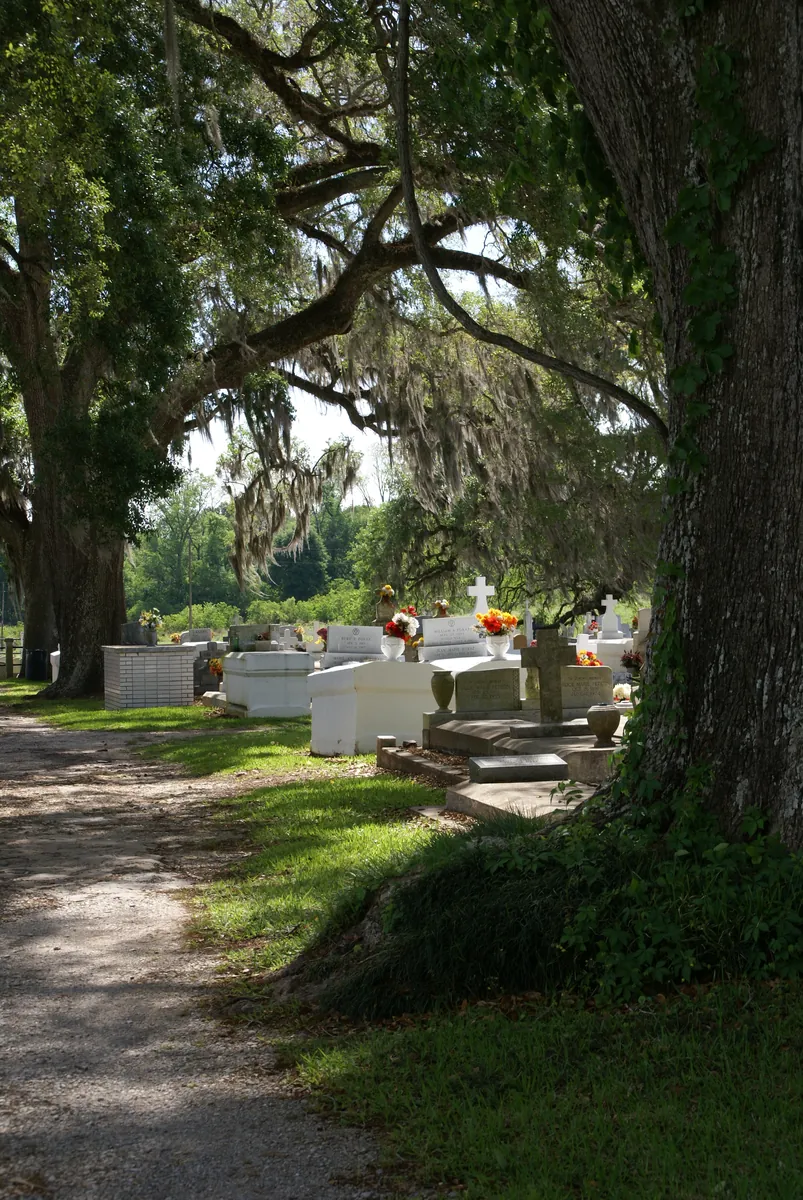 1Architecture·1821·NRHPGrand Coteau — The Village That Time Preserved
The Catholic Church documented one miracle on North American soil. It happened here, in 1866, in a village that looks almost exactly as it did when word went out. Grand Coteau is a National Register Historic District, but the designation undersells what endures. This is one of the most intact antebellum villages in Louisiana — not a curated exhibit, but a living streetscape where the 19th century never quite let go. The Jesuit retreat center has operated continuously since 1837, among the oldest in the United States. Sacred Heart Academy, founded in 1821, is one of the oldest continuously operating schools for women west of the Mississippi. The buildings are still in use. The institutions never closed. Grand Coteau didn't preserve itself by accident or nostalgia — it simply never stopped being what it was. Ten miles north of Lafayette on I-49, the village center is walkable. You're not touring a recreation. You're standing in a place that survived because it mattered enough to keep.
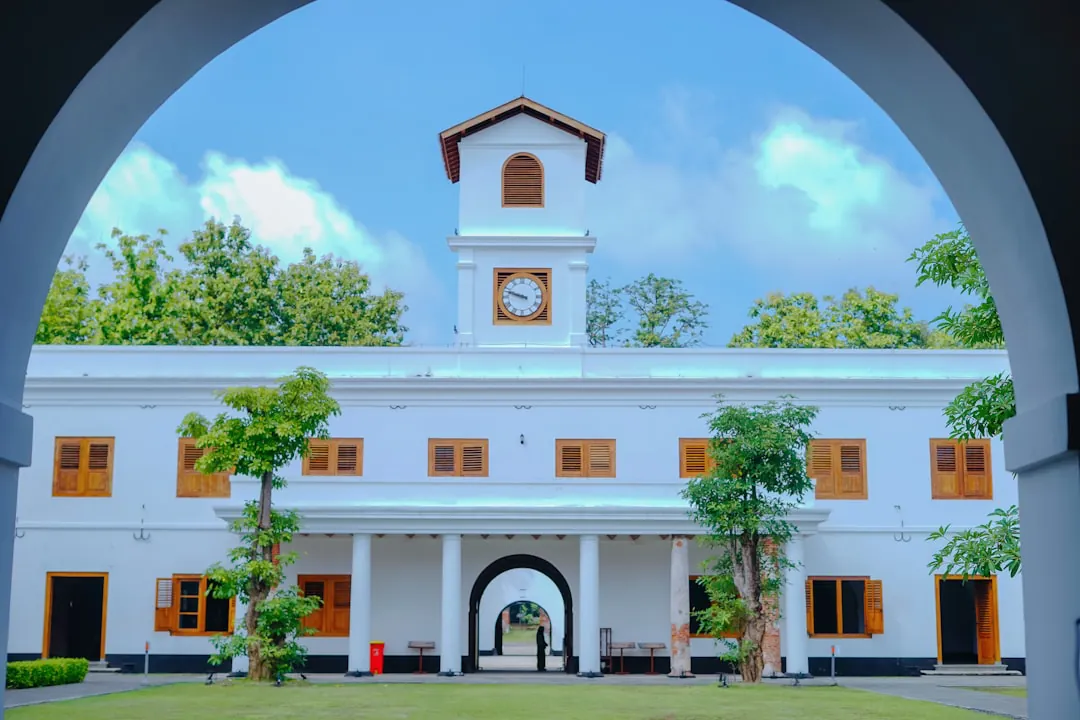 2Religious Site·1821·NRHPSacred Heart Academy — The American Miracle
The Vatican doesn't ratify miracles easily. Local tradition holds that in October 1866, a student named Mary Wilson lay dying at the Academy of the Sacred Heart in Grand Coteau when she was visited by John Berchmans and immediately cured of her illness — and that the Vatican recognized it as the first miracle in North America to receive that recognition. The Chapel of the Miracle still stands in the room where it happened, and it still draws pilgrims. The school itself has been here since 1821, founded by the Society of the Sacred Heart — the oldest continuously operating school for women west of the Mississippi. Over two hundred years of uninterrupted operation, in a region that has known displacement and disruption since the Acadian expulsion from Canada. Salma Hayek attended as a teenager. The chapel and grounds are open to visitors. Check with the school office before you go.
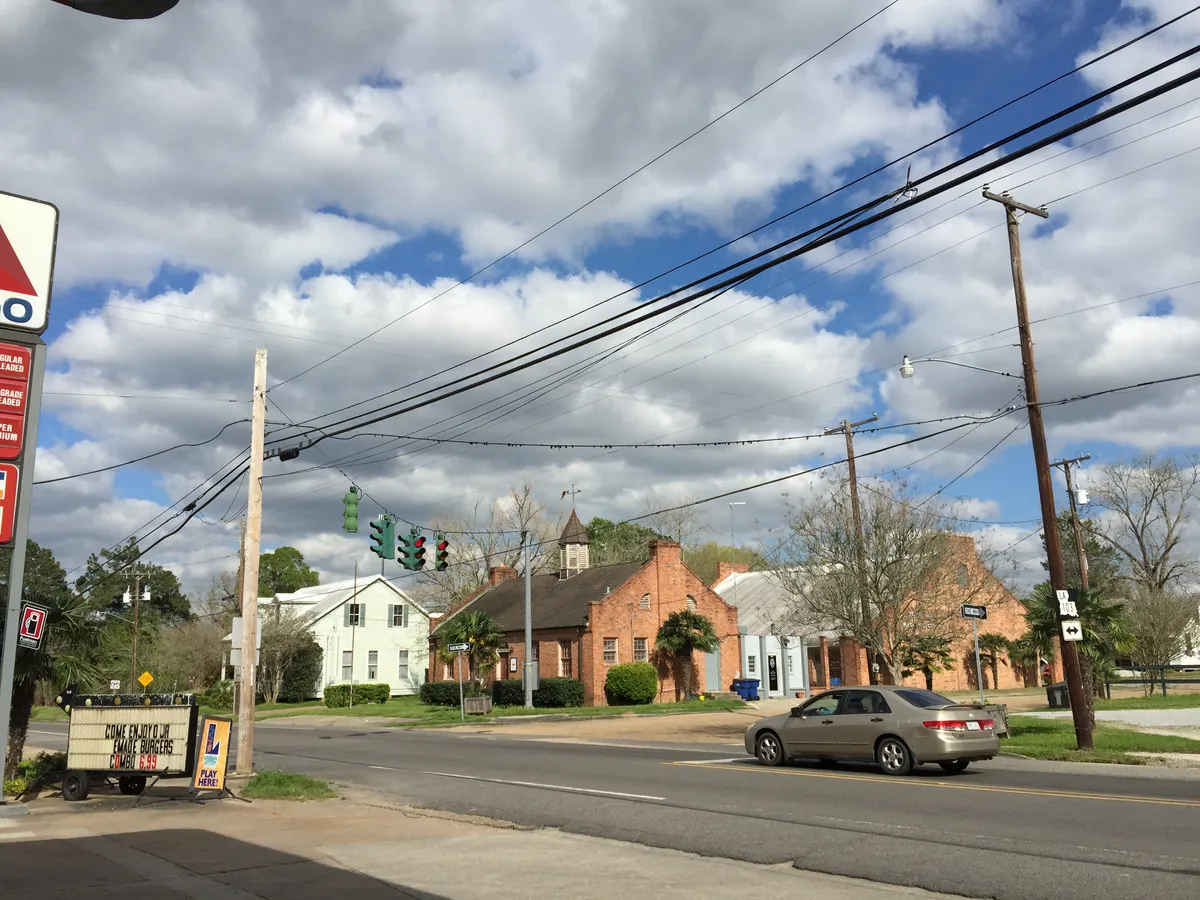 3Cultural Heritage·NRHPWashington, Louisiana — The Antebellum Port
Washington sits where the water changed — head of navigation on Bayou Courtableau, the place where flatboats from the Red River met the waterway running south to New Orleans. The town was a hinge. One water system ended, another began, and everything that floated had to stop here. The Washington Historic District holds more than thirty antebellum structures, some of the finest examples of Greek Revival and Creole cottage architecture in St. Landry Parish. The district is on the National Register of Historic Places. The town is small, quiet, almost entirely overlooked, and that overlooking is exactly why it survives. When the steamboat era ended, Washington didn't collapse — it just stopped growing. No one tore anything down because no one needed the land for something else. This is Acadiana — a region named for the Acadian refugees who resettled here after expulsion from Canada, who intermarried and became Cajun. Washington is a French Louisiana river town that stayed a French Louisiana river town because the river quit mattering before the highway did. A self-guided walking tour map is available at the Camellia Cove Bed and Breakfast. Go on foot. The houses aren't roped off or restored to within an inch of their lives. They're just there.
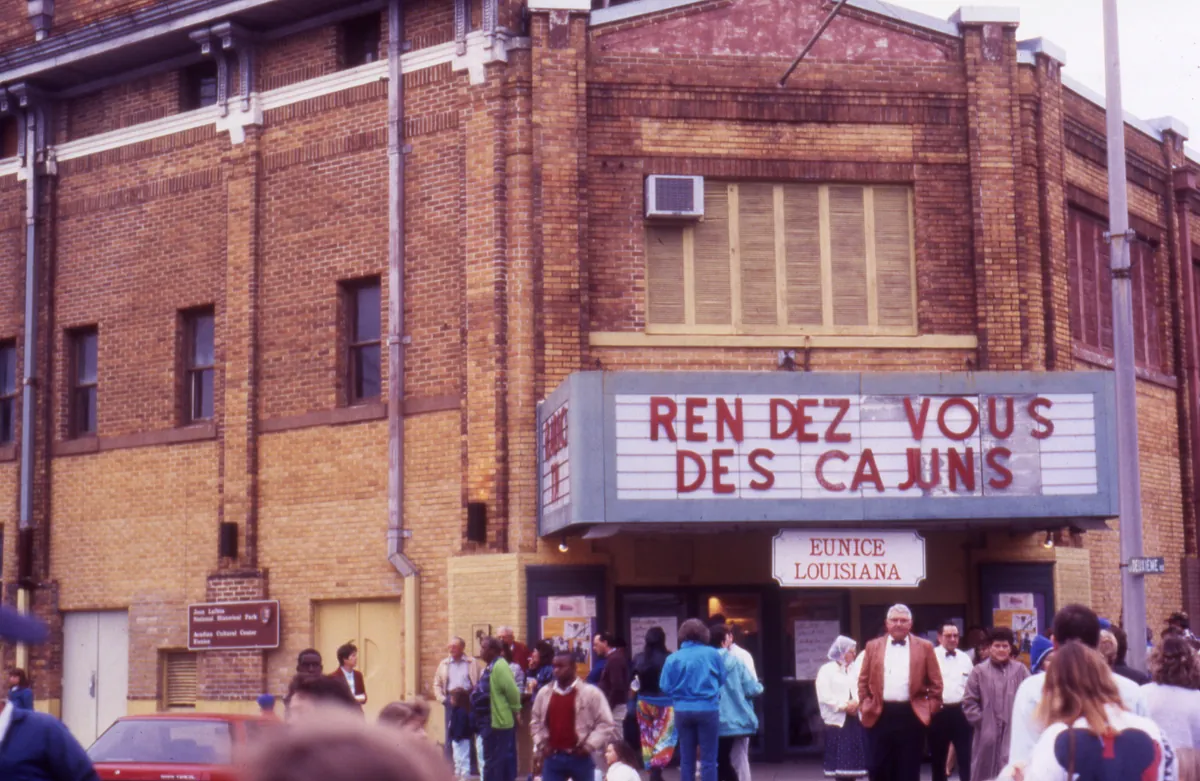 4Cultural HeritageEunice — The Heart of the Cajun Prairie
The rice fields start where the swamps end. Forty miles northwest of Lafayette on Highway 190, Eunice sits on the Cajun Prairie — flat land that looks nothing like the rest of Acadiana. This is where Cajun French is still spoken in the streets, where the countryside is rice fields and crawfish farms, where the culture took a different shape because the ground was drier. Prairie Cajun culture differs from the bayou story. Drier land meant German and Creole influences, music rooted in the open air instead of under cypress shade. The Prairie Acadian Cultural Center, part of Jean Lafitte National Historical Park, tells that distinct story — the one the swamps farther south don't tell. Downtown is small and walkable, anchored by the Liberty Theater's Saturday evening broadcast. The real reason to go is to stand in a place where French Louisiana didn't vanish into tourism, where the prairie shaped a different kind of survival, and where the distance from Lafayette wasn't cultural drift — it was cultural distinction.
 5Food & Drink·1956Ville Platte — The Smoked Meat Capital
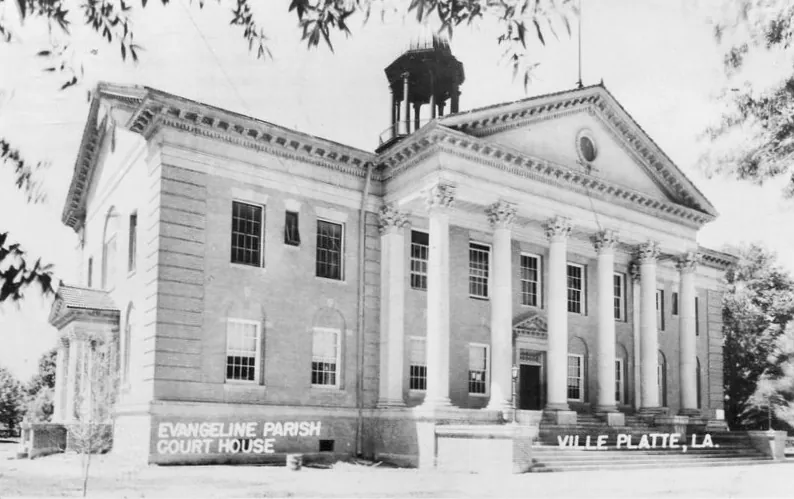
Thirty miles north of Lafayette, the smoke houses of Ville Platte work a different magic than the rest of Cajun Country. The smoked sausage, tasso, and boudin here are drier, more heavily smoked, made from recipes that go back generations and haven't changed. The town calls itself the Smoked Meat Capital of the World, and the claim holds up — walk into any grocery store and you'll find smoked meats that don't appear on restaurant menus anywhere else in Acadiana. Floyd's Record Shop has stood here since 1956, distributing zydeco and Cajun 45s before the world knew those genres had names. It was Floyd's that got swamp pop and Cajun records into the hands of collectors across America, selling music that had no category yet, no commercial infrastructure, just people in South Louisiana playing what they knew. The shop moved the culture before the culture had a marketing plan. The Smoke Meat Festival runs each spring. You go to taste what the smoke houses have been doing all year, to understand why this town, the seat of Evangeline Parish, earned its particular claim in a region that already knows how to cure meat.