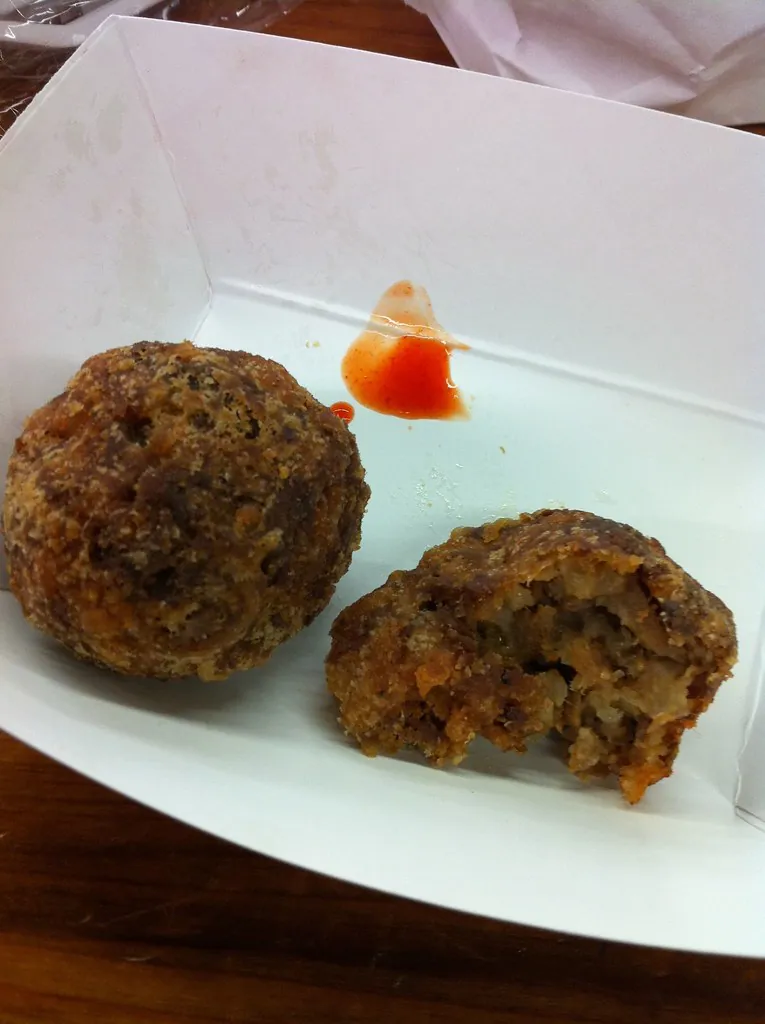
Boudin is cooked rice and pork stuffed into a casing and sold at gas stations, meat markets, and butcher shops — Cajun fast food, eaten standing up, squeezed from the casing into your mouth on the way somewhere. This run visits four of the most serious stops in Acadiana, each with a different interpretation of the same recipe: the smokehouse that may have sold boudin commercially first, the nationally famous best-in-class operation, the nine-time award winner, and the Breaux Bridge market that extends the trail into crawfish country. Bring a cooler.
The route
 1Food & Drink·1937Johnson's Boucanière
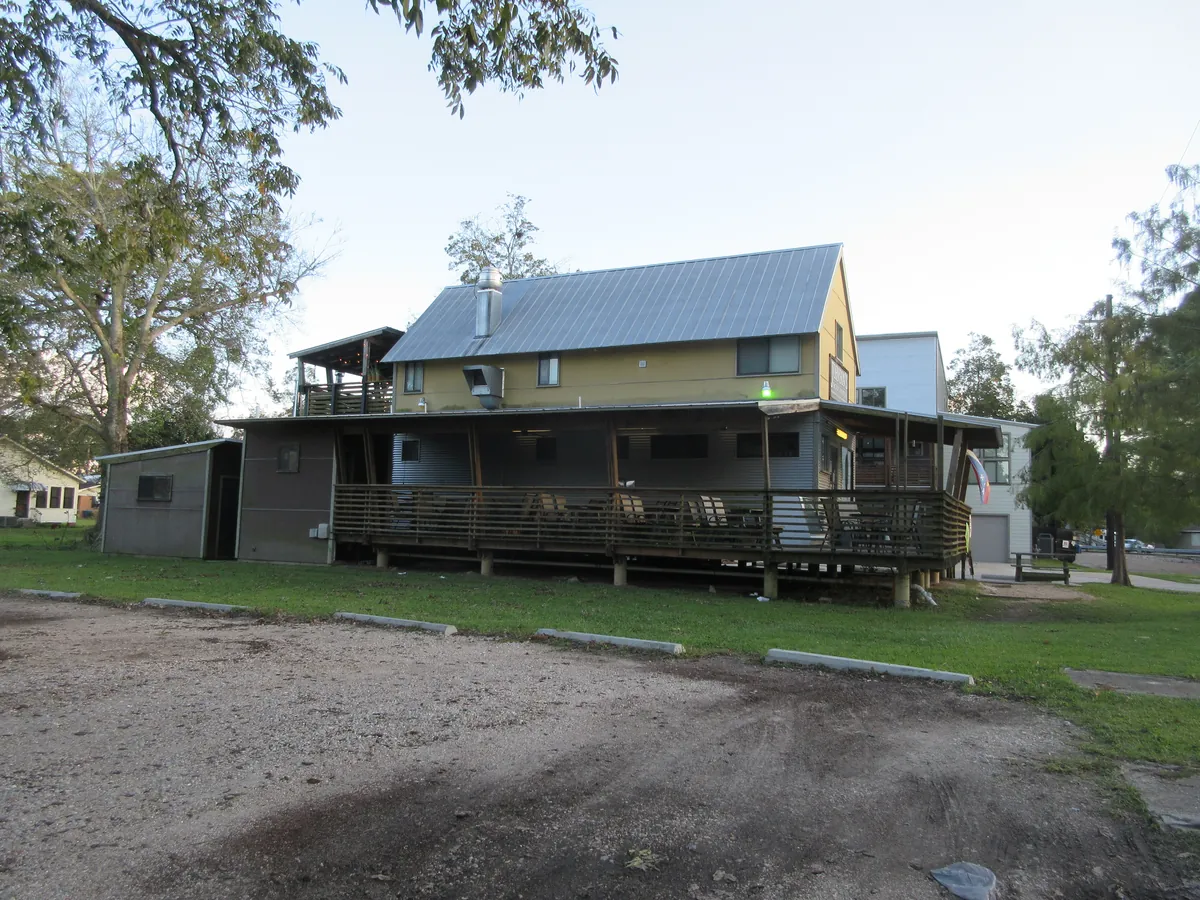
Wallace and Lula Johnson opened Johnson's Boucanière on St. John Street in Lafayette in 1937. The claim that this is the first place Cajun smoked sausage was sold commercially is old enough that nobody disputes it anymore. Their granddaughter Lori Johnson runs it today — three generations of the same family. The boudin here is loosely packed, heavily seasoned, with smoke-threaded rice — distinct from the tighter, wetter versions common elsewhere. The cracklins sell out before noon most days. Cash preferred. Arrive early for cracklins.
 2Food & DrinkBest Stop Supermarket
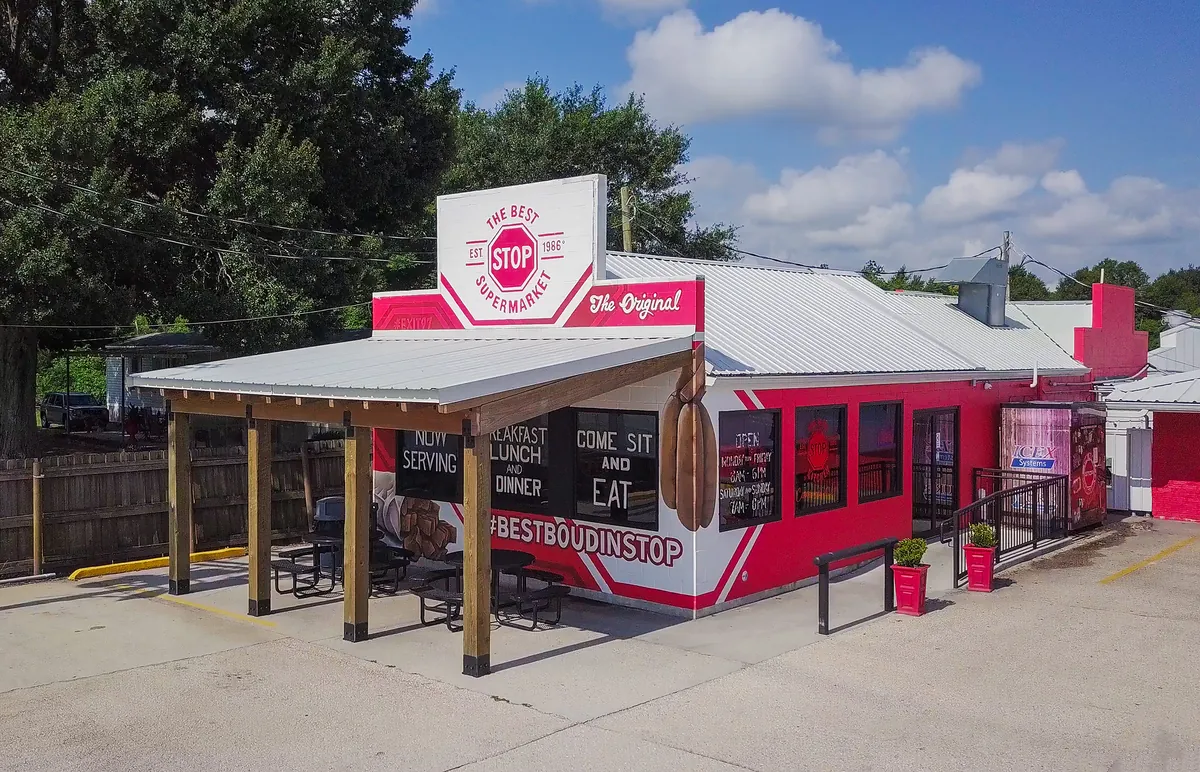
Don Ware's operation earned its reputation the hard way — nearly every major food publication that has written about Louisiana boudin has featured the place, and they all made the trip to Highway 93 in Scott for the same reason. The boudin has enough snap to its casing and enough smoke in the meat to suggest serious craft behind what looks like a simple operation. This is the self-declared Boudin Capital of the World, and the line that forms before opening on weekends suggests the locals agree with the assessment. The menu doesn't wander: smoked sausage, cracklins, and boudin balls. The specificity is the point. Scott sits in Lafayette Parish, which anchors what the state officially designated the Cajun Heartland — a district shaped by Acadian refugees who settled across this region after the British expelled them from Canada at the end of the Seven Years' War. Those roughly fifty founding families from Port Royal intermarried with other settlers and became what we now call Cajun. Best Stop serves what that culture still makes. You go because the craft is verifiable and because the line tells you something true about what the region still values. Arrive before they open on weekends.
 3Food & DrinkDon's Specialty Meats
Nine-time winner at the Scott Boudin Cook-Off — the annual competition that settles arguments in Scott — Don's Specialty Meats works from locally sourced pork and seasoning that runs heavier on cayenne than most operations. The cracklins are made in-house. The smoke links and stuffed chickens have their own following. Acadiana's foodways came from expulsion and resettlement. After the British expelled French-speaking Acadian refugees from Canada at the end of the Seven Years' War, many Acadians settled in this region, intermarrying with other settlers and forming what became known as Cajun culture. The cooking that emerged carries that history forward — techniques and tastes that survived forced migration and took root in new ground. Don's operates on the I-10 service road in Scott, where the work of making boudin continues in the present tense. This is the stop where locals direct visitors who want to understand the range of what boudin can be. Expect a line at peak hours.