Frenchmen Street is what Bourbon Street was before tourism industrialized the Quarter. The three core venues — The Spotted Cat, d.b.a., Snug Harbor — operate on a musician economy Bourbon stopped sustaining live music as its economic engine by the 1970s: no cover at the Cat, tip the band. Snug Harbor seats two hundred for the jazz nobody plays for tourists. NOCCA, a block away, is where Harry Connick and Wynton Marsalis learned their scales. Five venues in half a mile, still working.
The route
 1Music·1810Frenchmen Street
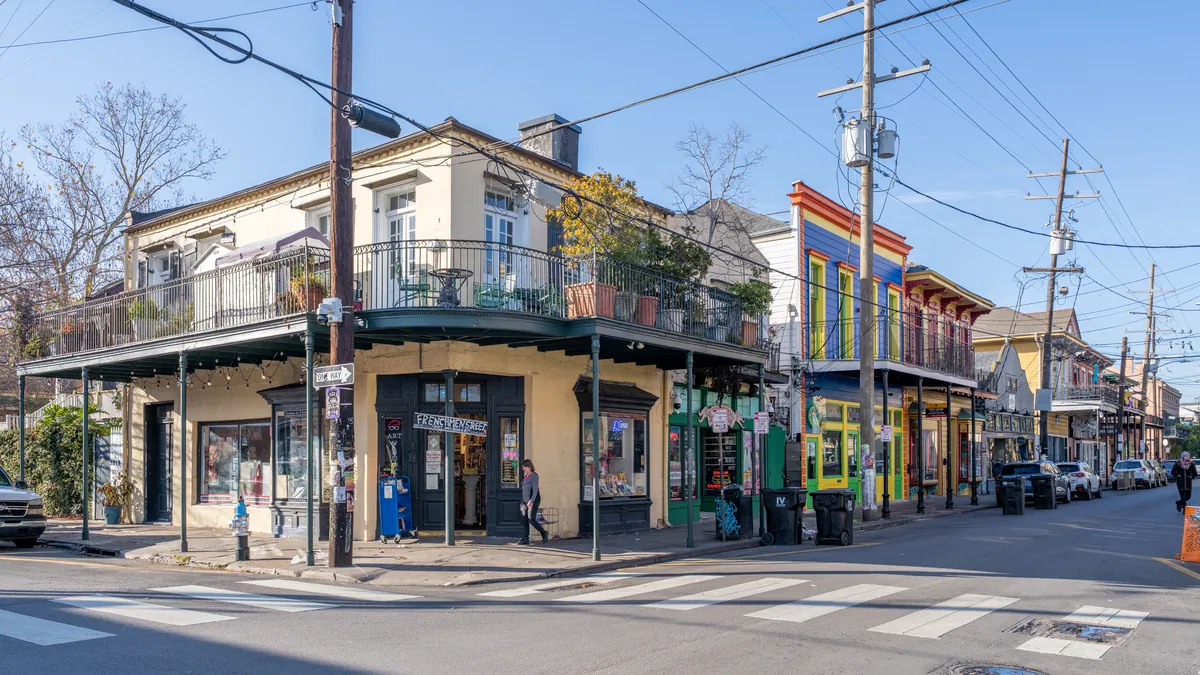
Six blocks of live music clubs in the Faubourg Marigny — the street where New Orleans musicians actually play. While Bourbon Street became a tourist engine, Frenchmen Street evolved in the 1980s as the place locals went to hear what was actually happening. The Spotted Cat Music Club, d.b.a., the Maison, and the Blue Nile anchor a scene that runs from sunset to 3 a.m. seven nights a week, much of it with no cover charge. The street was named for six Frenchmen executed after leading an uprising following France's cession of Louisiana to Spain in the Seven Years' War. The neighborhood itself is the Faubourg Marigny — once the plantation of Bernard de Marigny, a wealthy Creole who subdivided the property in 1806. Many of the houses here are more than a century old; some older than that. You'll see Creole cottages — single-story, steeply pitched roofs, symmetrical four-opening façades set close to the street — and Creole townhouses, two to four stories with iron balconies and side-gabled roofs. Both styles reflect the city's layered colonial past, one French and Spanish, the other a post-fire adaptation from 1788. Hurricane Katrina left Frenchmen Street relatively unscathed in 2005 — the neighborhood sits on some of the highest ground in the city. In the recovery period, New Orleans designated the street an official arts and entertainment district. After the Saints' Super Bowl win in 2010, Frenchmen Street hosted one of the largest celebrations in the city's history. HBO's *Tremé* filmed here. Walk from the French Quarter — it's just across Esplanade. The Frenchmen Art Market operates nightly under a canopy at 619 Frenchmen, selling work by local artists. This is where the city's musicians still make their living, and where you can hear what that sounds like.
 2Music·1995The Spotted Cat Music Club
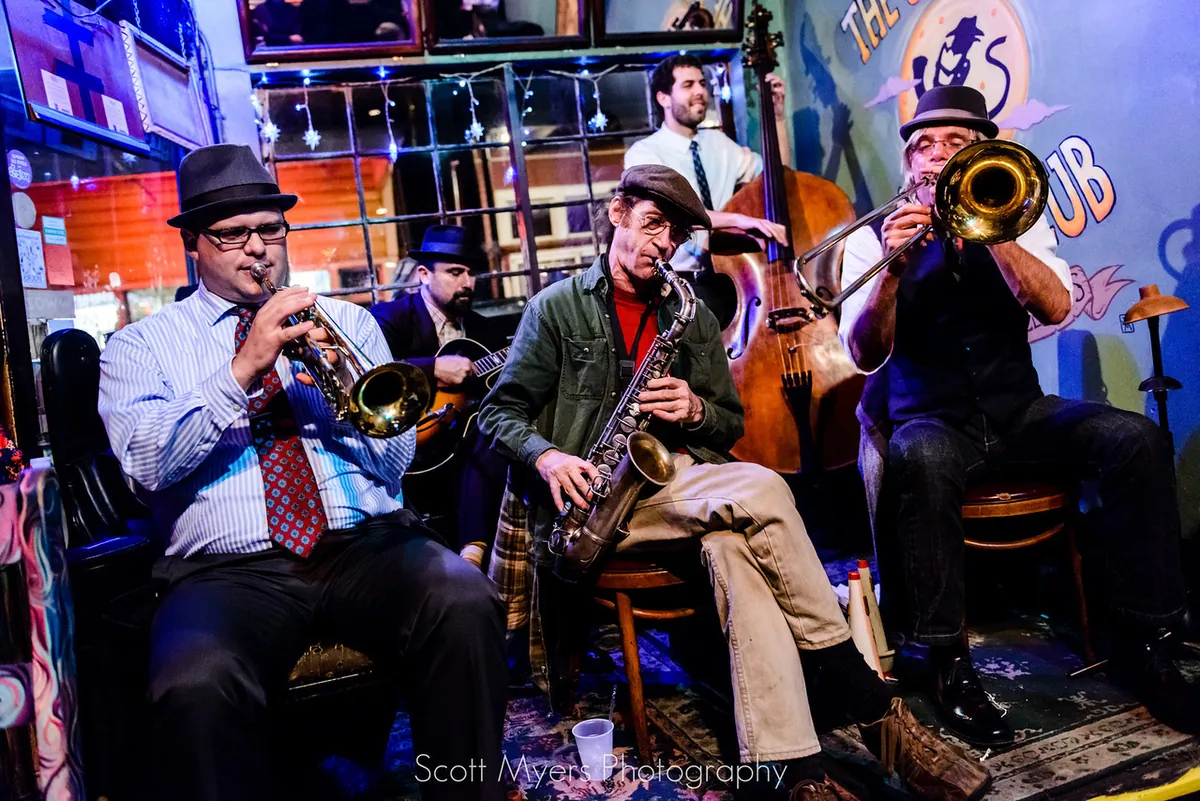
Seven nights a week starting around 6pm, live jazz and swing bands take the narrow stage at 623 Frenchmen St. No cover charge. No food. No VIP section. Just the music and whoever showed up. The room holds maybe 80 people, built around a long bar. The dancing starts early and doesn't stop. Bands rotate nightly but the quality is consistent — the Spotted Cat books working musicians, not tourist acts. This is the place locals bring out-of-town friends to show them what New Orleans music actually sounds like. New Orleans has been a place of many tongues since before the French arrived in 1718. The Choctaw called it Bulbancha — "place of many tongues" — and it was an important trading hub for thousands of years. The French founded La Nouvelle-Orléans at the bend in the Mississippi because it controlled the entire river valley and the portage route between the river and Lake Pontchartrain. The convergence stuck. By the 19th century it was the largest port in the Southern United States. After Hurricane Katrina in 2005, the city rebuilt, and it remains a major destination for live music. The Spotted Cat is where that lineage plays out on a weeknight. Cash preferred.
 3Music·1998d.b.a. New Orleans
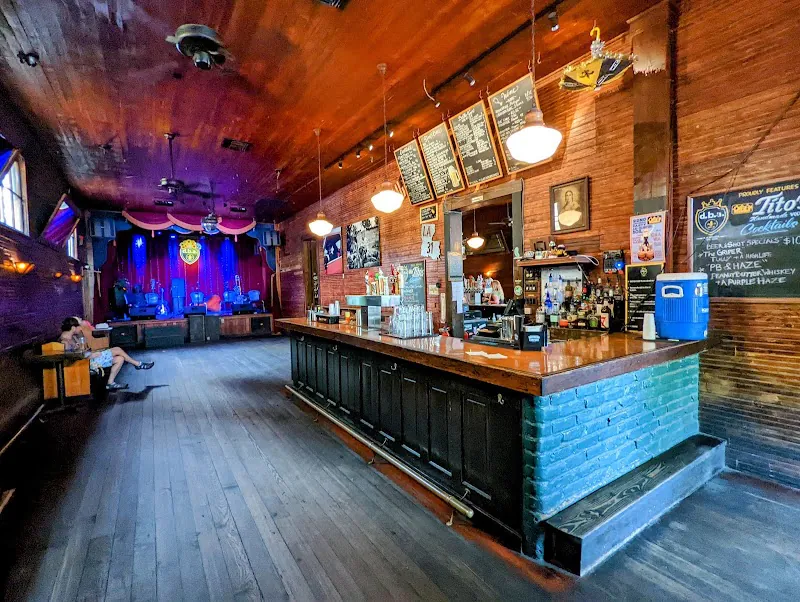
The name stands for "doing business as" — a nod to the shifting identity any New Orleans room takes on when the band sets up. Which is appropriate, because d.b.a. books jazz, brass band, funk, and soul every night, usually two or three acts, and what's true at seven isn't true at ten. The room holds about a hundred people. The sound system is legitimate. The whiskey selection runs deep. Most shows are free; headliners sometimes charge a modest door. It's at 618 Frenchmen Street, shows start around seven, there's a full bar and no kitchen. Musicians come here on their nights off. That tells you what you need to know about the sound in the room and who's mixing it. This is not where you go to see the famous name you researched before the trip. This is where you go because you trust New Orleans to put someone worth hearing in front of you, and d.b.a. delivers that contract every night of the week.
 4Music·1983Snug Harbor Jazz Bistro
New Orleans exported most of the nation's cotton through its port in the 19th century, but the city's real export — the one that reshaped American music — grew up in the rooms where people listened. Snug Harbor opened in 1983 as a listening room, not a bar with musicians in the corner. Two hundred seats, table service, ticketed shows, and a sound system designed so every seat in the house hears the music clearly. The distinction matters. This is where the city's best working jazz musicians play when the playing matters most. Ellis Marsalis held a weekly residency here for years. Charmaine Neville and Jason Marsalis are regular performers. The calendar runs two shows most nights, typically at 8pm and 10pm, and popular shows sell out. The room has a real kitchen — you can eat while you listen — but the architecture makes clear what you came for. The sightlines and acoustics put the focus on the bandstand. Frenchmen Street is full of walk-in clubs where you can catch a set standing at the bar. Snug Harbor is the grown-up counterpart: you buy a ticket in advance at snugjazz.com, you sit at a table, and you hear musicians play for the room, not past it. That's the deal, and it's been the deal since 1983.
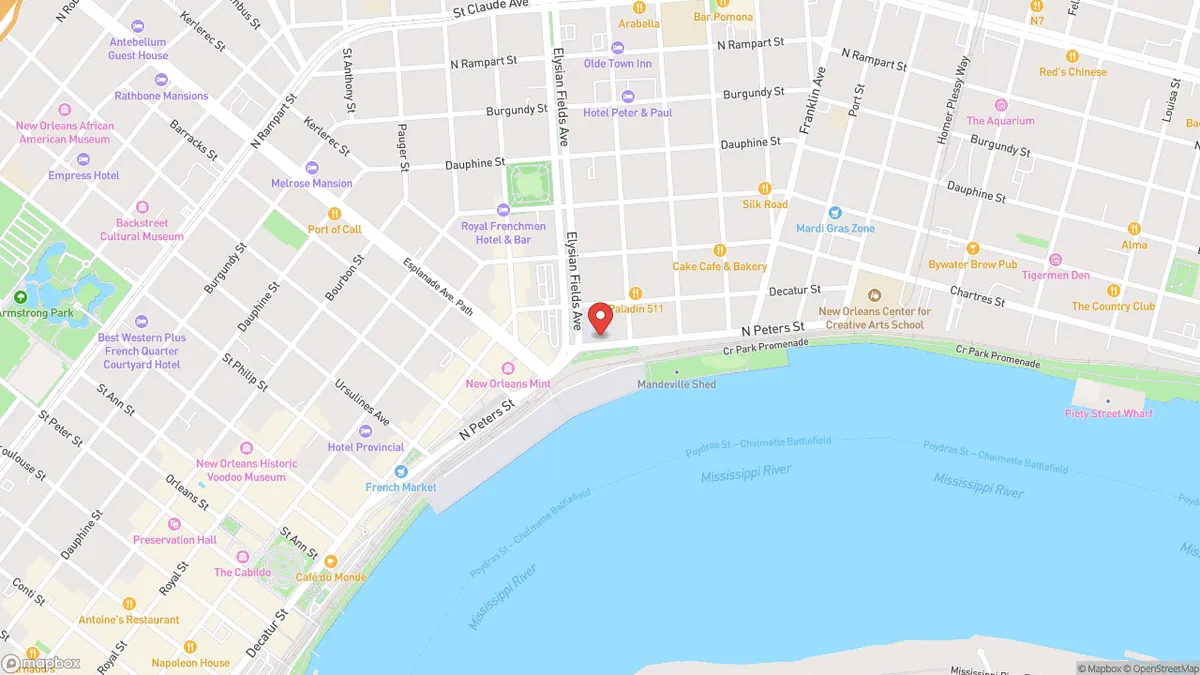
- 5Cultural Heritage·1973New Orleans Center for Creative Arts (NOCCA)
A free conservatory in a converted rice mill where teenagers become professionals. NOCCA opened in 1973 as an after-school program for artistically gifted Louisiana high school students — acceptance by audition only, tuition waived. Students from over 100 schools cycle through the Bywater riverfront building at Press Street each afternoon for intensive instruction in music, visual arts, theater, dance, creative writing, culinary arts, and media arts. Since 2011, a full-day diploma track has run alongside the after-school model. The alumni roster reads like a genealogy of New Orleans music and stage talent: Wynton Marsalis, Branford Marsalis, Harry Connick Jr., Trombone Shorty, Wendell Pierce, Anthony Mackie — all attended before age 18. Arguably the most concentrated output of professional artists from a single American high school program in the country. NOCCA isn't generally open to the public, but performances and exhibitions cycle through the campus regularly. The NOCCA Foundation brings more than 100 visiting professional artists into classrooms each year and covers student fees for summer training programs nationwide. Check nocca.com for the current performance schedule — you're watching working artists before they leave high school.